
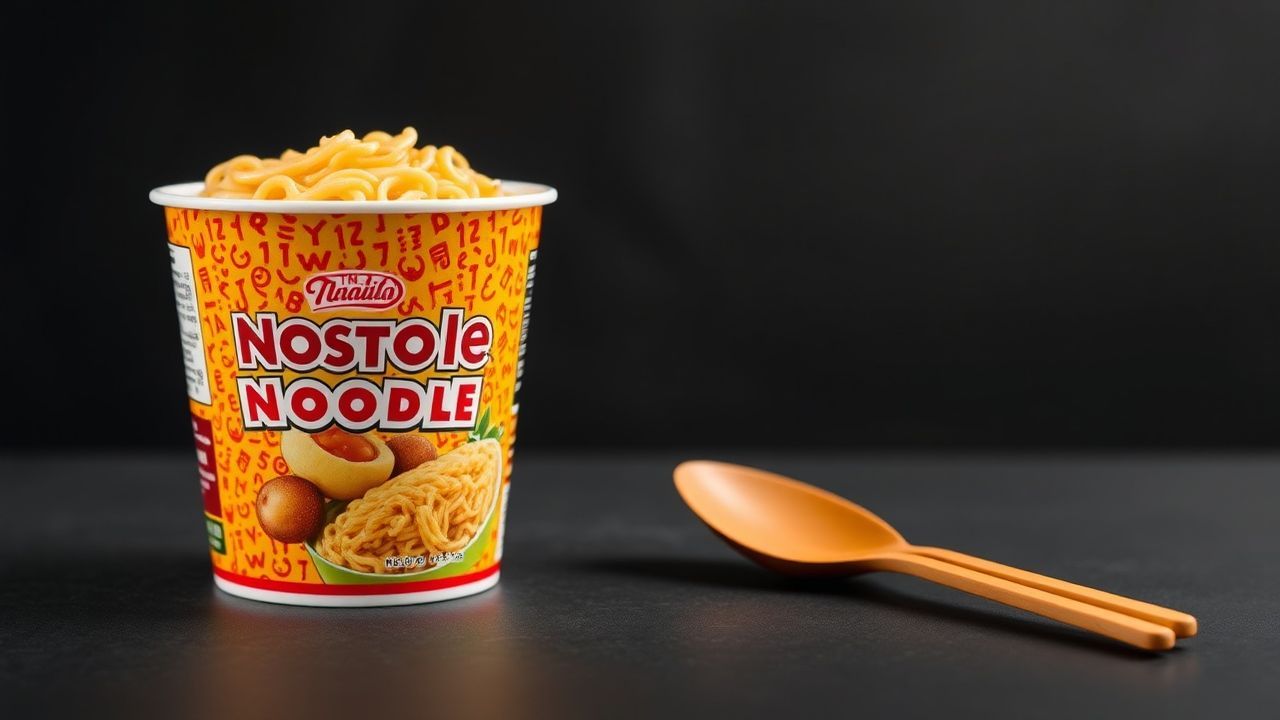

The instant noodle cup hides rigorous food chemistry behind a simple ritual: boiling water and a lid. Understanding starch behavior, heat flow, and flavor release gives you predictable, repeatable results every time. This guide explains the technical steps and underlying science so you can improve texture, aroma, and safety.
- Key control points: water temperature, soak time, and seasoning order.
- Texture drivers: starch gelatinization and residual frying structure.
- Flavor strategy: preserve volatile aromatics by layering powders and liquids.
- Practical gains: small technique changes deliver large sensory improvements.
Prep and Cook Time
Preparation: 5 minutes. Cooking: 4 minutes. Keep tools ready: kettle, thermometer, and a heatproof cup or bowl.
Short prep keeps the process controlled. Having a timer and quick-access toppings improves consistency across cooks.
Yield and Difficulty
Serves 1 generous portion. Difficulty: easy, but precision matters for repeatable results.
This method suits busy cooks who want predictable texture and optimized flavor with minimal effort. Use it to test variables like water volume or add-ins.
Ingredients
Use measured ingredients to keep chemistry consistent. Small changes to water mass or oil content alter the final bite.
Below is a standard ingredient list you can vary for texture or nutrition:
- 1 cup boiling water (monitor temperature for starch gelatinization)
- 1 pack instant noodles
- 1 sachet dry seasoning powder
- 1 tsp soy sauce
- 1 tsp toasted sesame oil
- 1 green onion, thinly sliced
- Optional: boiled egg, steamed greens, or mushrooms
Instructions
Follow a controlled sequence: heat, hydrate, season, and finish. Each step influences molecular interactions in the noodles and broth.
Measure time and temperature on the first try, then adjust for package differences and personal texture preference.
- Heat water: Bring water to a rolling boil (about 100°C/212°F). Use a thermometer when precision matters.
- Set noodles: Place noodles in a heatproof cup or bowl. Pour water to just cover the block for concentrated flavor or more to create a soup.
- Cover and time: Close the lid or cover and soak for 3–4 minutes. Stir gently halfway to separate strands without overworking the gluten network.
- Layer seasonings: Add dry powder first, then oil-based sachets. Mix gently to release aroma without dissipating volatile compounds.
- Finish: Drain a portion of water for firmer noodles or keep broth for a softer bite. Garnish and serve immediately.
Timing and Temperature Details
Starch gelatinizes across a narrow temperature window. Keeping the water close to boiling ensures uniform swelling of starch granules.
Shorter soaking favors chew and spring; longer soaking yields softer structure. Record soak times to refine texture for each brand.
Seasoning Strategy
Powders contain many volatile flavor compounds that evaporate quickly. Add them while the container is covered to trap aroma.
Liquid flavor sachets often carry oils and concentrated umami agents. Add these last to preserve their aroma and mouthfeel.
Science of Texture
The primary texture change comes from starch gelatinization. Heat and water break down crystalline regions in starch granules and allow them to swell and bind water.
For a technical primer, see the starch gelatinization entry. Manufacturers pre-process noodles to a specific moisture and frying profile to control final bite.
Instant noodles often undergo frying or steaming followed by drying. This pre-treatment creates a porous structure that rehydrates rapidly and yields the characteristic springy chew.
Refer to the instant noodles overview for historical and manufacturing context. Different flours, protein levels, and drying methods change rehydration kinetics.
Flavor Chemistry
Umami compounds such as free glutamates and nucleotides drive savory depth. Salt and acids modulate perceived intensity and balance.
Learn more about the taste category at umami on Wikipedia. Powder blends use a mix of amino acids, salts, and hydrolyzed proteins to create a lasting savory profile.
The Maillard reaction products from frying add roasted, caramelized notes that dissolve into the broth. Those compounds enhance aroma and perceived richness.
For chemistry background, see Maillard reaction. Retaining oil-based aromatics during preparation keeps the soup fragrant and full-bodied.
Packaging and Heat Retention
Cup materials and lids alter heat loss and steam retention. Insulating cups trap heat and water vapor, creating a microclimate that favors uniform rehydration.
Careful lid placement reduces aroma loss and preserves volatile flavor compounds. Some designs intentionally channel steam to soften noodles evenly.
Tips for Success
Small procedural changes yield measurable differences. Consistency in water temperature, amount, and timing delivers predictable texture and flavor.
Store noodles and seasoning sachets in a cool, dry place to preserve volatile aromatics and prevent oil rancidity.
When adding vegetables or proteins, pre-blanch or preheat them to avoid cooling the broth and altering starch set. Hot additions integrate faster and protect texture.
Serving Suggestions
Garnish with sliced green onion, a soft-boiled egg, or quick-blanched greens for visual contrast and balanced nutrition. Small additions elevate perceived quality.
A drizzle of sesame oil or chili oil at the end adds an aromatic top note without disturbing the starch matrix. Add them after mixing to preserve aroma and mouthfeel.
Nutrition and Practical Notes
A typical instant noodle cup contains moderate calories and a mix of macronutrients. Manufacturers vary widely in sodium and fat content.
If you track macros, add lean protein or extra vegetables to improve nutrient density while keeping the cooking sequence intact.
| Nutrient | Amount per Serving |
|---|---|
| Calories | 350 kcal |
| Protein | 10 g |
| Carbohydrates | 55 g |
| Fat | 8 g |
For test routines and advanced variations, consult our internal resources to refine technique. See our comprehensive noodle recipe guide for step-by-step experiments.
For texture calibration across brands, track soak times and water mass in a notebook or digital log. Our noodle texture guide provides templates for A/B testing.
FAQ
Why do instant noodles cook so quickly?
Manufacturers pre-cook noodles by frying or steaming, which reduces internal crystalline structure and moisture. That pre-processing accelerates water uptake and shortens rehydration time.
How does water temperature affect texture?
Higher water temperatures speed starch gelatinization and protein relaxation, producing a softer bite in the same time. Lower temperatures undercook the starch and yield a chalky or brittle texture.
Should I add all seasonings at once?
No. Add dry powders first to dissolve, then liquid oils or concentrated pastes. Layering preserves volatile aromatics and enhances perceived aroma after opening the lid.
Can I reduce sodium without losing flavor?
Yes. Substitute part of the seasoning with mushroom powder or low-sodium stock concentrates. Umami-rich ingredients restore savory depth while lowering explicit salt levels.
Is there a best container to cook in?
Use a heatproof ceramic or steel bowl for highest safety and even heat distribution. Many commercial cups work, but check for deformation or odor when hot water is poured.
Technical mastery rests on controlling variables. Measure ingredients, time precisely, and adjust one factor at a time to improve your instant noodle cup systematically.
See also: Instant Noodles