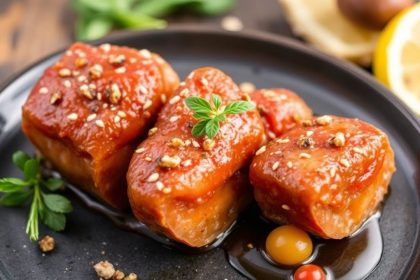


Confit transforms modest cuts into intensely flavored, tender dishes by slow poaching in fat. This method combines preservation with precise, low-temperature cooking to develop rich texture and depth.
- Key takeaways: Confit uses slow poaching in fat to tenderize and preserve.
- Timing matters: A salt cure plus 2–3 hours of low-temperature poaching produces ideal texture.
- Finish for contrast: Crisping the skin before serving restores surface texture and adds flavor.
Why confit works
Confit relies on two principles: low, consistent heat and fat as a cooking medium. The fat creates a stable, oxygen-limited environment that slows moisture loss and prevents the high-heat breakdown of proteins.
Historically, confit served as a preservation method as well as a cooking technique. For historical context and terminology, see confit on Wikipedia and the broader practice of food preservation.
Essential equipment and rationale
Use a heavy-bottomed pot or an oven-safe dish that holds heat evenly and accommodates full submersion of the protein. A reliable probe thermometer is mandatory to keep the fat in the correct poaching band.
When precision is required, a circulated sous-vide bath can replicate the steady temperatures of classic confit. For method comparison, review the technique of sous-vide to understand temperature control benefits.
Prep and Cook Time
Preparation: 20 minutes active time, plus a salt cure of 12–24 hours. The cure draws moisture and seasons deeply, so do not shorten it without expectable losses in texture.
Cooking: 2 to 3 hours at 82–90°C (180–194°F) until the meat yields easily from the bone. Include resting and optional chilling for storage in the total time.
Yield and difficulty
Serves 4 generous portions when using four duck legs. Expect one leg per person plus shared sides if you follow classic plating proportions.
Difficulty: medium. The technique demands patience and temperature discipline, but it uses straightforward steps. Home cooks can master it reliably with a thermometer and a timer.
Ingredients
Gather the following primary ingredients. Keep the ratio of fat to meat generous so the pieces remain fully submerged during cooking.
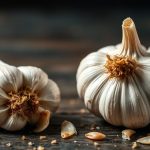
Common ingredients include duck legs, rendered duck fat, aromatics such as garlic and thyme, bay leaves, and kosher salt. Optionally add juniper berries or peppercorns for subtle aromatic notes.
- 4 duck legs, skin-on, trimmed of excess loose fat
- 4 cups duck fat (enough to cover the meat fully)
- 8 garlic cloves, peeled and crushed
- 4 sprigs fresh thyme
- 2 bay leaves
- 1 tbsp kosher salt (per 4 legs for the cure)
- 1 tsp black peppercorns, lightly crushed
- Optional: 1 tsp juniper berries for a piney aroma
Instructions
Follow a clear, repeatable sequence: cure, rinse, infuse the fat, poach, cool, and finish. Each step has a precise purpose: the cure seasons and firms, the fat poach tenderizes while preserving moisture.
Keep the fat at a gentle shimmer only; avoid bubbling. Use a thermometer and aim for a narrow temperature band to ensure consistent collagen breakdown without overcooking the muscle fibres.
- Salt cure: Pat legs dry, apply kosher salt generously, place on a rack, cover, and refrigerate 12–24 hours. This step tightens muscle fibers and seasons deeply.
- Rinse and dry: Rinse off cure under cold water, then dry thoroughly. Proper drying promotes crisp skin when you finish the confit.
- Infuse fat: Gently melt duck fat and add garlic, thyme, bay, peppercorns, and juniper if using. Hold on low heat to extract aromatics without browning.
- Poach: Submerge legs fully and maintain 82–90°C (180–194°F). Cook 2–3 hours until the meat easily separates from bone.
- Cool and store: Transfer legs to a container and cover with cooled fat for storage in the refrigerator; this seals the product and extends shelf life.
- Finish to serve: Reheat gently, then crisp skin under a broiler or in a hot skillet for contrast in texture and flavor.
Key temperature targets
Maintain the fat at a steady poaching temperature; fluctuations produce uneven texture. The 82–90°C band lets connective tissue convert to gelatin without drying proteins.
If you prefer absolute control, cook the legs sous-vide first at a similar temperature and then finish in fat to combine the benefits of both methods. For technical reference, see duck physiology and fat content.
Chef’s notes: practical tips
Use fresh, rendered fat when possible; it contributes aroma and mouthfeel. Store leftover fat; it will carry flavor forward to future batches and other recipes.
Alternate fats change profile: goose fat yields a silkier mouthfeel, while neutral oils suit vegetable confits. Keep records of time and temperature to replicate consistent results.
When you plan ahead, confit is ideal for meal prep because the product improves with resting. Chilling the meat in its fat intensifies flavor and tenderizes further, so make batches a day or two ahead if possible.
Variations and substitutions
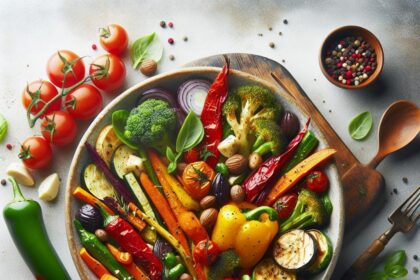
Beyond duck, confit works with pork belly, chicken thighs, and even vegetables like garlic and shallots. Substitute olive oil when you want a lighter, Mediterranean profile for vegetable confits.
Adjust aromatics to the protein. For pork, add star anise or fennel; for vegetables, use lemon peel and thyme. Explore variations while preserving the core slow-fat-poach principle.
Serving suggestions
Pair confit with bright, acidic elements to cut richness: pickled cherries, a tart gastrique, or a squeeze of lemon brightens the plate. Contrast texture with crisped skin and toasted nuts.
Serve confit over mashed potatoes, buttered polenta, or with roasted root vegetables for rustic balance. For complementary reading, visit internal guides like Comprehensive Guide to Slow Roasting and Confit Variations and Uses to expand side-dish pairings.
Nutrition and storage
Per serving, a typical duck confit portion carries significant fat and caloric density but also offers protein and fat-soluble flavor compounds. Use portion control and bright sides to create a balanced meal.
Store confit submerged in fat in an airtight container in the refrigerator for up to a month; freeze for longer storage. Always reheat through to a safe internal temperature before serving.
| Nutrient | Per Serving |
|---|---|
| Calories | 550 |
| Protein | 35g |
| Carbohydrates | 2g |
| Fat | 42g |
Related reading
For technical details about meat science and connective tissue breakdown, consult authoritative references such as scientific overviews of protein denaturation. For practical technique comparisons, the sous-vide page aids understanding of temperature control.
Explore culinary history for cultural context via the confit entry and broader preservation techniques via food preservation. These pages clarify terminology and historical use.
FAQ
What is confit?
Confit is a culinary method where food cooks slowly in fat at low temperature. The technique originated as a preservation method and now serves both preservation and flavor development roles.
How long should I cure duck legs?
Cure for 12–24 hours depending on leg thickness and salt amount. A full 24-hour cure yields deeper seasoning but a shorter cure still produces good results if you adjust salt proportionally.
Can I use other fats besides duck fat?
Yes. Goose fat offers a similar profile, while neutral oil or olive oil suits vegetable confits. Each fat alters mouthfeel and aroma, so choose based on desired flavor outcomes.
Is confit safe to store in fat?
Yes, when prepared and refrigerated correctly. The fat forms an oxygen barrier, but refrigeration and clean handling are essential to prevent spoilage. Freeze for extended preservation.
Can I confit without professional tools?
Absolutely. Use a heavy ovenproof pot, a reliable thermometer, and an oven or stovetop set to low heat. A slow cooker works for many home cooks as long as you monitor temperature and time.
For more step-by-step recipes and related techniques, return to our internal resources like Slow Roasting Guide and Confit Variations. These pages expand on sides, finishes, and timing strategies for busy cooks.
See also: Confit