
Muffin Mix-Up: What Happens When You Over-Mix?
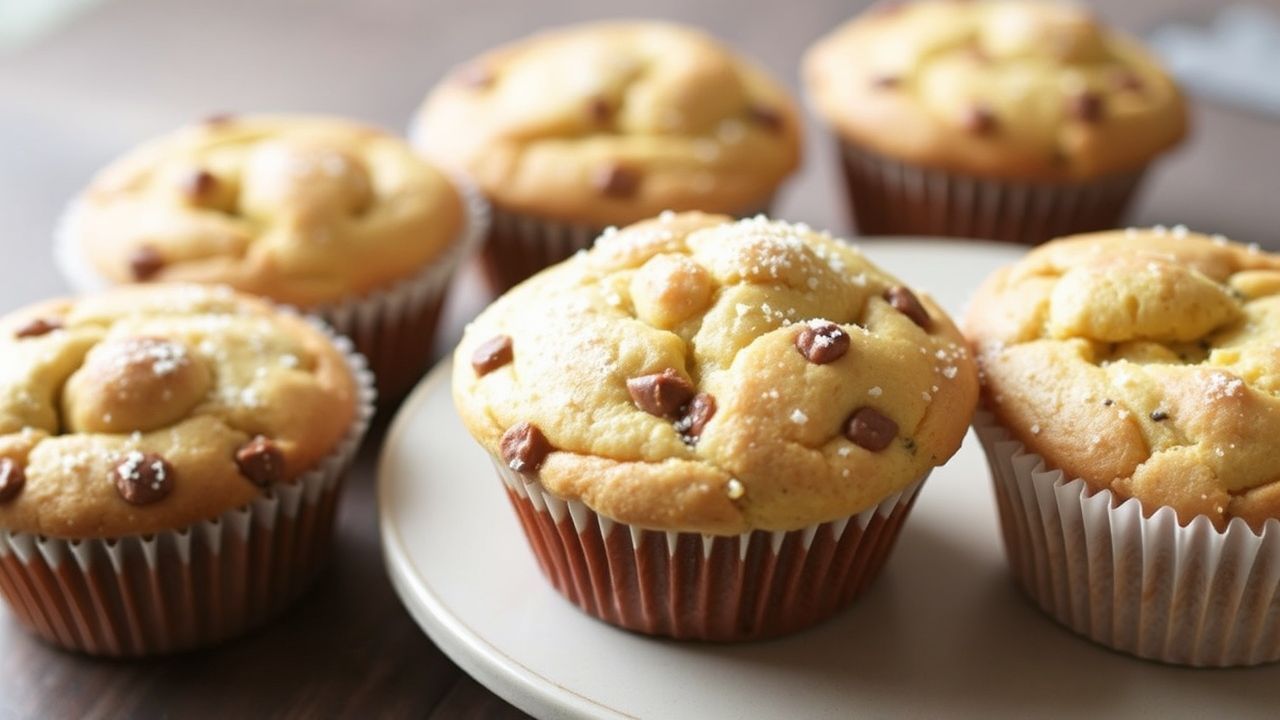
Muffins rely on a careful balance of flour, liquid, fat and leavening to yield a tender crumb and a rounded top. Over-mixing the batter changes protein structure and air distribution, which turns a promising batch into a dense, chewy result.
- Prep and Cook Time
- Yield
- Difficulty Level
- Ingredients
- Instructions
- Understanding Gluten Development in Muffin Batter
- Texture Troubles and Signs You’ve Over-Mixed
- How Over-Mixing Alters Flavor and Baking Outcome
- Expert Tips to Achieve the Perfect Muffin Mix Every Time
- Chef’s Notes and Tips for Success
- Serving Suggestions
- Nutritional Facts
- Further Reading and Resources
- FAQ
- Short take: Overworked gluten yields toughness and tunnels inside the crumb.
- Mixing target: Fold until just combined; a few small lumps are fine.
- Timing tip: Rest batter only briefly and bake immediately for best rise.
Prep and Cook Time
Preparation: 15 minutes. Baking: 20–25 minutes depending on oven and fill level.
Total time typically runs about 35–40 minutes for a standard 12-muffin batch. Plan to preheat the oven and line the tin while you combine wet and dry components.
Yield
This recipe yields 12 standard-sized muffins when you fill each cup about two-thirds full. Use a small scoop to portion batter evenly so baking time remains consistent across the pan.
If you make jumbo muffins, expect fewer yields and add a few minutes to the bake time. For mini muffins, reduce baking time and test early with a toothpick.
Difficulty Level
Rated Easy to Medium for home bakers with basic mixing skills. The technique focus here is on folding rather than intensive beating, which most cooks can master quickly.
Practice improves feel: the more batches you make, the better you will sense when batter is just combined. That muscle memory prevents the most common error—overworking the flour.
Ingredients
2 cups all-purpose flour, sifted; 3/4 cup granulated sugar; 2 tsp baking powder; 1/2 tsp baking soda; 1/4 tsp salt. Also include 1 cup buttermilk, 1/2 cup melted unsalted butter, 2 large eggs and 1 tsp vanilla.
Optional: fold in 1 cup fresh blueberries or other mix-ins gently. Use accurate measurements; weighing flour prevents excess protein and reduces the risk of over-mixing consequences.
Instructions
Preheat oven to 375°F (190°C). Line a 12-cup muffin tin or grease it lightly, then set aside while you mix the components.
- Whisk dry ingredients: flour, sugar, baking powder, baking soda and salt until even.
- Whisk wet ingredients in a separate bowl: buttermilk, melted butter, beaten eggs and vanilla.
- Pour wet into dry and fold with a spatula until no dry streaks remain; stop when you still see a few small lumps.
- Gently fold in fruit or nuts and portion batter evenly into cups.
- Bake 20–25 minutes or until a skewer comes out clean and tops are golden.
- Cool in the pan 5 minutes, then transfer to a rack to finish cooling.
Use a spatula to fold rather than stirring vigorously; this keeps gluten strands short. Resist the urge to smooth the batter completely; lumps will hydrate and disappear during baking.
Understanding Gluten Development in Muffin Batter
Gluten forms when wheat proteins glutenin and gliadin align during hydration and agitation, creating a network that traps gas and gives structure. For a technical overview, see gluten on Wikipedia.
Muffins need limited gluten to remain tender; overworking the batter elongates and strengthens gluten strands. Therefore, folding preserves small, weak gluten chains and yields a soft crumb with a proper rise.
Texture Troubles and Signs You’ve Over-Mixed
Over-mixed batter can look deceptively smooth but produces muffins that are tight, dense and chewy. You may also see tunnels or long holes inside, which indicate stretched carbon dioxide bubbles caused by strong gluten networks.
Tops may appear flat or collapsed after the initial oven spring, and the interior can remain slightly underdone while the outside browns. Texture defects often accompany a dull or floury finish rather than a tender, moist mouthfeel.
How Over-Mixing Alters Flavor and Baking Outcome
Excess mixing increases oxidation and can mute volatile flavor compounds from vanilla or dairy, yielding a blander profile. Also, overdeveloped gluten can give a faintly bitter or floury aftertaste that competes with intended flavors.
Dense muffins require longer bake times to reach safe interior temperature, which can dry the crumb and intensify off-notes. For background on leavening agents that interact with batter structure, consult baking powder on Wikipedia.
Expert Tips to Achieve the Perfect Muffin Mix Every Time
Measure precisely and separate dry and wet mixing steps to control the moment of gluten formation. Mix only until combined; a few visible lumps will disappear in the oven and protect tenderness.
Use room temperature eggs and dairy to reduce the mixing time needed to combine ingredients. Cooler ingredients require more agitation, which increases the chance of overdeveloping gluten.
Chef’s Notes and Tips for Success
For a slightly richer crumb, substitute half the buttermilk with plain yogurt. See the dairy profile at buttermilk on Wikipedia for background and common uses.
Mix by hand with a wooden spoon or spatula rather than using a high-speed electric beater. Hand mixing gives you tactile feedback and reduces the mechanical energy that stretches gluten.
Serving Suggestions
Serve muffins warm with a thin smear of butter or a citrus glaze to lift richness. Pair with coffee or tea to complement the muffin’s fat and sugar balance.
For a brunch spread, offer a variety: plain, blueberry and streusel-topped versions to provide contrast in texture. Small garnishes like toasted nuts or a dusting of powdered sugar add visual appeal without heavy mixing.
Nutritional Facts
| Nutrient | Amount (per muffin) |
|---|---|
| Calories | 210 kcal |
| Protein | 4 g |
| Carbohydrates | 30 g |
| Fat | 8 g |
Further Reading and Resources
To understand the ingredients and reactions in more depth, consult the entry for muffin on Wikipedia. That page outlines various muffin types and historical context that informs texture expectations.
For technical background on flour composition and its role in gluten formation, see flour on Wikipedia. These references support practical technique with reliable chemistry.
FAQ
Why does over-mixing a muffin batter cause bad texture?
Over-mixing develops too much gluten, creating long, strong strands that yield a rubbery crumb. It also alters air bubble distribution, which can collapse during baking and leave tunnels.
What visual signs tell me I over-mixed?
Muffins that are dense, have long internal tunnels, or show a flat top after baking typically stem from overworked batter. The interior may feel tight and slightly chewy when you bite in.
Can I save over-mixed batter once I notice it?
Unfortunately, you cannot reverse overdeveloped gluten. The safest approach is to start a new batch and limit mixing time; small adjustments rarely fix the texture.
Will changing leavening help if I over-mix?
Adding more baking powder or soda cannot restore tenderness; leavening will lift but not soften an overdeveloped gluten network. Correct mixing technique is the true fix.
How do I practice to avoid over-mixing?
Practice folding with a spatula: make wide, shallow strokes and rotate the bowl to incorporate ingredients quickly. Time yourself and stop as soon as dry streaks disappear, allowing a few small lumps to remain.
Apply these techniques and you will consistently produce muffins with a tender crumb and a pleasing dome. Gentle handling and clear timing provide reliable results every bake.
See also: muffin