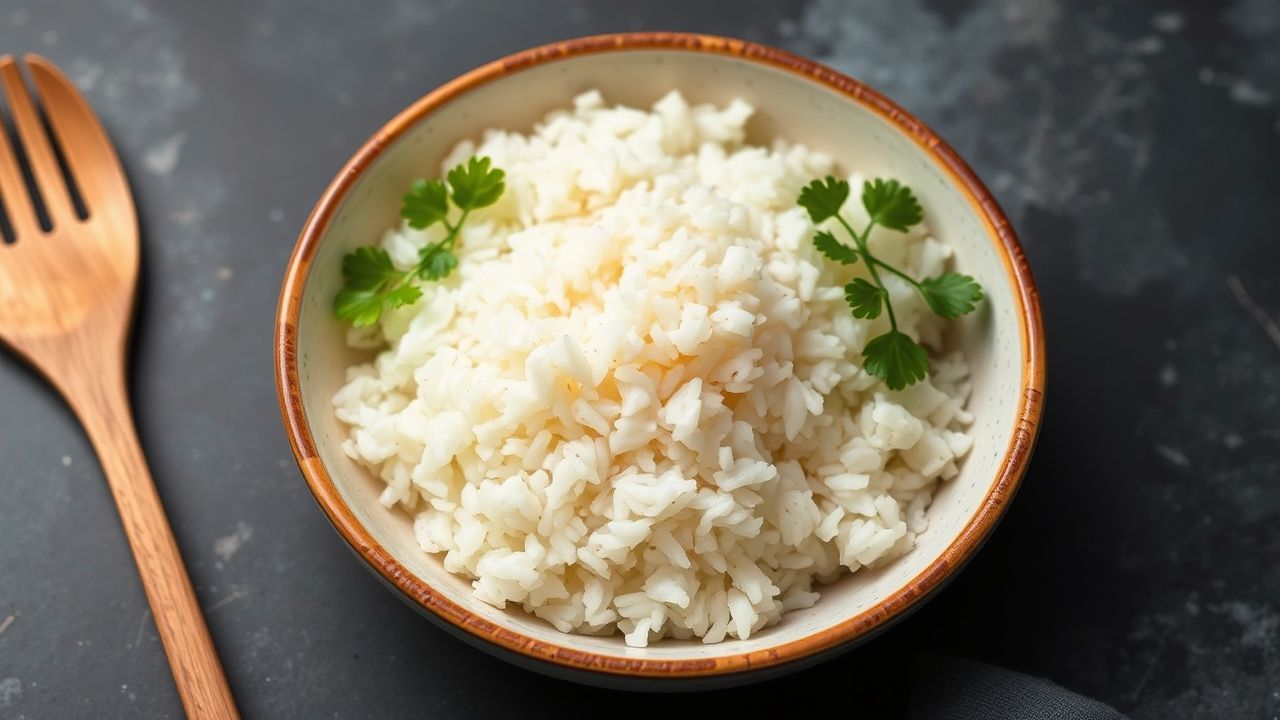

Fluffy rice starts with clear technique and consistent control of water and heat. Follow tested steps to get distinct, tender grains rather than gluey clumps.
- Prep and Cook Time
- Yield and Difficulty
- Ingredients
- Understanding Rice Varieties for Ultimate Fluffiness
- The Science Behind Fluffy Rice Cooking Techniques
- Step-by-Step Guide to Achieving Perfectly Fluffy Rice
- Equipment and Small Techniques that Make a Big Difference
- Expert Tips and Common Mistakes to Avoid for Fluffy Rice Mastery
- Common Fixes for Imperfect Rice
- Serving Suggestions and Pairings
- Nutrition Snapshot
- Questions Cooks Ask
- How much water should I use for fluffy rice?
- Do I need to soak rice before cooking?
- Can a rice cooker give me the same fluffiness?
- Why did my rice turn out gummy despite rinsing?
- Any quick tips for fluffy rice at high altitude?
- Further Reading and References
- Final Notes
- Key takeaway: Rinse to remove surface starch and use the right rice-to-water ratio.
- Key takeaway: Simmer gently, keep the lid sealed, and allow a timed rest off heat.
- Key takeaway: Choose long-grain varieties for naturally separate grains.
- Key takeaway: Small fat additions and a heavy pot improve texture.
Prep and Cook Time
Preparation: About 5 minutes of active work. This includes rinsing and measuring so the pot goes on heat ready.
Cooking: Simmer for 18 to 20 minutes, then rest 10 minutes off heat. Timing varies slightly by grain and elevation.
Yield and Difficulty
This recipe yields about four side-dish servings from 1 cup of dry rice. It scales linearly; adjust water proportionally for larger batches.
Difficulty is easy. Home cooks and pros both use the same absorption principle for reliable results.
Ingredients
Use measured, simple ingredients: 1 cup long-grain jasmine or basmati rice, 1 1/4 cups water, 1/2 teaspoon fine salt, and 1 tablespoon unsalted butter or neutral oil optional. Precision in measurement matters more than exotic additions.
Note: Filtered water yields clean flavor and consistent boiling behavior. Adjust salt and fat to taste.
Understanding Rice Varieties for Ultimate Fluffiness
Long-grain types like jasmine rice and basmati have a grain structure that favors separation after cooking. These varieties contain relatively less surface starch than short-grain rice, so they steam into airy kernels rather than gluey masses.
By contrast, short-grain and sticky rice are high in amylopectin and naturally cling together, which suits sushi and risotto but not a fluffy side. For a general primer on rice types and cultivation, see rice taxonomy and uses.
The Science Behind Fluffy Rice Cooking Techniques
Rice texture depends on starch gelatinization and moisture distribution. The two main starch fractions, amylose and amylopectin, determine whether grains separate or bind together.
When you control the rice-to-water ratio and maintain gentle heat, starches swell and set without rupturing the grain surface. Rapid boiling or stirring breaks grains and releases excess starch, so keep agitation minimal.
Step-by-Step Guide to Achieving Perfectly Fluffy Rice
1. Rinse thoroughly. Place rice in a fine-mesh sieve or bowl and wash under cold water until the runoff runs mostly clear. This removes loose surface starch that causes immediate clumping on contact with heat.
2. Measure precisely and combine. Use 1 cup rice to 1 1/4 cups water for many long-grain varieties; add 1/8 cup more water at high altitude or for older grains. Add salt and fat at this stage for even distribution.
3. Bring to a gentle boil then lower heat. Heat the pot uncovered and stir once. As soon as you see a steady simmer, reduce to the lowest flame and seal with a tight lid to trap steam.
4. Simmer undisturbed and rest off heat. Allow 18 minutes of covered, low-heat cooking, then turn off the burner and let the rice sit, still covered, for 10 minutes. This rest lets internal moisture equalize and creates a lighter texture.
5. Fluff with care. Use a fork or rice paddle to lift and separate grains gently. Avoid vigorous stirring which compresses and breaks grains, producing stickiness.
Equipment and Small Techniques that Make a Big Difference
Choose a heavy-bottomed saucepan with a tight-fitting lid to keep heat and steam even. A thin pot develops hotspots and burns bottom layers, which ruins texture quickly.
Alternatively, a modern rice cooker controls heat and timing precisely and usually produces excellent fluffy results with the correct water ratio. For machine-based methods, consult your cooker manual for water guidance and settings.
Expert Tips and Common Mistakes to Avoid for Fluffy Rice Mastery
Don’t skip rinsing: Residual surface starch causes clumping and gummy texture. Rinsing is a simple, high-impact step.
Match the water ratio carefully: Err on slightly less water for preferred firmness; add a tablespoon if you need more moisture after resting. Keep notes for the specific brand and lot of rice you buy.
Use a gentle flame: A rolling boil can agitate and break grains. Instead, bring to boiling, then immediately cut to the lowest setting for simmering.
Keep the lid sealed: Peeking loses steam and alters cooking time. Trust the timer and resist lifting the lid until rest time is complete.
Common Fixes for Imperfect Rice
If rice is slightly undercooked and wet, return it to low heat with the lid on briefly, or steam it over a small amount of boiling water for 2 to 4 minutes. For mushy rice, spread it on a tray and air-dry briefly in a warm oven, then fluff gently.
Next time, reduce water by one to two tablespoons and ensure thorough rinsing. Small adjustments to hydration and time often produce dramatic improvement.
Serving Suggestions and Pairings
Fluffy rice provides a neutral base for richly spiced curries, grilled proteins, and vibrant vegetable stir-fries. Use it as a canvas to highlight sauces and textures rather than overpower them.
Garnish simply with chopped scallions, toasted sesame seeds, or fresh herbs. A drizzle of coconut milk or a sprinkle of toasted nuts adds gloss and interest without weighing the grains down. For recipe ideas, see our rice guide and common fixes.
Nutrition Snapshot
One cup of cooked long-grain white rice typically provides about 200 calories and modest protein. It supplies immediate carbohydrate energy, making it a staple side for balanced meals.
| Nutrient | Per Serving (1 cup cooked) |
|---|---|
| Calories | 205 kcal |
| Protein | 4.3 g |
| Carbohydrates | 45 g |
| Fat | 0.4 g (with butter) |
Questions Cooks Ask
How much water should I use for fluffy rice?
Use roughly 1.25 cups of water per 1 cup of long-grain rice as a baseline. Then adjust by 1 to 2 tablespoons based on altitude, grain age, and desired firmness.
Do I need to soak rice before cooking?
Soaking is optional for long-grain varieties but helps basmati expand evenly and shortens active cooking time. If you soak, reduce the cooking water slightly to account for pre-absorption.
Can a rice cooker give me the same fluffiness?
Yes. Rice cookers regulate temperature and switch to keep-warm, which replicates the low-heat steam phase. Follow the cooker’s water guidelines and rinse rice first for best results.
Why did my rice turn out gummy despite rinsing?
Gummy rice usually results from too much water, over-stirring, or boiling too hard. Next time, reduce water slightly, rinse thoroughly, and avoid lifting the lid during cooking.
Any quick tips for fluffy rice at high altitude?
At altitude, increase cooking water by one to two tablespoons and extend simmering time slightly. Keep the lid sealed to maintain steam pressure and allow a longer rest off heat for moisture redistribution.
Further Reading and References
For background on rice biology and starch behavior, consult the linked resources on rice and starch. Those entries explain the grain anatomy and granule chemistry that drive texture outcomes.
For a deeper look at rice tools and machine methods, see the rice cooker overview and variety notes via the linked references above.
Final Notes
Mastering fluffy rice requires attention to just a few variables: variety, rinsing, precise water measurement, steady heat, and a patient rest. Apply consistent technique, log small changes, and you will see predictable improvements.
Use the steps above as a repeatable checklist each time you cook. With practice, producing light, separate grains will become second nature and dramatically improve everyday meals.
See also: Fluffy Rice