

Food Pairing explains why some ingredient matches feel inevitable and others surprise us. Chefs and scientists study shared aroma compounds to predict harmony and create novel combinations.
- Key idea: shared flavor compounds often signal good matches.
- Practical: simple rules help you test combinations fast.
- Starter recipe: strawberry and manchego shows sweet–savory balance.
- Science: tools like gas chromatography reveal aroma molecules.
Understanding Flavor Profiles to Create Perfect Pairings
Food pairing relies on measurable chemistry and human perception. Researchers compare volatile compounds in foods to identify overlaps that often translate to pleasant matches.
For example, chefs use knowledge from Food pairing and flavor science to design dishes that feel coherent. These links help explain why strawberry and basil work, or why chocolate and coffee pair well.
Historically, teams applied analytical chemistry to gastronomy. They used methods like gas chromatography–mass spectrometry to map aroma compounds and build pairing databases.
That research fed into culinary practice and into related disciplines such as molecular gastronomy. Chefs now combine intuition with data to propose surprising, yet grounded, combinations.
How the Theory Works — Practical Concepts
The core principle is straightforward: when two items share key volatile compounds, they often taste compatible. You can test this by comparing ingredient aroma profiles or using curated pairing lists.
Additionally, contrast plays a role. Balanced acids, fats, sugars, and textures can create a pleasing interplay even when molecules differ. Thus pairing uses both similarity and contrast to achieve balance.
Start with small experiments. Match one dominant note and one supporting note. Then adjust seasoning, temperature, and texture to refine the match.
For a structured approach, consult internal guides like ingredients and flavor matching and detailed technique pages such as food-pairing basics. These resources help you apply the theory in real kitchens.
Recipe: Strawberry and Manchego Bites
This simple plate demonstrates sweet–savory contrast and shared ester notes between fruit and herb. It requires minimal technique and shows how a molecular idea becomes a practical bite.
Serve it as an appetizer or tasting-course interlude. The recipe below highlights pairing mechanics and provides a quick test you can repeat with other cheeses or fruits.
Prep and Cook Time
- Prep Time: 15 minutes
- Cook Time: 10 minutes
Yield
Serves 4 adventurous palates.
Difficulty Level
Medium — ideal for home cooks who like to experiment with flavor.
Ingredients
- 200g fresh strawberries, hulled and halved
- 50g aged manchego cheese, thinly sliced
- 1 tsp black peppercorns, cracked
- 2 tbsp balsamic reduction
- Fresh basil leaves, for garnish
Instructions
- Prepare the strawberries: Rinse under cold water and pat dry. Halve each berry to expose its interior aroma and juice.
- Slice the manchego: Thin slices let the cheese release its nutty notes without overpowering the fruit. Arrange alternately on a plate for visual balance.
- Season and finish: Sprinkle cracked black pepper and drizzle the balsamic reduction. Garnish with basil leaves for freshness.
- Serve: Present on a wooden board or small plates. Pair with a crisp white wine if desired.
Tips for Success
Substitutions: If manchego is unavailable, try pecorino or a mild goat cheese to keep the creamy texture. Texture matters as much as aroma.
Seasoning edge: Add pepper or a touch of salt to amplify sweetness and reveal hidden aromatics. Small changes can shift a pairing from good to exceptional.
Balsamic reduction shortcut: Simmer balsamic vinegar until thick and syrupy. Store refrigerated for up to two weeks to save prep time for later service.
Experiment: Try a drizzle of quality olive oil or a sprinkle of toasted almonds for crunch. Each addition should support either sweetness, fat, or acidity.
Serving Suggestions and Pairing Logic
This dish works as an appetizer or a palate cleanser between courses. The sweet fruit and salty, nutty cheese provide both contrast and shared aromatic notes.
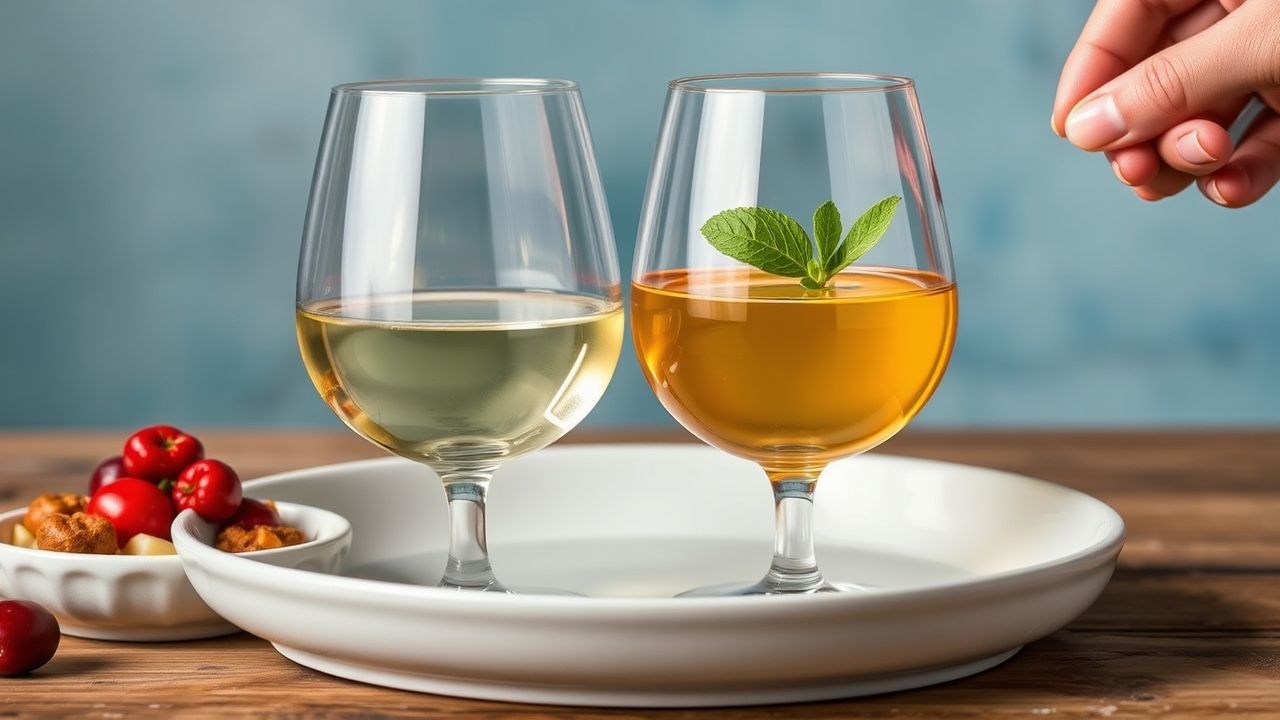
For beverage pairings, choose acidic or floral wines to lift the fruit. Alternatively, use a light sparkling wine to cleanse the palate and reset the senses between bites.
When plating, think about temperature and texture. Serve slightly chilled for freshness, not ice-cold, to keep aromatics active. Add a crunchy element to contrast creaminess.
Use the same logic for other matches: identify dominant notes, choose a complementary contrasting element, then test. The method scales from simple plates to composed entrees.
Practical Steps to Build Your Own Pairings
Collect simple data: note dominant aromas, main taste (sweet, salty, bitter, sour, umami), and texture. Then search for ingredients with overlapping descriptors.
Use controlled taste tests. Try one variable at a time, such as swapping one cheese or herb. Record outcomes and refine your instincts into reliable rules.
Maintain a small pairing log. Over time, you build a personal database that reflects local ingredients and your diners’ preferences. This practice turns theoretical knowledge into usable skill.
Also, revisit classic pairings to understand why they work. Dissecting a reliable dish teaches principles you can reuse in creative ways.
FAQ
What exactly is Food Pairing Theory?
Food Pairing Theory analyzes shared volatile compounds and sensory interactions to predict compatible ingredient matches. It combines analytical data with sensory testing to identify likely harmonies.
How can I apply the theory at home?
Start small with two-ingredient tests. Smell, then taste, and adjust texture or seasoning. Use internal guides like ingredients and flavor matching for structured experiments.
Does similarity always mean a good match?
No. Similarity often yields harmony, but contrast can produce balance. Use both strategies: match key aroma notes or pair contrasting textures and tastes for interest.
What tools do professionals use?
Chefs and researchers use analytical tools such as GC–MS to identify volatile compounds. In kitchens, they rely on tasting, iteration, and culinary technique.
Where can I learn more?
Study resources on Food pairing and molecular gastronomy. Practice with simple recipes and keep a pairing journal to develop reliable instincts.
Applying food pairing theory sharpens both creative and technical skills. Use measured tests, keep notes, and let sensory evidence guide your experiments.
See also: Food Pairing