

Ferment Weights: Secure & Savor Your Ferments
Ferment weights keep vegetables submerged, control oxygen exposure, and reduce surface growth for safer, crisper ferments. Use the right ferment weights and routine checks to preserve texture and flavor while minimizing spoilage risk.
- Why ferment weights matter
- Choosing the right ferment weights
- Sanitation and preparing ferment weights
- Practical, step-by-step technique for using ferment weights
- Common scenarios, diagnostics, and fixes for ferment weights
- Temperature control and timing with ferment weights
- Serving, storage, and lifespan of ferments using weights
- Nutritional notes and practical value
- Tools, materials, and recommended ferment weights
- FAQ
- Keep produce under brine to favor lactic acid bacteria and block aerobic contamination.
- Choose non-reactive ferment weights that fit without tilting and are easy to sanitize.
- Monitor salt and temperature to support predictable fermentation and consistent acidity.
Why ferment weights matter
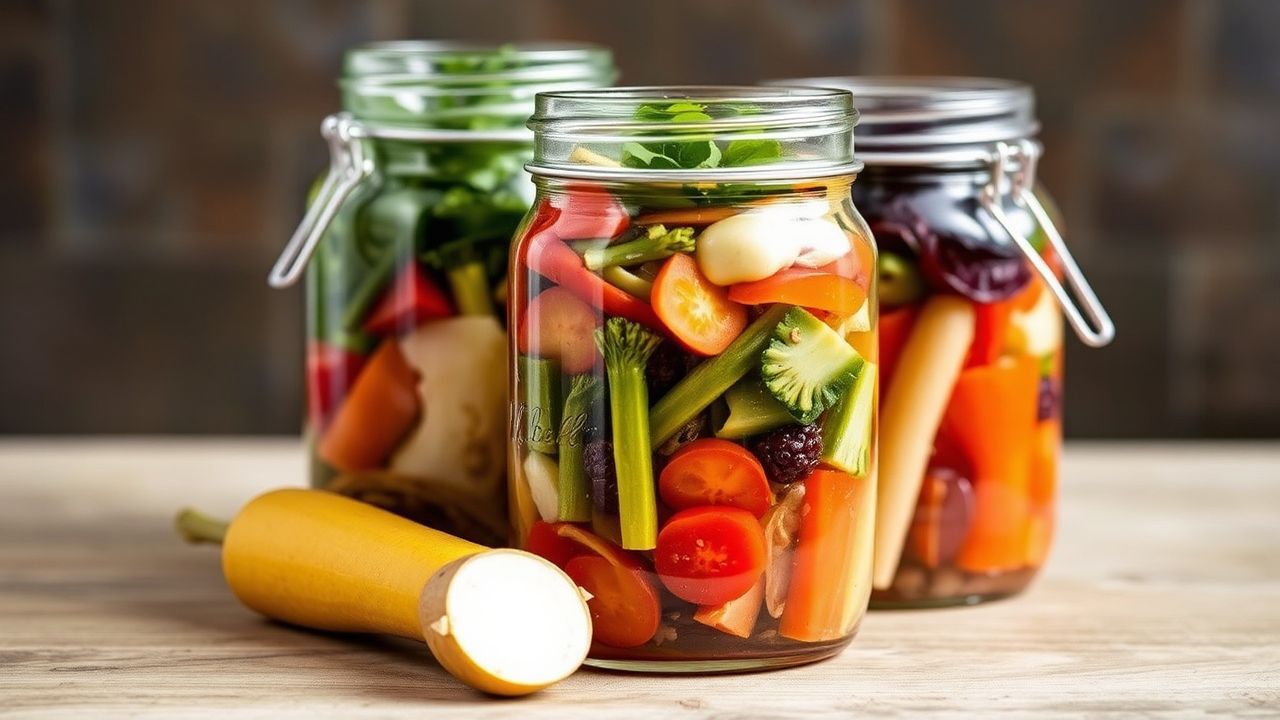
Ferment weights create a stable anaerobic zone beneath the brine where lactic acid bacteria thrive. That sealed environment lets acidity rise reliably and prevents molds and surface yeasts.
When vegetables float, they contact oxygen and encourage aerobic microbes that change flavor and texture. By using appropriate ferment weights you maintain submersion and reduce the need for corrective measures.
For the biology behind these shifts, consult fermentation for a clear overview. Also review the role of lactic acid bacteria in acidifying brines.
Choosing the right ferment weights
Select ferment weights that match the jar or crock cross-section and sit flat without rocking. A snug, stable fit reduces movement as CO2 escapes and prevents pockets of floating material.
Glass and ceramic ferment weights are preferred because they are non-reactive and easy to clean. Avoid untreated metals that can leach into acidic brines and alter flavor.
Common options include purpose-built glass weights, ceramic disks, small jars filled with salted water, and food-safe zip bags of brine. For crocks, use a heavy plate or a custom-cut weight to cover a broad area.
Sanitation and preparing ferment weights
Sanitation reduces the initial microbial load and lowers contamination risk. Wash hands, vessels, tools, and ferment weights in hot, soapy water, rinse thoroughly, and air-dry or sanitize with hot water.
Inspect weights for chips or pits that can harbor microbes; replace damaged pieces. Treat weights like other food-contact tools and store them dry between uses.
When using a brine bag as a weight, fill it with 2% salt solution and double-seal the closure to reduce rupture risk. Place the bag on a cabbage leaf or plate to limit direct contact with fine particulates.
Practical, step-by-step technique for using ferment weights
Start by salting and massaging the vegetables to draw out liquid. Pack the vegetables tightly to force brine above the surface before adding ferment weights.
Place the ferment weights gently on top; ensure at least one inch of brine covers the weight. If brine is low, add a measured 2% salt solution to top off and maintain anaerobic conditions.
Use a lid, clamp, or airlock to allow CO2 to escape while keeping oxygen out. The airlock vents gas; ferment weights keep the vegetables submerged so both work together to stabilize fermentation.
Check the jar daily for pressure, floating pieces, or signs of surface growth. If vegetables lift, press the weight down or add a secondary weight to keep everything under the brine.
When pressing vegetables, apply steady, even pressure rather than abrupt force to avoid crushing. Gentle, frequent checks beat infrequent corrections.
Common scenarios, diagnostics, and fixes for ferment weights
If pieces repeatedly float, trim large chunks and repack the jar. Floating often results from trapped air or unfavorable packing geometry, which better-fitting ferment weights can correct.
Cloudy brine with a pleasant sour aroma usually indicates normal activity. However, strong foul odors, sliminess, or colored molds require immediate action and likely batch discard.
Colored molds (green, black, pink) signal contamination and possible toxin production. Remove the batch, sanitize the vessel and ferment weights thoroughly, and reassess your salt, temperature, and sanitation steps.
Store ferment weights separately and inspect them before each use. Small imperfections or residues can harbor microbes, so keep a routine inspection and replacement schedule.
Temperature control and timing with ferment weights
Fermentation speed varies with temperature. Aim for 18–22°C (65–72°F) for most vegetable ferments to balance acid development and texture retention.
Cool, short ferments yield crisper vegetables, while warmer, longer ferments develop deeper acids and softer textures. Use consistent ferment weights across experimental runs to compare results reliably.
Warmer conditions increase gas production, which may shift floating pieces. Expect to check ferment weights more frequently when temperatures rise.
Serving, storage, and lifespan of ferments using weights
Once the desired acidity develops, transfer jars to refrigeration to slow fermentation and preserve crunch. Ferment weights continue to help in the fridge but are less critical once pH is stable.
Properly submerged and refrigerated ferments can remain palatable for several months. Taste periodically and use batches while acidity and texture meet your preference.
Label jars with dates and brief notes on salt percentage and temperature so you can repeat successful runs. Good records help reproduce results and refine weight choices.
Nutritional notes and practical value
Fermented vegetables are low-calorie and provide modest fiber and micronutrients; fermentation can increase nutrient availability. The primary food-safety benefit of ferment weights is maintaining anaerobiosis to favor beneficial microbes.
For comparisons with classic styles, see references on sauerkraut and kimchi. These traditions show practical weight and packing techniques at scale.
| Serving Size | Calories | Protein | Carbs | Fat |
|---|---|---|---|---|
| 1/2 cup | 25 | 1g | 5g | 0g |
Tools, materials, and recommended ferment weights
Stock a few sizes of purpose-built glass or ceramic weights and a set of small jars to use as supplemental weights. A simple zip bag filled with brine works in a pinch, but test the bag for leaks first.
For crocks, use a heavy plate or a custom-cut weight that distributes pressure evenly. Avoid tiny, heavy objects that concentrate force and crush delicate vegetables beneath them.
Maintain a small sanitation kit with brushes, a thermometer, and a scale to weigh salt accurately. Accurate salt percentage and steady temperature do more for safety than adding excessive weight.
FAQ
Q1: Why do I need ferment weights if I use an airlock?
An airlock vents CO2 but does not keep vegetables submerged. Ferment weights maintain submersion while the airlock manages gas release. Use both for the most reliable results.
Q2: How much pressure should ferment weights apply?
Apply enough pressure to hold vegetables below the brine without crushing cell structure. For a quart jar, a 100–300 g glass weight is typical; adjust by feel and texture.
Q3: Can I use a zip bag as a ferment weight?
Yes—use a food-safe zip bag filled with a 2% salt solution and double-seal it. Place the bag on a leaf or plate to prevent small particulates from contacting the bag directly.
Q4: What does a harmless pellicle look like versus dangerous mold?
A thin, white pellicle looks like a film and often smells yeasty; you can skim it. Colored, fuzzy growths (green, black, pink) usually indicate contamination—discard and sanitize.
Q5: How should I store ferment weights between batches?
Wash, dry, and store weights in a clean, dry container. Inspect for chips or scratches and replace any items that could trap soil or microbes.
With consistent use of appropriate ferment weights, measured salt concentrations, and routine checks, home ferments become more reliable and flavorful. Keep records, test small batches, and standardize your tools for repeatable success.
See also: our internal Fermentation Basics and a tools guide to weights to expand your setup details.
See also: ferment weights