By using this site, you agree to the Privacy Policy and Terms of Use.
Accept
CookOrBitCookOrBitCookOrBit
  • Home
  • About Us
  • Ingredient Science
    • Flavor & Aroma
    • Protein Chemistry
    • Sugar & Starch
    • Fats & Emulsions
  • Cooking Techniques
    • Searing & Grilling
    • Baking & Roasting
    • Boiling & Steaming
    • Low & Slow
  • Kitchen Experiments
    • DIY Ferments
    • Flavor Tests
    • Gadget Testing
    • Molecular Gastronomy
  • Food Myths
    • Searing Myth
    • 5-Second Rule
    • MSG Myths
    • Microwave Myths
  • Tools
  • More
    • Extra Picks
    • Quick & Easy
      • Breakfast Ideas
      • Desserts
      • Snacks
      • Soups
    • Global Flavors
      • Asian Street Eats
      • Latin Comforts
      • Mexican Flavors
      • Modern Mediterranean
CookOrBitCookOrBit
  • Home
  • About Us
  • Ingredient Science
  • Cooking Techniques
  • Kitchen Experiments
  • Food Myths
  • Tools
  • More
Search
  • Home
  • About Us
  • Ingredient Science
    • Flavor & Aroma
    • Protein Chemistry
    • Sugar & Starch
    • Fats & Emulsions
  • Cooking Techniques
    • Searing & Grilling
    • Baking & Roasting
    • Boiling & Steaming
    • Low & Slow
  • Kitchen Experiments
    • DIY Ferments
    • Flavor Tests
    • Gadget Testing
    • Molecular Gastronomy
  • Food Myths
    • Searing Myth
    • 5-Second Rule
    • MSG Myths
    • Microwave Myths
  • Tools
  • More
    • Extra Picks
    • Quick & Easy
    • Global Flavors
Follow US
  • Advertising Policy: 10 Practical Rules for Safe, Compliant Ads
  • Contact Us
  • Cookie Policy: Clear Guide for Site Owners
  • Copyright Notice Guide: 7 Essential Rules for Website Owners
  • Disclaimer
  • Privacy Policy
  • Terms of Service
By Fimaw.com
- Blooming Spices vs. Dry Adding: Unlocking Flavor Magic
CookOrBit > Blog > Ingredient Science > Flavor & Aroma > Blooming Spices vs Dry Adding: 7 Flavor Techniques to Master
Flavor & Aroma

Blooming Spices vs Dry Adding: 7 Flavor Techniques to Master

William J. Kroll
By William J. Kroll
Published: October 29, 2025
Share
SHARE

Blooming Spices vs. Dry Adding: Unlocking Flavor Magic

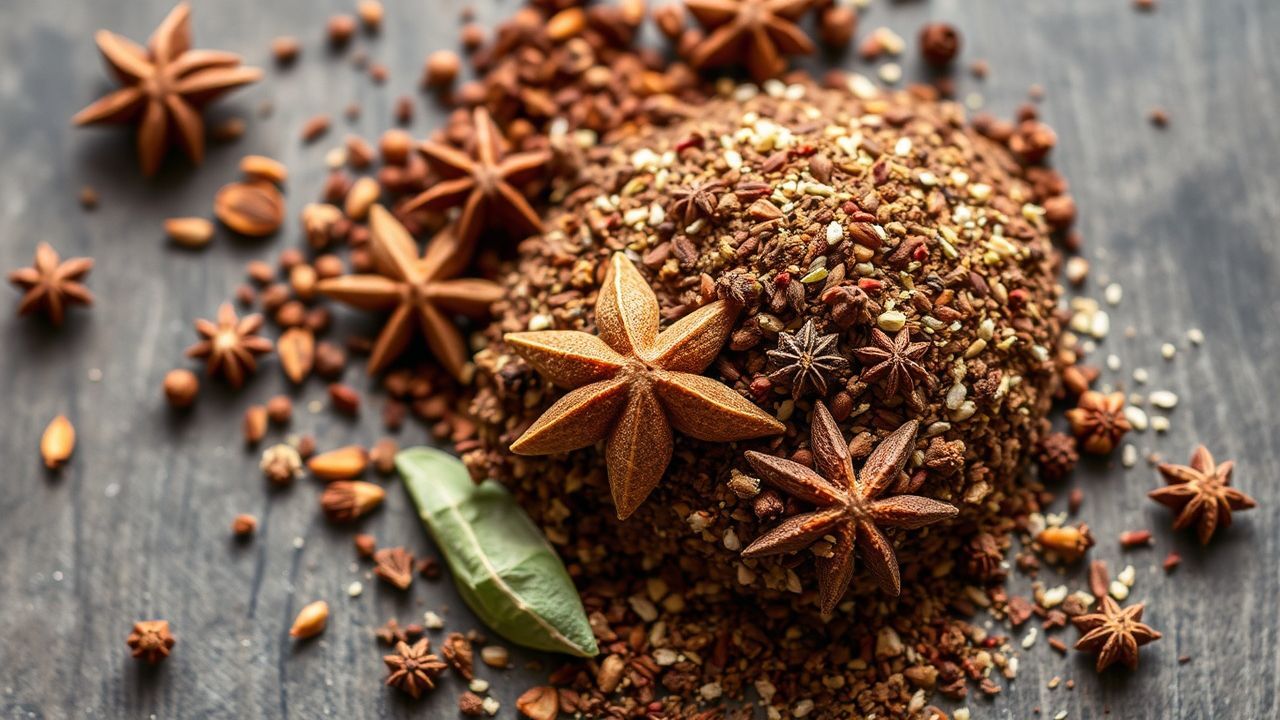
Mastering when to bloom spices and when to add them dry changes a dish’s aroma, texture, and nutritional uptake. Blooming releases oil-soluble aroma compounds into fat, while dry adding preserves volatile compounds and texture, giving distinct results.

Contents
  • Why timing matters
  • How blooming works: the science in simple terms
  • Dry adding: preservation and precision
  • Practical method: step-by-step workflow
    • Blooming steps
    • Dry adding steps
  • Ingredient-specific notes and Wikipedia resources
  • Tips for reliable results
  • Common mistakes and how to fix them
  • Serving and pairing guidance
  • FAQ
    • What types of spices benefit most from blooming?
    • Can I bloom powdered spices safely?
    • Does blooming affect nutrient absorption?
    • Is dry toasting the same as blooming?
    • How do I balance both techniques in one dish?
  • Blooming intensifies aroma by extracting oil-based compounds into fat.
  • Dry adding preserves bite and the sharper notes of ground spices.
  • Technique affects texture as much as flavor; timing controls mouthfeel.
  • Use both strategically to layer complexity without overpowering a dish.

Why timing matters

Spices contain volatile and oil-soluble compounds that react differently to heat. Therefore, the moment you add a spice—early in fat, mid-simmer, or at the end—determines whether oil-soluble aromatics or volatile, sharper notes dominate the plate.

For example, traditional Indian tempering techniques concentrate flavor by blooming whole spices in hot oil. See tempering techniques for context on heat and timing: tempering (tadka).

- Advertisement -

How blooming works: the science in simple terms

Blooming means heating spices in fat to dissolve oil-soluble molecules, such as terpenes and phenols, into the cooking medium. As these oils disperse, they carry aroma and taste through the dish more effectively than if left dry.

Heating also modifies certain compounds chemically, reducing raw or grassy notes and unlocking sweeter or warmer tones. This mechanism helps explain why bloomed turmeric or cumin smells and tastes more rounded than when added at the end.

Dry adding: preservation and precision

Dry adding refers to sprinkling ground spices or powders into a dish without frying them first. This method preserves volatile aromatics that can volatilize or burn under sustained heat.

- Advertisement -

Use dry adding when you want a pronounced heat from chile flakes, a bright edge from paprika, or a fresh turmeric sting. It also preserves granular texture in rubs and finishing salts.

Practical method: step-by-step workflow

Read the following workflow as a technician would: sequence, temperature, and fat choice matter. Each step intentionally targets a compound class—oil-soluble vs volatile—so the finished dish balances aroma and potency.

Always start by choosing a suitable fat with a smoke point above your intended temperature to avoid off-flavors. Neutral vegetable oils, ghee, and light olive oil serve different roles depending on taste and heat tolerance.

- Advertisement -

Blooming steps

Heat the fat to medium; when it shimmers, add whole spices like cumin or coriander. Toast for 30–90 seconds until they pop or release fragrance, then proceed with aromatics (onion, garlic) to build a base.

When blooming ground spices, remove the pan from direct heat first. Add powders briefly to the warm fat and stir to prevent burning while allowing oil-soluble pigments and aromas to release.

Dry adding steps

Add finely ground spices toward the end of cooking for brightness or texture. If you need some warmth without full bloom, sprinkle spices off-heat and fold them in quickly to reduce heat exposure.

For rubs and finishing, apply dry spices just before service. That preserves volatile top notes and gives a perceptible bite that contrasts with bloomed background flavors.

Ingredient-specific notes and Wikipedia resources

Cumin seeds, when bloomed, release a warm, nutty aroma that anchors many sauces. For botanical context and traditional use, see cumin.

Turmeric contains curcumin, which benefits from fat exposure and gentle heat to improve absorption and flavor rounding. Reference: turmeric. Use low-to-medium heat to prevent bitterness.

Understanding essential oils clarifies why fat extraction matters. The basic chemistry is covered in the essential oil overview: essential oil.

Additionally, dishes that layer spices—such as many curry styles—benefit from both blooming and dry adding for dimensional flavor. For broader context, consult culinary traditions like curry.

Tips for reliable results

Control temperature. Bloom at medium heat to coax oils without charring. If you see darkening within seconds, lower the heat immediately and stir to distribute heat evenly.

Choose the right fat. High-smoke-point oils like refined vegetable oil or ghee extract oils cleanly. For a robust flavor profile, mustard oil or sesame oil can add complementary notes, but monitor smoke points closely.

💡 Expert Insight
Expert Insight: When testing a new spice in a recipe, run two small batches—one with the spice bloomed and one with it dry-added. Compare aroma, mouthfeel, and lingering aftertaste. This empirical approach trains your palate quickly.

Layering is intentional. Use whole seeds early for base aroma, powders mid-simmer for body, and fresh-ground spices at the end for top notes. This method builds a three-dimensional palate without overwhelming any one sense.

⚠️ Pro-Caution
Pro-Caution: Avoid overheating powders directly in hot oil. Ground spices burn faster than whole seeds and produce bitter, acrid notes that cannot be rescued. If browning occurs, discard and restart the fat base.

Common mistakes and how to fix them

Burning spices is the most frequent error. If spices scorch, they impart charcoal-like bitterness. Therefore, immediately remove the pan from heat and add a splash of liquid or aromatics to cool and deglaze the pan when you notice rapid darkening.

Another issue is under-extraction: spices added too late may taste raw and flat. To remedy this, briefly bloom a portion of the spice in fat and reserve a small dry sprinkle for finishing contrast.

Serving and pairing guidance

Use bloomed spice sauces as a warm backbone for starches like rice or roasted vegetables. Their rounded, fat-carried aromatics meld with creamy textures and fatty proteins.

Reserve dry-added spices for bright contrasts: finish grilled vegetables, sprinkle on yogurt-based sauces, or season fried snacks. The contrast between a widemouth of bloomed aroma and sharp finishing spice creates interest.

FAQ

What types of spices benefit most from blooming?

Whole seeds—cumin, coriander, mustard, fennel—benefit most from blooming because their essential oils disperse into fat. Bloomed seeds often develop sweeter, nuttier tones compared with raw seeds.

Can I bloom powdered spices safely?

Yes, but with caution. Bloom powders off-heat or over very low heat and for a shorter time. This protects volatile aromatics while allowing oil-soluble pigments and flavors to integrate with the fat.

Does blooming affect nutrient absorption?

Blooming in fat can improve absorption of certain lipophilic compounds, such as curcumin from turmeric. Therefore, including a fat carrier is both a flavor and nutritional tactic.

Is dry toasting the same as blooming?

Dry toasting activates aroma through heat without fat. It intensifies a nutty profile, but it does not extract oil-soluble compounds in the same way blooming does. Use dry toasting for spice powders destined for dry rubs or finishing.

How do I balance both techniques in one dish?

Start with a small portion of whole spices bloomed in fat to create a flavored base. Then add a measured amount of powder later for brightness. Adjust salt and acid to unify both layers.

Final thoughts: Thoughtful use of blooming and dry adding gives you control over aroma, heat, texture, and nutrient release. Apply both techniques deliberately to shape the sensory profile of your cooking. Season in stages, monitor heat, and test small adjustments to train a reliable, repeatable approach to spicing.

See also: blooming spices

Mastering Espuma: 7 Pro Steps to Perfect Culinary Foam
Allicin Unlocked: 7 Science-Backed Facts About Garlic’s Pungent Punch
When Your Sponge Stinks: 7 Safe Fixes and Health Risks
7 Layers of Flavor: The Ultimate Roasted Vegetable Lasagna Guide
7 Precision Cooking Rules for Recipe Science
TAGGED:andbloomingBlooming spicesCooking techniquesdryDry addingflavor layeringSpice scienceSpice temperingspice timingspicesthe
Share This Article
Facebook Pinterest Whatsapp Whatsapp LinkedIn Telegram Threads
What do you think?
Love0
Sad0
Happy0
Sleepy0
Angry0
Dead0
Wink0
Previous Article - How High Heat Works Its Magic to Make Pita Puffy 7 Proven Ways High Heat Makes Pita Puff Perfectly
Next Article - Unlocking Dough Secrets: The Gluten Windowpane Test Explaine Unlocking Dough Secrets: 7-Step Windowpane Test to Master Gluten Strength
Hearty Beef and Broccoli Stew: A Flavorful Comfort Classic
Beef Stew: Hearty Beef & Broccoli Stew
Extra Picks
Hearty Chicken and Rice Soup: Comfort in Every Bowl
7 Pro Tips for Hearty Chicken Soup
Extra Picks
Sizzling Beef and Broccoli Skillet: Quick, Flavorful Feast
10-Min Beef Broccoli Skillet — Fast, Flavorful
Extra Picks
Savory Secrets to Perfectly Creamy Garlic Chicken Delight
7 Savory Secrets for Perfectly Creamy Garlic Chicken Delight
Extra Picks

Tags

and art baked baking science baking techniques Baking tips batch cooking beef behind butternut squash caramelization cast iron skillet chemistry chicken comfort food Cooking science cooking technique Cooking techniques Cooking tips crafting creamy creamy soup crispy culinary science fish flavor flavor chemistry food food safety Food science for garlic golden Ground turkey hearty heat high-heat cooking high protein meals how instant read thermometer lactic acid bacteria Lean protein magic Maillard reaction make ahead meals make ahead soup mastering meal prep Meal prep recipes meat thermometer microwave microwave cooking moisture control one pot meals Pan searing perfect perfectly Plant based protein Probe thermometer protein denaturation roasted roasted squash roasted tomato soup Roasted vegetables Roasting techniques Roux technique savor savory science Searing technique Searing techniques secrets slow cooking squash steak steak cooking sweet temperature control the top turkey turkey soup turkey stew ultimate umami cooking umami flavor unlock unlocking unveiling vegetable velvety weeknight dinner Weeknight dinners weeknight meals what when why with your zesty
March 2026
M T W T F S S
 1
2345678
9101112131415
16171819202122
23242526272829
3031  
« Feb    

You Might Also Like

Indulgent Creamy Garlic Chicken Gnocchi Recipe Unveiled
Extra Picks

7-Step Indulgent Creamy Garlic Chicken Gnocchi Recipe

William J. Kroll
William J. Kroll
February 2, 2026
- Unlocking Perfect Pizza: The Magic of Stones and Steels
Baking & Roasting

7 Expert Secrets to Perfect Pizza Stones & Steels

William J. Kroll
William J. Kroll
October 5, 2025
Savor the Flavor: Chicken Marinara with Melted Mozzarella
Extra Picks

Ultimate 7-Step Chicken Marinara with Melted Mozzarella

William J. Kroll
William J. Kroll
January 1, 2026
- Microwave Boiling Showdown: How Liquids React Differently
Microwave Myths

Microwave Boiling Revealed: 7 Expert Ways Liquids Behave

William J. Kroll
William J. Kroll
September 29, 2025
Savor the Flavor: Creamy Garlic Shrimp Recipe Unveiled
Extra Picks

Savor the Flavor: 5-Step Creamy Garlic Shrimp Recipe for Weeknights

William J. Kroll
William J. Kroll
February 16, 2026
The Science Behind Crafting the Perfect Creamy Aioli
Fats & Emulsions

7 Expert Steps to Craft the Perfect Creamy Aioli

William J. Kroll
William J. Kroll
January 12, 2026
Follow US
By Fimaw.com © All Rights Reserved.
  • Advertising Policy: 10 Practical Rules for Safe, Compliant Ads
  • Contact Us
  • Cookie Policy: Clear Guide for Site Owners
  • Copyright Notice Guide: 7 Essential Rules for Website Owners
  • Disclaimer
  • Privacy Policy
  • Terms of Service
Welcome Back!

Sign in to your account

Username or Email Address
Password

Lost your password?