

oatmeal boilover derails busy mornings and creates stubborn stove-top mess. This guide explains seven proven, chef-tested methods to stop oatmeal boilover and keep porridge creamy and under control.
- Understanding Why Oatmeal Boilover Happens
- Common Cooking Errors That Encourage Oatmeal Boilover
- Choosing the Right Pot and Heat Settings
- Simple, Reliable Techniques to Prevent Oatmeal Boilover
- Advanced Tools and Low-Heat Alternatives
- Practical Sequence: Step-by-Step to Avoid Boilovers
- Ingredients and Small Additions That Help
- Practical Recipes and Serving Notes
- Prep and Cook Time
- Yield and Difficulty
- Ingredients
- Step-by-Step Instructions
- Chef’s Notes and Troubleshooting
- Nutrition
- Resources and Further Reading
- FAQ
- Use a wide, heavy pot to give foam room and reduce hot spots.
- Lower heat early and stir to break surface films that trap steam.
- Use simple tools — a wooden spoon or a fine splatter screen prevents spills.
- Opt for low-and-slow when hands-off cooking matters, especially for steel-cut oats.
Understanding Why Oatmeal Boilover Happens
Starch and trapped steam drive every typical oatmeal boilover event. As oats heat, starch granules swell and form a gelatinized film at the surface that captures steam and builds foam.
Consequently, that foam can expand rapidly and push liquid over the rim when heat or pot headspace is wrong. For technical background on oats and starch behavior, review the oat and starch summaries.
Common Cooking Errors That Encourage Oatmeal Boilover
High heat and narrow pots concentrate steam and speed foam growth, which increases the risk of boilover. Many cooks leave the heat too high after adding oats, and that single step causes most failures.
Additionally, using instant oats without adjusting heat raises the foam rate because fine particles release starch faster. For a related look at phase change and bubble dynamics, see boiling.
Choosing the Right Pot and Heat Settings
Select a wide, heavy-bottomed pot so heat spreads evenly and the bubble column has room to expand. A thicker base reduces hot spots and keeps sudden boil surges from ejecting foam.
Begin on medium heat to bring the liquid close to a simmer, then reduce to low as bubbling stabilizes. This tempering strategy limits the energy available to foam and prevents rapid expansion.
Pot Size and Shape Details
Use a pot with a larger surface area relative to volume when possible, as that offers more headspace for foam. A tall, narrow pot concentrates the column and increases the risk of overflow.
Conversely, a wide pot slows vertical foam growth and gives you more time to react with a spoon or heat adjustment. Those small margins matter during the first few minutes.
Simple, Reliable Techniques to Prevent Oatmeal Boilover
Small, consistent actions stop many boilovers before they start. For example, place a wooden spoon across the pot rim to break rising bubbles and reduce surface tension.
Also, stir every 20–30 seconds during active simmer to redistribute heat and disrupt the gelatinized surface film. Frequent, gentle stirring defeats foam growth without ruining the texture.
Tools That Work
Use a wooden spoon or silicone spatula; both disrupt bubbles and resist hot surfaces. A fine-mesh splatter screen placed lightly over the pot can break bubbles while allowing steam to escape.
Avoid sealing the pot fully, since trapping steam increases pressure under the film. Instead, leave a slight vent or tilt the lid to maintain a steady escape path for steam and lower foam buildup.
Advanced Tools and Low-Heat Alternatives
When you need hands-off cooking, choose methods that keep heat gentle and consistent. A slow cooker, double boiler, or low-temperature oven insert minimizes direct flame and curbs foam formation.
These methods trade time for stability and work well for steel-cut oats, which benefit from long, even heating. For porridge history and techniques, consult porridge.
Using a Slow Cooker or Double Boiler
Set a slow cooker on low and check after the first 30 minutes; you will see far less foam than on a stovetop. A double boiler prevents direct high heat and reduces gelatinization rate at the surface.
Both approaches lower the chance of a sudden surge. They also free you to attend to other tasks while maintaining consistent texture.
Practical Sequence: Step-by-Step to Avoid Boilovers
Follow a deliberate order of operations to reduce the likelihood of a boilover. Warm the liquid, add oats, then drop to a low simmer while you stir and monitor the first five minutes closely.
Specifically, bring to a gentle boil, add oats and salt, immediately reduce heat, and place a spoon across the rim. These steps control the foam energy and let you finish without mess.
Cook Time Adjustments by Oat Type
Instant oats require the least time but the most careful heat control because they release starch quickly. Rolled oats cook faster than steel-cut and need medium-low heat with attentive stirring.
Steel-cut oats foam less but require long, slow cooking; that reduces the foam rate and often prevents boilover if you maintain low heat. Adjust liquid ratios to match your desired texture.
Ingredients and Small Additions That Help
A small amount of fat, such as butter or oil, lowers surface tension and can modestly reduce foam. Add it near the end of cooking for gloss and small anti-foam benefit.
Salt enhances flavor but does not prevent boilover on its own; control heat first, then season. If foam spikes, pour a tablespoon of cold water around the pot edge to collapse the film briefly and buy time to reduce heat.
Keep flavorings separate until after the oats finish cooking to avoid changing starch behavior mid-cook. Add nuts, fruit, or sweeteners after resting to maintain creaminess and avoid re-agitating foam.
Practical Recipes and Serving Notes
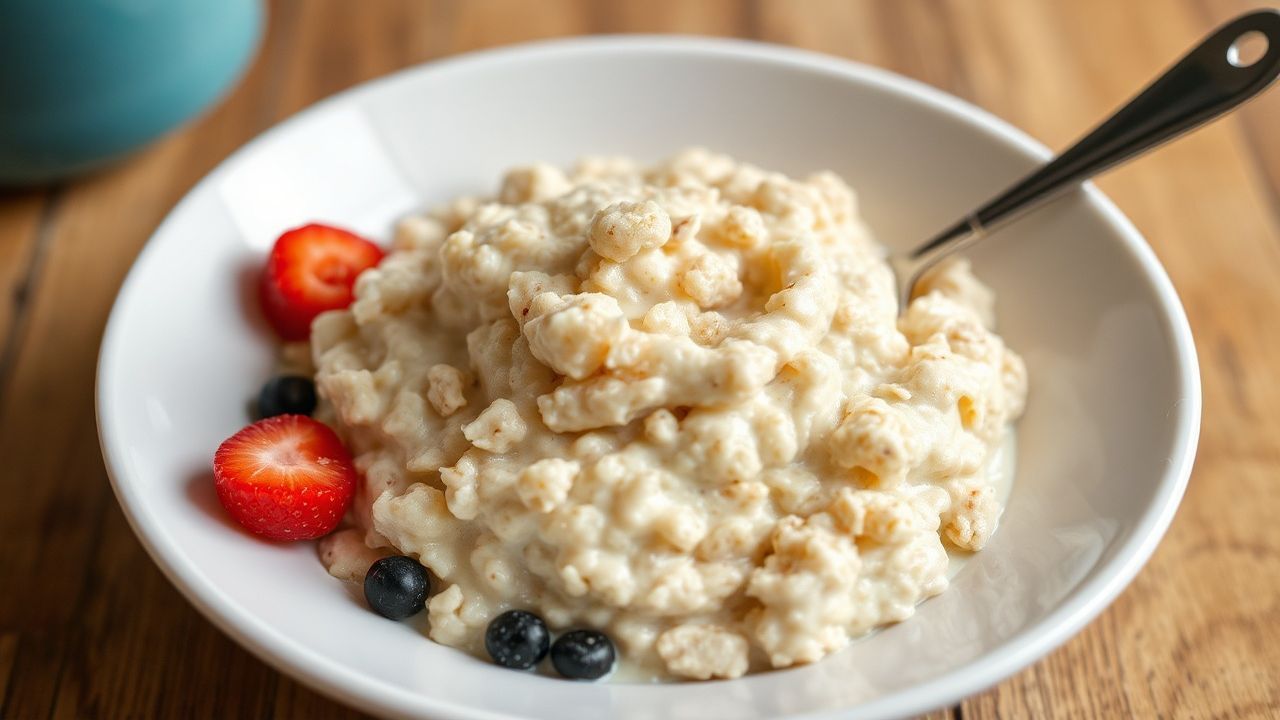
Finish controlled oats with contrasting textures: crunchy nuts, fresh fruit, or a dollop of yogurt. These toppings add mouthfeel without increasing the risk of boilover during cooking.
For savory versions, stir in soft cheeses or sautéed greens after removing from heat. Gentle folding preserves the texture you achieved while preventing additional foam build-up.
Prep and Cook Time
Prep takes just a few minutes; active cooking varies by oat type. Plan 15–20 minutes for rolled oats and 25–40 minutes for steel-cut oats when cooking low and slow.
Allow a brief rest after cooking to let residual heat finish the texture. Resting also reduces immediate agitation when you add toppings or mix-ins.
Yield and Difficulty
This recipe yields about two generous bowls per batch using the classic ratio. Adjust water-to-oat ratios for firmer or creamier results depending on preference.
Difficulty is easy to moderate: technique matters more than experience. Follow the order and heat-control steps and you will eliminate most boilover incidents.
Ingredients
Use quality oats and separate optional flavors until after cooking. For a creamy base, standard proportions provide consistent results.
- 1 cup rolled oats (old-fashioned)
- 2 ½ cups water or milk
- ¼ teaspoon salt
- 1 tablespoon butter or oil (optional)
- Toppings: fresh fruit, nuts, seeds, honey, cinnamon
Step-by-Step Instructions
Bring liquid to a gentle boil in a wide, heavy pot over medium heat. Add oats, then immediately reduce heat to low and place a wooden spoon across the rim.
Stir gently every 20–30 seconds until liquid absorbs and texture becomes creamy. Remove from heat, stir in butter or oil, rest for one minute, then serve with toppings.
Chef’s Notes and Troubleshooting
For batch cooking, refrigerate portions and reheat with a splash of milk to restore creaminess. When boilovers persist, lower heat earlier and increase stirring frequency during the first five minutes.
Infuse liquid with whole spices like a cinnamon stick for aroma without altering foam dynamics. If using a pressure cooker, follow model-specific guidance as sealed systems behave differently.
For cookware selection guidance, consult reputable resources before you buy. Choosing the right pot is a one-time step that pays off with many spill-free breakfasts.
Nutrition
Nutrition depends on your base liquid and mix-ins; the estimate here uses water and basic toppings. Adjust for milk, nuts, or sweeteners as needed.
| Metric | Amount |
|---|---|
| Calories | 220 kcal |
| Protein | 6 g |
| Carbohydrates | 38 g |
| Fat | 4 g |
Resources and Further Reading
For technical context on cereals and porridge traditions, use authoritative references that explain gelatinization and cooking technique. Wikipedia entries offer concise, vetted overviews.
Relevant references include pages on cookware, porridge, and boiling. These links help when selecting pots or adjusting technique.
Explore related internal content for more recipes and equipment reviews: oatmeal recipes and cookware guide. These pages provide practical, domain-specific follow-ups to improve results.
FAQ
Why does oatmeal often boil over so fast?
Oatmeal forms a gelatinized surface film that traps steam and creates foam. When heat is high or pot headspace is small, that foam expands quickly and forces liquid over the rim.
What is the simplest trick to prevent boiling over?
Place a wooden spoon across the pot rim to break rising bubbles and reduce surface tension. Combine this with immediate heat reduction once bubbling begins for the best effect.
Does the type of oats change the risk of boilover?
Yes. Instant oats foam faster because they release starch quickly, while steel-cut oats foam less but need longer cooking. Match heat and time to the oat type to minimize issues.
Can adding fat or salt help stop the foam?
A small amount of butter or oil lowers surface tension and can modestly reduce foam. Salt improves flavor but does not prevent boilover; control heat and stirring first.
Are there hands-off methods to avoid boilovers?
Yes. Low-temperature methods like a slow cooker or double boiler provide gentle, steady heat and limit foam formation. These work best when you need a less hands-on approach.
See also: oatmeal boilover