By using this site, you agree to the Privacy Policy and Terms of Use.
Accept
CookOrBitCookOrBitCookOrBit
  • Home
  • About Us
  • Ingredient Science
    • Flavor & Aroma
    • Protein Chemistry
    • Sugar & Starch
    • Fats & Emulsions
  • Cooking Techniques
    • Searing & Grilling
    • Baking & Roasting
    • Boiling & Steaming
    • Low & Slow
  • Kitchen Experiments
    • DIY Ferments
    • Flavor Tests
    • Gadget Testing
    • Molecular Gastronomy
  • Food Myths
    • Searing Myth
    • 5-Second Rule
    • MSG Myths
    • Microwave Myths
  • Tools
  • More
    • Extra Picks
    • Quick & Easy
      • Breakfast Ideas
      • Desserts
      • Snacks
      • Soups
    • Global Flavors
      • Asian Street Eats
      • Latin Comforts
      • Mexican Flavors
      • Modern Mediterranean
CookOrBitCookOrBit
  • Home
  • About Us
  • Ingredient Science
  • Cooking Techniques
  • Kitchen Experiments
  • Food Myths
  • Tools
  • More
Search
  • Home
  • About Us
  • Ingredient Science
    • Flavor & Aroma
    • Protein Chemistry
    • Sugar & Starch
    • Fats & Emulsions
  • Cooking Techniques
    • Searing & Grilling
    • Baking & Roasting
    • Boiling & Steaming
    • Low & Slow
  • Kitchen Experiments
    • DIY Ferments
    • Flavor Tests
    • Gadget Testing
    • Molecular Gastronomy
  • Food Myths
    • Searing Myth
    • 5-Second Rule
    • MSG Myths
    • Microwave Myths
  • Tools
  • More
    • Extra Picks
    • Quick & Easy
    • Global Flavors
Follow US
  • Advertising Policy: 10 Practical Rules for Safe, Compliant Ads
  • Contact Us
  • Cookie Policy: Clear Guide for Site Owners
  • Copyright Notice Guide: 7 Essential Rules for Website Owners
  • Disclaimer
  • Privacy Policy
  • Terms of Service
By Fimaw.com
- The Magic of Wild Fermentation: Nature's Taste Adventure
CookOrBit > Blog > Kitchen Experiments > DIY Ferments > 12 Wild Fermentation Secrets: Nature’s Flavor Revolution
DIY Ferments

12 Wild Fermentation Secrets: Nature’s Flavor Revolution

William J. Kroll
By William J. Kroll
Published: November 13, 2025
Share
SHARE

The Magic of Wild Fermentation invites you to rediscover how simple ingredients transform into complex, probiotic-rich foods through time-tested microbial action. This is hands-on food science: predictable technique guided by observation, not factories.

Contents
  • The Science Behind Wild Fermentation and Its Health Benefits
    • Microbial Players
    • Health Effects
  • A Practical Sauerkraut Recipe: How to Ferment Cabbage at Home
    • Prep and Cook Time
    • Yield and Difficulty
    • Ingredients
    • Instructions
  • Tips for Success
  • Common Pitfalls and Pro-Cautions
  • Serving Suggestions and Pairings
  • Quality, Safety, and Further Reading
  • FAQ
    • What exactly is wild fermentation?
    • Is wild fermentation safe at home?
    • How long should I ferment sauerkraut?
    • Can I ferment other vegetables the same way?
    • How do I store fermented foods?
  • Wild microbes craft distinct flavors: location and season matter.
  • Lacto-fermentation preserves and enriches: enzymes and probiotics form naturally.
  • Simple rules keep fermentation safe: salt ratio, submersion, and clean tools.

The Science Behind Wild Fermentation and Its Health Benefits

Wild fermentation relies on indigenous microorganisms—bacteria and yeasts—naturally present on produce and in the environment. These microbes break down sugars into acids, alcohols, and gases, creating the flavor, texture, and preservation we seek.

For a concise overview of the biochemical process, see fermentation on Wikipedia. That entry frames why low-oxygen, salted environments favor desirable lactic acid bacteria over spoilage organisms.

- Advertisement -

Microbial Players

Most vegetable ferments depend on lactic acid bacteria. These organisms produce lactic acid that lowers pH and preserves the food. They include genera such as Lactobacillus and Leuconostoc.

Learn more about these organisms at the Lactic acid bacteria page. Understanding which microbes dominate helps you diagnose a ferment that’s progressing well versus one that needs attention.

Health Effects

Fermented foods can increase bioavailability of nutrients and introduce live microbes that support the gut ecosystem. Many people notice improved digestion and greater flavor complexity from fermented condiments.

- Advertisement -

For context on beneficial organisms used in food, review probiotic science summaries. Use these findings to make informed choices about portion size and diversity of fermented foods in the diet.

A Practical Sauerkraut Recipe: How to Ferment Cabbage at Home

This sauerkraut recipe demonstrates wild fermentation principles you can apply to other vegetables and blends. It emphasizes salt, pressure, and cleanliness rather than exotic starters.

Follow these steps and observe your jar daily. Taste often after day three to select the acidity and texture you prefer.

- Advertisement -

Prep and Cook Time

Preparation: 15 minutes active. Fermentation: 5–14 days, depending on ambient temperature and personal taste.

Warmer kitchens speed fermentation. Cooler rooms slow it, yielding crisper kraut over a longer period.

Yield and Difficulty

Yield: about 1 quart. Difficulty: Easy to medium; suitable for beginners with attention to basic safety steps.

Keep a fermentation notebook: note salt ratios, temperature, and taste changes to refine future batches.

Ingredients

  • 1 medium organic cabbage (about 1.5 lbs), chopped or shredded
  • 1 tablespoon fine sea salt (non-iodized)
  • Filtered water to top up brine if needed (~1 cup)
  • Optional: 2 garlic cloves sliced, 1 tsp caraway seeds, 1 small grated carrot

Instructions

  1. Prepare: Rinse and thinly shred the cabbage. Combine cabbage and any optional flavorings in a large bowl.
  2. Salt and Massage: Sprinkle salt and massage for 8–10 minutes until juices release and the cabbage softens.
  3. Pack: Press the cabbage tightly into a clean glass jar to remove air pockets. Pour released juices over the cabbage.
  4. Add Brine if Needed: Top with filtered water so vegetables remain submerged; this reduces mold risk.
  5. Weight and Cover: Use a fermentation weight or a small jar inside the larger jar to keep solids below brine. Cover with a cloth or an airlock lid.
  6. Ferment: Store at 65–75°F out of direct sunlight. Taste after 3 days; move to refrigeration when flavor is right.

Tips for Success

Control salt precisely. Too little salt invites spoilage; too much stalls fermentation. For most cabbages, 1–2% salt by weight is typical.

Use filtered water free of chlorine and clean, non-reactive jars. Metal can leach; glass or food-grade plastic is preferable.

💡 Expert Insight
Expert Insight: Measure cabbage by weight to calculate salt percentage accurately. A kitchen scale plus a 1–2% salt target helps you reproduce results reliably.

Maintain submersion. A pressed headspace and an appropriate weight create an anaerobic environment that favors lactic acid bacteria and prevents mold formation.

[h3 style=”display:none”]Spacer[/h3]

Common Pitfalls and Pro-Cautions

White film (kahm yeast) can form on the surface. It is usually harmless but changes flavor; skim it away and ensure solids remain submerged.

Black, green, or fuzzy molds mean you should discard the batch. These organisms indicate oxygen exposure or poor hygiene and are not safe to consume.

⚠️ Pro-Caution
Pro-Caution: Never taste a ferment that smells putrid or has visible fuzzy mold. If in doubt, discard and start fresh. Maintain cleanliness and the correct salt ratio to reduce risk.

When you detect off-odors, review temperature and salt. Often, adjustments and improved hygiene prevent recurrence in subsequent batches.

Serving Suggestions and Pairings

Use sauerkraut as a condiment for grilled meats, roasted vegetables, and sandwiches. Its acidity cuts through fat and adds savory depth to simple dishes.

Try it with hearty grains and cheeses for balanced plates. Also experiment with seasonal herbs and fruits to layer flavors.

Explore more techniques and recipes in our comprehensive fermentation techniques guide. If you want recipe variations, see our sauerkraut recipes page for spicier or milder profiles.

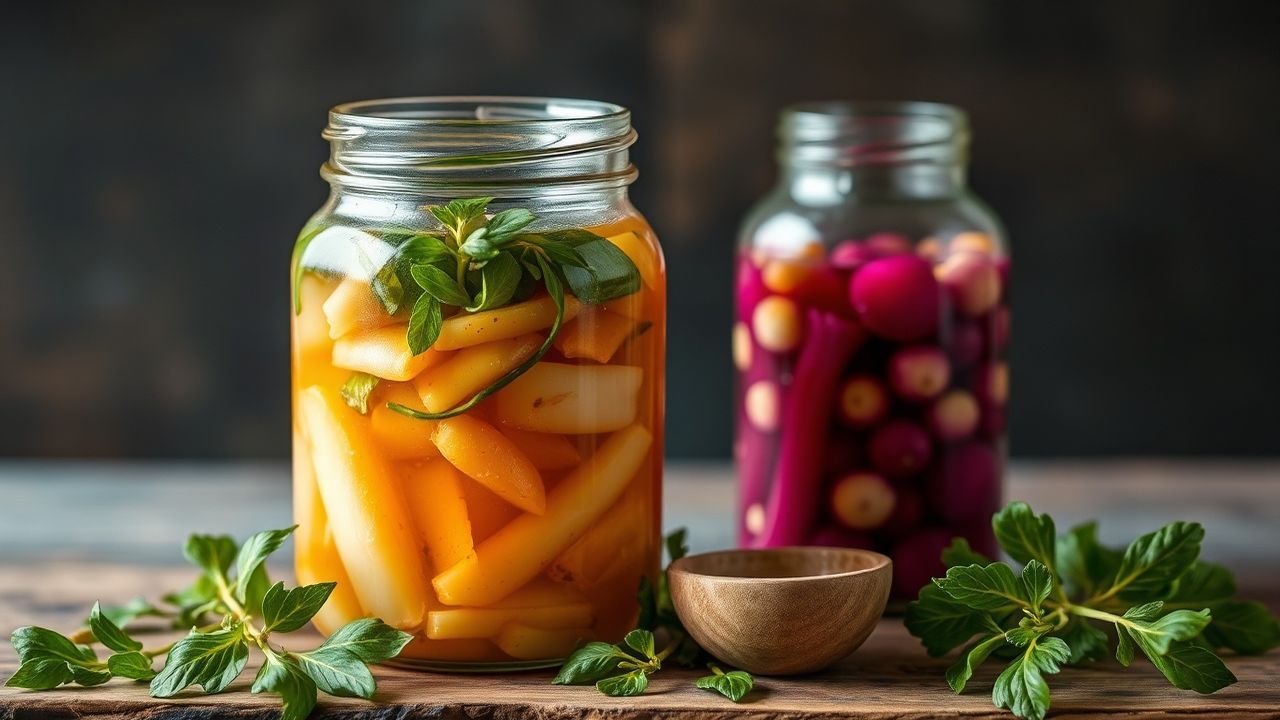
Fermentation in progress
Fermentation in progress, showcasing the natural transformation driven by wild microbes.

Quality, Safety, and Further Reading

Fermentation is empirical; you must observe smell, texture, and acidity. Trust bright, tangy aromas and pleasant savory notes as signs of a successful ferment.

Read authoritative summaries and foundational biology at reputable sources such as sauerkraut and sourdough pages to compare processes across fermented foods.

Record batch conditions and tasting notes. Over time, you will calibrate fermentation time to temperature and personal taste.

FAQ

What exactly is wild fermentation?

Wild fermentation uses the natural microorganisms present on produce and in the environment to ferment food. It does not rely on added commercial starters; instead, it harnesses ambient microbes to produce acids and gases that preserve and flavor food.

Is wild fermentation safe at home?

Yes, when you follow simple controls: correct salt, submersion, clean tools, and appropriate temperatures. Observe each batch; bright, acidic aromas and the absence of fuzzy mold indicate safety.

How long should I ferment sauerkraut?

Fermentation time varies by temperature and taste. Most home batches develop a pleasant tang in 5–14 days. Cooler environments extend the process and often yield crisper kraut.

Can I ferment other vegetables the same way?

Yes. Carrots, cucumbers, beets, and many greens ferment with the same basic method. Adjust salt slightly and experiment with spices to match texture and flavor goals.

How do I store fermented foods?

Once the desired flavor is reached, seal the jar tightly and refrigerate to slow fermentation. Properly made ferments can keep for months in cool storage while continuing to evolve slowly.


Wild fermentation connects technique with local microbial ecology. With precise salt, clean tools, and patient tasting, you can reliably produce vibrant, nutritious ferments that reflect your kitchen and season.

Finished fermented cabbage

See also: wild fermentation

Bitter Bliss: 9 Ways Bitters Transform Flavor
7-Step Hearty Turkey Soup Recipe: Ultimate Cozy Comfort
7 Practical Family Techniques to Bring New Habits Home
Unlocking Heat Capacity: 7 Practical Strategies for Thermal Energy Storage
When Your Sponge Stinks: 7 Safe Fixes and Health Risks
TAGGED:andFermentation safetyfermented vegetablesGut healthLacto fermentationmagicprobiotic foodssauerkraut recipethewildWild fermentation
Share This Article
Facebook Pinterest Whatsapp Whatsapp LinkedIn Telegram Threads
What do you think?
Love0
Sad0
Happy0
Sleepy0
Angry0
Dead0
Wink0
Previous Article - The Sweet Science Behind Perfect Slow-Cooked Pears 7 Expert Secrets to Master Perfect Slow-Cooked Pears
Next Article - Myth Busted: Recipes Are Not Rigid Rules, But Guides 7 Practical Ways Recipes Free You: Myth Busted — Guides Not Rules
Creamy Garlic Chicken with melted Parmesan and fresh herbs on a rustic white plate
Garlic Chicken: 7 Ultimate Brilliant Recipes to Make the Best-Ever Creamy Garlic Chicken with Parmesan & Fresh Herbs
Extra Picks
Colorful bowls of Leftover Couscous transformed into salads, fritters, and stuffed peppers.
12 Amazing Practical Leftover Couscous Ideas: Brilliant Ways to Reuse and Remix
Uncategorized
Colorful jars of spice blends beside steaming couscous with herbs and lemon
7 Ultimate spice blends That Transform Your Couscous — Amazing Best Flavor Boosts
Uncategorized
Bowls of gluten-free couscous alternatives: quinoa, millet, cauliflower, and rice
10 Amazing couscous alternatives: Best Gluten-Free Swaps for Incredible Flavor
Uncategorized

Tags

and art baked baking science baking techniques Baking tips batch cooking beef behind browning techniques butternut squash caramelization cast iron skillet chemistry chicken comfort food Cooking science cooking technique Cooking techniques Cooking tips crafting creamy creamy soup crispy culinary science fish flavor flavor chemistry food food safety Food science for garlic golden Ground turkey hearty heat high-heat cooking high protein meals how instant read thermometer Lean protein magic Maillard reaction make ahead meals make ahead soup mastering meal prep Meal prep recipes meat thermometer microwave microwave cooking moisture control one pot meals Pan searing perfect perfectly Plant based protein Probe thermometer protein denaturation Quick dinners roasted roasted squash roasted tomato soup Roasted vegetables Roasting techniques savor savory science Searing technique Searing techniques secrets slow cooking squash steak steak cooking sweet temperature control the top turkey turkey soup turkey stew ultimate umami cooking umami flavor unlock unlocking unveiling vegetable velvety weeknight dinner Weeknight dinners weeknight meals what when why with your zesty
April 2026
M T W T F S S
 12345
6789101112
13141516171819
20212223242526
27282930  
« Mar    

You Might Also Like

Whip Up Nutella Powder: A Sweet DIY Delight at Home
Molecular Gastronomy

7 Simple Steps to Whip Up Nutella Powder at Home

William J. Kroll
William J. Kroll
January 17, 2026
The Sweet Science: Unlocking the Magic of Caramelization
Flavor Tests

Caramelization Secrets: 7 Expert Tips to Master the Sweet Science

William J. Kroll
William J. Kroll
February 15, 2026
شيف يقيس درجة حرارة لحم مشوي أثناء الراحة لضمان طهي مثالي
Protein Chemistry

Mastering Carryover Cooking: 9 Thermometer Tips for Perfection

William J. Kroll
William J. Kroll
September 2, 2025
- Unlocking Power: The Role of Large Surface Areas Explained
Extra Picks

Unlock Power: 7 Proven Ways Large Surface Areas Increase Efficiency

William J. Kroll
William J. Kroll
November 7, 2025
Flavor-Packed Roasted Veggie Quinoa Salad Recipe Unveiled
Extra Picks

7-Step Flavor-Packed Roasted Veggie Quinoa Salad — Bold, Easy, Nourishing

William J. Kroll
William J. Kroll
February 12, 2026
Chia Seed Pudding: A Nutritious Delight in Every Bite
Extra Picks

Chia Seed Pudding: 7 Proven Ways to Make It Creamy & Nutritious

William J. Kroll
William J. Kroll
December 21, 2025
Follow US
By Fimaw.com © All Rights Reserved.
  • Advertising Policy: 10 Practical Rules for Safe, Compliant Ads
  • Contact Us
  • Cookie Policy: Clear Guide for Site Owners
  • Copyright Notice Guide: 7 Essential Rules for Website Owners
  • Disclaimer
  • Privacy Policy
  • Terms of Service
Welcome Back!

Sign in to your account

Username or Email Address
Password

Lost your password?