
By using this site, you agree to the Privacy Policy and Terms of Use.
Accept
CookOrBitCookOrBitCookOrBit
  • Home
  • About Us
  • Ingredient Science
    • Flavor & Aroma
    • Protein Chemistry
    • Sugar & Starch
    • Fats & Emulsions
  • Cooking Techniques
    • Searing & Grilling
    • Baking & Roasting
    • Boiling & Steaming
    • Low & Slow
  • Kitchen Experiments
    • DIY Ferments
    • Flavor Tests
    • Gadget Testing
    • Molecular Gastronomy
  • Food Myths
    • Searing Myth
    • 5-Second Rule
    • MSG Myths
    • Microwave Myths
  • Tools
  • More
    • Extra Picks
    • Quick & Easy
      • Breakfast Ideas
      • Desserts
      • Snacks
      • Soups
    • Global Flavors
      • Asian Street Eats
      • Latin Comforts
      • Mexican Flavors
      • Modern Mediterranean
CookOrBitCookOrBit
  • Home
  • About Us
  • Ingredient Science
  • Cooking Techniques
  • Kitchen Experiments
  • Food Myths
  • Tools
  • More
Search
  • Home
  • About Us
  • Ingredient Science
    • Flavor & Aroma
    • Protein Chemistry
    • Sugar & Starch
    • Fats & Emulsions
  • Cooking Techniques
    • Searing & Grilling
    • Baking & Roasting
    • Boiling & Steaming
    • Low & Slow
  • Kitchen Experiments
    • DIY Ferments
    • Flavor Tests
    • Gadget Testing
    • Molecular Gastronomy
  • Food Myths
    • Searing Myth
    • 5-Second Rule
    • MSG Myths
    • Microwave Myths
  • Tools
  • More
    • Extra Picks
    • Quick & Easy
    • Global Flavors
Follow US
  • Advertising Policy: 10 Practical Rules for Safe, Compliant Ads
  • Contact Us
  • Cookie Policy: Clear Guide for Site Owners
  • Copyright Notice Guide: 7 Essential Rules for Website Owners
  • Disclaimer
  • Privacy Policy
  • Terms of Service
By Fimaw.com
- The Science Behind Crafting Perfect Microwave Oatmeal
CookOrBit > Blog > Food Myths > Microwave Myths > 7 Proven Steps to Perfect Microwave Oatmeal: Science-Backed Guide
Microwave Myths

7 Proven Steps to Perfect Microwave Oatmeal: Science-Backed Guide

William J. Kroll
By William J. Kroll
Published: November 16, 2025
Share
SHARE

Introduction

Microwave oatmeal delivers a fast, nourishing breakfast when you understand the underlying science. Small adjustments to water ratio, power, and stirring produce a reliably creamy bowl.

Contents
  • Introduction
  • Prep and Cook Time
  • Yield and Difficulty
  • Ingredients
  • Instructions
  • Scientific Principles Behind Texture
  • Practical Tips for Success
    • Adjusting for Microwave Power
    • Liquid Ratios and Ingredient Effects
  • Serving Suggestions
  • Nutrition and Portion Notes
  • Further Reading and Internal Guides
  • FAQ
    • Why does my oatmeal become gummy?
    • Should I use water or milk?
    • Can I cook steel-cut oats in the microwave?
    • How long should I let oatmeal sit after microwaving?
    • Where can I learn more about the science behind oats?
  • Short bursts + stirring prevent uneven cooking and gumminess.
  • Use 1.5–2x liquid for rolled oats to balance creaminess and body.
  • Rest 60 seconds to finish starch gelatinization and improve texture.

The goal of this guide is practical, science-based steps you can repeat in any kitchen. Expect clear ratios, power adjustments, and topping strategies that preserve texture and nutrition.

Prep and Cook Time

Preparation: 2 minutes. Gather a microwave-safe, wide bowl and your chosen liquid for accurate measuring.

- Advertisement -

Cooking: 3–5 minutes total in short bursts depending on wattage. Resting adds another minute for carryover cooking.

Yield and Difficulty

Serves 1 hearty portion. This method suits beginners and experienced cooks who want consistent results quickly.

Difficulty: Easy. The technique relies on timing and attention rather than complex ingredients or tools.

- Advertisement -

Ingredients

Use measured, simple ingredients for repeatable texture: rolled oats, water or milk, salt, and optional flavorings. Keep toppings separate until after cooking.

Typical base: ½ cup rolled oats and ¾–1 cup water or milk. Adjust by oat type; steel-cut oats need more time and liquid.

Instructions

Combine oats, liquid, and a pinch of salt in a large, microwave-safe bowl. A wider bowl reduces the chance of boil-over as the mixture expands under heat.

- Advertisement -

Microwave at medium-high (about 70–80% power) for 90–120 seconds. Pause, stir thoroughly, then microwave for another 30–90 seconds until most liquid is absorbed.

Stir vigorously after cooking for 20–30 seconds to promote a cohesive, creamy texture. Let the bowl rest uncovered for 60 seconds—residual heat completes starch gelatinization.

Finish with sweeteners and toppings. Add yogurt, nuts, or fruit after cooking to preserve texture and nutritional integrity.

Scientific Principles Behind Texture

Oatmeal texture depends on starch gelatinization and water absorption. As starch granules heat, they swell and leach amylose and amylopectin, thickening the matrix of the cooked oats.

These mechanisms are well studied in food science; for background on how starch behaves with heat and water, see starch gelatinization. Understanding this helps you control creaminess.

Microwave energy heats water molecules unevenly, which is why stirring and staged heating matter. For technical context on how microwaves interact with food, consult the microwave oven entry.

The base grain also influences outcomes. Learn more about oats and their variations at the oatmeal page and the Avena sativa entry for the botanical perspective.

Practical Tips for Success

Control power and time: Lower power with longer intervals prevents hotspots and boil-over. High-power bursts can overcook outer areas while leaving centers underdone.

Stir and rest: Stir midway and after cooking. Resting for one minute equalizes temperature and completes gelatinization.

Adjusting for Microwave Power

Know your oven’s wattage. A 1,000W microwave needs less time than a 700W unit. If your oven is high-wattage, cut times by 20–30% and use medium-high power settings to avoid spillage.

Test with small increments. Start with 90 seconds at medium-high, stir, then add 30-second bursts. Record successful timings for future reference.

Liquid Ratios and Ingredient Effects

Use 1.5–2.0 times the volume of liquid for rolled oats to reach a creamy consistency. Milk yields a richer mouthfeel than water; yogurt added after cooking increases perceived creaminess without overcooking.

Ingredients that absorb liquid—chia seeds, protein powders, or nut flours—require extra liquid or shorter cook times to avoid drying the bowl out.

💡 Expert Insight
Expert Insight: Measure once, tweak once. Keep a small notebook or smartphone note with successful time/power/ratio combos for your specific microwave and favorite oat type.

Flavor additions like cinnamon, vanilla, or a pinch of salt enhance perceived sweetness, allowing you to use less sugar overall. Add delicate toppings after cooking to maintain texture.

⚠️ Pro-Caution
Pro-Caution: Avoid using closed containers or small, narrow bowls. Pressure buildup or boil-over can cause burns and oven messes. Always use a wide, microwave-safe bowl and handle with oven mitts.

Serving Suggestions

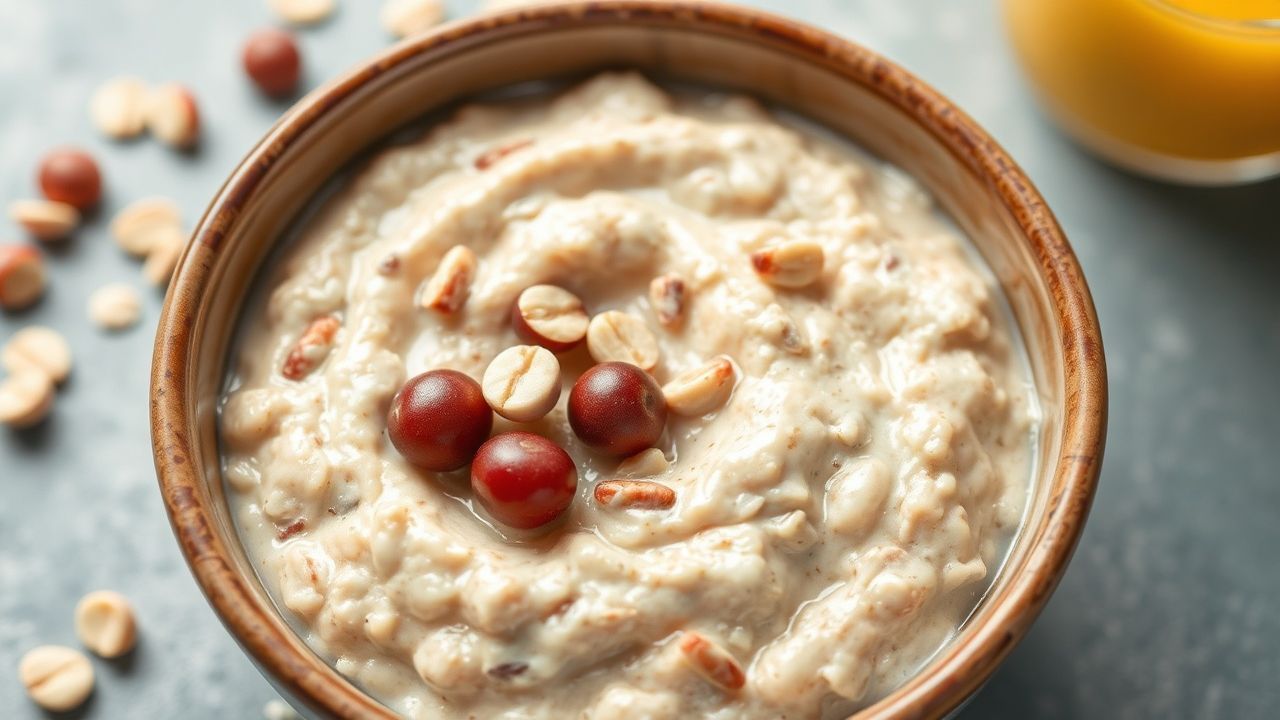
Serve oatmeal hot in a wide bowl to show off texture and make stirring easy. Layer toppings—fresh fruit, toasted nuts, or a spoonful of yogurt—after cooking to preserve contrast.

For visual and textural interest, add crunchy elements last. A drizzle of nut butter or seeded granola provides fat and satiety while keeping the cooked oats silky.

Nutrition and Portion Notes

A standard serving (½ cup dry rolled oats) provides complex carbohydrates, fiber, and plant-based protein. A typical prepared bowl with milk and toppings ranges from 250–350 kcal depending on additions.

To increase protein, fold in Greek yogurt or a scoop of protein powder after cooking. For heart-healthy fats, top with walnuts or ground flaxseed just before serving.

Further Reading and Internal Guides

For deeper technique and ratios, consult our internal guide on water ratios: Perfect Microwave Oatmeal Ratio Guide. That page offers tested charts for common microwave wattages.

Explore recipe variations and make-ahead options in our collection: Oatmeal Recipes and Mixes. These combine texture strategies with flavor templates for weekday breakfasts.

FAQ

Why does my oatmeal become gummy?

Gumminess results from rapid gelatinization where outer starches overcook and inner granules remain underdone. This creates uneven viscosity and chew.

Prevent it by lowering power, stirring midway, and using staged cooking bursts with a final rest to finish gelatinization evenly.

Should I use water or milk?

Use water for a lighter bowl, milk for richness. Milk increases fat and protein, which changes heat transfer slightly and yields a silkier mouthfeel.

Adjust liquid volume slightly downward with full-fat milk because it adds bulk and viscosity compared with water.

Can I cook steel-cut oats in the microwave?

Steel-cut oats require longer time and more liquid due to their intact kernel structure. Microwaving steel-cut oats works but needs extended low-power cooking and careful stirring.

For convenience, favor rolled oats or quick oats for microwave preparation. Reserve steel-cut oats for stovetop or slow-cooker methods if you prefer them.

How long should I let oatmeal sit after microwaving?

A 60-second rest lets residual heat finish gelatinization and improves texture without significant cooling. This simple pause often turns a so-so bowl into a creamy one.

If you add cold toppings like yogurt, you may rest slightly less to keep the bowl warm while still allowing internal equilibration.

Where can I learn more about the science behind oats?

Reliable, general overviews are available on reputable resources like Wikipedia. Start with the oatmeal article and the starch gelatinization page for technical background.

For microwave-specific details, the microwave oven entry outlines energy-transfer principles that explain common cooking phenomena.

The techniques above let you convert food science into predictable, repeatable microwave results. With measured ratios, staged heating, and a brief rest, you can make creamy, non-gummy oatmeal every time.

See also: Microwave oatmeal

Smash Burger Science: 7 Proven Steps for Maximum Flavor
7 Pro Tips for Creamy Garlic Shrimp Pasta: Fast, Restaurant-Style
7 Proven Chemistry Tips for Perfect Slow‑Baked Potato Gratin
Unlock Bold Flavors: 7 Reasons to Sear Meat Before Stewing
Microwave Explosion: 7 Reasons Your Food Exploded and How to Stop It
TAGGED:andbehindCreamy oatmealFood sciencemicrowave cookingMicrowave oatmealOatmeal recipeRolled oatssciencestarch gelatinizationthewater
Share This Article
Facebook Pinterest Whatsapp Whatsapp LinkedIn Telegram Threads
What do you think?
Love0
Sad0
Happy0
Sleepy0
Angry0
Dead0
Wink0
Previous Article - Unlocking Heat Capacity: The Secret of Energy Storage Unlocking Heat Capacity: 7 Practical Strategies for Thermal Energy Storage
Next Article - Unveiling the Zesty Secrets: Flavor Compounds in Citrus Peel 7 Zesty Secrets: Flavor Compounds in Citrus Peel
Creamy Garlic Chicken with melted Parmesan and fresh herbs on a rustic white plate
Garlic Chicken: 7 Ultimate Brilliant Recipes to Make the Best-Ever Creamy Garlic Chicken with Parmesan & Fresh Herbs
Extra Picks
Colorful bowls of Leftover Couscous transformed into salads, fritters, and stuffed peppers.
12 Amazing Practical Leftover Couscous Ideas: Brilliant Ways to Reuse and Remix
Uncategorized
Colorful jars of spice blends beside steaming couscous with herbs and lemon
7 Ultimate spice blends That Transform Your Couscous — Amazing Best Flavor Boosts
Uncategorized
Bowls of gluten-free couscous alternatives: quinoa, millet, cauliflower, and rice
10 Amazing couscous alternatives: Best Gluten-Free Swaps for Incredible Flavor
Uncategorized

Tags

and art baked baking science baking techniques Baking tips batch cooking beef behind butternut squash caramelization cast iron skillet chemistry chicken comfort food Cooking science cooking technique Cooking techniques Cooking tips crafting creamy creamy soup crispy culinary science fish flavor flavor chemistry food food safety Food science for garlic golden Ground turkey hearty heat high-heat cooking high protein meals how instant read thermometer lactic acid bacteria Lean protein magic Maillard reaction make ahead meals make ahead soup mastering meal prep Meal prep recipes meat thermometer microwave microwave cooking moisture control one pot meals Pan searing perfect perfectly Plant based protein Probe thermometer protein denaturation Quick dinners roasted roasted squash roasted tomato soup Roasted vegetables Roasting techniques savor savory science Searing technique Searing techniques secrets slow cooking squash steak steak cooking sweet temperature control the top turkey turkey soup turkey stew ultimate umami cooking umami flavor unlock unlocking unveiling vegetable velvety weeknight dinner Weeknight dinners weeknight meals what when why with your zesty
March 2026
M T W T F S S
 1
2345678
9101112131415
16171819202122
23242526272829
3031  
« Feb    

You Might Also Like

لوح بروتين مقطع يكشف التركيبة العلمية والقيمة الغذائية
Protein Chemistry

7 Science-Backed Insights: Unlocking the Protein Bar

William J. Kroll
William J. Kroll
August 31, 2025
Mastering the Magic: The Science Behind Reverse Searing Steak
Searing & Grilling

Mastering Reverse Searing: 7 Expert Steps for Perfect Steak

William J. Kroll
William J. Kroll
December 19, 2025
- Unlocking Flavor: The Role of MSG in French Onion Dip Mix
MSG Myths

7 Proven Ways MSG Unlocks Flavor in French Onion Dip Mix

William J. Kroll
William J. Kroll
November 13, 2025
Velvety Carrot Soup: A Creamy Comfort in Every Spoonful
Extra Picks

Velvety Carrot Soup: 7 Chef-Tested Secrets for Creamy Comfort

William J. Kroll
William J. Kroll
December 31, 2025
- Blooming Spices vs. Dry Adding: Unlocking Flavor Magic
Flavor & Aroma

Blooming Spices vs Dry Adding: 7 Flavor Techniques to Master

William J. Kroll
William J. Kroll
October 29, 2025
- Unlocking Flavor: Why Your Vegetarian Meal Feels Incomplete
MSG Myths

Unlocking Flavor: 10 Expert Ways to Make Vegetarian Meals Feel Complete

William J. Kroll
William J. Kroll
November 7, 2025
Follow US
By Fimaw.com © All Rights Reserved.
  • Advertising Policy: 10 Practical Rules for Safe, Compliant Ads
  • Contact Us
  • Cookie Policy: Clear Guide for Site Owners
  • Copyright Notice Guide: 7 Essential Rules for Website Owners
  • Disclaimer
  • Privacy Policy
  • Terms of Service
Welcome Back!

Sign in to your account

Username or Email Address
Password

Lost your password?