
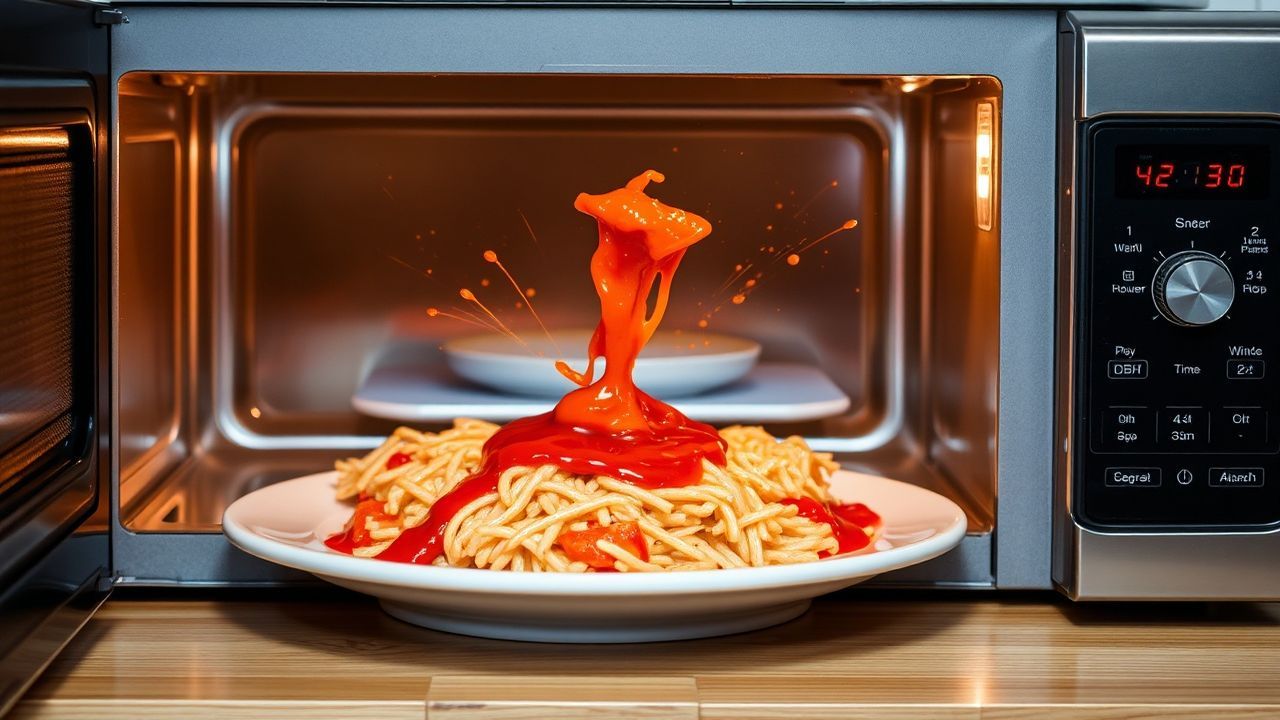

microwave explosions happen more often than users realize, and they follow predictable physical rules. This guide explains why they occur and gives clear, practical steps to prevent messy or dangerous eruptions.
- Trapped steam and pressure cause most sudden releases.
- Uneven heating creates hotspots that trigger bursts.
- Sealed skins and containers turn food into pressure vessels.
- Simple venting and short cycles prevent most incidents.
How a Microwave Heats Food
Microwave ovens transfer electromagnetic energy into polar molecules, mainly water, inside the food. That molecular excitation raises temperature rapidly and converts liquid water into steam.
This process depends on dielectric heating, which concentrates energy where moisture is present and where geometry concentrates fields. For technical context, see microwave oven.
Why Foods Explode
Most kitchen blasts labeled as microwave explosions come from pressure buildup inside an enclosed pocket. When trapped steam reaches a critical pressure, the weakest layer ruptures and ejects contents.
Pressure, material strength, and the rate of steam generation determine whether venting is gradual or explosive. For a primer on pressure dynamics, see pressure.
Steam and Rapid Phase Change
Rapid local boiling creates steam bubbles that expand faster than surrounding layers can relax. Superheated spots can form when liquid exceeds its boiling point under local conditions and then flashes to steam.
When that phase change occurs inside a sealed pocket, it drives the mechanical rupture you see in microwave explosions. For basic chemistry of water and phase change, consult water.
Hotspots, Structure, and Trapped Moisture
Food is heterogeneous: pockets of moisture, fat, or dense tissue heat unevenly and produce hotspots. Structural barriers like skins, membranes, or tightly sealed packaging act as lids that trap rising steam.
Those trapped pockets convert a benign heating cycle into a pressure vessel that can fail catastrophically under load. Identifying likely hotspot regions helps you target venting and stirring.
Common Culprits and Why They Fail
Whole eggs, sealed jars, dense tubers, and wrapped leftovers rank high for causing microwave explosions. Each item either traps steam or concentrates energy into a small volume that overheats.
Grapes and other small, high-moisture items can also behave unpredictably under microwaves and produce sparks or plasma in extreme cases. Avoid experimenting with items that reliably generate dangerous conditions.
Simple Mechanical Fixes: Venting and Piercing
Piercing a potato, loosening a lid, or cutting slits in plastic wrap converts a sealed volume into a controlled venting system. That small change allows steam to escape gradually and lowers peak pressure dramatically.
Use a fork or a sharp tool to create several vents in thick skins and leave lids slightly ajar on containers. If you want a dedicated how-to, consult the internal microwave safety guide for step-by-step checks before heating.
When you vent intentionally, monitor the heating process in short bursts and use lower power settings. Those habits prevent steam from accumulating faster than it can escape.
Safety Techniques to Prevent Microwave Explosions
Control steam generation by using lower power levels and short intervals, then stir or rest between cycles. These steps equalize temperatures and release trapped steam slowly.
Choose microwave-safe containers with vents or leave a small opening. Avoid fully sealed jars or plastic wrap pressed tight; confirm containers are labeled microwave-safe and avoid metal.
If you smell burning or see smoke, stop the microwave immediately and unplug if safe. Allow pressurized containers to cool briefly before opening to reduce scald risk.
Microwaving a Potato: Quick, Safe Method
Potatoes often appear in reports of microwave explosions because their skin traps steam and they develop dense cores. Piercing the skin and using medium power prevents the common pressure failure mode.
Ingredients: 1 medium potato, cleaned and pierced several times; 1 tbsp olive oil; salt and optional toppings. Choose medium-sized tubers for uniform cooking and avoid very large ones that form dense cores. For botanical and storage context, see potato.
Instructions: Pierce thoroughly with a fork to create steam vents and rub with oil. Cook on high for 3 minutes, check firmness, then continue in 1-minute bursts until tender; rest 1–2 minutes before opening to let steam redistribute.
For more recipe adaptations and timing, see our internal microwave potato method and adjust power for your appliance wattage. Use a probe thermometer if you want precise doneness without overcooking.
Practical Tests and Troubleshooting
Run short test bursts when you face an unfamiliar item and monitor for swelling or steam vents. Use a thermometer or thermal probe where safe to detect hidden hotspots.
If a container balloons, stop heating and let it cool; then open away from your face while shielding with a towel. Regularly clean the microwave interior so residue cannot ignite and create a secondary hazard.
What to Do After an Explosion
Unplug the microwave and allow it to cool before cleaning. Remove large debris with a paper towel, then wash interior surfaces with warm, soapy water to remove grease and carbonized food.
Check seals and turntables for damage and test basic functions with water in a microwave-safe cup before reheating food. If you find cracks or persistent odors, have a qualified technician inspect the appliance.
FAQ
Why do potatoes sometimes explode in the microwave?
Potatoes have a dense core and intact skin that can trap steam during rapid heating. If you do not pierce the skin, internal steam pressure builds and then releases suddenly.
Piercing and resting allow steam to escape gradually, which prevents the burst. Use medium power and short bursts for large tubers.
Can I microwave an egg safely?
You can microwave beaten eggs or scrambled eggs in a vented container safely. Never microwave whole eggs in their shells because the shell traps steam and often bursts.
For whole eggs, crack them into a bowl and whisk, then heat in short intervals while stirring to avoid sudden pressure buildup. Use a microwave-safe vessel and cover with a vented lid.
Do certain containers increase explosion risk?
Airtight containers and tight plastic wrap trap steam and cause pressure spikes. Use vented lids or leave a small opening to allow steam to escape.
Also confirm containers are microwave-safe to avoid melting or chemical leaching during heating. Replace damaged containers and avoid makeshift lids that seal under heat.
What causes hotspots inside food?
Hotspots result from uneven moisture distribution and geometry that concentrates microwave energy in specific regions. Dense areas, fat pockets, or irregular shapes absorb energy differently and overheat compared to surrounding material.
Stirring between cycles and using lower power for longer intervals reduces hotspots and yields more even heating. Rotating plates or using a turntable also evens exposure.
How should I clean up after a microwave explosion?
Unplug the microwave and let it cool before opening doors. Remove loose debris with a paper towel and wash surfaces with warm soapy water to remove oil and burned particles.
Regular cleaning prevents odors and reduces the chance that spilled food will burn in later cycles. Inspect seals and vents after cleaning to ensure safe future operation.
Understanding the mechanics of steam, pressure, and food structure gives you actionable tools to prevent microwave explosions. Apply piercing, venting, stirring, and paced heating to turn a risky cycle into a predictable, safe one.
See also: microwave explosions