

Whipping Siphon Science: Experimenting with Charge Levels
The whipping siphon transforms liquids into stable foams and smooth mousses by dissolving gas under pressure. Mastering charge levels lets you control density, mouthfeel, and hold time for every application.
- Prep and Cook Time
- Yield and Difficulty
- Ingredients
- Instructions
- Charge Levels and Texture Science
- Common Charge Strategies
- Serving Suggestions
- Troubleshooting and Safety
- FAQ
- How many cartridges should I use for a 500 ml base?
- Can I use N2O with non-dairy bases?
- Why does my foam collapse quickly?
- Is it safe to heat a charged siphon?
- What documentation should I keep during experimentation?
- Concluding Remarks
- At a glance: Small charge changes alter foam density dramatically.
- Baseline rule: Start with one 8g cartridge per 500 ml and adjust.
- Safety: Never exceed manufacturer recommendations and inspect seals.
- Texture tip: Viscosity and fat content determine how much gas a base will accept.
Prep and Cook Time
Plan a short window: most simple siphon preparations take under 20 minutes. This includes blending, chilling, charging, and a brief rest to stabilize the foam.
For gelatin or stabilized recipes allow extra time to bloom and cool gelatin properly. That prevents grainy textures and improves hold when you dispense the foam.
Yield and Difficulty
A standard 500 ml batch yields about four servings of foam or mousse, depending on the aeration level you target. Yield varies with base density and amount of dissolved gas.
Difficulty rates as medium: you must understand pressure effects and ingredient behavior. With a few experiments you will develop repeatable results.
Ingredients
Basic, reliable components include heavy cream, fruit purée, stabilizers like gelatin or agar, and nitrous oxide cartridges. Keep the base smooth and strain solids before charging to avoid clogging the nozzle.
Adjust fat and sugar to tune mouthfeel and bubble stability. Higher fat improves foam richness; thickeners help thin liquids hold structure under pressure.
Instructions
Prepare the base and chill both the mixture and the siphon. Cold temperatures increase gas solubility and produce finer, more consistent bubbles.
Fill the siphon to the manufacturer’s fill line, attach the cartridge, shake firmly, and allow the mixture to rest in the fridge for at least 10 minutes. Dispense by holding the siphon upside down and pressing the lever in controlled bursts.
Stepwise dosing
Start with a single 8g cartridge for a 500 ml base to create a soft, pillowy foam. If you need firmer structure, add a second cartridge and test again.
Log each trial: record cartridge count, base temperature, and observed texture. That simple data set accelerates learning and prevents repeated mistakes.
Charge Levels and Texture Science
Nitrous oxide dissolves in fats and water, forming bubbles when released; this is the basic mechanism behind siphon foams. For a concise reference on the gas, see nitrous oxide.
Foam behavior depends on bubble size distribution and film strength. The general physical concept of bubbles and films is summarized in the Foam article.
Viscosity and interfacial tension affect how much gas a mixture will accept. For applied context in cuisine, the field of molecular gastronomy links technique to ingredient science and practical outcomes.
Emulsions and stabilizers alter foam stability; learn how emulsions work via emulsion. Each addition changes gas solubility and bubble persistence.
Common Charge Strategies
Use one cartridge for delicate, rapidly melting foams that emphasize flavor release. These work well as finishing elements on warm dishes where you want immediate melt.
Use two cartridges for denser mousses and plated elements that must hold shape for service. Combine gelatin or agar for longer hold when plating ahead of service.
[h2]Chef’s Notes: Tips for Success[/h2]
Temperature control is non-negotiable: keep both base and siphon cold. That improves gas absorption and produces a finer, creamier texture.
Fat balance dictates richness: higher fat yields fuller mouthfeel and more stable bubbles at moderate charges. Record how small fat adjustments change your result.
Rotate nozzle sizes and dispense pressure when working with varied consistencies. A smaller nozzle can refine the visual appearance and control deposition on plated dishes.
Serving Suggestions
Use light foams to crown hot desserts or soups where rapid melting adds contrast. Denser mousses suit layered desserts and composed plates that travel to service.
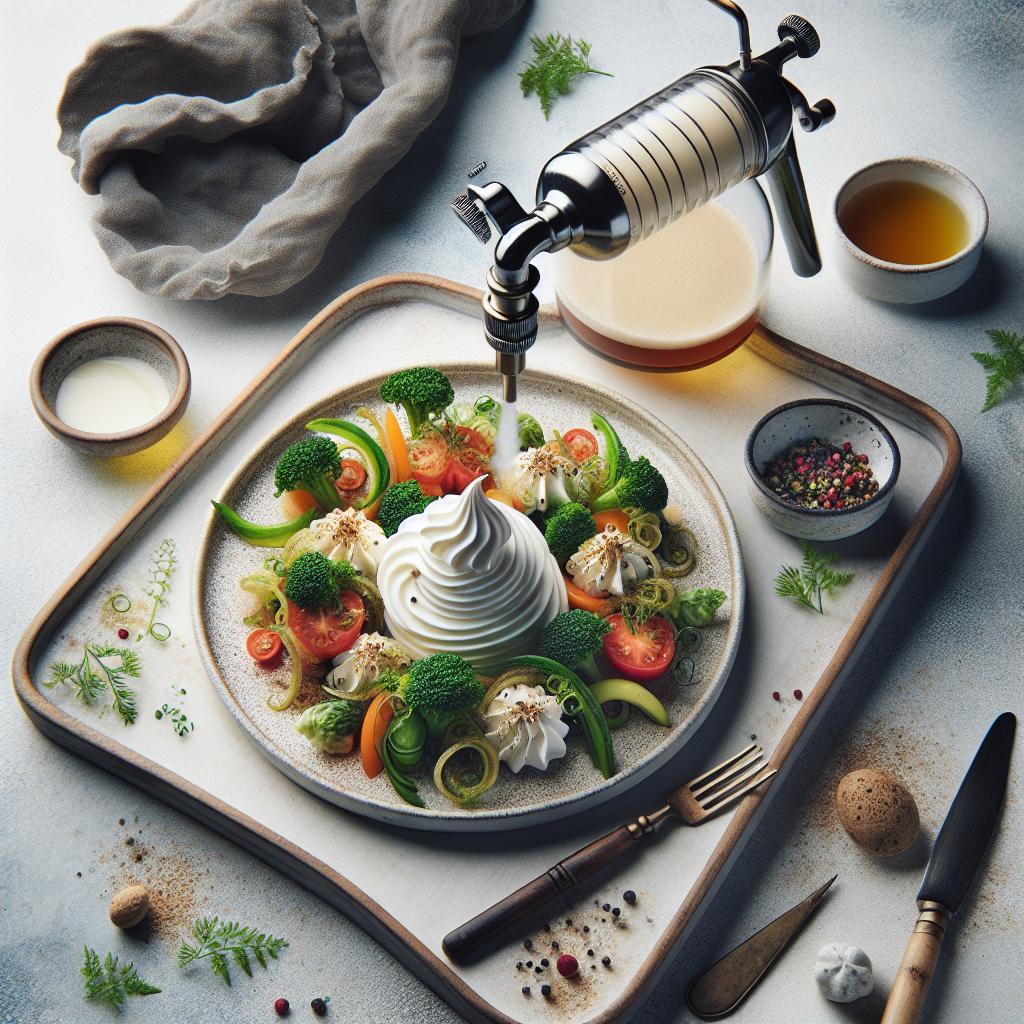
Finish savory dishes with herb-infused foams for aromatic lift. For visual appeal, dispense with a steady hand and choose neutral vessels to highlight the foam texture.
Troubleshooting and Safety
If your foam is watery, check temperature and fat content first; chilled, fattier bases hold gas better. If texture turns grainy, you may have overcharged or used a stabilizer incorrectly.
Always follow manufacturer guidelines and limit cartridges per the siphon’s rating. For internal procedures, link back to your control resources: see our guide on molecular techniques and siphon safety guidelines for inspection checklists.
FAQ
How many cartridges should I use for a 500 ml base?
Start with one 8g cartridge for a 500 ml base as a baseline. Adjust in small steps and record the results to develop a reliable recipe.
Can I use N2O with non-dairy bases?
Yes. Non-dairy fats and thickeners respond to N2O differently than dairy. Increase viscosity with xanthan or soy proteins to improve stability in lean bases.
Why does my foam collapse quickly?
Rapid collapse usually stems from low viscosity or insufficient fat. Chilling the base, adding a stabilizer, or increasing the dissolved gas slightly will improve hold.
Is it safe to heat a charged siphon?
No. Heating a pressurized siphon risks catastrophic failure. Always release pressure and cool the unit before any thermal exposure.
What documentation should I keep during experimentation?
Maintain a simple log: base volume, fat percentage, cartridge count, temperature, and observation notes. Over time the log becomes a recipe library for consistent results.
Concluding Remarks
Charge-level control converts the siphon from a gadget into a precision tool. By experimenting methodically you build reproducible textures that support your culinary intent.
Keep records, prioritize safety, and treat each trial as data. With systematic testing you will move from chance outcomes to controlled, repeatable textures that enhance both taste and presentation.
For a quick refresher on the physical principles that govern foams and bubbles, consult the linked Wikipedia resources above and return to your log after each trial.
See also: whipping siphon