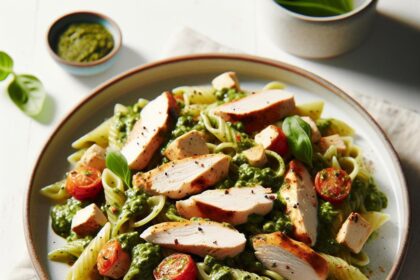



Bitterness often receives a bad reputation, yet it provides structure, contrast, and interest when handled precisely. As a chef with years of practice, I treat bitter ingredients as tools, not problems—we shape them with sweet, acid, fat, and salt to produce balanced dishes.
- Balance is additive: combine small amounts of sweet, acid, fat, and salt to tame bitterness.
- Texture matters: contrast soft bitter leaves with crunchy elements for greater appeal.
- Cook intentionally: heat and caramelization change bitter compounds into pleasant notes.
- Test and adjust: taste often and change one variable at a time.
Prep and Cook Time
Time management affects bitterness. Quick, high-heat techniques preserve bright bitterness; gentle, longer cooking softens it into depth. Choose your timing to match the role bitterness will play in the plate.
Prep: 20 minutes | Cook: 35 minutes | Total: 55 minutes
Yield
This recipe is written to serve four people as a side dish. The volume suits family meals and provides leftovers that actually improve with resting.
If scaling up, adjust the acid and sweeteners in small increments; they scale non-linearly compared to bulk ingredients.
Difficulty Level
Medium. The techniques are straightforward, but the judgment calls on seasoning require tasting and small adjustments. This is a great recipe to practice sensory calibration.
With basic knife skills and timing control, cooks of intermediate ability will reproduce consistent results. I recommend one trial before serving to guests.
Ingredients
Choose fresh, firm leaves and ripe fruit. For example, radicchio delivers tight, bitter flavors when raw and becomes complex when cooked.
Quality matters: use a good olive oil and a balanced vinegar for predictable acidity. For background on bitter taste and perception, see bitterness and taste (sensation).
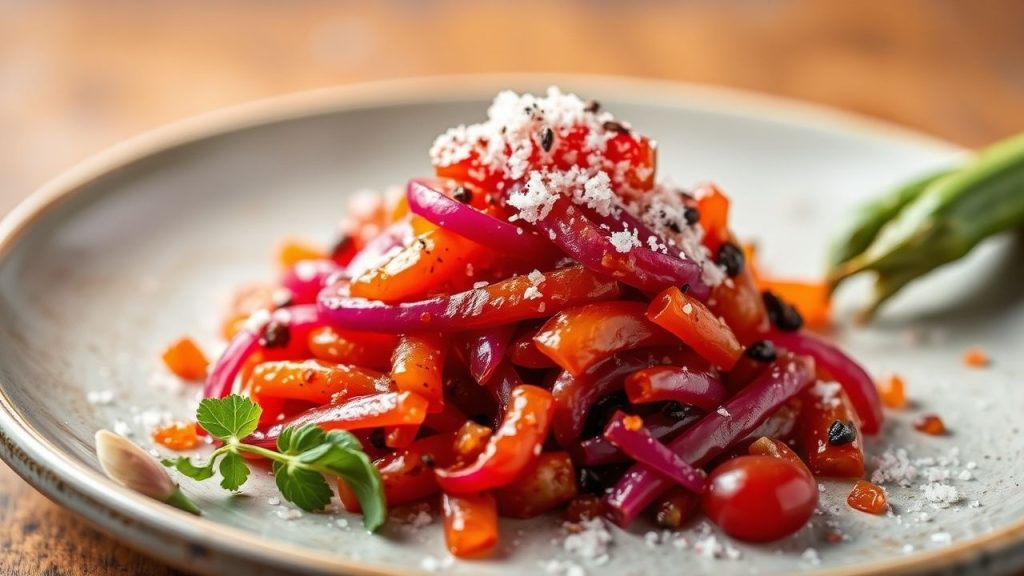
- 1 medium radicchio, chopped (bitterness base)
- 2 tablespoons olive oil
- 1 small red onion, thinly sliced
- 2 cloves garlic, minced
- 1 large apple, peeled and diced (sweetness enhancer)
- 1 tablespoon balsamic vinegar (acidity booster)
- 1 teaspoon honey
- 1/2 teaspoon fresh thyme leaves (herb complement)
- 1/4 teaspoon ground cumin (spice complement)
- Salt and freshly ground black pepper, to taste
- 2 tablespoons toasted walnuts, chopped (textural contrast)
- Fresh parsley for garnish
Instructions
Follow the sequence closely: extract sweetness, layer bitterness, then finish with acid and fat. Small timing changes alter the outcome significantly, so keep techniques consistent.
Taste between steps and adjust. Use the listed order to coax the best interplay between sugar, acid, and tannin-driven bitterness.
- Heat olive oil in a large skillet over medium heat. Add the red onion and sauté until soft and translucent, about 5 minutes. This draws out sugars that will counterpoint the radicchio.
- Add garlic and sauté for 30 seconds until fragrant, being careful not to burn it. Burnt garlic introduces acrid notes that clash with delicate bitter flavors.
- Stir in the radicchio and toss to coat with oil, onion, and garlic. Cook until just wilted but still vibrant, about 4 minutes. Keep stirring intermittently to ensure even heat and prevent charring.
- Add diced apple, balsamic vinegar, honey, thyme, and cumin. The apple’s sugars and honey moderate bitterness while vinegar adds brightness. For more on vinegar types, consider how aged varieties affect sweetness and acidity.
- Simmer the mixture on low for 10-12 minutes, allowing flavors to meld and bitterness to soften into a layered profile. Low heat promotes gentle breakdown of bitter compounds without losing texture.
- Season with salt and black pepper. Salt enhances perceived sweetness and reduces the sharpness of bitter compounds. Adjust gradually and taste after each addition.
- Remove from heat and transfer to a serving dish. Sprinkle toasted walnuts for crunch and fresh parsley for a clean herb counterpoint. Nuts provide a welcome textural contrast to tender greens.
- Serve warm or at room temperature, letting the nuanced bitterness reveal itself gradually across bites. Leftovers may develop more cohesion as acids integrate with sugars.
Chef’s Notes: Tips for Success
Patience matters: cook radicchio until tender but not limp to keep bitterness poised rather than aggressive. Overcooking destroys desirable texture and can flatten the flavor profile.
Swaps work well: honey can be replaced by maple syrup, and a splash of aged balsamic will read sweeter than a quick vinegar. Be deliberate with substitutes and taste as you go.
Substitutions & Flavor Layering
When substituting, match the functional role: if replacing acid, maintain similar pH and aromatic profile; if replacing sweet, match viscosity and caramel notes. This preserves the balance between elements.
Layer herbs and spices selectively. A small pinch of smoked paprika or toasted coriander can add complexity without obscuring bitterness. Use spices sparingly to avoid masking primary flavors.
Serving Suggestions
Pair the dish with proteins that supply fat and umami to complement bitterness. It works well alongside roasted chicken or grilled fish where the savory elements counterbalance the greens.
Serve as a topping for toasted sourdough or alongside grains for a composed plate. For additional serving ideas and technique notes, see our internal guide at how to balance flavors in cooking and try a composed plate recipe at radicchio salad variations.
For color and contrast, add thin ribbons of carrot or scatter toasted seeds. Visual contrast encourages tasting and helps diners accept more assertive flavors.
Nutrition
Radicchio and apple provide fiber and micronutrients while the oil and walnuts supply healthy fats. This side is moderate in calories and delivers a balanced nutritional profile for a vegetable accompaniment.
Adjust portion size and added sweeteners to meet dietary needs. For example, swap honey for a lower-glycemic sweetener if required.
| Nutrition | Per Serving |
|---|---|
| Calories | 150 kcal |
| Protein | 3 g |
| Carbohydrates | 18 g |
| Fat | 8 g |
Practical Applications
Use these techniques across bitter ingredients: leafy greens, coffee-forward sauces, bitter herbs, and certain roots. The same balancing framework—sweet, acid, fat, salt—applies consistently.
Experiment with one variable at a time. For instance, add acid in 1/4-teaspoon increments while tasting to avoid overshooting the brightening effect.
FAQ
Why do some dishes taste bitter, and is bitterness always a flaw?
Bitterness comes from compounds such as flavonoids and tannins found in many plants. It is not inherently a flaw; used judiciously, it adds contrast and sophistication to dishes.
Proper balance ensures bitterness complements other tastes rather than dominating them. When managed, bitterness enhances memorability and structure.
What is the first step to mastering bitterness in cooking?
Understand the ingredient’s raw and cooked profiles by tasting at each stage. That direct sensory feedback guides how much sweetener, acid, or fat you need to add.
Create a small test batch when trying new bitter components; this reduces waste and speeds learning.
How can sweetness help tame bitterness?
Sweetness counteracts perceived bitterness by altering taste receptor balance and providing contrast. Natural sugars from fruit, honey, or caramelization work well.
Add sweet elements incrementally and prefer complex sweeteners that also carry flavor, such as maple syrup or aged balsamic.
Are acids effective in balancing bitterness?
Yes. Acid brightens and lifts bitter flavors, renewing the palate between bites. Lemon, vinegar, or tart fruit are effective options.
Apply acids at the end of cooking when possible so their volatile aromatics remain vibrant and assertive.
Can bitterness be used as a central theme in dishes?
Certain recipes celebrate bitterness as a leading note—classic examples include bitter aperitifs and regional vegetable preparations. When bitterness is the theme, build supporting elements to showcase it.
Balance becomes about accompaniment rather than suppression: pair bitter mains with bright, fatty, and textural contrasts to keep the plate engaging.
For more technical context on vinegars and aging, consult balsamic vinegar and for natural sweeteners refer to honey. These resources help you choose components that behave predictably under heat.
See also: bitterness