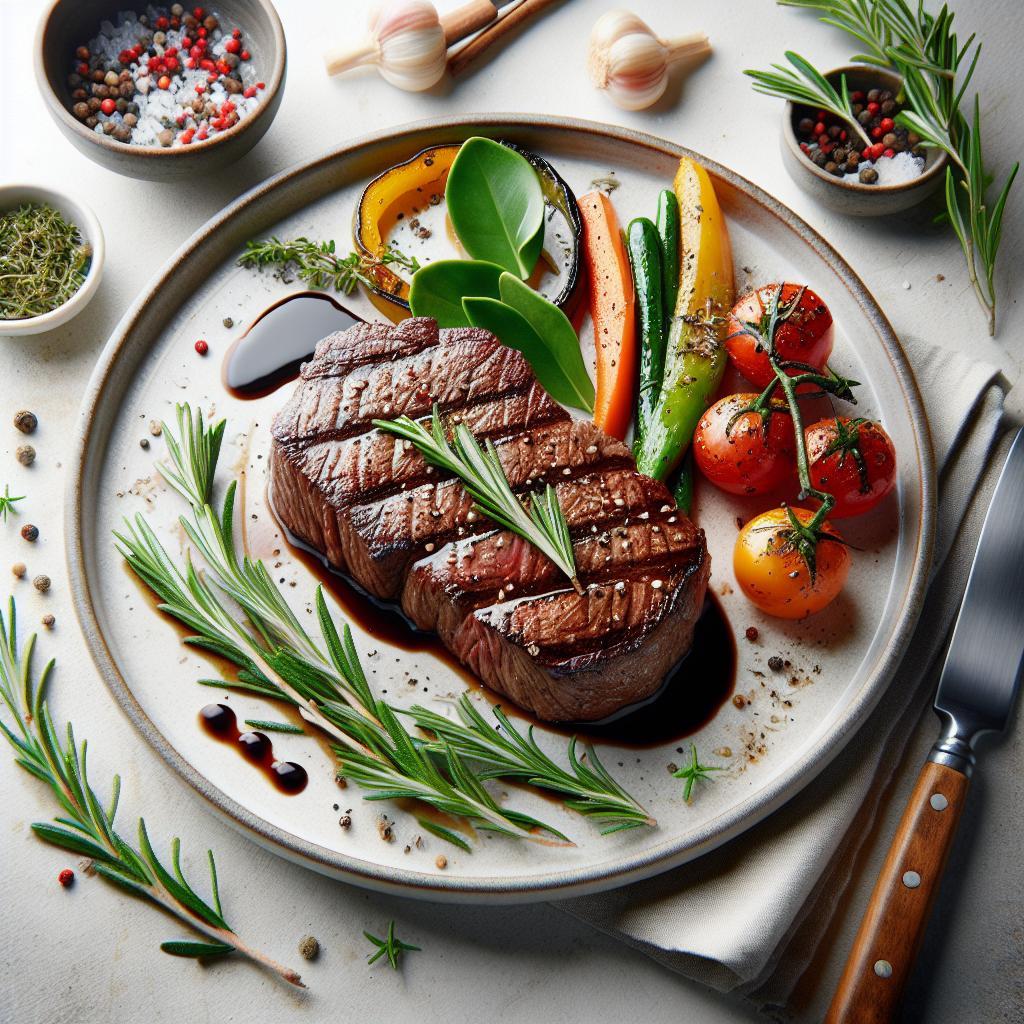

Mastering the Magic: The Science Behind Reverse Searing Steak explains the heat control and biochemical reactions that create an even pink interior and deeply caramelized crust. This method pairs a low, controlled cook with a final high-heat sear to maximize juiciness and flavor while minimizing overcooking.
- At a Glance: Key Takeaways
- Prep and Cook Time
- Yield
- Difficulty Level
- Ingredients
- Essential Tools and Reference Links
- Instructions
- Step-by-Step Checklist
- Tips for Success
- Serving Suggestions
- Nutrition
- Related Reading
- FAQ
- What is reverse searing and how does it differ from traditional methods?
- Which internal temperatures should I target for different doneness levels?
- Can I use sous-vide or smokers in a reverse sear workflow?
- Why does the Maillard reaction matter for reverse searing?
- What tools improve consistency for reverse searing?
- Insights and Conclusions
- Even doneness edge-to-edge: gentle heat prevents a thick gray band around the steak.
- Better crust with less moisture loss: sear after reaching target temperature to lock juices in place.
- Tools matter: probe thermometers and heavy pans improve repeatability.
At a Glance: Key Takeaways
Reverse searing uses a low-temperature oven or indirect grill to bring steaks to near-final temperature, followed by a short, hot sear. The technique emphasizes control and timing to produce consistent results.
Use a probe thermometer, choose thick cuts, and let steaks rest after searing. Mastering these elements yields a reliable medium-rare every time.
Prep and Cook Time
Preparation: 15 minutes of active prep plus 30 minutes to bring meat closer to room temperature. This step shortens the slow-cook time and promotes even heat transfer.
Cooking: 30–45 minutes low-and-slow plus 3–4 minutes of high-heat searing and 10 minutes resting. Total time normally ranges from 1 hour to 1 hour 15 minutes depending on thickness and oven efficiency.
Yield
This recipe yields 2 generous portions or 3 modest servings, depending on appetite and side dishes. Thick steaks slice into satisfying portions that hold heat well during plating.
Serving size will vary with cut and trimming; factor bone-in cuts as heavier per portion when planning quantities.
Difficulty Level
Medium: technique requires temperature control but follows repeatable rules that scale from home kitchens to professional settings. Experience improves timing but novice cooks can achieve reliable results with a thermometer.
Precision tools reduce guesswork. A digital probe or instant-read thermometer and a heavy searing pan make the difference between inconsistent and repeatable outcomes.
Ingredients
2 beef ribeye steaks, 1.5 to 2 inches thick, trimmed but with fat cap intact. Thick cuts retain moisture and develop a better crust than thin steaks.
Seasoning & finishing: kosher salt, freshly ground black pepper, garlic powder, neutral high smoke point oil, unsalted butter, fresh thyme, and smashed garlic. Keep seasoning simple to let the beef flavor shine.
Essential Tools and Reference Links
Use a reliable probe or instant-read thermometer for internal temperature feedback. A heavy cast-iron pan or other thick-bottomed skillet provides steady surface heat required for a fast Maillard reaction.
Further reading on the underlying science is useful: the Maillard reaction explains crust chemistry, and sous-vide is the precision cousin of reverse searing. See Maillard reaction, Steak, and Sous-vide for background.
Instructions
The workflow splits into two clear phases: a controlled low-temperature phase and a brief, intense sear. Consistency comes from repeating the same temperatures and timings until they suit your equipment and cut.
Follow the numbered steps below to reproduce reliable results every time. Keep sentences short and monitor temperature rather than time exclusively.
Low-and-Slow Phase (Oven or Indirect Heat)
Remove steaks from the refrigerator 30 minutes before cooking to reduce thermal shock and to let the center climb toward room temperature. Pat dry and season evenly with salt, pepper, and garlic powder to promote surface drying and even browning during the sear.
Preheat the oven to 225°F (107°C). Place steaks on a wire rack set over a baking sheet to allow air circulation. Insert a probe into the thickest part and roast until internal temperature reaches about 110–115°F for medium-rare carryover.
High-Heat Sear
Preheat a heavy skillet over high heat for several minutes until it is evenly smoking hot. Add a splash of high-smoke-point oil to coat the surface; this reduces sticking and supports fast crust formation.
Sear steaks for 1.5–2 minutes per side without moving them to develop an even, deeply browned crust. Add butter, thyme, and garlic in the last 30–60 seconds and baste continuously to finish flavor and surface sheen.
Step-by-Step Checklist
1) Room temp steak, dry surface, generous salt. 2) Slow roast to target minus 10–15°F. 3) Hot pan sear, butter baste, rest 10 minutes. These checkpoints minimize error.
Keep a log of times and temperatures for your oven and skillet; small variations change the final cook by minutes. Repeatable technique produces predictable results.
[having a separated practical tips block below]
Many cooks forget that temperature rise during resting is normal; plan removal accordingly. Use warm plates and avoid over-tenting, which can trap steam and soften the crust.
Tips for Success
Use a digital probe thermometer and track internal temperature rather than rely solely on time. Oven and pan performance vary, so temperature is the universal measure of doneness.
Choose thick steaks—ribeye, strip, or filet—from trusted suppliers. If you dry-age at home or buy dry-aged cuts, the flavor intensifies, and surface moisture reduces, improving searing performance. See our guide on dry-aging techniques for more on aging.
Trim fat wisely: a modest fat cap improves flavor and mouthfeel, but excessive hard fat can flare when searing. Render fat slowly by searing the edge against the pan for 20–30 seconds before searing faces.
Maintain a clean, very hot pan and minimal movement during the sear. A thin crust develops fastest when the meat is left undisturbed long enough for the Maillard reaction to progress.
When finishing with butter and aromatics, remove pan from direct heat briefly if butter smokes excessively; burnt butter will impart bitter notes. Time the butter baste to the last 60 seconds of searing.
Serving Suggestions
Straight from the cutting board, slice against the grain and serve while warm. Simple accompaniments—roasted garlic mashed potatoes, sautéed broccolini, or a red wine jus—pair well without masking beef flavor.
Finish with a sprinkle of flaky salt and a small pat of compound butter if desired. Keep sides warm so the steak remains the focal point of the plate.
Nutrition
Estimated nutrition for a typical ribeye reverse-seared portion: approx. 650 kcal, 55 g protein, 48 g fat, and minimal carbohydrates. Values vary by cut, trimming, and portion size.
For menu planning, calculate per-serving values with your exact steak weight and any finishing sauces or butters added at service time.
Related Reading
Deepen technique with targeted gear articles and method guides on our site. See our resources on choosing the right thermometer and sharpening searing technique for home cooks.
Quick references: Best steak thermometers and Choosing and seasoning cast-iron pans help you pick tools that raise consistency and results.
FAQ
What is reverse searing and how does it differ from traditional methods?
Reverse searing starts with slow, gentle cooking to raise internal temperature evenly, then applies a brief, intense sear to create the crust. Traditional sear-first methods can produce a larger gradient of doneness from edge to center.
The two-phase approach of reverse searing reduces the risk of overcooking the exterior while you wait for the center to reach the proper temperature.
Which internal temperatures should I target for different doneness levels?
Aim for probe temperatures slightly below your final target because steaks rise during rest. Typical finish targets: 120–125°F rare, 130–135°F medium-rare, 140–145°F medium, 150–155°F medium-well.
Remove steaks 5–10°F below these final numbers and rest 8–10 minutes to allow carryover cooking to complete the process.
Can I use sous-vide or smokers in a reverse sear workflow?
Yes. Sous-vide is effectively a precision low-and-slow that produces exact internal doneness before a quick sear. Smokers add a flavor layer during the slow phase and still require a hot sear to form a proper crust.
For technique comparisons, review the sous-vide overview and consider smoke intensity relative to the final crust you want.
Why does the Maillard reaction matter for reverse searing?
The Maillard reaction creates the complex flavor and brown crust that define a great sear. High surface temperature for a short time encourages that chemistry without dragging moisture from the interior.
Learn more about the reaction and its role in flavor formation at the Maillard reaction page.
What tools improve consistency for reverse searing?
Reliable equipment includes a digital probe thermometer, a heavy cast-iron or thick-bottomed skillet, and an oven or grill with predictable low-temperature performance. Heavy pans maintain heat during the sear, enabling fast crust development.
See background on cookware materials such as cast iron for heat retention properties: Cast iron.
For a practical pairing guide and aging tips, read our in-depth post on Dry Aging Steak for Maximum Flavor.

Insights and Conclusions
Mastery of reverse searing comes from disciplined temperature control and consistent technique. The method reduces guesswork and yields repeatable, restaurant-quality results.
Practice with the same cuts and tools until you understand how your oven and pan behave. When you control heat precisely, the science behind the cook converts into better flavor and texture every service.
See also: Reverse sear