
By using this site, you agree to the Privacy Policy and Terms of Use.
Accept
CookOrBitCookOrBitCookOrBit
  • Home
  • About Us
  • Ingredient Science
    • Flavor & Aroma
    • Protein Chemistry
    • Sugar & Starch
    • Fats & Emulsions
  • Cooking Techniques
    • Searing & Grilling
    • Baking & Roasting
    • Boiling & Steaming
    • Low & Slow
  • Kitchen Experiments
    • DIY Ferments
    • Flavor Tests
    • Gadget Testing
    • Molecular Gastronomy
  • Food Myths
    • Searing Myth
    • 5-Second Rule
    • MSG Myths
    • Microwave Myths
  • Tools
  • More
    • Extra Picks
    • Quick & Easy
      • Breakfast Ideas
      • Desserts
      • Snacks
      • Soups
    • Global Flavors
      • Asian Street Eats
      • Latin Comforts
      • Mexican Flavors
      • Modern Mediterranean
CookOrBitCookOrBit
  • Home
  • About Us
  • Ingredient Science
  • Cooking Techniques
  • Kitchen Experiments
  • Food Myths
  • Tools
  • More
Search
  • Home
  • About Us
  • Ingredient Science
    • Flavor & Aroma
    • Protein Chemistry
    • Sugar & Starch
    • Fats & Emulsions
  • Cooking Techniques
    • Searing & Grilling
    • Baking & Roasting
    • Boiling & Steaming
    • Low & Slow
  • Kitchen Experiments
    • DIY Ferments
    • Flavor Tests
    • Gadget Testing
    • Molecular Gastronomy
  • Food Myths
    • Searing Myth
    • 5-Second Rule
    • MSG Myths
    • Microwave Myths
  • Tools
  • More
    • Extra Picks
    • Quick & Easy
    • Global Flavors
Follow US
  • Advertising Policy: 10 Practical Rules for Safe, Compliant Ads
  • Contact Us
  • Cookie Policy: Clear Guide for Site Owners
  • Copyright Notice Guide: 7 Essential Rules for Website Owners
  • Disclaimer
  • Privacy Policy
  • Terms of Service
By Fimaw.com
From Pungent to Sweet: How Roasting Transforms Garlic’s Flavor
CookOrBit > Blog > Cooking Techniques > Baking & Roasting > 7 Proven Ways Roasting Transforms Garlic: From Pungent to Sweet
Baking & Roasting

7 Proven Ways Roasting Transforms Garlic: From Pungent to Sweet

William J. Kroll
By William J. Kroll
Published: December 19, 2025
Share
SHARE

Garlic changes dramatically when heat meets bulb. Raw cloves deliver a sharp, sulfur-forward bite; roasted cloves offer sweet, buttery depth that layers into dishes without harshness.

Contents
  • How roasting changes garlic
  • Science behind flavor
    • Allicin and sulfur compound breakdown
  • Recipe: Simple oven-roasted garlic
    • Prep and cook time
    • Ingredients
    • Instructions
  • Tips for success
  • Serving suggestions
  • Nutrition and storage
  • Practical uses and recipe links
  • FAQ
    • Why does raw garlic taste so sharp?
    • What exactly happens when garlic is roasted?
    • How long should I roast garlic for best results?
    • Can I substitute roasted garlic for raw garlic in recipes?
    • Is roasted garlic still healthy?
  • Roasting mellows sulfur compounds, turning bite into sweetness.
  • Maillard chemistry and caramelization create complex savory notes.
  • Simple technique yields creamy, spreadable garlic for many uses.
  • Safe storage extends utility but requires refrigeration.

How roasting changes garlic

Heat alters garlic on chemical and textural levels. Harsh sulfur molecules break down and convert, which reduces bite and brings forward sugars.

That shift explains why a raw clove tastes aggressive while a roasted clove tastes rich and rounded. For background on the plant and its compounds see garlic.

- Advertisement -

Science behind flavor

Two main processes create roasted garlic’s signature notes: the Maillard reaction and caramelization. Both require heat and produce new aromatic molecules that we perceive as sweet, nutty, and savory.

Understanding these reactions helps you control color and taste during roasting. Read more about the Maillard reaction and caramelization for the technical background.

Allicin and sulfur compound breakdown

Raw garlic produces allicin when cells rupture; allicin gives the sharp aroma and bite. Heat degrades allicin and related sulfur compounds, so the pungency softens.

- Advertisement -

Researchers and cooks often reference allicin chemistry to explain the difference between raw and roasted flavors. See the entry on allicin for more detail.

Recipe: Simple oven-roasted garlic

This method yields a single bulb of creamy roasted garlic. It requires minimal hands-on time and reliable oven heat.

Follow the steps below for consistent results and check at 40 minutes to avoid bitterness.

- Advertisement -

Prep and cook time

Preparation: 5 minutes. Cooking: 40–50 minutes. Total: ~50–55 minutes.

Yield: One whole bulb (about 8–10 small servings as a spread). Difficulty: Easy.

Ingredients

  • 1 large bulb fresh garlic, choose softneck or elephant garlic for milder results
  • 2 tablespoons extra virgin olive oil
  • 1/2 teaspoon sea salt
  • Freshly ground black pepper, to taste (optional)
  • Aluminum foil or parchment paper for wrapping

Instructions

  1. Preheat the oven to 400°F (200°C). This temperature promotes caramelization without rapid charring.
  2. Trim the top of the bulb—about 1/4 inch—to expose the cloves.
  3. Drizzle oil over the exposed cloves so each receives a light coating for even roasting.
  4. Season the surface with sea salt and a pinch of pepper if desired.
  5. Wrap tightly in foil or parchment to trap steam and promote soft, creamy texture.
  6. Roast on a baking sheet for 40–50 minutes. Test by piercing a clove; it should be deeply golden and tender.
  7. Cool slightly and squeeze the soft cloves from their skins. Use immediately or store as directed below.

Tips for success

Temperature and timing determine whether garlic roasts to sweet perfection or dries and burns. Start checking at 40 minutes and adjust time by bulb size.

Use olive oil to encourage even browning and to keep the cloves moist. If you prefer a subtler result, roast at 350°F for a longer time.

💡 Expert Insight
Expert Insight: For consistent color, select bulbs of similar size when roasting multiple heads. Place bulbs cut-side up so the exposed cloves brown evenly. Refrigerate excess roasted garlic within two hours to preserve quality.
  • Variety: Softneck gives balanced heat; elephant garlic produces milder, sweeter notes.
  • Wrap method: Foil traps moisture; parchment gives slightly drier edges if you prefer more texture.
  • Flavored roast: Tuck a sprig of thyme or rosemary under the foil for herbal aroma.

Serving suggestions

Roasted garlic excels as a spread on warm bread, a mix-in for mashed potatoes, or a depth builder for sauces and soups. It blends smoothly into oil or cream-based preparations.

Try mashing cloves into butter for compound butter, or stir into warm pasta with olive oil for a quick, aromatic dish. For recipe ideas see our internal guide to roasted garlic pasta.

Nutrition and storage

Roasted garlic delivers calories and micronutrients similar to raw garlic but with reduced heat-sensitive compounds. Roasting concentrates sugars while softening sharp volatiles.

Store cooled roasted garlic in an airtight container in the refrigerator for up to one week. Freeze small portions for longer storage and quick use.

⚠️ Pro-Caution
Pro-Caution: Do not store garlic submerged in oil at room temperature. Anaerobic conditions at warm temperatures can allow Clostridium botulinum growth. Always refrigerate garlic-in-oil and use within one week or freeze for long-term storage.
Nutrient Per 1 bulb
Calories 160 kcal
Protein 7 g
Carbohydrates 35 g
Fat 8 g

Practical uses and recipe links

Keep roasted garlic on hand to finish sauces, enrich soups, or lift roasted vegetables. A spoonful blends into vinaigrettes for a mellow garlic note.

For step-by-step recipes that layer roasted garlic into everyday meals, see our internal resource on garlic basics and techniques and the roasted garlic pasta guide linked above.

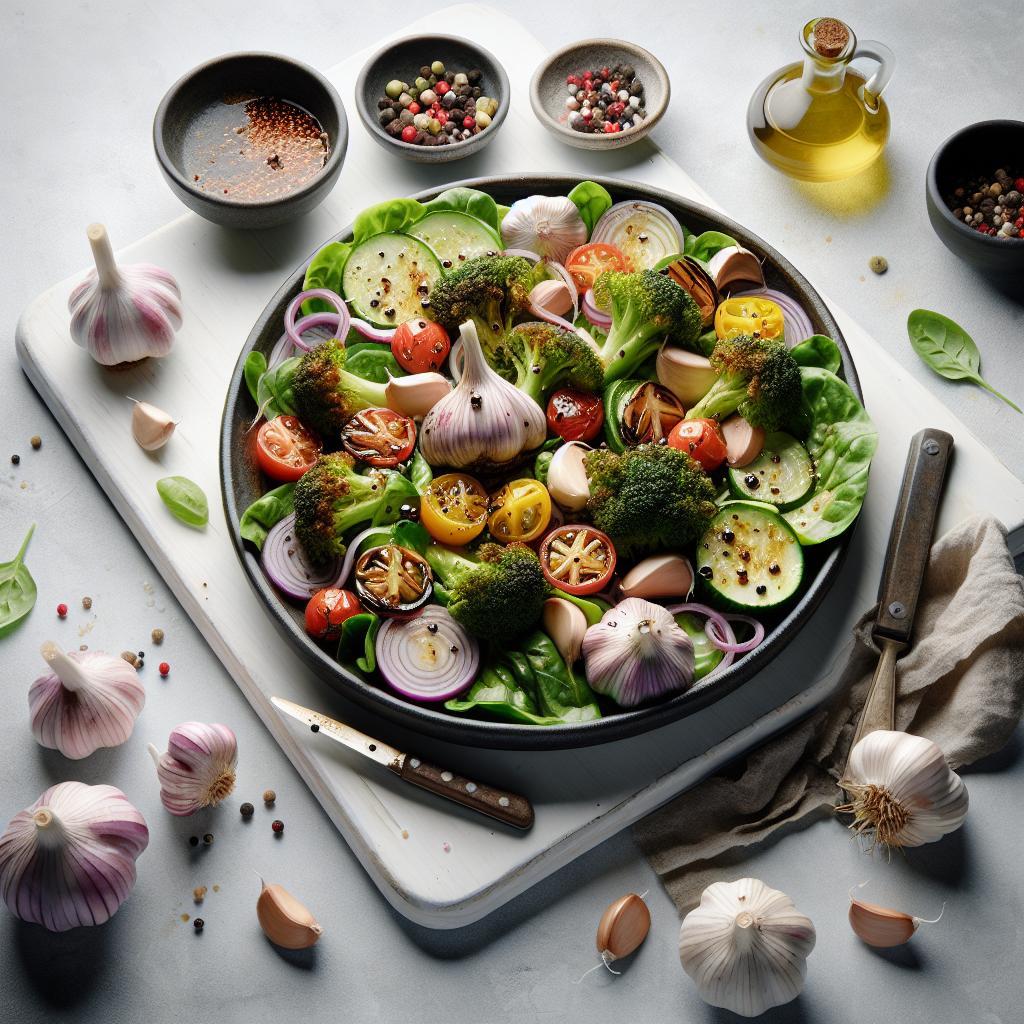
Roasted garlic bulb

FAQ

Why does raw garlic taste so sharp?

Raw garlic produces allicin when cells rupture. Allicin creates a sharp, pungent aroma and a strong taste that most people perceive as heat or bite.

Light cooking reduces allicin concentration, which tames the bite and brings out sweeter notes.

What exactly happens when garlic is roasted?

Roasting breaks down sulfurous compounds and triggers Maillard reactions and caramelization. These reactions create brown pigments and new flavor molecules that taste sweet and savory.

The texture shifts from firm to creamy, making roasted garlic easy to mash into spreads and sauces.

How long should I roast garlic for best results?

Roast whole bulbs at 400°F (200°C) for 40–50 minutes. Start checking at 40 minutes; the cloves should be golden and soft.

Smaller cloves or lower temperatures require longer time. Adjust based on bulb size and your oven’s performance.

Can I substitute roasted garlic for raw garlic in recipes?

Yes, but expect a different flavor profile. Roasted garlic adds sweetness and depth rather than sharp heat. Use it to mellow dishes or add umami-like richness.

For direct swaps, use about one roasted clove in place of one raw clove and adjust to taste.

Is roasted garlic still healthy?

Roasting reduces some heat-sensitive compounds like allicin, but garlic retains antioxidants and micronutrients. It remains a flavorful way to add beneficial compounds to meals.

Balance raw and roasted garlic in your diet to enjoy both medicinal and culinary benefits.

See also: Roasted garlic
Ultimate 7-Step Hearty Turkey Stew: Wholesome Comfort Meal
Cassoulet Revealed: 7 Time-Tested Techniques for Perfect Results
10 Crack-Free Cheesecake Secrets: Smooth, Silky, Perfect Every Time
Steaming Fat: 7 Proven Techniques for Flaky Pastry Perfection
Crack Perfect Boiled Eggs: 10 Science-Backed Steps
TAGGED:Allicin breakdownandcaramelizationfromgarlicgarlic chemistryGarlic recipesGarlic storagehowMaillard reactionoven roasted garlicpungentRoasted garlicthe
Share This Article
Facebook Pinterest Whatsapp Whatsapp LinkedIn Telegram Threads
What do you think?
Love0
Sad0
Happy0
Sleepy0
Angry0
Dead0
Wink0
Previous Article Mastering the Magic: The Science Behind Reverse Searing Steak Mastering Reverse Searing: 7 Expert Steps for Perfect Steak
Next Article Unlocking Rice: The Science Behind Perfect Grains Every Time Perfect Rice: 9 Expert Techniques for Flawless Grains
Colorful bowls of Leftover Couscous transformed into salads, fritters, and stuffed peppers.
12 Amazing Practical Leftover Couscous Ideas: Brilliant Ways to Reuse and Remix
Uncategorized
Colorful jars of spice blends beside steaming couscous with herbs and lemon
7 Ultimate spice blends That Transform Your Couscous — Amazing Best Flavor Boosts
Uncategorized
Bowls of gluten-free couscous alternatives: quinoa, millet, cauliflower, and rice
10 Amazing couscous alternatives: Best Gluten-Free Swaps for Incredible Flavor
Uncategorized
Colorful bowls of couscous dinners with roasted vegetables and fresh herbs, quick ten-minute meals
10 Amazing couscous dinners: The Ultimate Best Quick 10-Minute Recipes
Uncategorized

Tags

and art baked baking science baking techniques Baking tips batch cooking beef behind butternut squash caramelization cast iron skillet chemistry chicken comfort food Cooking science cooking technique Cooking techniques Cooking tips crafting creamy creamy soup crispy culinary science fish flavor flavor chemistry food food safety Food science for garlic golden Ground turkey hearty heat high-heat cooking high protein meals how instant read thermometer lactic acid bacteria Lean protein magic Maillard reaction make ahead meals make ahead soup mastering meal prep Meal prep recipes meat thermometer microwave microwave cooking moisture control one pot meals Pan searing perfect perfectly Plant based protein Probe thermometer protein denaturation Quick dinners roasted roasted squash roasted tomato soup Roasted vegetables Roasting techniques savor savory science Searing technique Searing techniques secrets slow cooking squash steak steak cooking sweet temperature control the top turkey turkey soup turkey stew ultimate umami cooking umami flavor unlock unlocking unveiling vegetable velvety weeknight dinner Weeknight dinners weeknight meals what when why with your zesty
March 2026
M T W T F S S
 1
2345678
9101112131415
16171819202122
23242526272829
3031  
« Feb    

You Might Also Like

- The Science Behind Crafting the Perfect Casserole Masterpiec
Baking & Roasting

10 Science-Backed Tips to Craft the Perfect Casserole Masterpiece

William J. Kroll
William J. Kroll
November 16, 2025
Sizzle & Savor: Perfect Turkey and Vegetable Stir Fry Guide
Extra Picks

Sizzle & Savor: 7 Pro Tips for Perfect Turkey Stir-Fry

William J. Kroll
William J. Kroll
January 27, 2026
- The Chemistry Behind Bread Browning: A Flavorful Reaction
Searing Myth

7 Scientific Secrets of Bread Browning: Flavor Chemistry Explained

William J. Kroll
William J. Kroll
November 10, 2025
- Cheese Chronicles: Unlocking the Secrets of Flavor Profiles
Flavor & Aroma

Cheese Profiles: 7 Expert Secrets to Master Flavor

William J. Kroll
William J. Kroll
September 29, 2025
Wholesome & Smooth: The Ultimate Creamy White Chicken Chili Guide
Extra Picks

7 Pro Techniques for White Chili

William J. Kroll
William J. Kroll
January 30, 2026
Grill Press Uncovered: The Secret to Perfectly Seared Meals
Searing & Grilling

Grill Press Mastery: 7 Proven Ways to Achieve Perfectly Seared Meals

William J. Kroll
William J. Kroll
February 12, 2026
Follow US
By Fimaw.com © All Rights Reserved.
  • Advertising Policy: 10 Practical Rules for Safe, Compliant Ads
  • Contact Us
  • Cookie Policy: Clear Guide for Site Owners
  • Copyright Notice Guide: 7 Essential Rules for Website Owners
  • Disclaimer
  • Privacy Policy
  • Terms of Service
Welcome Back!

Sign in to your account

Username or Email Address
Password

Lost your password?