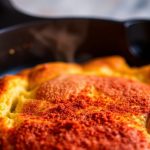


There is clear chemistry when flour meets cold fat and heat converts moisture to steam. The process commonly called steaming fat produces the pockets of lift that make pastries, biscuits, and tarts flaky and tender.
- Steam is the mechanical leavening: trapped moisture expands and separates dough layers.
- Cold, solid fat preserves layers: it must remain distinct through shaping and baking.
- Folding creates structure: lamination multiplies thin fat and dough sheets.
- Temperature control wins: chill between folds and bake hot for puff.
What steaming fat means in practical baking
Steaming fat refers to the way small, discrete pieces of fat melt and release water vapor during baking. That vapor inflates and separates adjacent dough sheets, yielding the classic flaky texture.
Professional bakers treat the technique as a controlled physical reaction. They use fats with predictable melting behavior to time the expansion and final structure.
Why steam separates layers and how to exploit it
When fat pieces remain solid until the oven’s heat, their internal water turns to steam and forces a split between dough layers. That split creates crisp outer sheets and tender inner laminations.
Manipulate three variables to maximize the effect: fat distribution, dough hydration, and oven temperature. Change any one and the final lift changes in predictable ways.
Science of steam, fat and gluten
Gluten forms a flexible matrix that can stretch as steam expands. If gluten is too tight, it resists separation and yields dense layers. If too weak, the dough breaks and collapses.
Balancing gluten strength means controlling mixing and adding acids like vinegar or lemon juice in small amounts to relax gluten release while keeping dough strong enough to trap steam.
Ingredients and equipment that matter
Choose a fat with the right melting profile. Unsalted butter gives superior flavor and a predictable water content. Lard and solid vegetable shortening melt at different temperatures and alter texture accordingly.
Use a bench scraper, rolling pin, and a chilled work surface. Maintain cold utensils and a refrigerator nearby to keep fat from softening while you fold and roll.
Step-by-step technique for reliable layering
Start by mixing flour and salt, then cutting cold fat into pea-sized pieces. Those discrete particles are the loci of steam and the building blocks of layers.
Bring the dough together with ice-cold water just until it holds. Overworking will develop gluten and reduce flakiness.
Incorporating the fat
Use a pastry cutter or grater to create even pieces of butter. The goal is controlled distribution rather than fully emulsifying fat into the flour.
Work quickly and return the bowl to the fridge if the butter warms. Small, colder pieces produce more distinct steam pockets when baked.
Lamination: folding to multiply sheets
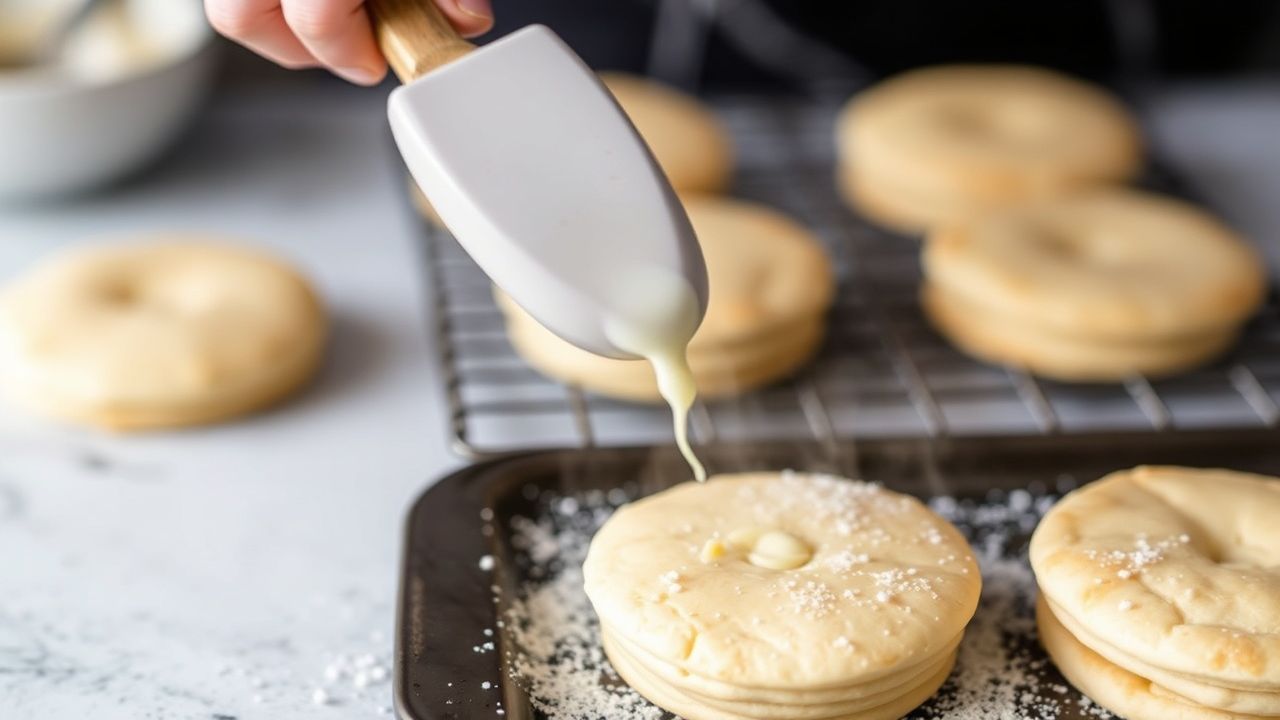
Roll into a rectangle, fold into thirds, rotate, and repeat. Each fold multiplies layers: three folds give dozens of alternating fat-and-dough planes.
Rest the dough 10–20 minutes between folds in the fridge. This keeps butter firm and prevents tearing while you roll.
Baking: convert moisture into puff
Preheat the oven to a high temperature—typically 400–425°F (200–220°C) for many pastries. The initial blast of heat converts water in the fat and dough into steam rapidly.
Place pastries on a preheated tray or baking stone to ensure an immediate transfer of heat and consistent rise from the bottom as well as the top.
Troubleshooting common faults
If pastries bake flat, the usual causes are warm fat, insufficient folds, or a slack gluten structure. Double-check chilling intervals and the size of your fat pieces.
If layers bake dense or gummy, you likely overhydrated or overworked the dough. Reduce mixing and increase rest times to let gluten relax.
Serving, storage, and make-ahead options
Serve pastries warm to highlight crisp layers and buttery aroma. A brief 3–5 minute reheat in a hot oven will refresh stored goods without sogginess.
Wrap dough tightly and freeze for up to two weeks. Thaw slowly in the refrigerator before final shaping; this preserves fat distribution and maintains layering performance.
| Nutrient | Per Serving |
|---|---|
| Calories | 220 kcal |
| Protein | 3 g |
| Carbohydrates | 15 g |
| Fat | 16 g |
Relevant references and further reading
Compare techniques across pastry styles. For classic laminated pastry background, consult resources on puff pastry and how repeated folds produce lift.
Review the composition and culinary use of common fats via the butter and shortening pages. For technique specifics, study laminated yeast doughs such as the croissant.
Want recipes and related technique articles? See our detailed guide on artisan pastry techniques and a focused primer at pie crust basics for single-crust building blocks.
FAQ
What is the ideal fat for maximum steam lift?
Unsalted butter offers the best balance of flavor and water content for steam. It performs consistently in laminated doughs and browns attractively during baking.
Lard and solid shortening also perform well for flaky texture but change flavor and mouthfeel. Test small batches when switching fats.
How cold should the fat and dough remain?
Keep fat just firm, not rock-hard. Fat too cold can fracture; too warm will smear into the flour. Aim for refrigerated temperature, around 35–45°F (2–7°C).
Chill tools and rest dough between folds. Quick work with frequent chilling yields the most reliable layers.
Can steaming fat be used in all pastries?
The principle applies broadly: any pastry that benefits from separate sheets can use the technique. Applications vary from puff pastry to biscuits and croissants.
Adjust the number of folds, fat type, and hydration to suit the target texture—more folds for dramatic lift, fewer for rustic flake.
Why do some pastries brown before they fully puff?
Fast surface browning indicates high sugar or butter on the exterior or an oven hotspot. Reduce top heat slightly or shield tops with foil after initial rise to allow internal puff to complete.
Use an oven thermometer and rotate trays to reduce uneven color and to encourage uniform steam expansion throughout the bake.
How do I store laminated dough and finished pastries?
Unbaked laminated dough freezes well for up to two weeks. Thaw in the refrigerator overnight to preserve layer integrity before rolling and baking.
Store baked pastries at room temperature in a loose tent to avoid trapping steam; crispness returns with a brief oven reheat the next day.
Mastering steaming fat refines your control over texture and taste. Keep experimenting with fat type, fold count, and oven heat to build repeatable, flaky results.
See also: Steaming fat