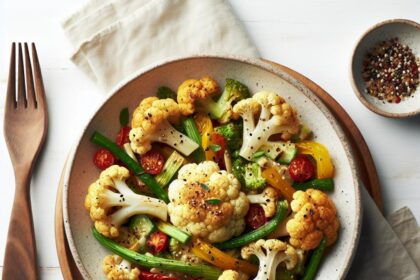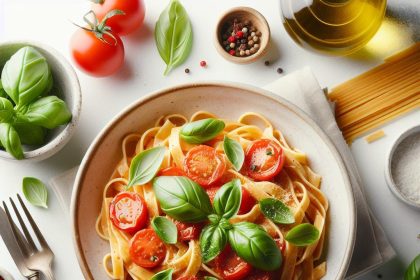

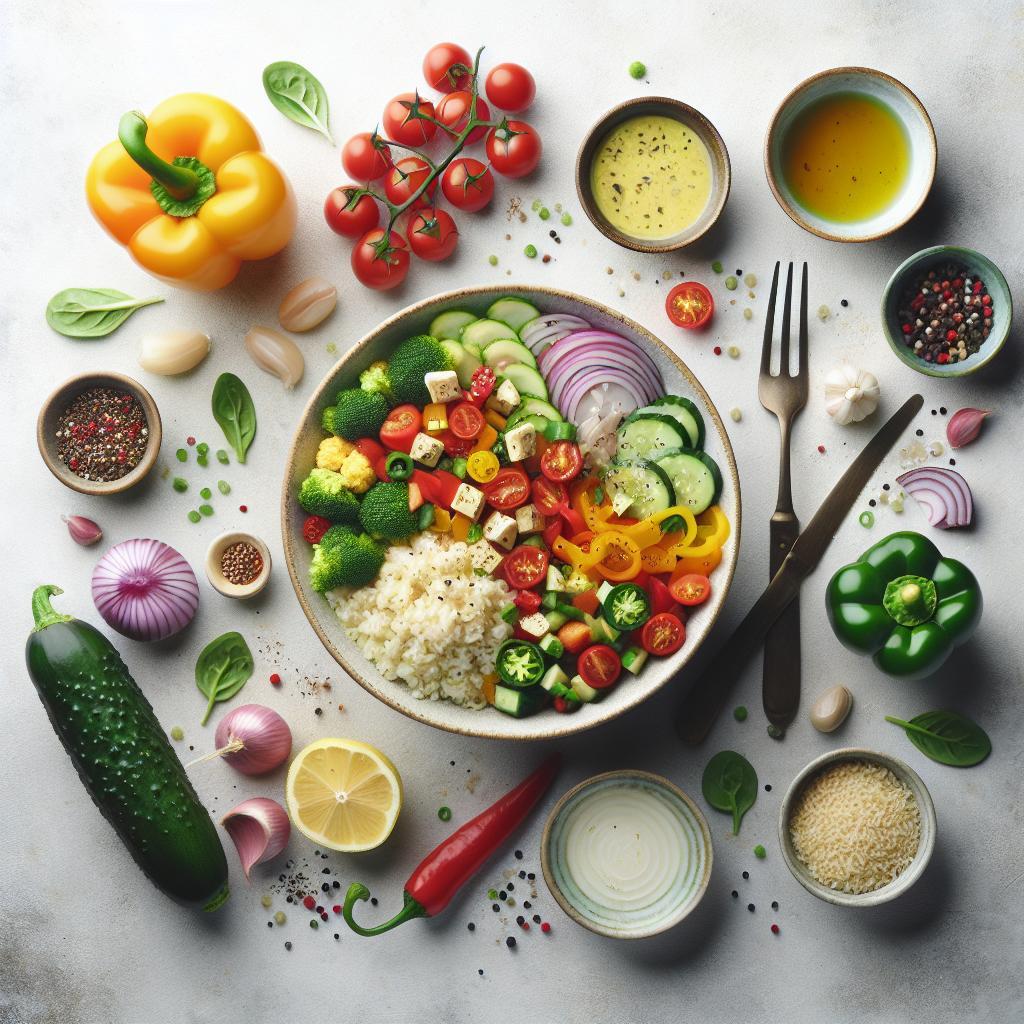

Flavor defines whether a plate excites or disappoints. When a dish tastes flat, you usually miss one or more taste dimensions, aromatic layers, or texture contrasts that engage the palate.
- Prep and Cook Time
- Yield
- Difficulty Level
- Ingredients
- Instructions
- Why Dishes Taste Flat
- Chef-Proven Fixes to Rescue Flat Dishes
- 1. Add Controlled Acid
- 2. Layer Salt Strategically
- 3. Unlock Umami
- 4. Use Browning and Maillard Reaction
- 5. Introduce Bitterness and Herbaceous Notes
- 6. Adjust Texture and Temperature
- 7. Finish with Freshness
- Tips for Success
- Serving Suggestions
- Nutritional Snapshot
- FAQ
- Balance acidity and salt to activate flavors.
- Use technique (browning, toasting) to build depth.
- Add umami or bitterness to round a single-note profile.
- Finish with fresh elements for lift and clarity.
Prep and Cook Time
Prep Time: 15 minutes. I recommend mise en place: measure and ready everything before heat goes on. Prepared timing avoids under-seasoning or rushed technique that flattens flavor.
Cook Time: 30 minutes. Use controlled heat and staging to develop aromatics and brownings; fast, uneven cooking often yields a single muted note.
Yield
Serves 4. This estimate assumes standard portions and moderate seasoning levels to preserve balance across servings. When scaling, taste at each step because salt and acid do not scale linearly.
For larger batches, reduce initial salt and acid by 10-15% and season incrementally. Reheat gently; resting can harmonize components and deepen integration.
Difficulty Level
Medium. The techniques here demand attention to timing and seasoning rather than specialized equipment. You need to practice tasting and adjusting through the process.
Focus on heat control, proper browning, and finishing touches like acid and fresh herbs. Those small moves separate flat dishes from layered ones.
Ingredients
Use quality basic ingredients and treat them intentionally. Small upgrades—fresh citrus, ripe tomatoes, correctly toasted spices—amplify each layer of taste.
- 2 tbsp olive oil, extra virgin for finishing and gentle flavor depth
- 1 medium onion, finely chopped
- 3 cloves garlic, minced
- 1 tsp smoked paprika, adds warmth and aroma
- 1 tsp ground cumin, for earthy undertones
- 1/2 tsp sea salt, balances and amplifies
- 1/4 tsp freshly ground black pepper, for mild heat
- 1 cup crushed tomatoes, ripe acidity to cut richness
- 1 cup vegetable broth, low sodium gives control
- 1 tbsp fresh lemon juice, brightens and lifts
- 1 tbsp fresh chopped parsley, fresh herbaceous finish
If you want more body, add a splash of soy or miso for umami; add sparingly and taste. Fresh herbs belong at the finish to preserve vibrancy.
Instructions
Good technique converts simple components into layered flavor. Move deliberately: heat, aromatics, seasoning, liquid, simmer, finish.
- Heat the olive oil in a heavy skillet over medium until shimmering but not smoking.
- Add the finely chopped onion and sauté until translucent and slightly golden, about 7 minutes. Proper caramelization releases sugars and builds savory backbone.
- Incorporate the minced garlic and cook 1 minute until fragrant; avoid burning to prevent bitterness.
- Sprinkle smoked paprika, cumin, salt, and black pepper and toast 30 seconds to bloom the spices and increase aroma.
- Pour in crushed tomatoes and vegetable broth and stir. Simmer uncovered on low for 15 minutes until the sauce reduces and flavors concentrate.
- Stir in fresh lemon juice at the end to brighten and balance richness just before serving.
- Taste and adjust with salt, acid, or a pinch of sugar. Small, deliberate tweaks correct flatness faster than large, late additions.
- Remove from heat and garnish with fresh parsley and a light drizzle of olive oil for aroma and color.
Always sample at stages: after browning, after spices, mid-simmer, and before plating. That habit trains your palate and prevents a flat final result.
Why Dishes Taste Flat
A flat dish lacks contrast and layered stimuli. When a recipe presents only one dominant note—salty, sweet, or spicy—the brain perceives monotony rather than complexity.
Flavor depends on a combination of taste, aroma, and texture. If an element like acid, salt, or umami is missing, the ensemble feels incomplete.
Core Taste Elements
Balance involves the five basic tastes: sweet, sour, salty, bitter, and umami. A missing pole makes the dish swing toward one-dimensionality.
Study the five and practice adding small doses of the absent taste. Use taste perception concepts when you assess a dish.
Building Aroma and Texture
Aroma drives much of flavor. Toasting spices, browning aromatics, and using fresh herbs create multi-layered smells that the brain interprets as complexity.
Textural contrast—crisp elements against creamy bases—keeps the palate engaged. Add toasted seeds, quick-pickled vegetables, or fresh crunch at the finish.
Chef-Proven Fixes to Rescue Flat Dishes
When a plate reads flat, use targeted interventions rather than more of the same. A single corrective move often restores balance without overpowering the dish.
Here are seven practical fixes you can apply quickly during cooking or at the last minute to revive lackluster flavor.
1. Add Controlled Acid
A burst of acid brightens flavors and separates muddled notes. Use lemon, vinegar, or a citrus-based finishing element to lift the overall profile.
Add acid gradually and taste. A final touch of acid can transform a heavy sauce into a lively one without altering its body.
2. Layer Salt Strategically
Salt does more than make food salty; it enhances perception of other tastes and binds flavors. Salt early and in stages to help ingredients develop fully.
Prefer finishing salt for contrast and texture. If the dish tastes flat, add a very small pinch, stir, and taste again.
3. Unlock Umami
Umami adds savory roundness and depth. Ingredients like aged cheeses, mushrooms, soy, or a spoonful of miso provide concentrated umami when used sparingly.
Use umami to fill gaps where a dish lacks body. Read about the specific concept of umami to understand its role in savory balance.
4. Use Browning and Maillard Reaction
Proper browning yields complex, roasted notes that lift flatness. Sear proteins and caramelize vegetables to create new aromatic compounds through the Maillard reaction.
Control heat to avoid burning; char tastes bitter and can counter the desired depth. Toast spices briefly to renew their aromatic oils.
5. Introduce Bitterness and Herbaceous Notes
Bitterness and green notes add tension and intrigue. Charred greens, radicchio, or a scattering of fresh herbs give contrast to fatty or sweet elements.
Use sparingly. A measured bitterness or herbaceous burst makes other flavors pop instead of dominating them.
[having-space-for-tip]
Apply the next fix only after tasting; random additions can create imbalance instead of rescue.
6. Adjust Texture and Temperature
Temperature and mouthfeel shape flavor perception. A colder element or a hot sauce can shift how tastes register on the tongue.
Add textural contrast—crunchy garnishes, creamy swirls, or acidic slaws—to refresh the palate and prevent monotony.
7. Finish with Freshness
Fresh herbs, citrus zest, or a finishing oil restore brightness and aromatic lift. Add them at the end to preserve volatile flavors and scents.
A final herbaceous or acidic note tells the palate that the dish is intentional and complete. That perception alone raises the eating experience.
Tips for Success
Layer your seasoning: Apply salt and spices at different stages to let flavors develop fully. Immediate seasoning and a final taste-and-fix create depth.
Heat control matters: Use medium heat for caramelization and high heat for quick sears. Wrong heat often yields bitterness or underdeveloped sugars.
- Use fresh herbs and acids at the finish: Bright notes fade with long cooking.
- Avoid over-salting early: Salt can mask subtle layers if added too soon.
- Add crunch: Toasted nuts, seeds, or fried shallots create exciting textural contrast.
- Make-ahead benefit: Many sauces taste better after a day; resting harmonizes flavors.
Serving Suggestions
This versatile sauce pairs with grains, roasted vegetables, or grilled proteins. Presentation matters: contrast a rich base with a bright, fresh garnish.
Consider toasted seeds for crunch, a citrus wedge for on-plate finishing, and a simple green salad to cleanse the palate between bites.
Nutritional Snapshot
Per serving values vary with exact ingredients and portion size. The table below provides a rough caloric and macronutrient guide.
| Nutrient | Per Serving |
|---|---|
| Calories | 180 kcal |
| Protein | 3 g |
| Carbohydrates | 15 g |
| Fat | 12 g |
FAQ
Why does my dish taste flat even if I followed the recipe?
Followed recipes assume ingredient quality and technique. If you skip stages like browning or under-season early, the dish can lack layered development and thus taste flat.
Taste at key points and correct with small amounts of acid, salt, or umami. That practice fixes most shortcomings.
What does one-dimensional mean in cooking terms?
One-dimensional cooking highlights a single dominant taste while lacking counterpoints. Without contrast—sweet vs. sour, soft vs. crunchy—the overall impression becomes monotonous.
Introduce at least two contrasting elements; even a small acidic note or crunchy garnish adds perceived complexity.
Can technique really change flavor that much?
Yes. Techniques like searing, roasting, and toasting create new aromatic compounds through chemical processes such as the Maillard reaction. Those compounds deliver roasted, savory, and caramelized notes that raw ingredients lack.
Apply heat intentionally to transform base ingredients into richer flavor carriers.
How do I train my palate to detect missing elements?
Taste components individually: plain cooked salt, acid, and a pure umami ingredient like soy. Compare them to a mixed dish and learn which quality it lacks.
Practice with small, controlled adjustments to build sensitivity and confidence in quick fixes.
What’s the fastest last-minute fix for a flat dish?
A splash of acid—lemon juice or a mild vinegar—usually revives a flat plate instantly. Add in increments and re-taste to avoid over-brightening the dish.
Finish with a small amount of fresh herb or a crunchy element to restore aromatic lift and textural interest.
Final note: Flavor is a system. Apply technique, balance tastes, and finish smartly to move a dish from flat to memorable.
See also: Flavor