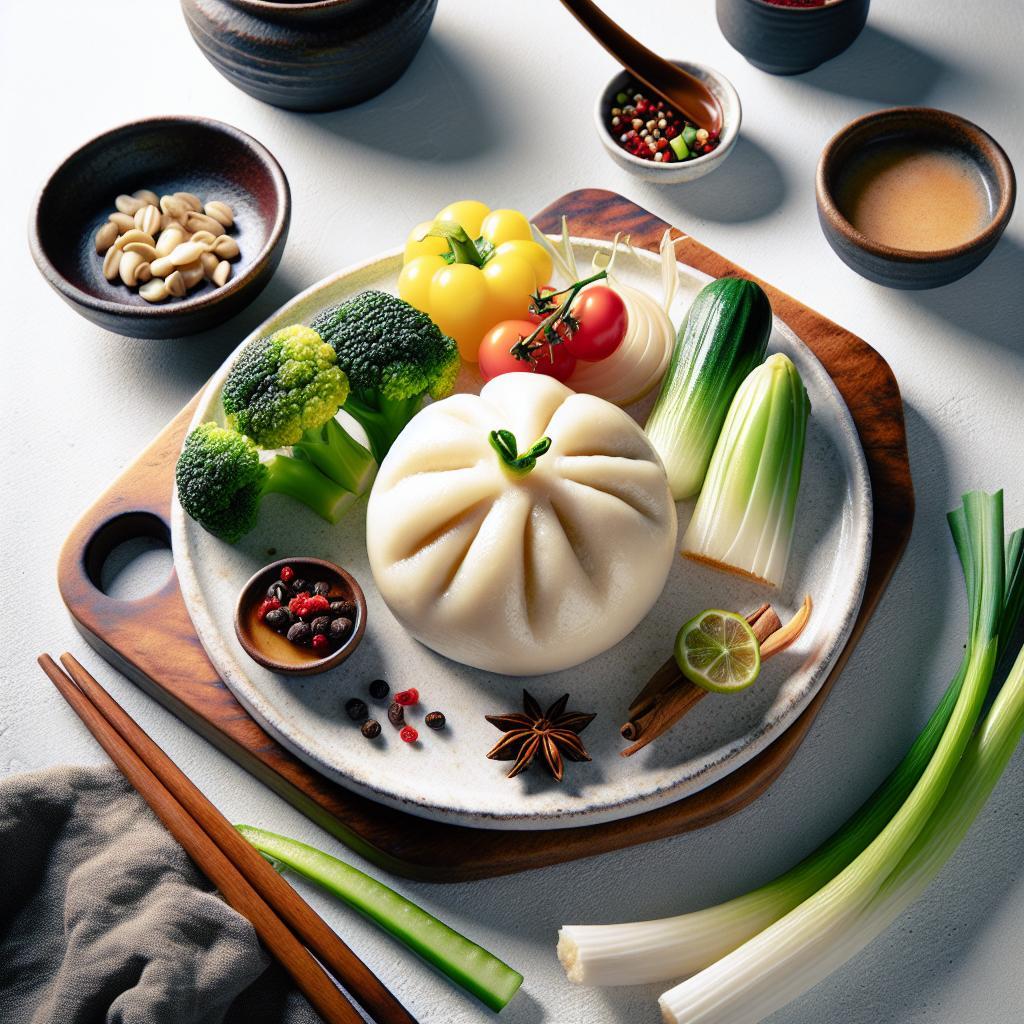

Beneath the soft, pillowy surface of a perfectly steamed mantou lies a fascinating world of chemistry at play-an intricate dance of molecules and reactions that transform simple ingredients into a beloved staple of Chinese cuisine. Unlocking the science behind mantou reveals not just the secrets of its airy texture and subtle sweetness, but also how precise balances and timing can elevate this humble dough to culinary perfection. Join us as we dive deep into the chemical symphony that turns flour, water, and yeast into the perfect mantou, where tradition meets science in every delightful bite.
Unlocking the science behind perfectly soft mantou begins with understanding how starch and gluten work harmoniously to create its iconic pillowy texture. This delicate balance is further enhanced by precise fermentation techniques that coax out the mantou’s tender rise and fragrant aroma. When paired with the right ingredient ratio and steaming mastery, this staple transforms into an irresistible treat that melts in your mouth.
Prep and Cook Time
- Preparation: 20 minutes
- Fermentation: 1 to 1.5 hours (depending on room temperature)
- Steaming: 15 minutes
- Total Time: Approximately 2 hours
Yield
Makes about 12 medium-sized mantou buns
Difficulty Level
Medium – requires attention to dough handling and fermentation timing
Ingredients
- 350g all-purpose flour, sifted (ensure freshness for optimal gluten development)
- 50g cake flour (to soften the texture by reducing gluten strength)
- 7g instant dry yeast
- 50g granulated sugar
- 180ml warm water (around 35-38°C to activate yeast without killing it)
- 1 tbsp vegetable or canola oil (adds tenderness)
- 1/4 tsp fine sea salt (balancing flavor and fermentation)
Instructions
- Activate the yeast: In a small bowl, combine the warm water with sugar and instant dry yeast. Stir gently and let sit for 5-10 minutes, until frothy and bubbling, signaling active fermentation.
- Combine dry ingredients: In a large mixing bowl, whisk together the all-purpose flour, cake flour, and salt. The all-purpose flour’s gluten offers structure, while the cake flour’s starch contributes softness.
- Mix dough: Create a well in the center of the dry ingredients and gradually pour in the yeast mixture and oil. Using a wooden spoon or your hands, mix until a rough dough forms.
- Knead: Turn dough onto a floured surface and knead vigorously for 10 minutes until the dough becomes elastic and smooth. Proper gluten development here is essential for that characteristic chew and springiness in mantou.
- First proof: Lightly oil a clean bowl, place the dough inside, cover with a damp cloth or plastic wrap, and allow it to rise in a warm, draft-free environment for 1 to 1.5 hours, until doubled in size. Patience is key-this fermentation stage unlocks deep aroma and perfect lift via carbon dioxide production.
- Shape the buns: Gently punch down the dough to release excess gases. Divide into equal pieces (about 50g each). Shape each piece into smooth oval or knot forms, tucking seams underneath to retain shape during steaming.
- Second proof: Place shaped mantou on parchment-lined steamer trays, leaving space to expand. Cover loosely and let rise for 20-30 minutes until visibly puffed.
- Steam to perfection: Bring water to a rolling boil in a wok or steamer. Place mantou trays inside over medium-high heat, cover tightly with a lid wrapped in a kitchen towel to prevent condensation, and steam for 15 minutes. Avoid opening the lid early, as this disrupts the steaming environment and affects texture.
- Rest and serve: Turn off heat and let mantou rest with the lid on for 5 minutes before removing. This resting step helps banish any residual moistness on the surface, ensuring a smooth and soft bun skin.
Chef’s Notes
- Flour types: Combining all-purpose with cake flour creates the ideal gluten-to-starch ratio-gluten for structure, starch for tenderness. You can experiment with substituting cake flour with pastry flour for an even softer outcome.
- Water temperature: Keep water warm but not hot to protect yeast vitality.
- Fermentation tips: If your kitchen is cold, opt for a longer, slower proof in a warm place or inside the oven with the light on.
- Make-ahead option: After shaping, refrigerate mantou dough overnight, then steam directly from cold-this slow cold proof adds complex flavor and aroma.
- Common troubleshooting: If mantou is dense, insufficient kneading or under-proofing is usually the cause; invigorate your kneading and/or ferment a bit longer next time.
Serving Suggestions
Serve mantou warm, brushed lightly with melted butter or drizzled with sweetened condensed milk for a decadent touch. For a savory twist, pair with succulent braised pork belly or dipped in spicy Sichuan chili oil. Garnish steamed mantou with toasted sesame seeds or chopped scallions for added texture and color. They also make a delightful base for sandwich-style snacks filled with pickled vegetables and grilled meats.
| Nutrition (per mantou) | Calories | Protein | Carbs | Fat |
|---|---|---|---|---|
| Mantou Soft Texture Science | 120 kcal | 3g | 25g | 1g |
Explore more about gluten in baking and unlock deeper insights for your mantou creation. For a related homemade classic, check out our detailed guide on homemade steamed buns recipes.

Q&A
Q&A: Unlocking the Science: The Chemistry Behind Perfect Mantou
Q1: What exactly is mantou, and why is its chemistry important?
A1: Mantou is a classic Chinese steamed bun, beloved for its soft, fluffy texture and subtle sweetness. The chemistry behind mantou is crucial because it transforms simple ingredients-flour, water, yeast, and sugar-into a pillowy masterpiece. Understanding the science helps bakers control texture, rise, and flavor, ensuring every bite is perfect.
Q2: What role does yeast play in creating the perfect mantou?
A2: Yeast is the magical microbe in mantou-making-it ferments sugars and produces carbon dioxide gas. These tiny bubbles get trapped in the dough’s gluten network, causing the dough to rise and become light and airy. The yeast also contributes to flavor development by releasing organic acids and alcohol during fermentation.
Q3: How does gluten contribute to mantou’s texture?
A3: Gluten, formed from proteins in wheat flour, acts like a stretchy web inside the dough. This elasticity traps the carbon dioxide produced by yeast, allowing the dough to expand without bursting. The strength and formation of gluten are key to mantou’s soft, chewy, yet airy texture.
Q4: Why is sugar added to mantou dough, and how does it affect chemistry?
A4: Sugar serves multiple purposes: it’s food for yeast, kickstarting fermentation, which boosts dough rise. It also slightly sweetens the bun and can influence the browning process on the outside during steaming or baking. However, too much sugar can toughen the gluten and slow yeast activity, so balance is key.
Q5: What’s the science behind steaming instead of baking mantou?
A5: Steaming cooks mantou with moist heat, preserving its delicate structure and preventing drying out. The steam gelatinizes starches and coagulates proteins gently, resulting in that soft, shiny surface and tender crumb. Baking, by contrast, dries out the bun and forms a crust-a different texture altogether.
Q6: How does fermentation time impact mantou’s final quality?
A6: Fermentation time controls how much gas yeast produces and how much flavor develops. A short fermentation yields denser buns with mild flavor; a longer one allows fuller rise and richer taste but risks over-fermentation, which can weaken gluten and cause collapse. Perfect mantou balances time to maximize fluffiness and flavor.
Q7: Can water temperature influence the chemistry of mantou dough?
A7: Absolutely! Water temperature affects yeast activity. Warm water (around 35-40°C or 95-104°F) activates yeast quickly, speeding fermentation, while cold water slows it down. If the water’s too hot, it can kill the yeast, stopping fermentation. Temperature control helps bakers fine-tune dough rise and texture.
Q8: What creative tweaks can science-informed bakers use to perfect mantou at home?
A8: Science-savvy bakers can experiment with different flour types to adjust gluten content, vary fermentation times for texture and flavor, or tweak hydration levels for softness. Adding a bit of baking powder can lighten texture, while incorporating milk or fats alters tenderness. Understanding the underlying chemistry opens a world of delicious possibilities.
Unlocking the chemistry behind mantou isn’t just for scientists-it’s the secret recipe to mastering this humble bun with confidence, consistency, and creativity!
Wrapping Up
As the delicate dance of yeast and flour unfolds beneath the steamy veil of your kitchen, the chemistry behind perfect mantou reveals itself-not just as a recipe, but as a symphony of science. From gluten’s gentle stretch to the magic of fermentation’s rise, each molecular interaction crafts that pillowy texture and subtle sweetness we celebrate. By unlocking these scientific secrets, you’re not merely making mantou; you’re becoming a culinary alchemist, transforming humble ingredients into a timeless tradition. So next time you bite into that soft, cloud-like bun, remember-it’s chemistry at work, nourishing both body and soul.