
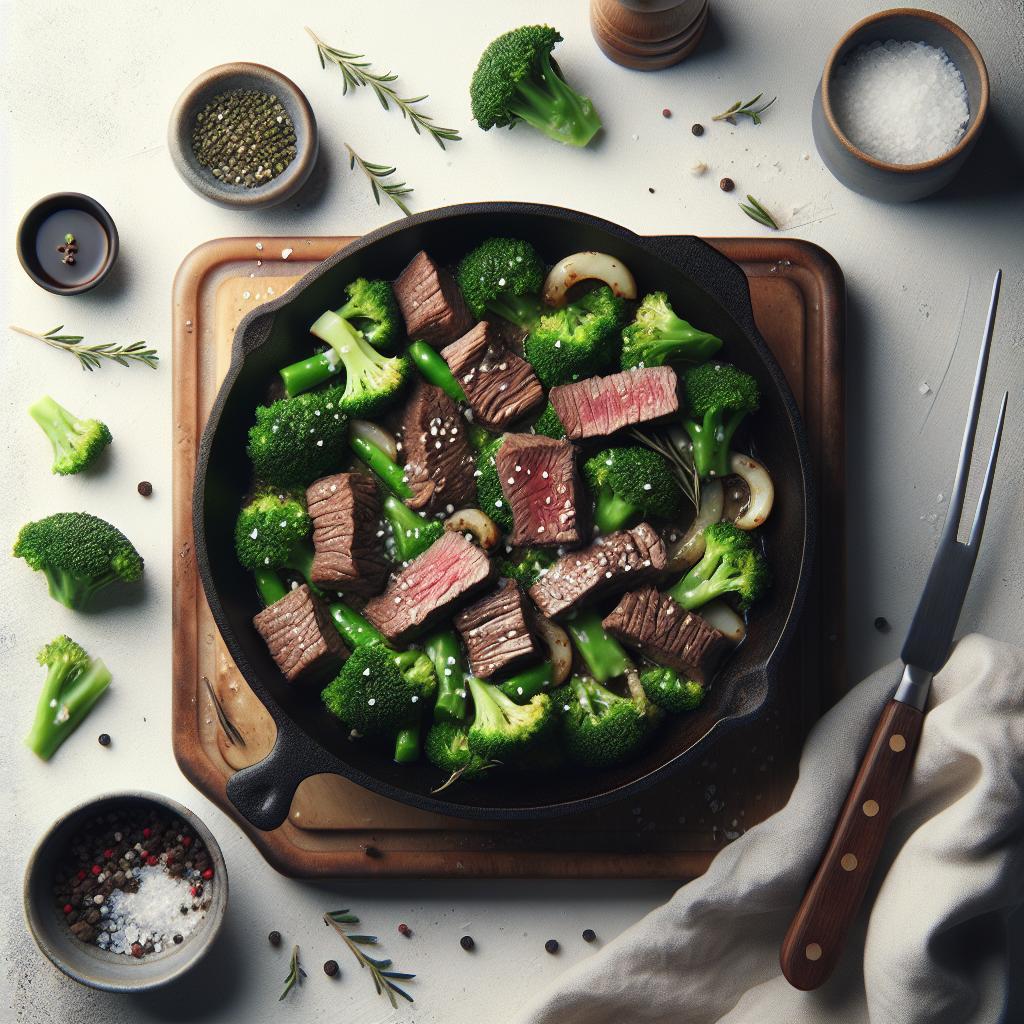

25-Min Beef Broccoli Skillet: Fast, Flavorful Weeknight Recipe
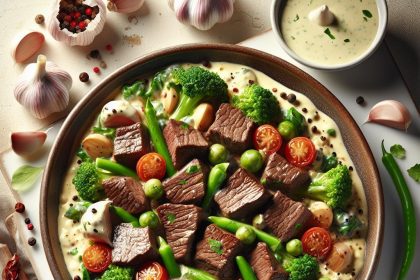
The beef broccoli skillet is a reliable, fast weeknight dinner that balances speed with depth of flavor. Thin-sliced beef sears quickly while broccoli stays bright and crisp when blanched and finished in the pan.
- 25-Min Beef Broccoli Skillet: Fast, Flavorful Weeknight Recipe
- Quick Overview of the Method
- Prep and Cook Time
- Yield and Difficulty
- Ingredients
- Instructions
- Food Safety and Temperature
- Tips for Success
- Serving Suggestions
- Nutrition Snapshot
- Variations and Substitutions
- Practical Notes and Internal Resources
- Why This Method Works
- Relevant Background Links
- FAQ
- How do I keep the beef tender and juicy?
- Can I prep components ahead of time?
- What are the best cuts of beef to use?
- How do I achieve a thick, glossy sauce?
- Is this dish suitable for meal prep?
- Final Notes
- Ready in 25 minutes using one skillet for minimal cleanup.
- Protein-forward with fresh vegetables for fiber and vitamins.
- Simple technique: brief marinate, high-heat sear, and a cornstarch-thickened glaze.
- Flexible swaps for vegetarian or gluten-free needs.
Quick Overview of the Method
This recipe applies high-heat searing and a short blanch for the broccoli to preserve color and bite. The technique follows classic stir-frying principles: heat, timing, and quick motions.
Use a broad, heavy skillet or wok to get even browning on the beef and rapid evaporation of excess liquid. That produces a glossy sauce that clings to meat and vegetable for classic beef broccoli texture.
Prep and Cook Time
Preparation: 10 minutes. Keep all ingredients measured and at hand to maintain momentum at the stove. A sharp knife and small prep bowls save time and reduce mistakes.
Cooking: 15 minutes. Maintain medium-high to high heat and work efficiently to avoid steaming the beef. Total time remains near 25 minutes for most home cooks.
Yield and Difficulty
Yield: 4 generous servings. Serve the skillet over rice or a low-carb base depending on goals. Portioning is straightforward when you cook one pan and divide evenly.
Difficulty: Easy. Key skills include slicing against the grain, controlling pan heat, and timing the blanch and sear. These techniques deliver consistent results with minimal practice.
Ingredients
Gather ingredients before you heat the pan. This list uses common pantry staples to maximize flavor with minimal fuss.
Substitute components as needed: for a gluten-free version, use tamari; for vegetarian, replace beef with extra-firm tofu or seitan. For background on the primary ingredients, consult beef and broccoli.
- 1 pound beef sirloin, thinly sliced against the grain
- 4 cups fresh broccoli florets
- 2 tablespoons vegetable oil, divided
- 4 cloves garlic, minced
- 1 teaspoon fresh ginger, finely grated
- ½ cup low-sodium soy sauce
- 2 tablespoons oyster sauce (optional)
- 1 tablespoon cornstarch
- ½ cup beef broth or water
- 1 tablespoon brown sugar
- 1 teaspoon toasted sesame oil
- ¼ teaspoon black pepper
- Optional garnish: sliced green onions and toasted sesame seeds
Instructions
Work in stages: marinate, blanch, sear, then combine. Follow the steps in order to keep the pan hot and textures correct.
Have a timer and a spoon for continuous stirring when finishing the sauce so it reaches the right sheen. Cornstarch thickens quickly once the liquid heats; control the heat and stir constantly.
Marinate the Beef
Whisk soy sauce, oyster sauce, cornstarch, beef broth, and brown sugar until smooth. Add the beef slices, toss to coat, and let sit for 10 minutes to tenderize and season the meat.
Marinating with cornstarch creates a light velvet on the surface that improves juiciness during a fast sear. Keep the beef cold until you heat the pan for best color and texture.
Blanch the Broccoli
Bring a pot of salted water to a boil and blanch broccoli florets 1–2 minutes until bright green and slightly tender. Immediately transfer them to an ice bath to stop cooking and preserve bite.
Draining the broccoli well prevents excess water from diluting the sauce when you finish the dish. Use tongs to move florets quickly between pot and ice bath.
Sear the Beef and Finish
Heat 1 tablespoon oil over medium-high in a large skillet or wok. Lay beef in a single layer and sear until browned and just cooked through, about 3–4 minutes; remove and set aside.
Add the remaining oil, sauté garlic and ginger briefly, then return beef and broccoli to the pan. Pour in the marinade and stir constantly until the sauce thickens and glazes the ingredients, 2–3 minutes.
Food Safety and Temperature
Handle raw beef using separate cutting boards and utensils to avoid cross-contamination. Store leftovers within two hours and refrigerate in shallow containers to cool quickly.
Cook beef until thin slices show no raw center; quick searing is safe for thin cuts when sear time is sufficient. Reheat leftovers to at least 165°F (74°C) before serving to ensure safety.
When you plan meal prep, label containers with the cook date and consume within three days. Proper storage keeps texture reasonable and reduces food-safety risk.
Tips for Success
Slice the beef thinly against the grain to shorten muscle fibers and make each bite tender. If needed, freeze the beef for 20–30 minutes to firm it for cleaner, thinner slices.
Do not overcrowd the pan when searing; work in batches if necessary to achieve proper browning. When ingredients steam instead of sear, they lose the Maillard flavors that give the dish depth.
Adjust the sauce balance to taste. Add a splash more soy for salt, more sugar for caramelization, or a squeeze of lemon for bright contrast.
Serving Suggestions
Serve hot over steamed jasmine rice for a classic pairing or over cauliflower rice for a lower-carb plate. Garnish with green onions and toasted sesame seeds for aroma and texture.
A crisp side salad or lightly pickled vegetables adds a refreshing counterpoint to the savory glaze. For heat, add thinly sliced red chili or a pinch of chili flakes.
Nutrition Snapshot
This skillet delivers a protein-forward plate with moderate fat and controlled carbohydrates when portioned with rice. Typical per-serving estimates: 320 calories, 35 g protein, 12 g carbs, 14 g fat, depending on exact ingredients and serving size.
Adjust the dish to meet nutritional goals by reducing oil, choosing lean cuts like flank steak, or swapping rice for a vegetable base. These swaps keep macro balance while maintaining flavor.
| Nutrient | Per Serving |
|---|---|
| Calories | 320 |
| Protein | 35g |
| Carbohydrates | 12g |
| Fat | 14g |
Variations and Substitutions
For a vegetarian version, swap beef for extra-firm tofu or seasoned seitan and use mushroom or vegetable broth. Press tofu to remove excess water for better browning and texture.
Use tamari for gluten-free needs and reduce brown sugar if you prefer a less sweet glaze. For different proteins, thinly sliced chicken breast sears similarly and pairs well with the same sauce mix.
Practical Notes and Internal Resources
Keep a small bowl for sauces and a spatula for quick stirring; these tools increase control and reduce spills. For quick weeknight planning, check our internal guide to quick dinners for complementary sides and timing strategies.
If you want technique drills for high-heat cooking, see the internal note on stir-fry technique. Practicing heat control and batch searing shortens cooking errors and improves browning consistency.
Why This Method Works
High heat and brief contact time protect tenderness in both beef and broccoli. Slicing thin increases surface area for fast searing and allows the glaze to coat each piece effectively.
Blanching the broccoli first sets its color and texture, while finishing it in the hot pan restores heat and integrates flavors. The method produces a balanced plate fast, with controlled moisture and crisp-tender vegetables.
Relevant Background Links
For context on ingredients and technique, consult these authoritative entries: beef, broccoli, and soy sauce. These pages describe supply, culinary uses, and basic chemistry relevant to this recipe.
Also review the cooking method at stir-frying to understand heat management and timing. Those references support proper execution and ingredient choices.
FAQ
How do I keep the beef tender and juicy?
Slice the beef thinly against the grain and sear quickly at high heat. Marinating with a little cornstarch creates a velvety surface that helps retain moisture.
Can I prep components ahead of time?
Yes. Slice the beef and blanch the broccoli up to a day ahead; store them separately in airtight containers. Reheat briefly and finish at high heat to restore texture.
What are the best cuts of beef to use?
Choose tender, lean cuts such as sirloin, flank, or skirt steak for quick cooking. These cuts slice well and respond favorably to brief, hot searing.
How do I achieve a thick, glossy sauce?
Mix cornstarch into the marinade and heat the sauce until it reaches a glossy sheen. Stir constantly while the sauce concentrates to avoid clumping and burning.
Is this dish suitable for meal prep?
Yes. Store sauce and solids together and refrigerate for up to three days. Reheat gently on the stovetop or microwave and serve with freshly steamed rice to preserve texture.
Final Notes
This beef broccoli skillet pairs efficient technique with reliable flavor to produce a dependable weeknight meal. Follow timing, control heat, and adjust seasoning to taste for consistent results.
With modest prep and clear steps you can reproduce the dish and adapt it to dietary preferences. Practice the sear and blanch sequence and you will get predictable browning and a shiny glaze every time.
See also: internal tag: Beef Broccoli
See also: beef broccoli