
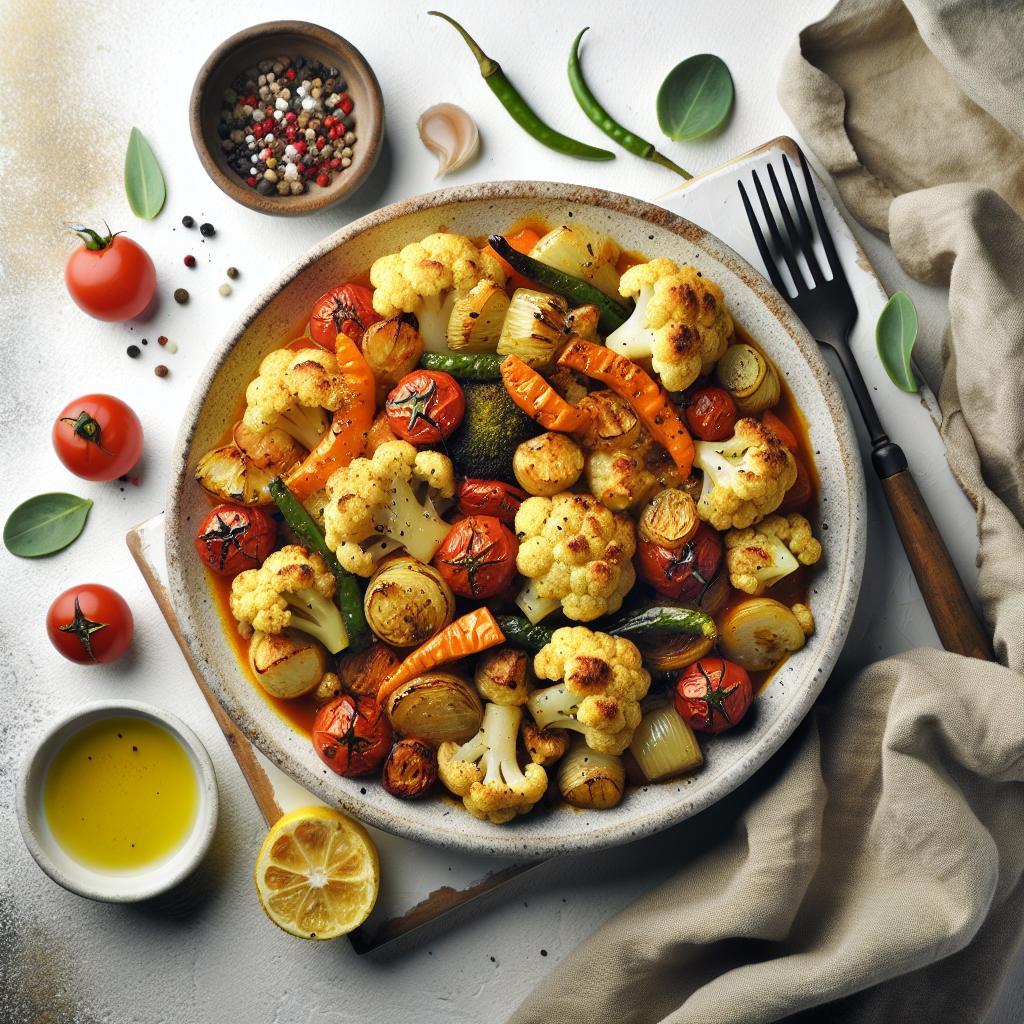

Savor the Flavor: This roasted cauliflower stew turns simple ingredients into a layered, nourishing meal. The method combines caramelized florets with a spiced tomato-chickpea broth for depth and texture.
- At a Glance — Key Takeaways
- Why This Cauliflower Stew Works
- Prep and Cook Time for Cauliflower Stew
- Yield and Difficulty for Cauliflower Stew
- Ingredients for Cauliflower Stew
- Instructions for Cauliflower Stew
- Chef’s Notes and Tips for Cauliflower Stew
- Serving Suggestions for Cauliflower Stew
- Nutritional Snapshot for Cauliflower Stew
- Q&A About Cauliflower Stew
- What makes roasted cauliflower the star in this cauliflower stew?
- Why choose this plant-based option over meat-based stews?
- How do I keep cauliflower tender but not mushy?
- Can I swap protein sources in this cauliflower stew?
- How can I thicken the stew if it feels thin?
- FAQ
- Can I make this gluten-free?
- Is the stew freezer-friendly?
- How do I reheat without losing texture?
- Can I double the recipe for a crowd?
- What wine or beverage pairs well with cauliflower stew?
- To Wrap It Up
- Roast first: Caramelization builds a nutty backbone.
- Layer spices: Toast spices then simmer to unlock aroma.
- Finish late: Fold roasted cauliflower in near the end to keep texture.
At a Glance — Key Takeaways
- Flavor strategy: Roast cauliflower separately to concentrate sugars and Maillard browning.
- Time plan: Roast 30 minutes, then simmer 35–40 minutes for tender chickpeas and potatoes.
- Finish technique: Add florets in the final 5–10 minutes to retain texture and contrast.
- Meal prep: The stew improves after sitting; refrigerate or freeze portions for later.
Why This Cauliflower Stew Works
Roasting concentrates the cauliflower’s natural sugars and promotes Maillard browning, which develops nutty, savory notes that hold up in broth. That concentrated flavor anchors a stew that reads like a full entrée rather than a side.
At the same time, the tomato-chickpea base supplies body and umami. Using olive oil and a controlled simmer builds depth without heavy fats. For background on the vegetable and oil we use, see cauliflower and olive oil.
Prep and Cook Time for Cauliflower Stew
Plan your workflow to reuse hot equipment efficiently. Roast the florets while you start the base on the stovetop so both elements finish around the same time.
Typical timing: 20 minutes prep, 30 minutes roasting, and 35–40 minutes simmering. That schedule yields a stew with distinct layers of caramelized, spiced, and softened textures.
Yield and Difficulty for Cauliflower Stew
This recipe yields about six hearty servings, which makes it ideal for family dinners and meal prep. The technique scales well but needs attention to roasting and spice toasting.
Difficulty: Medium. You manage multiple heat sources and timing, but steps are repeatable. Practice improves speed and seasoning control over several batches.
Ingredients for Cauliflower Stew
Gather all ingredients before you start to keep momentum at the stove. Fresh produce and quality olive oil make a measurable difference in the final bowl.
Use canned chickpeas for speed or soaked dried beans for a chewier texture. For reference on chickpeas, consult chickpea.
- 1 large head cauliflower, cut into florets
- 3 tablespoons extra virgin olive oil, divided
- 1 large yellow onion, finely chopped
- 4 cloves garlic, minced
- 2 medium carrots, diced
- 2 stalks celery, diced
- 1 teaspoon smoked paprika
- 1 teaspoon ground cumin
- 1/2 teaspoon turmeric
- 1/4 teaspoon ground cinnamon
- 1/2 teaspoon red chili flakes (optional)
- 1 (14 oz) can diced tomatoes, with juices
- 4 cups vegetable broth, preferably low sodium
- 1 cup dried chickpeas, soaked overnight and drained (or 1 can, drained and rinsed)
- 1 medium potato, peeled and cubed
- Salt and freshly ground black pepper, to taste
- Fresh lemon juice, from 1 lemon
- Fresh parsley, chopped for garnish
Instructions for Cauliflower Stew
Follow steps in sequence to maximize flavor and texture. The workflow divides into roasting, building the base, and finishing; each segment has a focused goal.
Work with a heavy-bottomed pot to ensure even heat during sautéing and simmering. Use a rimmed baking sheet for roasting to promote browning.
Step 1 — Roast the Cauliflower
Preheat your oven to 425°F (220°C). Toss the florets with 2 tablespoons olive oil, salt, and pepper on a parchment-lined tray to ensure even caramelization.
Roast for about 30 minutes, turning once. Aim for golden-brown edges; those caramelized notes provide a primary savory component for the stew and rely on the same chemistry described in Maillard reaction.
Step 2 — Build the Stew Base
Heat the remaining 1 tablespoon oil in a large heavy-bottomed pot over medium heat. Add chopped onion and sauté until translucent, about 5–7 minutes, stirring often to prevent browning.
Add garlic, carrots, and celery, then cook until the vegetables soften. Sprinkle in smoked paprika, cumin, turmeric, cinnamon, and chili flakes, and toast the spices for 1–2 minutes to release oils and aroma.
Next, add the diced tomatoes and let the mixture simmer gently for five minutes to marry flavors. Then add chickpeas, cubed potato, and vegetable broth, and bring the pot to a boil.
Lower the heat to a gentle simmer, cover, and cook for about 35 minutes until chickpeas and potatoes are tender. Taste and adjust salt and pepper as needed.
Step 3 — Finish and Serve
Fold the roasted cauliflower into the pot in the final 5–10 minutes of simmering. This timing preserves the florets’ texture while allowing the flavors to integrate without turning soft or mushy.
Finish with a squeeze of fresh lemon juice and a handful of chopped parsley. Remove from heat, rest for a few minutes, and then serve hot with crusty bread or couscous for soaking up the broth.
For quick meals, use canned chickpeas and add them toward the end. If you plan to reheat, keep roasted florets slightly al dente before folding them in at serving time.
Chef’s Notes and Tips for Cauliflower Stew
Roasting supplies concentrated flavor, so prioritize even browning of the cauliflower. A crowded tray causes steaming and reduces caramelization quality.
Balance the spices carefully: start moderate and adjust at the end. Salt, acid from lemon, and a final drizzle of olive oil sharpen flavors and keep the bowl lively.
- Roasting is key: Give florets space on the tray to brown well.
- Chickpea shortcut: Use canned chickpeas for speed; add them in the last 15 minutes to avoid overcooking.
- Make-ahead: The stew develops depth overnight; refrigerate up to 3 days or freeze for 1 month.
- Veg swaps: Add parsnips or sweet potatoes for varied texture and sweetness.
Serving Suggestions for Cauliflower Stew
Serve the stew piping hot in wide bowls to highlight contrasts between chickpeas and cauliflower. Offer crusty bread or couscous as absorbent sides for the rich broth.
For contrast, add a dollop of plain yogurt or a drizzle of olive oil. Toasted pine nuts or a light chili oil provide texture and visual appeal when serving to guests.
Explore related recipes on the site: roasted vegetable stews and flavor pairings under cauliflower tag.
Nutritional Snapshot for Cauliflower Stew
This bowl balances plant protein, fiber, and complex carbohydrates. The combination of chickpeas, potato, and cauliflower yields a satisfying macronutrient profile for a vegetarian entrée.
Note: nutritional values vary by ingredient brands and portion sizes. Adjust oil and salt to match dietary needs or sodium targets.
| Nutrient | Per Serving |
|---|---|
| Calories | 280 kcal |
| Protein | 12 g |
| Carbohydrates | 38 g |
| Fat | 8 g |
Q&A About Cauliflower Stew
Below are focused answers to common practical questions about this stew. Each response prioritizes technique and realistic kitchen adjustments.
Use these clarifications while you cook so you can make targeted changes without guessing.
What makes roasted cauliflower the star in this cauliflower stew?
Roasting concentrates cauliflower’s natural sugars and creates Maillard browning. Those nutty, savory notes anchor the stew and resist dilution in the broth.
The texture contrast between caramelized florets and tender chickpeas adds interest in every spoonful. For technical background, see Maillard reaction.
Why choose this plant-based option over meat-based stews?
This cauliflower stew delivers fullness and umami from roasted vegetables and legumes while staying lower in saturated fat. It suits vegetarian and flexitarian diets without sacrificing depth.
Using concentrated roasted flavors and layered spices creates complexity similar to slow-simmered meat dishes.
How do I keep cauliflower tender but not mushy?
Roast florets separately and fold them in during the final minutes. That method preserves structure and maintains a pleasant bite while permitting flavor melding.
Avoid over-stirring after adding roasted florets; gentle folding prevents breakage and keeps the mouthfeel appealing.
Can I swap protein sources in this cauliflower stew?
Yes. Lentils and firm beans work, but adjust cooking times. Canned legumes shorten the simmer, while dried beans require prior soaking and longer cook times.
When using lentils, reduce simmer time and monitor for disintegration to keep body in the broth.
How can I thicken the stew if it feels thin?
Smash a cup of cooked chickpeas or simmer uncovered until the liquid reduces slightly. Alternatively, stir in a small amount of pureed roasted potato or carrot for body.
Adjust seasoning after thickening; concentration increases salt and acidity perception.
FAQ
This small FAQ focuses on quick troubleshooting and scaling advice. Use it as a fast reference while cooking.
Can I make this gluten-free?
Yes. The recipe naturally lacks gluten if you choose gluten-free broth and confirm any store-bought spices or stock are certified gluten-free.
Is the stew freezer-friendly?
Definitely. Cool completely, portion into airtight containers, and freeze up to one month. Thaw overnight in the refrigerator before reheating gently on the stove.
How do I reheat without losing texture?
Warm on low heat and add a splash of broth to loosen if needed. Stir gently to prevent cauliflower from breaking apart, and finish with fresh lemon to revive flavor.
Can I double the recipe for a crowd?
Yes. Use a large stockpot and roast cauliflower on two trays to avoid crowding. Monitor seasoning and adjust salt, acid, and spices after scaling.
What wine or beverage pairs well with cauliflower stew?
Pair with a medium-bodied white like Vermentino or a light red such as Grenache. Non-alcoholic options include sparkling water with lemon or a fragrant herbal tea.
To Wrap It Up
This roasted cauliflower stew rewards attention to technique: roast well, toast spices, and finish late. The method produces a balanced bowl that performs well for weeknight dinners and meal prep alike.
Apply the tips above, and you will consistently get a stew that is textured, aromatic, and deeply satisfying. Happy cooking—and enjoy every spoonful of warmth and flavor.
See also: cauliflower stew tag
See also: cauliflower stew