
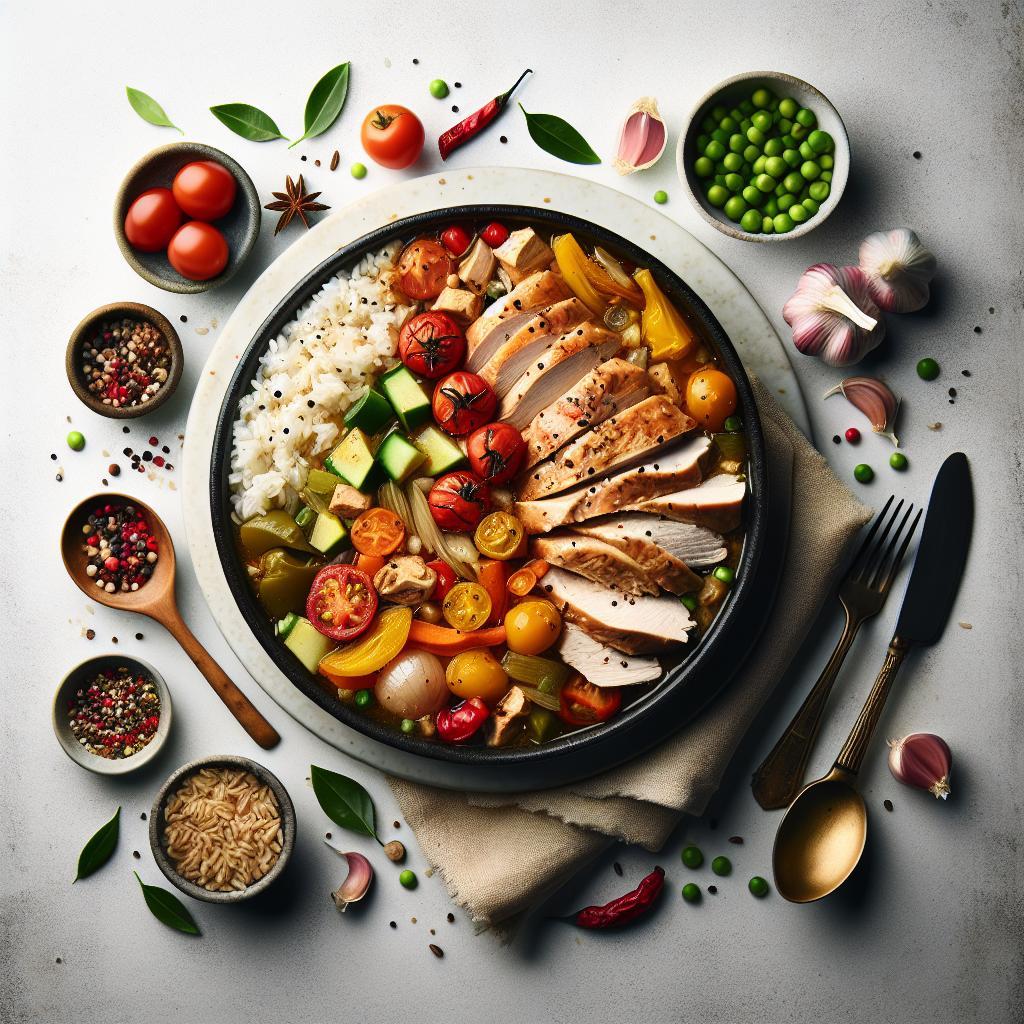

Savoring Turkey and Rice Stew delivers a practical, tested approach to a hearty one-pot meal that balances lean protein with tender rice. The recipe focuses on technique: layering aromatics, controlling heat, and choosing the right rice to avoid mushy grains.
- Why This Turkey and Rice Stew Works
- Essential Ingredients
- Prep and Cook Time
- Yield & Difficulty
- Step-by-Step Instructions
- Tips for Success
- Serving Suggestions
- Nutritional Snapshot
- Q&A
- What makes turkey and rice stew reliably comforting?
- Can I use different types of rice?
- How should I store and reheat leftovers?
- Is this stew suitable for meal prep or freezing?
- What flavor tweaks work best?
- Final Notes
- Key takeaway: Use lean ground turkey for a lighter stew that still packs protein.
- Key takeaway: Toasting rice improves texture and reduces clumping.
- Key takeaway: A proper mirepoix creates a flavorful broth base.
- Key takeaway: Simmer gently so rice absorbs flavor without breaking down.
Why This Turkey and Rice Stew Works
This stew exploits simple chemistry: starch from rice thickens the broth while turkey provides savory amino acids that deepen taste. Proper searing and deglazing concentrate flavor without adding fat.
Lean turkey keeps calories down and protein high, making this stew suitable for family meals and recovery-focused menus. The dish also adapts to ingredient availability and dietary needs.
Essential Ingredients
This section lists components that deliver structure and flavor. Keep measurements consistent to ensure repeatable results.
Core items include ground turkey, long-grain white rice, aromatics, low-sodium broth, and seasoning to taste. Consider the documented roles of each ingredient when scaling the recipe.
- 1 ½ lbs ground turkey (lean)
- 1 cup long-grain white rice, rinsed
- 1 medium yellow onion, finely chopped
- 3 cloves garlic, minced
- 2 medium carrots, diced
- 2 stalks celery, chopped
- 1 can (14 oz) diced tomatoes, no salt added
- 4 cups low-sodium chicken broth
- 2 tablespoons olive oil
- 1 teaspoon smoked paprika
- 1 teaspoon dried thyme
- ½ teaspoon cayenne pepper (optional)
- Salt & freshly ground black pepper to taste
- Fresh parsley for garnish
Prep and Cook Time
Preparation: 15 minutes. Precise mise en place keeps cooking efficient and prevents overcooking the rice.
Cooking: 1 hour 20 minutes. Sear, simmer, and rest times allow flavors to develop fully.
Yield & Difficulty
Serves 6 hearty portions. The recipe suits cooks with basic skills who can manage heat and timing.
Difficulty: Medium. Key skills are proper searing, even simmering, and simple seasoning adjustments.
Step-by-Step Instructions
Follow these steps precisely for reliable results. Each action targets a technical outcome: moisture control, flavor concentration, or texture management.
Use a heavy-bottomed pot to distribute heat evenly and prevent hot spots that break down rice grains.
- Heat olive oil in a large heavy-bottomed pot over medium heat. Add the onion, carrots, and celery and sauté until softened and fragrant, about 5-7 minutes. This classic vegetable base is known as a mirepoix, and it provides aromatic depth.
- Add the garlic and cook for 1 minute so it releases its aroma without burning. Burnt garlic produces bitter compounds that spoil the broth.
- Increase heat to medium-high and add the ground turkey. Break it apart and sauté until it browns and releases juices, about 6-8 minutes. Browning creates Maillard reaction flavors that enrich the stew.
- Stir in smoked paprika, thyme, salt, and pepper. Add the diced tomatoes and let the mixture simmer for 3-5 minutes to meld acidity and aromatics.
- Stir in the rinsed rice, coating each grain. For better texture, briefly toast the rice with the pan solids for 1-2 minutes.
- Pour in chicken broth. Bring to a gentle boil, then reduce heat to low and cover. Simmer 25-30 minutes, or until rice is tender and the turkey is fully cooked. Long-grain white rice usually finishes in this window.
- Uncover and stir. Adjust consistency with extra broth if needed. Taste and correct seasoning before serving.
- Finish with chopped parsley for freshness and a squeeze of lemon if you want brightness.
Tips for Success
Small procedural changes have big culinary effects. These techniques reduce common problems like mushy rice or bland broth.
Keep a ladle of hot broth on hand when reheating so you can loosen the stew without lowering temperature.
- Enhance texture: Toast rice briefly before adding liquid to firm up grains.
- Boost umami: A teaspoon of tomato paste or a splash of low-sodium soy sauce adds depth.
- Substitutions: Swap ground turkey for ground chicken or turkey breast chunks for a different mouthfeel.
- Make-ahead: Stew often tastes better the next day as flavors meld. Reheat gently and add broth if dry.
- Gluten-free: This recipe is naturally free from gluten when using certified broth.
Allow the stew to rest off heat for 5-10 minutes after cooking. This step lets starches settle and the broth firm slightly for easier serving.
After the warning, note that simmer speed matters. Aggressive boiling agitates rice and releases excess starch, which can create a gluey texture.
Serving Suggestions
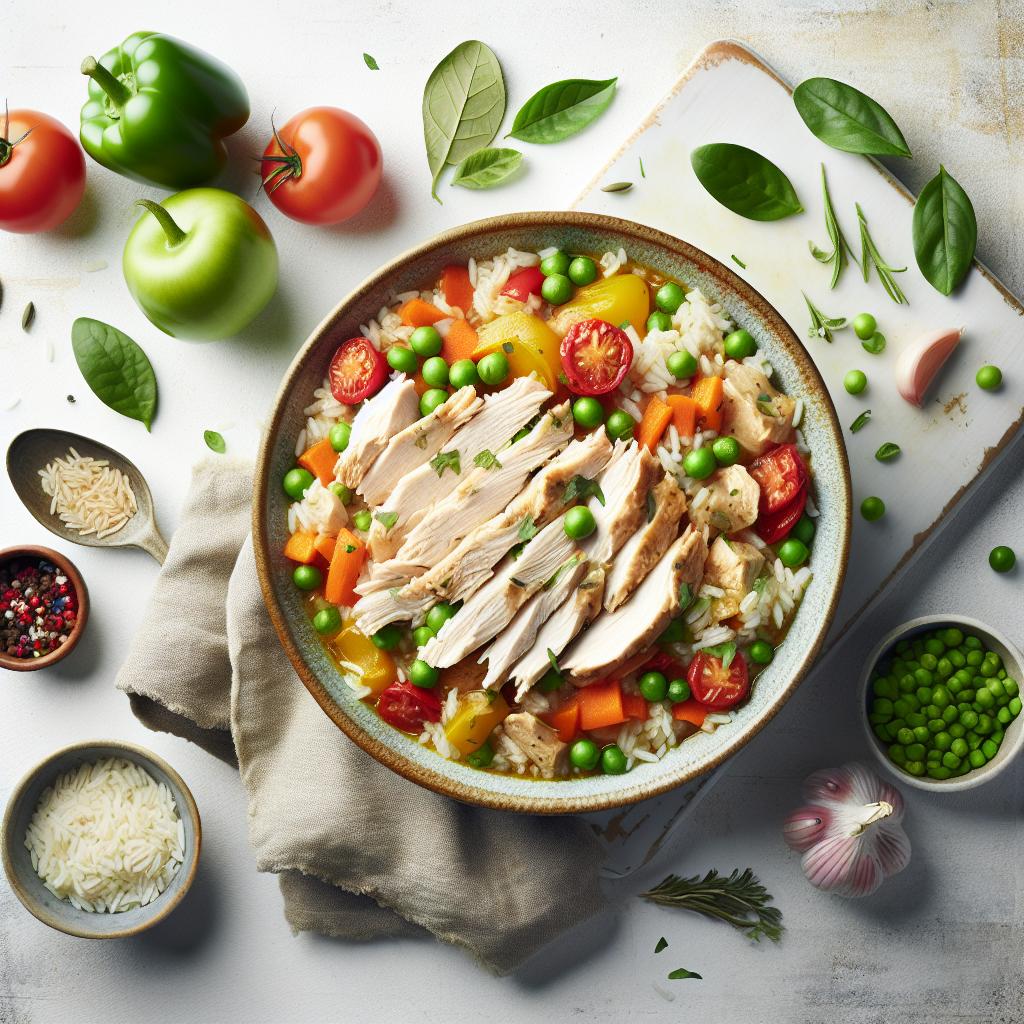
Serve steaming hot in deep bowls to showcase the stew’s body. Garnish with parsley or thyme sprigs for color and aroma.
Pair with crusty whole-grain bread or a crisp green salad for contrast. A dollop of Greek yogurt offers a cooling, tangy counterpoint to spicy versions.
Explore more related recipes on our site: see Healthy Hearty Stews Collection and Turkey Recipes for additional family-friendly ideas.

Nutritional Snapshot
Per serving, this stew delivers lean protein, moderate carbohydrates, and low fat when made with lean turkey. It provides a filling balance for active adults and families.
Approximate nutrition per serving: 320 kcal, 28 g protein, 25 g carbohydrates, 9 g fat. Values vary based on exact ingredients and portion size.
| Nutritional Info (per serving) | Amount |
|---|---|
| Calories | 320 |
| Protein | 28g |
| Carbohydrates | 25g |
| Fat | 9g |
For technical background on ingredients and methods, consult sources on the primary components: turkey, rice, and the cooking category stew. These references clarify protein characteristics and starch behavior.
Q&A
What makes turkey and rice stew reliably comforting?
Turkey yields a mild savory backbone that pairs well with the soft texture of rice. The starches in rice thicken the broth, creating a cohesive mouthfeel that many people associate with comfort food.
Can I use different types of rice?
Yes. Long-grain white rice gives a lighter texture. Brown rice needs longer cooking time and more liquid. Adjust simmer time and broth volume when substituting to prevent undercooked grains.
How should I store and reheat leftovers?
Store cooled stew in airtight containers in the refrigerator for up to 3 days. Reheat gently on the stovetop, adding a splash of broth to restore texture and prevent dryness.
Is this stew suitable for meal prep or freezing?
It freezes well if you slightly undercook the rice before freezing. Finish cooking after thawing to avoid overly soft grains. Label portions for easy reheating.
What flavor tweaks work best?
Add smoked paprika for warmth or a squeeze of lemon for brightness. Small amounts of umami-rich ingredients like tomato paste or low-sodium soy sauce can deepen the profile without masking turkey’s clean flavor.
Final Notes
This turkey and rice stew blends accessible technique with dependable flavor outcomes. The recipe rewards careful heat control and measured liquid ratios.
Repeat the basic method and adjust for your palate. The stew remains a flexible, nutritious option that fits weeknight dinners and batch cooking plans.
See also: turkey stew