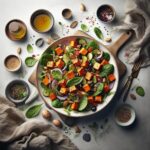


Roasted vegetables reward simple technique with rich flavor: sugars caramelize, textures concentrate, and edges crisp under dry heat. A well-executed roasted vegetables medley delivers color, aroma, and layered taste while remaining straightforward for weeknights or dinner parties.
- Roasted Vegetables: Fundamentals and science
- Key techniques that change results
- Prep and Cook Time
- Ingredients and smart swaps
- Instructions
- Preheat and oven rationale
- Cutting, sizing, and staging
- Tossing, spacing, and roasting
- Resting and finishing
- Tips for success
- Serving suggestions
- Nutritional snapshot
- Technique focus: caramelization and flavor chemistry
- Finishing touches and presentation
- FAQ
- How do I prevent soggy roasted vegetables?
- Which vegetables should I roast together?
- Can I roast frozen vegetables?
- What oils and seasonings work best?
- Are roasted vegetables healthy?
- Final notes
- Even cuts produce uniform cooking and consistent browning.
- High heat (425°F/220°C) encourages caramelization while preserving moisture.
- Single-layer roasting prevents steaming and yields crispy edges.
- Finish bright with acid or fresh herbs to lift roasted richness.
Roasted Vegetables: Fundamentals and science
Roasting concentrates vegetable flavor by driving off surface moisture and enabling browning reactions. Proper heat and surface contact encourage both sugar-driven caramelization and amino-acid reactions that change aroma and taste.
Understanding the physical chemistry helps predict outcomes. For quick reference on the cooking method, see roasting for an overview you can trust.
Key techniques that change results
Start with dry produce; excess moisture inhibits browning and encourages steaming. Pat vegetables dry after washing and use a light coating of oil so each surface reaches searing temperature rapidly.
Use a rimmed metal baking sheet for direct conduction and steam escape. Avoid covered dishes, which trap moisture and slow crust formation.
Prep and Cook Time
Preparation: 15 minutes of focused work achieves uniform sizes and balanced seasoning for consistent results. Consistent piece size equals consistent doneness for your roasted vegetables.
Cooking: 30–40 minutes at 425°F (220°C) typically works for a mixed medley. Dense roots may need a 10–15 minute head start; monitor from 25 minutes to prevent burning.
- Total: 45–55 minutes
- Serves: 4–6 as a side
- Difficulty: Easy — repeatable across skill levels
Ingredients and smart swaps
Choose firm, seasonal produce for the best texture and flavor. A typical base includes broccoli florets, rainbow carrots, bell peppers, golden beets, and red onion for variety and color.
Begin with 3 tbsp extra virgin olive oil as a baseline, then add a balanced spice mix: smoked paprika, garlic powder, cumin, sea salt, and freshly ground black pepper. Read about oil types and stability at olive oil.
- 2 cups broccoli florets
- 2 cups rainbow carrots, peeled and cut
- 1 cup red bell pepper, 1-inch chunks
- 1 cup golden beets, peeled and cubed
- 1 medium red onion, thick wedges
- 3 tbsp extra virgin olive oil
- 1 tsp smoked paprika
- 1/2 tsp garlic powder
- 1/2 tsp ground cumin
- 1 tsp sea salt, adjust to taste
- Black pepper, freshly ground
- 2 tbsp chopped fresh parsley, optional
Instructions
Follow a clear sequence: preheat, size cuts uniformly, toss with oil and seasonings, spread in a single layer, then roast until edges caramelize. This workflow minimizes guesswork and maximizes browning for roasted vegetables.
Work on a rimmed sheet pan with parchment or a light oil coating for even heat. If vegetables crowd, use a second pan or roast in batches to preserve airflow and crisping.
Preheat and oven rationale
Set the oven to 425°F (220°C) to promote surface browning while keeping interiors tender. High, steady heat accelerates crust formation without long drying times.
For faster searing, place an empty sheet pan in the oven while it heats; add the oiled vegetables to the pre-heated pan to increase conduction on contact. See more on conduction and surface heat in standard cooking references.
Cutting, sizing, and staging
Chop vegetables into uniform pieces; similar mass equals similar cook time. For dense roots, make pieces slightly smaller or give them a head start so the mix finishes at the same moment.
Group vegetables by density when tossing. If using sweet potatoes or beets, consider a 10-minute head start before adding softer items like peppers and zucchini to the pan.
Tossing, spacing, and roasting
Mix oil and dry seasonings in a large bowl, then toss vegetables so every surface receives a light coat. Too much oil inhibits browning; too little leaves pieces dry and uneven.
Spread the vegetables into a single layer with space between pieces. Roast for 30–40 minutes, stirring once halfway through to ensure even color and texture for the roasted vegetables medley.
Resting and finishing
Remove the pan when pieces show golden, crispy edges and a tender center. Let the tray rest for 3–5 minutes to let flavors settle and juices redistribute.
Finish with a bright element: a squeeze of lemon or a splash of aged balsamic lifts roasted depth. Fresh herbs added after roasting retain vibrancy and avoid wilting.
Tips for success
Choose produce that is firm, dry, and colorful; ripeness impacts sugar content and browning. Overripe vegetables release extra moisture and can steam instead of roast.
Cut pieces into consistent shapes to achieve uniform doneness. Mixing crisp and soft textures creates contrast on the plate and improves appeal for diners.
Spice variations: Try a Mediterranean mix with oregano and lemon zest, or a North African profile with cumin and coriander. Small changes shift the dish profile dramatically.
Toast crushed nuts or seeds and sprinkle them just before serving for crunch. For creaminess, add a dollop of labneh, yogurt, or hummus on the side to balance textures.
Make-ahead strategy: roast, cool on a rack, refrigerate, then reheat in a hot oven for 8–10 minutes to restore crisp edges. This approach saves time while preserving texture.
Serving suggestions
Serve the medley over warm grains like quinoa or farro for a complete vegetarian main. The texture of roasted vegetables pairs well with chewy grains and a bright finishing acid.
For a composed plate, add toasted almonds, pumpkin seeds, or crumbled feta. A finishing drizzle of high-quality olive oil or a light acid brightens the entire dish.
Explore internal resources for recipe variations and pairing ideas: see our Roasted Vegetables recipes collection and the roasting techniques guide for step-by-step visuals.
Nutritional snapshot
Roasted vegetables deliver fiber, vitamins, and phytonutrients while remaining moderate in calories when prepared with controlled oil. The roasting method preserves many heat-stable nutrients while increasing palatability.
Per serving values vary by mix, but a typical side provides roughly 140 kcal, 4 g protein, and beneficial micronutrients. Include diverse colors to maximize nutrient variety; see general produce information at vegetable.
| Nutritional Info (per serving) | Amount |
|---|---|
| Calories | 140 |
| Protein | 4g |
| Carbohydrates | 18g |
| Fat | 7g |
Technique focus: caramelization and flavor chemistry
Caramelization of natural sugars yields sweet, toasty notes and color development on vegetable surfaces. The rate depends on sugar concentration and surface temperature for each vegetable type.
Combine sugar-driven caramelization with the Maillard reaction to produce complex savory flavors. For mechanism specifics, consult caramelization for temperature guidance.
Finishing touches and presentation
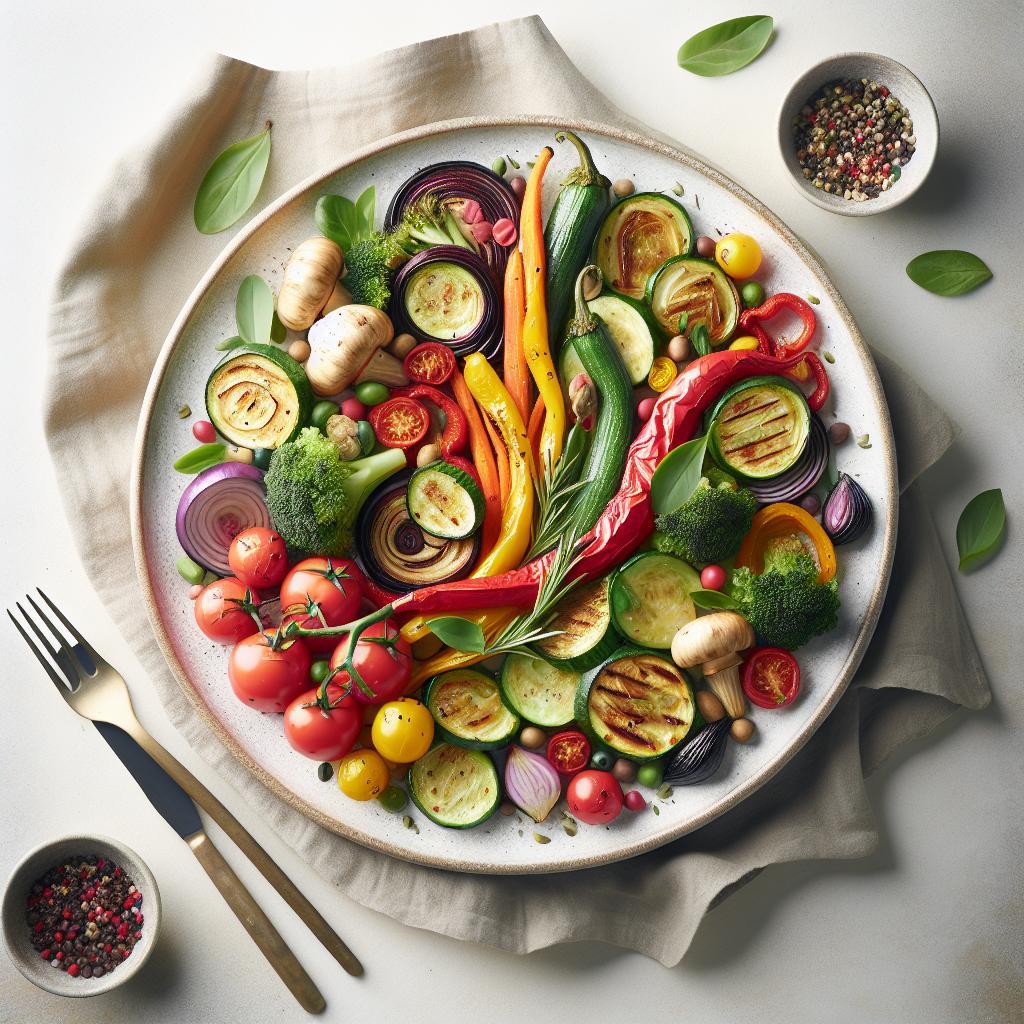
Serve the medley on a warm platter and scatter fresh herbs to inject aromatic freshness. Contrast of color and a final acid lift make dishes look composed and balanced to the eye and palate.
Use a shallow bowl or rustic board for family-style presentation. Garnish strategically to highlight texture and avoid overloading the plate with sauce that masks crisp edges.
FAQ
How do I prevent soggy roasted vegetables?
Use a single layer on a hot sheet pan and avoid overcrowding the pan. Lightly coat pieces with oil and ensure they are dry before roasting to promote browning rather than steaming.
Which vegetables should I roast together?
Group by density: roast root vegetables together and add tender vegetables later. Alternately, cut dense items smaller or give them a 10–15 minute head start in the oven for even finishing.
Can I roast frozen vegetables?
Frozen vegetables release extra moisture when thawed; pat them dry and increase oven temperature slightly. Roast on a hot, well-oiled pan and expect a shorter final cook time and slightly different texture.
What oils and seasonings work best?
Choose oils with a smoke point above your roasting temperature for stability. Olive oil is standard; experiment with spices like smoked paprika or herbs like rosemary to match your meal profile.
Are roasted vegetables healthy?
Yes. Roasting preserves many nutrients while enhancing flavor, which can increase vegetable intake. Use moderate oil amounts and pair with whole grains or legumes for balanced macronutrients.
Final notes
Roasting is a reliable technique to transform simple vegetables into a memorable dish. Small adjustments in cut size, heat, and seasoning deliver predictable, repeatable outcomes for roasted vegetables.
Practice with seasonal produce, experiment with spice blends, and apply the timing principles above. With these fundamentals, any cook can elevate roasted vegetables from a side to the meal’s highlight.

See also: Roasted Veggies
See also: roasted vegetables