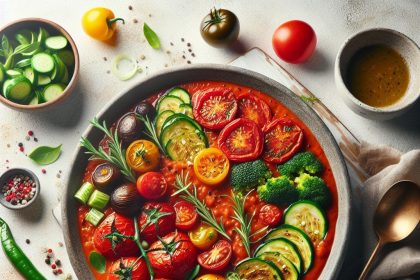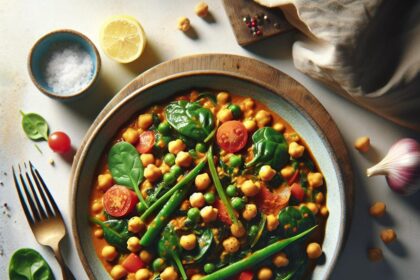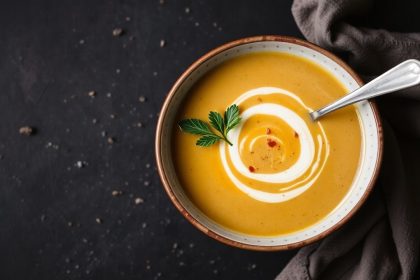

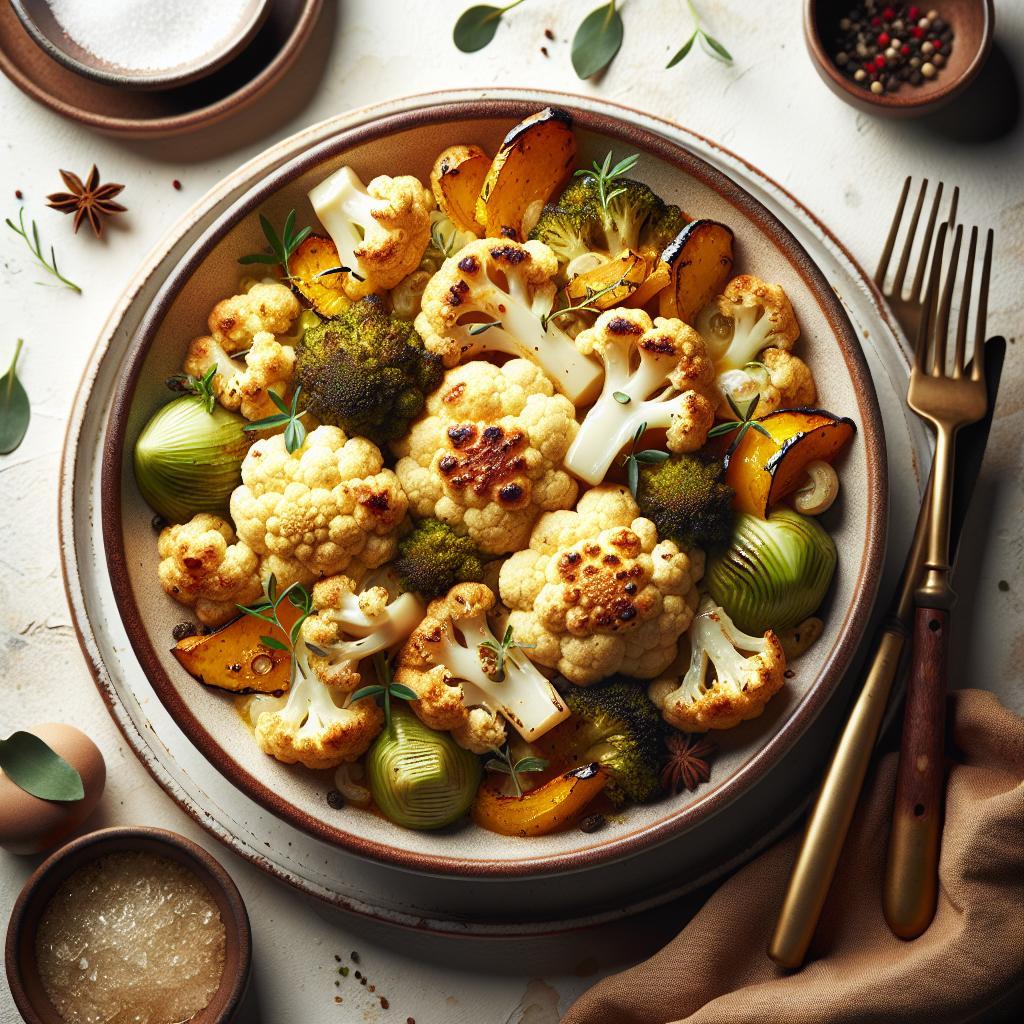

Golden Harvest: Crafting the Perfect Roasted Cauliflower Stew centers on turning a simple head of cauliflower into a richly spiced stew that balances caramelized sweetness and warm aromatics. Follow precise roasting and simmering steps to build layers of flavor and a satisfying texture in every spoonful.
- Overview
- Prep and Cook Time
- Yield and Difficulty
- Ingredients
- Instructions
- Tips for Success
- Variations and Add-ins
- Serving Suggestions
- Nutrition
- Quality Notes and Sourcing
- FAQ
- Q: What makes roasted cauliflower ideal for a stew?
- Q: Can I make this stew vegan and gluten-free?
- Q: How do I reheat leftovers without losing texture?
- Q: Can I freeze the stew?
- Q: Which spices can I adjust to suit personal taste?
- The Way Forward
- Roast first: Caramelizing the florets concentrates sweetness and adds depth.
- Layer spices: Bloom ground spices briefly to unlock aroma and complexity.
- Finish bright: Lemon and fresh herbs lift the stew and balance its richness.
Overview
This stew showcases roasted cauliflower as the primary flavor and texture anchor. Roasting drives Maillard reactions that bring a nutty, golden profile to the vegetable (cauliflower).
The recipe uses standard pantry spices and a modest set of vegetables to form a stew body. The approach suits weeknight cooking and scaled entertaining alike.
Prep and Cook Time
Preparation: 25 minutes. This includes trimming and seasoning the florets and prepping aromatics.
Roasting: 30 minutes. Roast at high heat to ensure color and flavor development. Stew simmering: 45 minutes. Total: About 1 hour 40 minutes.
Yield and Difficulty
Yield: Serves 6 generous portions when paired with rice or bread. Portions can vary depending on sides and appetites.
Difficulty: Medium. This recipe requires attention to roasting technique and spice toasting, but it uses straightforward, repeatable steps.
Ingredients
Gather these components for a balanced, aromatic stew. Use fresh produce where possible for the best texture and flavor.
The ingredient quantities below make a stew with a medium-thick broth suitable for serving over rice or with crusty bread.
- 1 large head cauliflower, cut into florets
- 3 tbsp extra virgin olive oil, divided
- 1 large onion, finely diced
- 4 cloves garlic, minced
- 1 tbsp fresh ginger, grated
- 2 medium carrots, sliced into coins
- 1 red bell pepper, chopped
- 1 can (14 oz) diced tomatoes
- 4 cups vegetable broth (use a clear, well-seasoned stock such as a vegetable stock or stock)
- 1 tbsp tomato paste
- 1 tsp ground cumin
- 1 tsp smoked paprika
- 1 tsp ground coriander
- 1/2 tsp turmeric
- 1/2 tsp cinnamon
- 1 bay leaf (bay leaf)
- 1 bunch fresh cilantro, chopped (reserve some for garnish)
- Salt and freshly ground black pepper, to taste
- Juice of 1 lemon
Instructions
Step 1 — Preheat and season: Set the oven to 425°F (220°C). Toss the cauliflower florets with 2 tablespoons of olive oil, salt, and pepper until evenly coated.
Step 2 — Roast: Arrange florets in a single layer on a rimmed baking sheet and roast about 30 minutes, turning once. Aim for deep golden edges; that browning concentrates sugars and builds flavor via the Maillard reaction (roasting).
Step 3 — Sauté aromatics: While the cauliflower roasts, heat the remaining tablespoon of oil in a heavy-bottomed pot over medium heat. Add the diced onion and cook until softened and translucent, about 6 minutes.
Step 4 — Build spice base: Stir in garlic and grated ginger for 1-2 minutes until fragrant. Add the carrots and bell pepper and cook for 4–5 minutes to soften the vegetables without losing texture.
Step 5 — Bloom spices: Incorporate tomato paste, diced tomatoes, and the dry spices: cumin, smoked paprika, coriander, turmeric, and cinnamon. Toast for 30–60 seconds to bloom the flavors; this step deepens aroma and integrates heat.
Step 6 — Simmer: Pour in the vegetable broth and add the bay leaf. Bring to a gentle boil, then reduce heat and simmer uncovered for 20 minutes to allow flavors to meld and the carrots to become tender.
Step 7 — Combine roasted cauliflower: Fold the golden roasted cauliflower into the stew and simmer another 10–15 minutes. This allows the cauliflower to absorb stewy flavors while maintaining pleasant texture.
Remove the bay leaf, stir in chopped cilantro and lemon juice, and adjust seasoning with salt and pepper before serving.
Finish with a quick taste test and final seasoning adjustments. A last-minute squeeze of lemon and a scattering of fresh herbs make a marked difference in brightness and contrast.
Tips for Success
Choosing your cauliflower: Pick heads that feel heavy for size with tight, compact curds and no discoloration. Fresher heads yield firmer florets and better caramelization.
Roasting tips: Spread florets in one layer and resist overcrowding the pan. Overcrowding causes steaming rather than roasting, which reduces browning and texture contrast.
Layer your cooking: Toast whole spices or briefly toast ground spices in the hot oil before adding liquids to magnify aroma. This technique is common in professional kitchens to extract essential oils.
Make-ahead and storage: The stew develops more depth after resting overnight. Refrigerate in an airtight container for up to 3 days or freeze portions for longer storage.
Variations and Add-ins
For added protein, fold in cooked chickpeas or white beans during the final simmer. Beans hold shape and add a complementary creamy texture.
To create a creamier consistency, stir in a spoonful of tahini or coconut yogurt just before serving. This adds richness without masking the roasted notes.
Herb and spice swaps
Swap cilantro for flat-leaf parsley if you prefer a brighter, less citrusy herb profile. Parsley pairs well with lemon and keeps the stew fresh.
Increase smoked paprika or add a pinch of chili flakes for more pronounced warmth. Adjust chili carefully to keep balance with the stew’s natural sweetness.
Serving Suggestions
Serve the stew in deep bowls garnished with chopped cilantro and toasted nuts like pine nuts or slivered almonds for crunch. The nuts add a contrasting texture and nutty flavor.
Pair with warm crusty bread, basmati rice, or couscous to soak up the broth. A wedge of lemon on the side invites guests to add extra brightness to their bowls.
Nutrition
This stew delivers a balanced macronutrient profile and is rich in fiber and vitamins from the vegetables. It works well in plant-forward meal plans that emphasize vegetable variety.
Below is a typical nutrient breakdown per serving to help with meal planning and calorie tracking.
| Nutrient | Amount per Serving |
|---|---|
| Calories | 210 kcal |
| Protein | 6 g |
| Carbohydrates | 25 g |
| Fat | 9 g |
Quality Notes and Sourcing
Ingredient quality affects final flavor. Use a good olive oil and a well-seasoned vegetable stock or homemade stock to create a robust base.
Buy seasonal cauliflower when possible for the best texture and cost. Seasonality often correlates with more intense flavor and lower price.
FAQ
Q: What makes roasted cauliflower ideal for a stew?
Roasted cauliflower develops caramelized edges and a deeper, slightly nutty flavor that becomes the stew’s backbone. This contrasts with the soft, saucy broth and improves mouthfeel.
Q: Can I make this stew vegan and gluten-free?
Yes. Use vegetable stock and ensure any optional toppings like yogurt are plant-based. The stew is naturally gluten-free if you avoid wheat-based sides.
Q: How do I reheat leftovers without losing texture?
Reheat gently over low heat on the stove, adding a splash of broth to restore looseness. Avoid high heat, which can break down texture and dull spices.
Q: Can I freeze the stew?
Freeze cooled portions in airtight containers for up to 3 months. Thaw overnight in the refrigerator and reheat slowly, stirring to reincorporate any separated liquids.
Q: Which spices can I adjust to suit personal taste?
Adjust smoked paprika for smokiness, turmeric for color and warmth, and cinnamon for subtle sweetness. Increase or reduce cumin and coriander to shift the stew toward earthier or brighter notes.
The Way Forward
Mastering this roasted cauliflower stew teaches a repeatable method: roast for depth, bloom spices for aroma, and finish with acid and herbs for balance. The technique transfers readily to other vegetable stews and braises.
Use this recipe as a template to experiment with legumes, seasonal vegetables, and different stocks. Each small change yields visible shifts in flavor and texture.

For additional reading on the vegetable and spice concepts used here, consult these reference entries: Cauliflower, Roasting, and Spices.
See also: Cauliflower stew