

Sizzling Chicken Tikka Skewers: A Flavorful Grill Guide
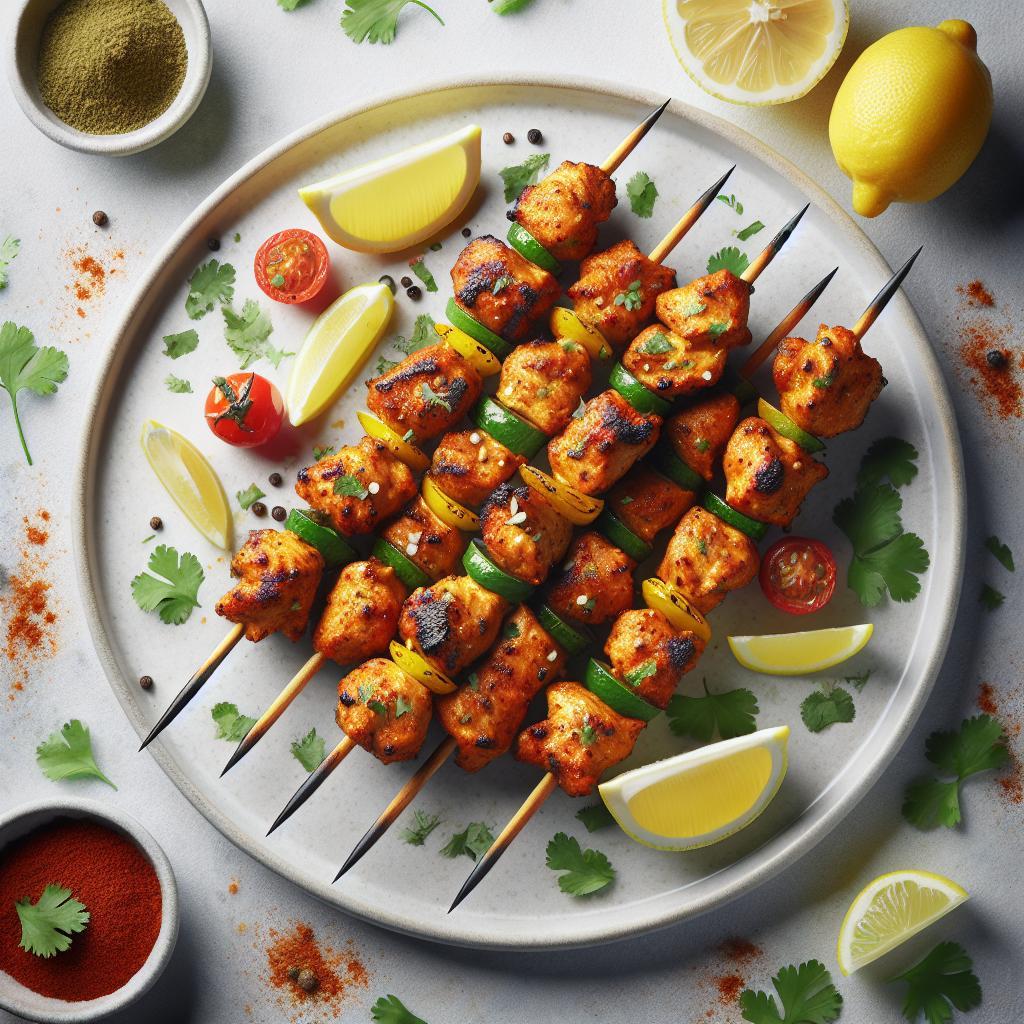
Few grilled dishes deliver the same balance of spice, char, and succulence as chicken tikka. These skewers combine a tangy yogurt-based marinade with warm spices and high-heat searing for a result that stays juicy while developing an attractive char.
- Why Chicken Tikka Works on the Grill
- Prep and Cook Time
- Yield and Difficulty
- Ingredients
- Instructions
- Tips for Success
- Serving Suggestions and Pairings
- Nutrition
- Practical Troubleshooting
- FAQ
- What cut of chicken is best for skewers?
- How long should I marinate for optimal flavor?
- Can I make the skewers indoors?
- How do I get the smoky flavor without a charcoal grill?
- How can I scale the recipe for a large crowd?
- Final Notes
- Balance acids and fat in the marinade for tenderness without drying the meat.
- Use thighs for a forgiving, juicy result when grilling on high heat.
- Manage heat to get caramelization without burning the spice crust.
Why Chicken Tikka Works on the Grill
Chicken tikka relies on two technical principles: enzymatic/acidity-based tenderizing and Maillard-driven surface caramelization. Yogurt and lemon tenderize proteins while spices infuse flavor; the grill adds color and the smoky notes consumers expect.
Understanding both processes helps you control texture and taste. For context on the grilling process, see grilling for heat ranges and surface reactions.
Prep and Cook Time
Preparation: 25 minutes active work, plus at least 4 hours (preferably overnight) for marinating. Rest time improves moisture retention and ensures even flavor penetration.
Cooking: About 12–16 minutes on a medium-high grill for 1½-inch cubes, flipping once or twice. Use an instant-read thermometer to confirm an internal temperature of 165°F (74°C).
Yield and Difficulty
Yield: Serves 4 as an appetizer or part of a main course. Portion sizes change if plated with rice or bread.
Difficulty: Medium. The technique is straightforward, but timing and heat control matter to prevent dryness or excessive charring.
Ingredients
Use quality ingredients and measured spice ratios for consistent results. Thick yogurt and thigh meat give the best texture and carry the spice flavors well.
Below is a practical ingredient list; adjust salt and chili to taste based on your audience and heat tolerance.
- 600 g boneless, skinless chicken thighs, cut into 1½-inch cubes
- 3/4 cup thick yogurt (use strained yogurt or Greek yogurt for body; see yogurt)
- 2 tbsp lemon juice, freshly squeezed
- 2 tbsp ginger-garlic paste
- 1 tbsp Kashmiri red chili powder for color (adjust heat separately)
- 1 tsp ground cumin
- 1 tsp ground coriander
- 1/2 tsp turmeric powder
- 1 tsp garam masala for warm, layered notes (see garam masala)
- 1 tbsp mustard oil or neutral oil
- Salt to taste
- Fresh cilantro for garnish
- Bamboo or metal skewers (soak bamboo 30+ minutes)
Instructions
Follow an organized workflow: trim, marinate, skewer, and grill. That sequence minimizes handling and ensures consistent doneness.
Below, the instructions break into preparation, marinating, and grilling sub-steps for clarity and execution control.
1. Prepare the Chicken and Marinade
Cut thighs into uniform cubes so they cook at the same rate. Trim excess fat but leave a thin layer for moisture and flavor.
Whisk yogurt, lemon juice, ginger-garlic paste, spices, oil, and salt until smooth. The acid and dairy should coat the meat evenly; this ensures proper tenderizing and flavor absorption.
2. Marinate Properly
Combine chicken with the marinade, pressing the mixture into the meat so every cube is coated. Use a non-reactive container or resealable bag for even contact.
Chill for at least 4 hours; overnight is optimal. Marinating longer than 24 hours can begin to affect texture, so plan accordingly.
3. Skewer and Grill
If using bamboo skewers, soak them first to reduce burning. Thread meat with a little space between pieces to allow airflow and even searing.
Preheat the grill to medium-high and oil grates lightly to prevent sticking. Grill 6–8 minutes per side, turning carefully to develop an even char without overcooking.
Tips for Success
Small technique tweaks yield big returns. Control cook time, manage marinade acidity, and choose the right cut to maximize tenderness and flavor.
Use a two-zone fire if possible: direct heat for searing then indirect heat to finish. This prevents an over-charred exterior and undercooked center.
- Marinade timing: 4–12 hours gives depth; avoid beyond 24 hours.
- Oil choice: Mustard oil adds pungency; neutral oils tolerate higher temperatures.
- Skewer spacing: Leave 1/4–1/2-inch gaps for even heat flow.
Serving Suggestions and Pairings
Pair skewers with cooling condiments and starches that soak up juices. Contrasting textures help highlight the tikka’s char and spice balance.
Classic accompaniments include cucumber raita, flatbreads, and lightly spiced rice. A simple lemon wedge brightens each bite and helps cut richness.
- Raita: Thick yogurt with cucumber and cumin provides cooling contrast.
- Breads: Warm naan or paratha soaks up the juices effectively.
- Beverage pairing: A chilled yogurt-based drink offsets heat and refreshes the palate.
Nutrition
Approximate per-serving values depend on cut and oil used. Use these as a guideline for portion planning.
| Nutrient | Per Serving |
|---|---|
| Calories | 320 kcal |
| Protein | 38 g |
| Carbohydrates | 6 g |
| Fat | 14 g |
Practical Troubleshooting
If skewers dry out, the likely causes are overcooking, using lean breast without oil, or an overly acidic marinade. Address each factor systematically.
To recover slightly dry chicken, slice and toss with a small amount of warm butter or a splash of stock and hold briefly under low heat. Serve immediately to mask dryness and restore mouthfeel.

FAQ
What cut of chicken is best for skewers?
Boneless, skinless chicken thighs are the preferred choice because their higher fat content tolerates high heat and resists drying. Thighs produce a juicier finished product and absorb spice better than lean breast meat.
How long should I marinate for optimal flavor?
Marinate at least 4 hours for meaningful flavor penetration; overnight (8–12 hours) is ideal. Avoid exceeding 24 hours to prevent textural breakdown from prolonged acid exposure.
Can I make the skewers indoors?
Yes. Use a hot cast-iron grill pan or the broiler to mimic high-heat searing. Watch closely and turn frequently to avoid burning; indoor methods cook faster than outdoor grills.
How do I get the smoky flavor without a charcoal grill?
Add a small pinch of smoked paprika to the spice mix or use a smoking device briefly over a hot grill. Alternatively, finish skewers over a gas flame for a touch of char and smoke.
How can I scale the recipe for a large crowd?
Multiply ingredient ratios and marinate in batch containers or large resealable bags. Stagger grilling across direct and indirect zones to maintain consistent sear and internal temperature control.
Final Notes
Mastering chicken tikka skewers hinges on measured marinades, consistent cuts, and controlled heat. Apply the technical tips here and you will achieve repeatable, juicy results every cookout.
Experiment with small variations—herbs, citrus, or mild smoke—to make the recipe your own while keeping the core technique intact. Happy grilling.
See also: Chicken Tikka