
By using this site, you agree to the Privacy Policy and Terms of Use.
Accept
CookOrBitCookOrBitCookOrBit
  • Home
  • About Us
  • Ingredient Science
    • Flavor & Aroma
    • Protein Chemistry
    • Sugar & Starch
    • Fats & Emulsions
  • Cooking Techniques
    • Searing & Grilling
    • Baking & Roasting
    • Boiling & Steaming
    • Low & Slow
  • Kitchen Experiments
    • DIY Ferments
    • Flavor Tests
    • Gadget Testing
    • Molecular Gastronomy
  • Food Myths
    • Searing Myth
    • 5-Second Rule
    • MSG Myths
    • Microwave Myths
  • Tools
  • More
    • Extra Picks
    • Quick & Easy
      • Breakfast Ideas
      • Desserts
      • Snacks
      • Soups
    • Global Flavors
      • Asian Street Eats
      • Latin Comforts
      • Mexican Flavors
      • Modern Mediterranean
CookOrBitCookOrBit
  • Home
  • About Us
  • Ingredient Science
  • Cooking Techniques
  • Kitchen Experiments
  • Food Myths
  • Tools
  • More
Search
  • Home
  • About Us
  • Ingredient Science
    • Flavor & Aroma
    • Protein Chemistry
    • Sugar & Starch
    • Fats & Emulsions
  • Cooking Techniques
    • Searing & Grilling
    • Baking & Roasting
    • Boiling & Steaming
    • Low & Slow
  • Kitchen Experiments
    • DIY Ferments
    • Flavor Tests
    • Gadget Testing
    • Molecular Gastronomy
  • Food Myths
    • Searing Myth
    • 5-Second Rule
    • MSG Myths
    • Microwave Myths
  • Tools
  • More
    • Extra Picks
    • Quick & Easy
    • Global Flavors
Follow US
  • Advertising Policy: 10 Practical Rules for Safe, Compliant Ads
  • Contact Us
  • Cookie Policy: Clear Guide for Site Owners
  • Copyright Notice Guide: 7 Essential Rules for Website Owners
  • Disclaimer
  • Privacy Policy
  • Terms of Service
By Fimaw.com
- Frozen Steak Searing: Culinary Risks and Surprising Results
CookOrBit > Blog > Cooking Techniques > Searing & Grilling > Frozen Steak Searing: 7 Proven Risks and Practical Techniques
Searing & Grilling

Frozen Steak Searing: 7 Proven Risks and Practical Techniques

William J. Kroll
By William J. Kroll
Published: October 2, 2025
Share
SHARE

Frozen Steak Searing: Culinary Risks and Surprising Results

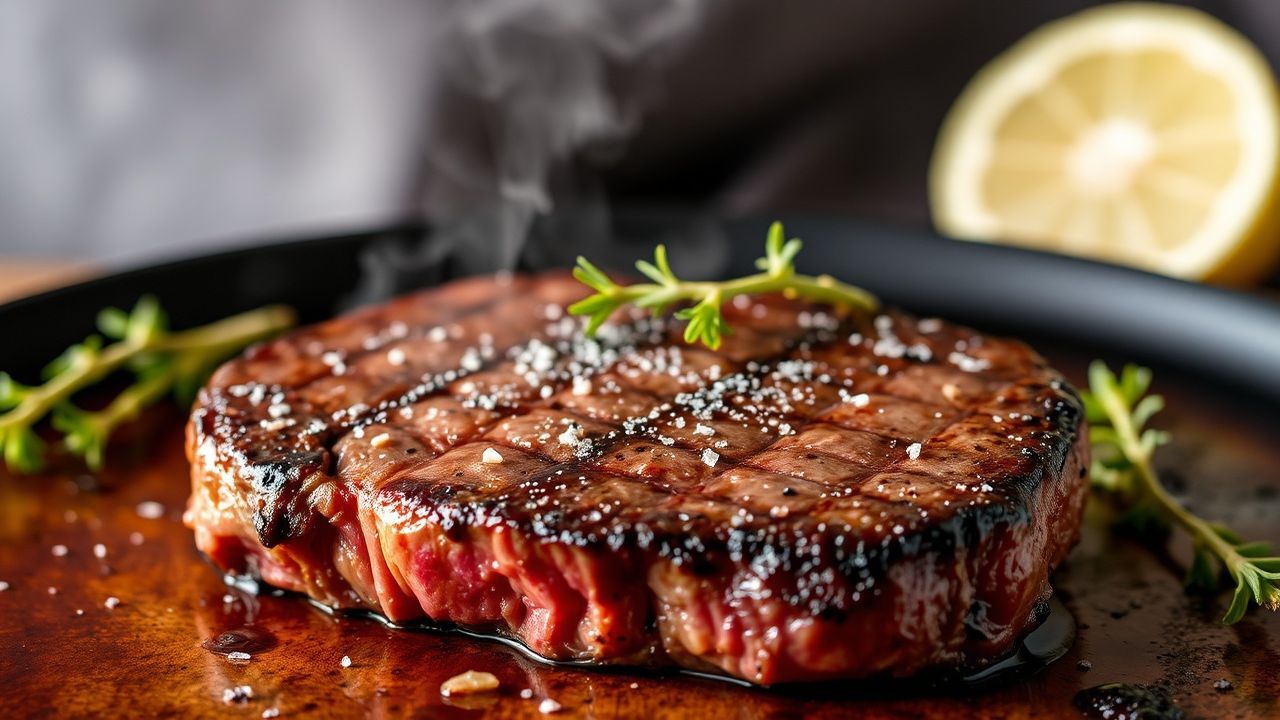
Searing a steak straight from the freezer tests conventional cooking rhythm and rewards precise technique. This guide explains what changes when you skip thawing, how to manage heat and moisture, and which steps reduce risk while improving flavor.

Contents
  • Why sear frozen steak?
  • Prep, Cook Time, and Yield
    • Cooking time by thickness
  • Ingredients and Equipment
  • Technique: Step-by-step
    • Heat management
  • Safety and Internal Temperature
  • Tips for Success
    • Common mistakes
  • Why chefs sometimes prefer alternative finishes
  • Serving Suggestions
  • Nutrition and Yield
  • FAQ
    • Can you sear steak straight from the freezer?
    • What are the main risks of searing frozen steak?
    • How do I check doneness when cooking from frozen?
    • Which pans and fats work best?
    • Should I try this at home or stick to thawing?
  • Quick summary: a hot sear plus gentle finish can produce a crusty exterior and a juicy center.
  • Key risk: uneven cooking and surface steaming if heat management fails.
  • Tools matter: heavy pans and an instant-read thermometer cut uncertainty.
  • Safety tip: verify internal temperature before serving.

Why sear frozen steak?

Searing from frozen saves time and limits spoilage from repeated thawing. It also changes how the Maillard reaction develops because the outer layer meets extreme heat while the core stays cold.

When you create that deep brown crust, the Maillard reaction drives rich flavor and color. Read more about the chemistry behind browning at Maillard reaction.

- Advertisement -

Prep, Cook Time, and Yield

Preparation: 5 minutes. Cooking: 20–25 minutes depending on thickness. Total: about 30 minutes for a standard 1–1.5-inch cut.

This timing assumes a quick, high-heat sear followed by finishing in a moderate oven. Use an instant-read thermometer to target internal temperatures precisely.

Cooking time by thickness

Thickness alters how long the oven step takes. A 1-inch steak needs less oven time than a 1.5-inch steak to reach medium-rare.

- Advertisement -

Plan for an extra 5–10 minutes in the oven for steaks at the thicker end of the range. Always measure internal temperature rather than relying on visual cues alone.

Ingredients and Equipment

Ingredients are straightforward: frozen ribeye or similar cut, high smoke point oil, butter, garlic, and herbs. Keep seasonings simple when the meat is frozen.

Choose heavy cookware. A massy pan stores heat and helps vaporize surface ice, which supports crust formation. See the benefits of heavy pans at cast-iron skillet.

- Advertisement -
  • 1 frozen ribeye (10 oz, 1–1.5 in thick)
  • 1 tbsp high smoke point oil (grapeseed, avocado, refined canola)
  • 1 tsp kosher salt
  • ½ tsp black pepper
  • 2 tbsp unsalted butter, 2 cloves garlic, 2 sprigs thyme or rosemary

Technique: Step-by-step

This is a two-stage approach: sear hard, finish gently. Preheating the oven and a heavy skillet balances rapid crusting with controlled internal cook-through.

Keep each action deliberate. Overcrowding, low heat, or impatience converts the process to steaming and ruins the crust.

  1. Preheat oven to 375°F (190°C). A moderate oven finishes the center without overcooking the crust.
  2. Heat a heavy skillet over medium-high until hot. Add oil and let it shimmer; you want surface vaporization when the frozen steak lands.
  3. Place the frozen steak on the pan. Sear undisturbed for 3–4 minutes to build a deep brown crust.
  4. Flip carefully and add butter, garlic, and herbs. Baste with the melted butter to support even browning.
  5. Sear second side for 3–4 minutes, then transfer the skillet to the oven to finish—10–15 minutes typical for medium-rare.
  6. Rest the steak under loose foil for 5–7 minutes before slicing against the grain.

Heat management

Use medium-high for the initial sear but avoid raging flames that brown too quickly without penetrating. If the oil smokes excessively, reduce heat slightly.

After searing, the oven provides even conduction. That transition avoids a burnt exterior with a raw center when the surface cooks faster than the interior.

Safety and Internal Temperature

Food safety depends on internal temperature, not external appearance. Use an instant-read thermometer to confirm doneness across the center of the steak.

Aim for 125°F (52°C) for medium-rare, 135°F (57°C) for medium. For safety guidance and context on handling, see Food safety.

⚠️ Pro-Caution
Pro-Caution: Frozen meat releases water as it cooks. That water can steam the surface and prevent browning. Keep pan space and heat steady to avoid long steaming phases that produce uneven temperature profiles.

After resting, verify temperature near the thickest part. If the core falls short of your target, return to the oven briefly rather than slicing early.

Tips for Success

Pat the steak dry with paper towels to reduce surface ice. Fewer surface crystals mean less steam when the meat hits the pan.

Seasoning after searing can work, but a light dust of salt before searing helps draw flavors into the crust. Adjust technique by cut and thickness.

💡 Expert Insight
Expert Insight: Reserve a probe thermometer during the cook if available. Continuous temperature monitoring gives predictable carryover during resting and prevents overshoot.

Common mistakes

Flipping too soon is the fastest way to lose crust. Let the meat form a stable crust before moving it; that shell resists tearing and maintains juices.

Using low-mass pans or overcrowding the skillet reduces pan temperature and increases steaming. Work in single layers and preheat between batches.

Why chefs sometimes prefer alternative finishes

Chefs often combine searing with slow or controlled methods to guarantee doneness. For example, some sear quickly then finish by sous-vide or in a low oven to hold exact temperatures.

Finishing techniques trade time for consistency. When repeatable results and texture control matter, controlled-temperature methods reduce variance compared with oven-only approaches.

Serving Suggestions

Serve the sliced steak with simple, high-acid or herb-driven sides to cut richness. Lemon-dressed greens or roasted vegetables provide balance.

A pat of herb butter or a light pan jus elevates perceived juiciness. Keep garnishes minimal so the sear and meat quality remain the star.

Nutrition and Yield

Typical nutrition for a 10 oz cooked ribeye seared from frozen will vary with fat content and cooking loss. The table below presents a reasonable estimate per serving.

Nutrient Amount per Serving
Calories 450 kcal
Protein 42 g
Carbohydrates 1 g
Fat 32 g

Adjust portions and sides for your diet goals. Searing does not materially change macronutrient totals compared with conventional thawed cooking.

FAQ

Can you sear steak straight from the freezer?

Yes. You can sear a steak from frozen if you manage heat properly and finish the interior slowly. The method relies on a strong initial sear and a gentle cook-through step to avoid raw spots.

What are the main risks of searing frozen steak?

The primary risks are uneven cooking and surface steaming. Excess moisture can turn a potential crust into a soggy surface, and the center can remain undercooked without careful finishing.

How do I check doneness when cooking from frozen?

Use an instant-read thermometer inserted into the thickest part of the steak. Target your preferred internal temperature and allow for carryover during resting.

Which pans and fats work best?

Heavy, high-mass pans like cast iron provide thermal stability and help vaporize surface moisture quickly. Use oils with a high smoke point and add butter late for flavor.

Should I try this at home or stick to thawing?

If you enjoy kitchen experimentation and have the right tools, searing from frozen is a solid option. For absolute consistency, thaw-first methods remain the simplest route for predictable results.

Further reading: Explore related techniques in our internal guide on perfect sear steak techniques for more controlled approaches and troubleshooting.

See also: frozen steak

7 Winning Tips to Make Fermented Foods Fun for Family Meals
7 Pro Tips for Chicken Fried Rice
10 Proven Tips for Crispy Zucchini Fritters with Creamy Yogurt Dip
7 Science-Backed Insights: Unlocking the Protein Bar
Grilled Cabbage Wedges: 7 Science-Backed Techniques for Perfect Char
TAGGED:andcast iron skilletculinaryfood safetyfrozenFrozen steakinstant read thermometerMaillard reactionSearing techniquessteakSteak searingthe
Share This Article
Facebook Pinterest Whatsapp Whatsapp LinkedIn Telegram Threads
What do you think?
Love0
Sad0
Happy0
Sleepy0
Angry0
Dead0
Wink0
Previous Article - Why Are My Cookies Flat and Greasy? Baking Fixes Explained Fix Flat and Greasy Cookies: 9 Proven Baking Fixes
Next Article - Unlocking Sweet Science: The Art and Magic of Caramelization Unlocking Sweet Science: 9 Expert Secrets to Perfect Caramelization
Creamy Garlic Chicken with melted Parmesan and fresh herbs on a rustic white plate
Garlic Chicken: 7 Ultimate Brilliant Recipes to Make the Best-Ever Creamy Garlic Chicken with Parmesan & Fresh Herbs
Extra Picks
Colorful bowls of Leftover Couscous transformed into salads, fritters, and stuffed peppers.
12 Amazing Practical Leftover Couscous Ideas: Brilliant Ways to Reuse and Remix
Uncategorized
Colorful jars of spice blends beside steaming couscous with herbs and lemon
7 Ultimate spice blends That Transform Your Couscous — Amazing Best Flavor Boosts
Uncategorized
Bowls of gluten-free couscous alternatives: quinoa, millet, cauliflower, and rice
10 Amazing couscous alternatives: Best Gluten-Free Swaps for Incredible Flavor
Uncategorized

Tags

and art baked baking science baking techniques Baking tips batch cooking beef behind browning techniques butternut squash caramelization cast iron skillet chemistry chicken comfort food Cooking science cooking technique Cooking techniques Cooking tips crafting creamy creamy soup crispy culinary science fish flavor flavor chemistry food food safety Food science for garlic golden Ground turkey hearty heat high-heat cooking high protein meals how instant read thermometer Lean protein magic Maillard reaction make ahead meals make ahead soup mastering meal prep Meal prep recipes meat thermometer microwave microwave cooking moisture control one pot meals Pan searing perfect perfectly Plant based protein Probe thermometer protein denaturation Quick dinners roasted roasted squash roasted tomato soup Roasted vegetables Roasting techniques savor savory science Searing technique Searing techniques secrets slow cooking squash steak steak cooking sweet temperature control the top turkey turkey soup turkey stew ultimate umami cooking umami flavor unlock unlocking unveiling vegetable velvety weeknight dinner Weeknight dinners weeknight meals what when why with your zesty
April 2026
M T W T F S S
 12345
6789101112
13141516171819
20212223242526
27282930  
« Mar    

You Might Also Like

Soulful Sips: The Art of Roasted Tomato Soup Unveiled
Extra Picks

Soulful Sips: 7 Pro Secrets to Roasted Tomato Soup Mastery

William J. Kroll
William J. Kroll
February 13, 2026
- Master the Art: Stop Oatmeal from Boiling Over Easily
Microwave Myths

Stop Oatmeal Boilover: 7 Proven Ways That Always Work

William J. Kroll
William J. Kroll
October 29, 2025
- Why '00' Flour Makes Pasta Perfect: The Secret Ingredient
Protein Chemistry

7 Proven Reasons 00 Flour Makes Pasta Perfect

William J. Kroll
William J. Kroll
November 10, 2025
- Crafting the Perfect Bloody Mary Sphere: A Liquid Twist Guid
Molecular Gastronomy

Crafting the Perfect Bloody Mary Sphere: 7 Expert Steps for Precision

William J. Kroll
William J. Kroll
November 4, 2025
The Science Behind Crafting the Perfect Creamy Aioli
Fats & Emulsions

7 Expert Steps to Craft the Perfect Creamy Aioli

William J. Kroll
William J. Kroll
January 12, 2026
Zesty Baked Salmon with Lemon Butter: A Flavorful Delight
Extra Picks

7 Irresistible Zesty Baked Salmon Tips with Lemon Butter

William J. Kroll
William J. Kroll
January 2, 2026
Follow US
By Fimaw.com © All Rights Reserved.
  • Advertising Policy: 10 Practical Rules for Safe, Compliant Ads
  • Contact Us
  • Cookie Policy: Clear Guide for Site Owners
  • Copyright Notice Guide: 7 Essential Rules for Website Owners
  • Disclaimer
  • Privacy Policy
  • Terms of Service
Welcome Back!

Sign in to your account

Username or Email Address
Password

Lost your password?