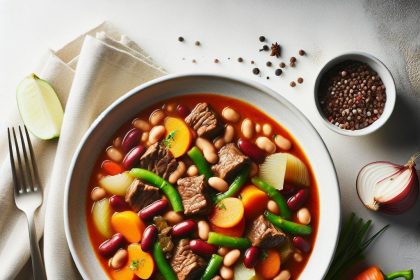

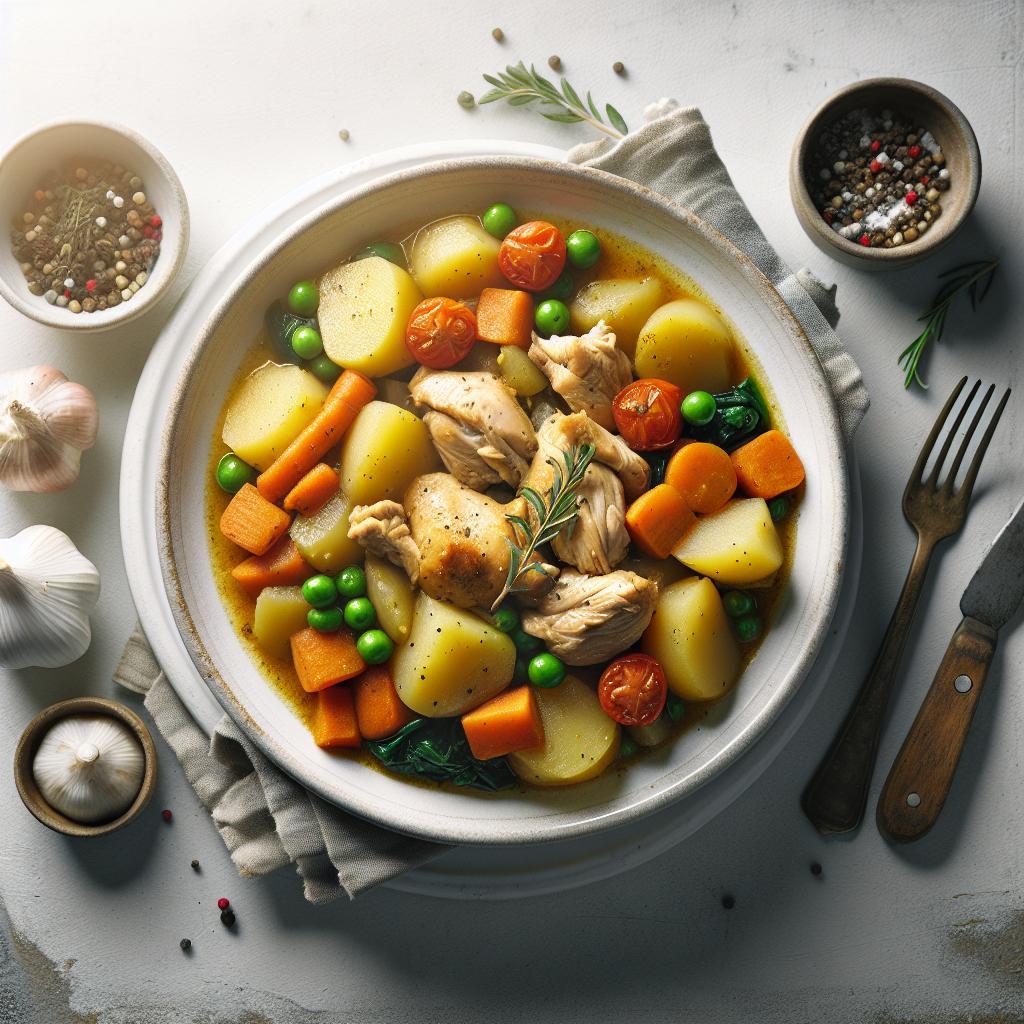

There’s something unmistakable about a steaming bowl of hearty chicken and potato stew. It warms the body, calms the mind, and relies on a few disciplined techniques to reach its full potential.
- Discover the Soul-Warming Ingredients That Make This Stew Irresistible
- Step-by-Step Instructions for a Consistent, Tender Stew
- Tips for Success from a Professional Cook
- Serving Suggestions to Elevate the Experience
- Nutritional Information and Portioning
- Storage, Reheating, and Safety
- Technical Notes: Roux, Starch, and Texture Control
- Final Notes on Flavor Variations
- FAQ
- Use seared chicken to build depth early.
- Choose waxy potatoes like Yukon Gold for texture control.
- Control simmer to avoid stringy meat and broken potatoes.
- Finish with cream or roux for a velvety mouthfeel.
Discover the Soul-Warming Ingredients That Make This Stew Irresistible
This stew rests on classic components: quality poultry, starchy potatoes, aromatic vegetables, and a simple stock. The elemental chemistry between protein, starch, and fat creates the comforting texture we expect from a true stew.
When choosing meat, lean toward bone-in cuts for stock depth or boneless thighs for consistent tenderness. For background on the primary protein, consult the chicken reference for breed and cut considerations.
Prep and Cook Time
- Prep Time: 20 minutes
- Cook Time: 1 hour 15 minutes
- Total Time: 1 hour 35 minutes
Yield
Serves 6 — ample portions for a family or to stretch across two meals. Plan for leftovers: flavors concentrate overnight and often taste better the next day.
Difficulty Level
Medium. The recipe uses basic knife work and controlled simmering. It rewards patience rather than advanced technique.
Ingredients
Gather fresh, reliable ingredients to keep the final dish balanced and clean. Small differences in ingredient quality yield measurable improvements in texture and aroma.
- 2 lbs boneless, skinless chicken thighs, cut into 1½-inch pieces
- 1½ lbs Yukon Gold potatoes, peeled and cut into bite-sized chunks
- 2 tablespoons olive oil or vegetable oil
- 1 large onion, finely diced
- 3 cloves garlic, minced
- 3 medium carrots, peeled and sliced diagonally
- 2 stalks celery, sliced
- 4 cups low-sodium chicken broth
- 1 cup whole milk or heavy cream
- 2 tablespoons all-purpose flour
- 1 teaspoon dried thyme
- 1 teaspoon paprika
- 1 bay leaf
- Salt and freshly ground black pepper, to taste
- Fresh parsley, chopped, for garnish
Step-by-Step Instructions for a Consistent, Tender Stew
Follow these steps with attention to heat control and timing to preserve texture. Each stage builds flavor; skip none and you will see the difference.
Use a heavy-bottomed pot to distribute heat evenly and prevent hot spots. A Dutch oven works particularly well for steady simmering and even browning.
- Prepare the chicken: Heat oil in a large pot over medium-high heat. Pat chicken pieces dry, season with salt and pepper, and sear until golden, about 5–6 minutes. Remove and set aside.
- Sauté aromatics: Reduce heat to medium. Add onion, carrots, and celery and cook until softened, about 8 minutes. Add garlic and cook another minute.
- Create the roux base: Sprinkle flour over the vegetables and stir constantly for 1–2 minutes to cook the raw taste out and create a thickening base.
- Build the stew: Whisk in broth gradually to prevent lumps. Add bay leaf, thyme, and paprika. Return chicken to the pot and add potatoes.
- Simmer gently: Bring to a boil, then reduce to a low simmer. Partially cover and cook until chicken is tender and potatoes yield easily to a fork, about 40–45 minutes. Stir occasionally to prevent sticking.
- Finish with creaminess: Stir in milk or cream and cook uncovered for 5–7 minutes to meld flavors. Adjust salt and pepper. Remove bay leaf before serving.
Tips for Success from a Professional Cook
Small technique changes deliver big returns. Browning creates Maillard compounds that provide the savory backbone for the stew’s final flavor.
Choose a potato with moderate starch; Yukon Gold offers a creamy mouthfeel and holds shape well. Avoid very waxy varieties if you want slight breakdown for thickening.
After the tip, give the pot a gentle stir and reduce heat as needed. Taste at key stages and adjust seasonings gradually rather than all at once.
- Pat chicken dry to ensure a crisp, flavorful sear.
- Control moisture during searing by working in batches.
- Thicken carefully — add extra flour or mash a few potatoes for body without over-thinning.
- Make ahead: Chill overnight; reheat gently with a splash of broth to re-emulsify fats for a fresh mouthfeel.
Serving Suggestions to Elevate the Experience
Present the stew in deep bowls and garnish with chopped parsley to add brightness against the rich base. A final drizzle of good olive oil also lifts the aroma and mouthfeel.
Offer warm, crusty bread or soft dinner rolls for dipping. For acidity and contrast, serve a crisp salad with a light lemon vinaigrette on the side to cut through the richness.
Nutritional Information and Portioning
Estimate calories and macronutrients per serving to help diners plan balanced meals. Standard portioning ensures nutritional consistency when serving a group.
The table below approximates typical values per serving based on the ingredients listed. Values vary with substitutions and portion sizes.
| Nutrient | Per Serving |
|---|---|
| Calories | 420 kcal |
| Protein | 35 g |
| Carbohydrates | 30 g |
| Fat | 15 g |
Storage, Reheating, and Safety
Cool the stew quickly by dividing into shallow containers before refrigeration. Rapid cooling reduces bacterial growth and preserves texture.
Store in airtight containers for 3–4 days in the refrigerator or freeze for up to 3 months. Reheat gently on the stovetop and add a splash of broth or milk to restore creaminess.
Technical Notes: Roux, Starch, and Texture Control
Create a light roux by cooking flour with the sautéed vegetables to eliminate raw flour taste and to provide controlled thickening. A pale roux thickens without heavy color development.
If you prefer a gluten-free thickener, replace flour with a cornstarch slurry added near the finish. For a deeper flavor base, simmer with short bursts of higher heat early, then transition to a low simmer.
For reference on the culinary technique that creates a thickening base, consult the roux entry for practical ratios and color notes.
Final Notes on Flavor Variations
You can adjust herb and spice profiles to match regional tastes. Robust herbs like rosemary pair well with chicken and potato; use sparingly to avoid overpowering the broth.
Smoked paprika adds warmth and subtle smoke without heat. For a dairy-free option, substitute coconut milk or full-flavored vegetable stock and follow the same thickening approach.
FAQ
What makes chicken and potato stew a timeless comfort food?
It combines simple, whole ingredients into a warm, nutrient-dense meal. The balance of tender protein and starchy potatoes creates a satisfying mouthfeel that people associate with home cooking.
How do I achieve a velvety texture without overcooking the chicken?
Sear the chicken to lock in juices and simmer gently at low heat. Avoid rolling boils; maintain a barely perceptible simmer and test chicken with a fork for tenderness.
Can this recipe be adapted for dietary restrictions?
Yes. Swap cream for coconut milk for dairy-free diets. Use cornstarch or potato starch as a gluten-free thickener. Replace chicken with mushrooms or legumes for a vegetarian alternative.
How should I store and reheat leftovers?
Refrigerate in airtight containers for up to 4 days or freeze portions up to 3 months. Reheat gently on the stovetop and stir in a splash of broth to refresh texture.
Which herbs best complement this stew?
Thyme and bay leaf deliver classic, woodsy notes while parsley adds brightness at the end. For more context on herbs used here, see the thyme entry for flavor characteristics and culinary uses.

See also: chicken stew