
By using this site, you agree to the Privacy Policy and Terms of Use.
Accept
CookOrBitCookOrBitCookOrBit
  • Home
  • About Us
  • Ingredient Science
    • Flavor & Aroma
    • Protein Chemistry
    • Sugar & Starch
    • Fats & Emulsions
  • Cooking Techniques
    • Searing & Grilling
    • Baking & Roasting
    • Boiling & Steaming
    • Low & Slow
  • Kitchen Experiments
    • DIY Ferments
    • Flavor Tests
    • Gadget Testing
    • Molecular Gastronomy
  • Food Myths
    • Searing Myth
    • 5-Second Rule
    • MSG Myths
    • Microwave Myths
  • Tools
  • More
    • Extra Picks
    • Quick & Easy
      • Breakfast Ideas
      • Desserts
      • Snacks
      • Soups
    • Global Flavors
      • Asian Street Eats
      • Latin Comforts
      • Mexican Flavors
      • Modern Mediterranean
CookOrBitCookOrBit
  • Home
  • About Us
  • Ingredient Science
  • Cooking Techniques
  • Kitchen Experiments
  • Food Myths
  • Tools
  • More
Search
  • Home
  • About Us
  • Ingredient Science
    • Flavor & Aroma
    • Protein Chemistry
    • Sugar & Starch
    • Fats & Emulsions
  • Cooking Techniques
    • Searing & Grilling
    • Baking & Roasting
    • Boiling & Steaming
    • Low & Slow
  • Kitchen Experiments
    • DIY Ferments
    • Flavor Tests
    • Gadget Testing
    • Molecular Gastronomy
  • Food Myths
    • Searing Myth
    • 5-Second Rule
    • MSG Myths
    • Microwave Myths
  • Tools
  • More
    • Extra Picks
    • Quick & Easy
    • Global Flavors
Follow US
  • Advertising Policy: 10 Practical Rules for Safe, Compliant Ads
  • Contact Us
  • Cookie Policy: Clear Guide for Site Owners
  • Copyright Notice Guide: 7 Essential Rules for Website Owners
  • Disclaimer
  • Privacy Policy
  • Terms of Service
By Fimaw.com
- Bamboo Steamers: Ancient Cooking Magic Explained
CookOrBit > Blog > Cooking Techniques > Boiling & Steaming > Bamboo Steamers: 7 Proven Techniques for Perfect Steam Cooking
Boiling & Steaming

Bamboo Steamers: 7 Proven Techniques for Perfect Steam Cooking

William J. Kroll
By William J. Kroll
Published: November 7, 2025
Share
SHARE

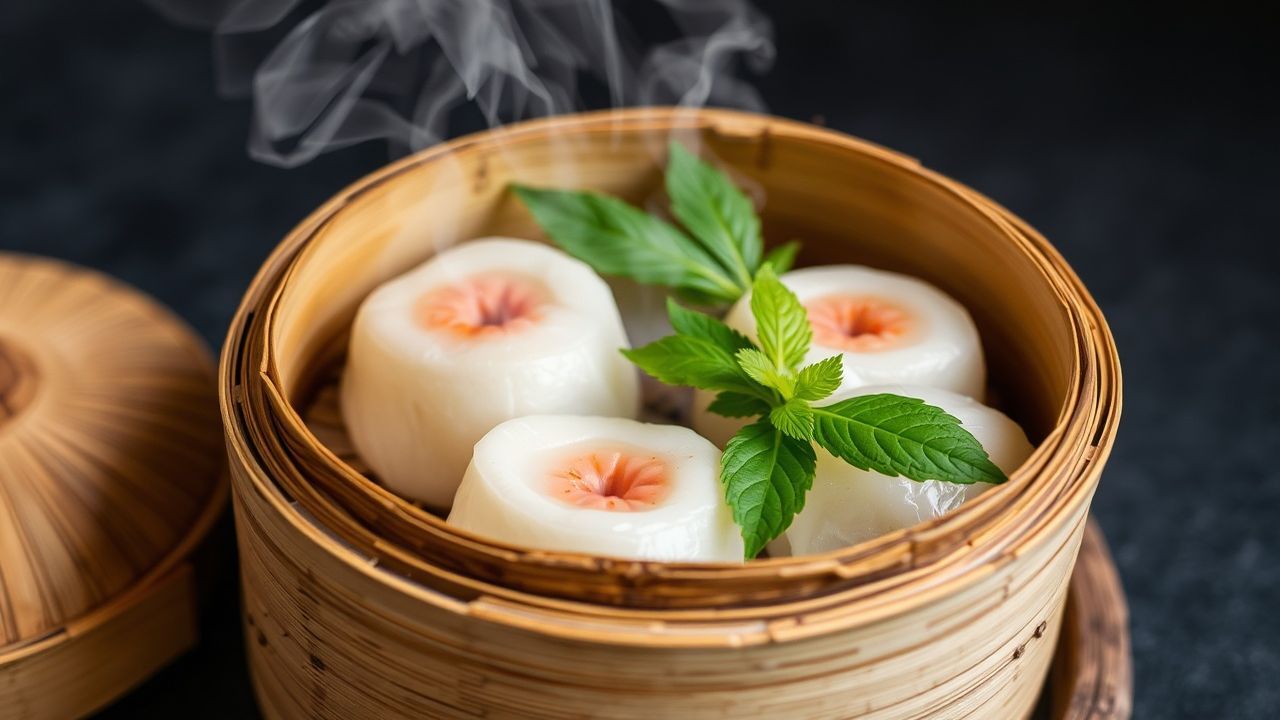
Bamboo steamers remain a practical, low-impact tool for cooks who value texture, nutrition, and simplicity. Crafted from natural strips, they channel steam directly around food to preserve moisture and delicate flavors without added fat.

Contents
  • Origins and Construction
  • Why Choose a Bamboo Steamer
  • Prep and Cook Time
  • Yield and Difficulty
  • Ingredients
  • Instructions
  • Tips for Success
  • Serving Suggestions
  • Nutrition
  • Care and Maintenance
  • FAQ
    • What exactly is a bamboo steamer?
    • How old is the steaming method using bamboo?
    • Why prefer bamboo over metal or plastic steamers?
    • Which dishes work best in a bamboo steamer?
    • How should I avoid soggy food when steaming?
  • Gentle cooking: steam keeps proteins tender and vegetables vibrant.
  • Eco-friendly: bamboo is renewable and biodegradable.
  • Layered efficiency: stack tiers to cook multiple items at once.

Origins and Construction

Bamboo steamers trace their history to East Asia and grew from regional needs for efficient, portable cookware. The woven trays combine airflow and moisture control, a design that suits a range of foods from dumplings to fish.

For background on the plant and material, see bamboo. For the cooking method context, consult steaming (cooking).

- Advertisement -

Why Choose a Bamboo Steamer

Chefs choose bamboo steamers because they moderate condensation. Unlike metal, bamboo absorbs and disperses tiny droplets so food stays non-soggy and the texture stays balanced.

Additionally, the natural fibers add a faint woody aroma that complements delicate dishes. This property makes bamboo steamers ideal for dim sum-style items and mild-flavored fish, as described in the section on dim sum and dumplings.

Prep and Cook Time

Preparation: about 15 minutes for washing, lining, and arranging ingredients. Prepare the steamer and ingredients so steam reaches everything evenly.

- Advertisement -

Cooking: typical range 15–30 minutes depending on density and layering. Thicker vegetables and denser fillings need the higher end of that window.

  • Preparation: 15 minutes
  • Cooking: 20–30 minutes (ingredient dependent)

Yield and Difficulty

Yield: the example recipe serves four, but stacking allows scalable portions for gatherings. Use additional tiers to expand capacity without added cookware.

Difficulty: medium. The method requires timing, correct water level, and attention to spacing so steam circulates freely without overcrowding.

- Advertisement -

Ingredients

For a balanced plate, combine vegetables and a protein or dumplings. Keep cuts uniform: that ensures even heat penetration and consistent doneness across the basket.

Basic ingredient list below supports a full meal or a multi-course dim sum-style service. Adjust flavors to match fillings and pairings.

  • 500 g fresh vegetables (e.g., bok choy, broccoli, carrots), sliced uniformly
  • 12 dumplings (pork, vegetable, or shrimp)
  • 2 tbsp soy sauce, 1 tbsp toasted sesame oil
  • 1 inch fresh ginger, thinly sliced; 2 cloves garlic, minced
  • 1 cup water for steaming (keep at simmer level)
  • Optional garnish: chopped scallions, sesame seeds, fresh cilantro

Instructions

Soak the bamboo steamer briefly in warm water to prevent cracking and to reduce sticking. Line tiers with parchment or blanched cabbage leaves to protect delicate dough and fish surfaces.

Set up a pot or wok with simmering water so it does not touch the steamer base. Arrange ingredients in a single layer per tier and stack the baskets; then cover and steam until done.

  1. Prepare the steamer: soak 10 minutes; line trays to prevent sticking.
  2. Set up steaming pot: add water below steamer base and bring to gentle simmer.
  3. Arrange food: avoid overcrowding; leave space for circulation.
  4. Steam: cover and time 15–20 minutes; do not lift the lid prematurely.
  5. Finish sauce: mix soy, sesame oil, ginger, and garlic while steaming.
  6. Serve hot: remove carefully with pot holders and garnish immediately.

Tips for Success

Stacking tiers saves energy but requires mid-cook rotation for even doneness. Swap top and bottom tiers at the halfway point for balanced results.

Maintain the water level; top up with hot water if it nears the pot bottom. Avoid letting the pot go dry because sudden boil-dry damages both pot and steamer.

[NOTE: The markup below is intentionally formatted as requested for expert and safety callouts.]

💡 Expert Insight
Expert Insight: For reliable steam flow, cut vegetables to uniform thickness and place firmer items on the lower tiers. This practice ensures delicate items on top retain texture while denser items reach full tenderness.

Space items to let steam circulate; even tiny gaps change heat transfer dramatically. Use parchment with perforations or trimmed cabbage leaves to maintain circulation and prevent sticking.

⚠️ Pro-Caution
Pro-Caution: Never let boiling water touch the steamer base and never leave a simmering pot unattended. Sudden water loss can scorch the pot and crack the bamboo. Refill only with hot water to avoid long recovery times.

Serving Suggestions

Serve straight from the steamer for best texture and aroma. Present mixed tiers on warm platters and provide dipping sauces focused on acidity and salt to balance steamed flavors.

Pair steamed vegetable medleys with jasmine rice or light noodles tossed with sesame oil. For more traditional context and recipes, consult our internal guides: Asian cooking techniques and steamer care and maintenance.

Nutrition

Steaming preserves water-soluble vitamins and avoids added fats, producing light dishes with concentrated nutrients. Portion control and balanced sides make steamed meals suitable for varied dietary goals.

Typical nutrient profile for a mixed vegetable and dumpling serving appears in the table below. Use this as a baseline; fillings and sauces change totals significantly.

Nutrient Amount per Serving
Calories 180 kcal
Protein 8 g
Carbohydrates 25 g
Fat 4 g

Care and Maintenance

After use, rinse the steamer with warm water and let it air dry completely in a ventilated area. Avoid prolonged soaking or abrasive cleaners that strip natural oils from the bamboo.

Store the steamer away from damp basements or closed plastic, which can trap moisture and promote mold. For step-by-step care, read our internal maintenance notes at steamer care and maintenance.

FAQ

What exactly is a bamboo steamer?

A bamboo steamer is a stackable set of woven trays that hold food above simmering water so steam cooks items gently. The construction allows steam to move through the slatted base while the lid traps heat and moisture.

How old is the steaming method using bamboo?

Historical records and culinary scholarship place steamed food techniques in East Asia for over a millennium, with bamboo vessels commonly used in household and market cooking. The method evolved regionally with local produce and recipes.

Why prefer bamboo over metal or plastic steamers?

Bamboo moderates condensation and reduces drip-back of water, keeping dumplings and buns dry on the surface. It also offers a biodegradable, renewable alternative to plastics with subtler thermal conductivity than metal.

Which dishes work best in a bamboo steamer?

Dim sum, buns, fish fillets, and uniform vegetable cuts respond well to bamboo steaming because the method preserves texture and moisture. Dense roots or thick items benefit from prior blanching or extended steam times.

How should I avoid soggy food when steaming?

Prevent sogginess by arranging food with space between pieces, lining trays to allow airflow, and draining excess moisture before placing items in the steamer. Rotating tiers and keeping water under the tray prevents direct wetting.

Using a bamboo steamer aligns simple technique with precise timing. Follow the tips above to get consistent texture, maintain your equipment, and expand your repertoire of steamed dishes.

See also: Bamboo Steamers

Unlocking Umami: 7 Proven Uses of Bonito Flakes (Katsuobushi)
7 Science-Backed Ways to Perfectly Bake Gnocchi Casserole
Irresistible 7-Step Roasted Tomato Soup: Basil-Infused Recipe
Unlock Flavor: 7 Expert Scoring Tips for Perfect Roasted Chestnuts
7 Proven Flavor Pairing Principles That Unlock Taste
TAGGED:ancientandbamboobamboo steamercookingDim sumDumplingsEco friendly cookwareFood steaminghealthy cookingsteaming vegetablesthe
Share This Article
Facebook Pinterest Whatsapp Whatsapp LinkedIn Telegram Threads
What do you think?
Love0
Sad0
Happy0
Sleepy0
Angry0
Dead0
Wink0
Previous Article - Mastering the Magic: The Science Behind Perfect Choux Pastry Mastering Choux Pastry: 7 Science-Backed Steps for Perfect Puffs
Next Article - The Science Behind Crafting Perfect Slow-Cooked White Bean S 7 Science-Backed Steps to Perfect Slow-Cooked White Bean Soup
Creamy Garlic Chicken with melted Parmesan and fresh herbs on a rustic white plate
Garlic Chicken: 7 Ultimate Brilliant Recipes to Make the Best-Ever Creamy Garlic Chicken with Parmesan & Fresh Herbs
Extra Picks
Colorful bowls of Leftover Couscous transformed into salads, fritters, and stuffed peppers.
12 Amazing Practical Leftover Couscous Ideas: Brilliant Ways to Reuse and Remix
Uncategorized
Colorful jars of spice blends beside steaming couscous with herbs and lemon
7 Ultimate spice blends That Transform Your Couscous — Amazing Best Flavor Boosts
Uncategorized
Bowls of gluten-free couscous alternatives: quinoa, millet, cauliflower, and rice
10 Amazing couscous alternatives: Best Gluten-Free Swaps for Incredible Flavor
Uncategorized

Tags

and art baked baking science baking techniques Baking tips batch cooking beef behind browning techniques butternut squash caramelization cast iron skillet chemistry chicken comfort food Cooking science cooking technique Cooking techniques Cooking tips crafting creamy creamy soup crispy culinary science fish flavor flavor chemistry food food safety Food science for garlic golden Ground turkey hearty heat high-heat cooking high protein meals how instant read thermometer Lean protein magic Maillard reaction make ahead meals make ahead soup mastering meal prep Meal prep recipes meat thermometer microwave microwave cooking moisture control one pot meals Pan searing perfect perfectly Plant based protein Probe thermometer protein denaturation Quick dinners roasted roasted squash roasted tomato soup Roasted vegetables Roasting techniques savor savory science Searing technique Searing techniques secrets slow cooking squash steak steak cooking sweet temperature control the top turkey turkey soup turkey stew ultimate umami cooking umami flavor unlock unlocking unveiling vegetable velvety weeknight dinner Weeknight dinners weeknight meals what when why with your zesty
April 2026
M T W T F S S
 12345
6789101112
13141516171819
20212223242526
27282930  
« Mar    

You Might Also Like

- Pepper's Fiery Secret: Unlocking Piperine's Chemistry
Flavor & Aroma

7 Revealing Facts About Piperine: The Chemistry Behind Pepper’s Heat

William J. Kroll
William J. Kroll
September 30, 2025
Massaman Curry: Exploring Thai Flavors and Traditions
Extra Picks

Massaman Curry: 7 Authentic Thai Flavors and Traditions

William J. Kroll
William J. Kroll
December 24, 2025
Sweet and Tangy Honey Mustard Glazed Chicken Recipe Guide
Extra Picks

9 Pro Tips for Sweet & Tangy Honey Mustard Glazed Chicken

William J. Kroll
William J. Kroll
February 4, 2026
Savor the Flavor: Creamy Garlic Shrimp Recipe Unveiled
Extra Picks

Savor the Flavor: 5-Step Creamy Garlic Shrimp Recipe for Weeknights

William J. Kroll
William J. Kroll
February 16, 2026
- Cutting Board Care: Ultimate Guide to Clean & Sanitize Right
5-Second Rule

Cutting Board Care: 11 Pro Tips to Clean & Sanitize Like a Chef

William J. Kroll
William J. Kroll
September 29, 2025
- Choux Pastry Unwrapped: The Art Behind Light, Airy Treats
Fats & Emulsions

Choux Pastry Unwrapped: 7 Pro Techniques for Light, Airy Treats

William J. Kroll
William J. Kroll
October 1, 2025
Follow US
By Fimaw.com © All Rights Reserved.
  • Advertising Policy: 10 Practical Rules for Safe, Compliant Ads
  • Contact Us
  • Cookie Policy: Clear Guide for Site Owners
  • Copyright Notice Guide: 7 Essential Rules for Website Owners
  • Disclaimer
  • Privacy Policy
  • Terms of Service
Welcome Back!

Sign in to your account

Username or Email Address
Password

Lost your password?