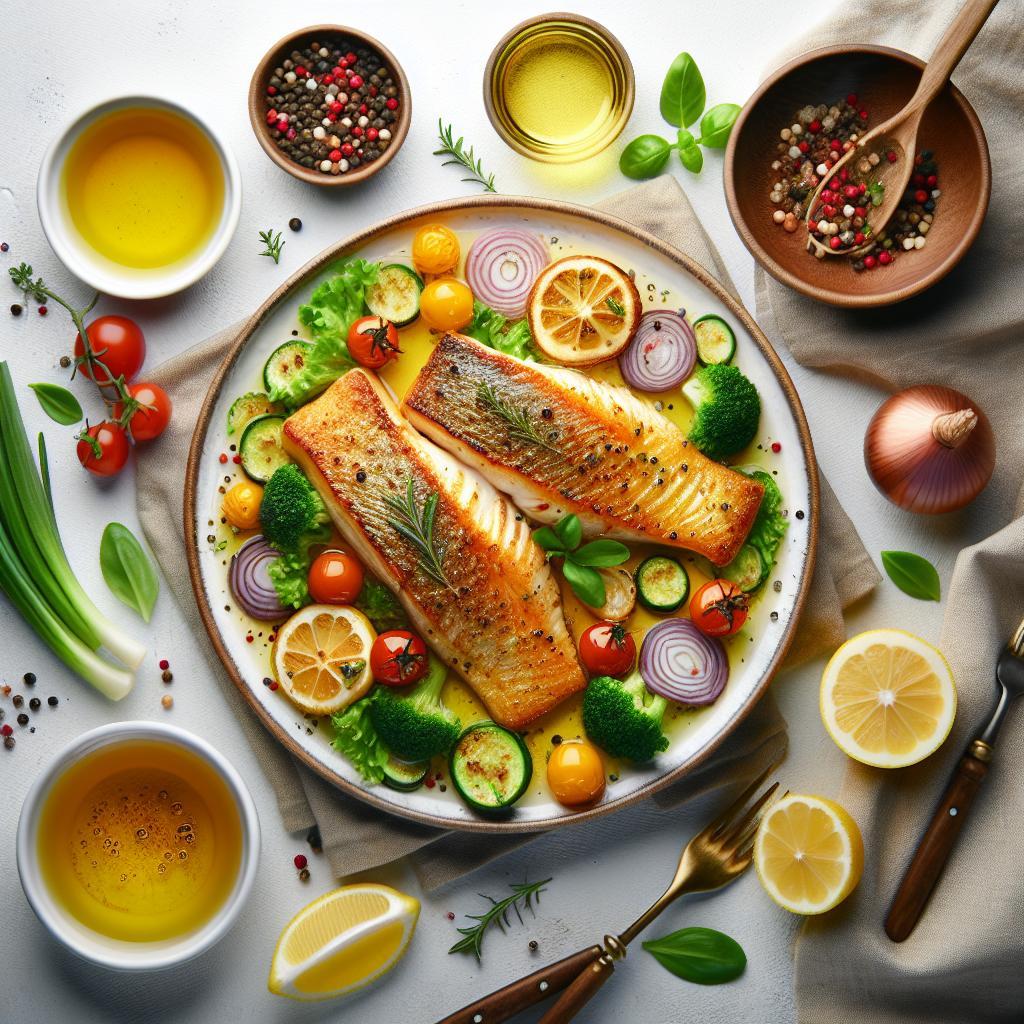

Golden Baked Fish Fillets: A Healthy Seafood Delight
Golden baked fish fillets deliver a crisp exterior and a moist, flaky interior when you use precise technique and quality ingredients.
As a professional recipe developer with years of kitchen experience, I outline methodical steps that preserve omega-3s and maximize texture for a lighter alternative to frying.
- Quick cook: 35 minutes from start to finish for a weeknight main.
- Healthy choice: Baked, not fried—retains nutrients with minimal added fat.
- Texture tip: Toast panko for extra crunch and better browning.
Overview
This recipe focuses on simple ingredients and reliable technique to produce a dependable golden crust and a tender fillet beneath.
It suits firm, white-fleshed fish and adapts easily for family meals or entertaining with a consistent 35-minute total time.
Prep and Cook Time
Preparation: 15 minutes. I recommend mise en place: measure, zest, and toast breadcrumbs before seasoning the fillets.
Cooking: 18–22 minutes at 425°F (220°C). Rest the fish 2 minutes before serving to retain juices.
Yield and Difficulty
Yield: Serves 4 generous portions, assuming 6 oz (170 g) fillets per person. Adjust portion counts for larger appetites.
Difficulty: Easy. The method suits beginners and delivers consistent results when you follow timing and temperature guidance.
Ingredients
Use fresh, firm fillets for the best structural integrity under the crumb crust. Below I list ingredients and practical equivalents.
- 4 skinless fish fillets (cod, halibut, or tilapia), about 6 oz each
- 3/4 cup panko breadcrumbs, lightly toasted (panko)
- 1/4 cup grated Parmesan cheese
- 2 cloves garlic, finely minced
- 1 tbsp fresh parsley, chopped
- 1/2 tsp smoked paprika
- 1/2 tsp dried thyme
- 1/4 tsp cayenne pepper (optional)
- 1 lemon, zested and juiced
- 2 tbsp olive oil, plus extra for drizzling
- Salt and freshly ground black pepper to taste
Instructions
Preheat and prepare your pan to ensure immediate, even heat. I use parchment or a lightly oiled rimmed sheet to prevent sticking and to allow air circulation.
Set your oven to 425°F (220°C). Preheating ensures the crust browns quickly while the interior reaches the safe 145°F (63°C) endpoint without drying out; see baking fundamentals for heat transfer basics.
Make the Breadcrumb Topping
Toast the panko lightly in a dry skillet over medium heat until pale gold and aromatic. Combine it with Parmesan, garlic, parsley, smoked paprika, thyme, lemon zest, and cayenne for balanced flavor.
Toast ahead to remove residual moisture and to promote crisping in the oven, which improves mouthfeel and shelf life for the topping if stored.
Season and Bake the Fillets
Pat fillets dry, then season both sides with salt, pepper, and lemon juice. A dry surface helps the topping adhere and prevents steaming during baking.
Brush fillets with olive oil, press the crumb mixture onto one side, and place crust-side up on the prepared pan. Drizzle a small amount of oil over the crust to aid browning.
Cooking Time and Finish
Bake 18–22 minutes until the crust is golden and the fish flakes easily with a fork. Use an instant-read thermometer to confirm the internal temperature of 145°F (63°C).
Optionally broil for the last 1–2 minutes to deepen color, but watch closely to avoid burning the crust.
Tips for Success
Choose firm fillets: Firm, white-fleshed fish hold the crumb layer and bake evenly. Examples include cod, halibut, and haddock.
Toast panko: Toasted panko increases crunch and yields a superior golden finish compared with untoasted crumbs.
Do not overcrowd the baking sheet. Give each fillet at least an inch of space so hot air circulates and the crust crisps rather than steams.
Make the breadcrumb mixture a day ahead and store it airtight. This saves active time and deepens flavor as the herbs meld.
Serving Suggestions
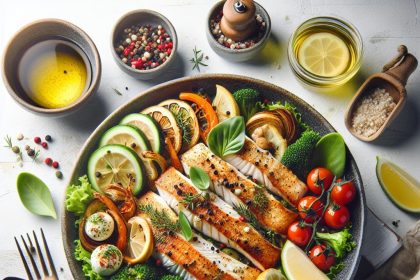
Serve fillets on a bed of lemon-garlic quinoa, steamed greens, or with roasted seasonal vegetables for color and balance.
Finish with a squeeze of fresh lemon, a scatter of chopped parsley, and optional thinly sliced radishes for texture and visual contrast.
Nutritional Benefits of Fish Fillets
Fish supplies complete protein and long-chain omega-3 fatty acids, which support cardiovascular and cognitive health; see omega-3 fatty acids for clinical context.
Baking minimizes added fats while retaining key micronutrients like vitamin D and iodine. This method suits calorie-conscious plans without sacrificing nutrient density.
| Nutrient | Per Serving |
|---|---|
| Calories | 280 kcal |
| Protein | 35g |
| Carbohydrates | 12g |
| Fat | 8g |
Choosing the Right Fish
Purchase fillets that look moist, firm, and smell fresh. Avoid soft or excessively briny-smelling pieces, which indicate age or improper storage.
Prioritize sustainable options. For guidance, consult established resources on sustainable seafood and regional advisories; learn more about sustainable sourcing on sustainable seafood.
Expert Tips for Baking Fish
Preheating and monitoring internal temperature ensure you hit the balance between a crisp crust and a moist interior. Use an instant-read thermometer for reproducible results.
Use panko rather than fine breadcrumbs to create a lighter, airier crust; panko’s structure promotes rapid browning and a delicate crunch.
If you want a variation, fold herbs like dill or a pinch of sumac into the crumb for regional flavor differences. This change adds bright acidity or herbaceous notes without extra effort.
For a nut-crust alternative, pulse toasted almonds or pecans with panko for a richer crust that browns well and adds complementary fat and flavor.
At-Table Presentation
Garnish simply with lemon wedges and a light drizzle of high-quality olive oil. This preserves the crust texture while enhancing aromatic top notes.
Pair with a crisp white wine or a citrus-forward sparkling water to complement the fish’s brightness and the crust’s savory character.
FAQ
What makes golden baked fish fillets healthier than fried ones?
Baking reduces the amount of added oil while maintaining protein and omega-3 content. Consequently, it lowers overall calories and saturated fat compared with deep frying.
Additionally, baking produces fewer oxidation products that can occur at high frying temperatures, helping preserve nutrient quality.
Which fish types work best for this recipe?
Firm, mild white fish such as cod, halibut, haddock, tilapia, and snapper hold up to the crumb topping. They bake evenly and produce a tender flake under the crust.
Avoid very oily fish like mackerel or sardines for this style, as their higher oil content can make a crisp crust soggy during baking.
How do I keep the crust crunchy after baking?
Do not cover the fillets tightly after baking. A loose tent of foil for a minute preserves heat without trapping steam that softens the crust.
Serve immediately for best texture. If you must hold, place fillets on a wire rack in a low oven (about 200°F / 95°C) to keep them warm and crisp.
Can I prepare the breadcrumb topping in advance?
Yes. Store the dry breadcrumb mixture in an airtight container at room temperature for up to 48 hours, or refrigerate it for up to a week.
Toast the panko before storing to extend crunch and prevent it from absorbing kitchen humidity, which helps the topping crisp properly at bake time.
How do I check doneness without a thermometer?
Use the fork test: the fish should flake easily in the thickest part and appear opaque through the center. Avoid prolonged probing that releases juices.
For reliable safety, aim for the recommended internal temperature of 145°F (63°C) measured at the thickest section when possible.
Embrace these technique-driven steps to deliver consistent golden baked fish fillets that balance health, texture, and flavor for everyday meals or special dinners.
See also: baked fish