
By using this site, you agree to the Privacy Policy and Terms of Use.
Accept
CookOrBitCookOrBitCookOrBit
  • Home
  • About Us
  • Ingredient Science
    • Flavor & Aroma
    • Protein Chemistry
    • Sugar & Starch
    • Fats & Emulsions
  • Cooking Techniques
    • Searing & Grilling
    • Baking & Roasting
    • Boiling & Steaming
    • Low & Slow
  • Kitchen Experiments
    • DIY Ferments
    • Flavor Tests
    • Gadget Testing
    • Molecular Gastronomy
  • Food Myths
    • Searing Myth
    • 5-Second Rule
    • MSG Myths
    • Microwave Myths
  • Tools
  • More
    • Extra Picks
    • Quick & Easy
      • Breakfast Ideas
      • Desserts
      • Snacks
      • Soups
    • Global Flavors
      • Asian Street Eats
      • Latin Comforts
      • Mexican Flavors
      • Modern Mediterranean
CookOrBitCookOrBit
  • Home
  • About Us
  • Ingredient Science
  • Cooking Techniques
  • Kitchen Experiments
  • Food Myths
  • Tools
  • More
Search
  • Home
  • About Us
  • Ingredient Science
    • Flavor & Aroma
    • Protein Chemistry
    • Sugar & Starch
    • Fats & Emulsions
  • Cooking Techniques
    • Searing & Grilling
    • Baking & Roasting
    • Boiling & Steaming
    • Low & Slow
  • Kitchen Experiments
    • DIY Ferments
    • Flavor Tests
    • Gadget Testing
    • Molecular Gastronomy
  • Food Myths
    • Searing Myth
    • 5-Second Rule
    • MSG Myths
    • Microwave Myths
  • Tools
  • More
    • Extra Picks
    • Quick & Easy
    • Global Flavors
Follow US
  • Advertising Policy: 10 Practical Rules for Safe, Compliant Ads
  • Contact Us
  • Cookie Policy: Clear Guide for Site Owners
  • Copyright Notice Guide: 7 Essential Rules for Website Owners
  • Disclaimer
  • Privacy Policy
  • Terms of Service
By Fimaw.com
- Why Are My Water Kefir Grains Not Multiplying? Trouble Tips
CookOrBit > Blog > Kitchen Experiments > DIY Ferments > 12 Proven Fixes: Why Your Water Kefir Grains Are Not Multiplying
DIY Ferments

12 Proven Fixes: Why Your Water Kefir Grains Are Not Multiplying

William J. Kroll
By William J. Kroll
Published: November 10, 2025
Share
SHARE

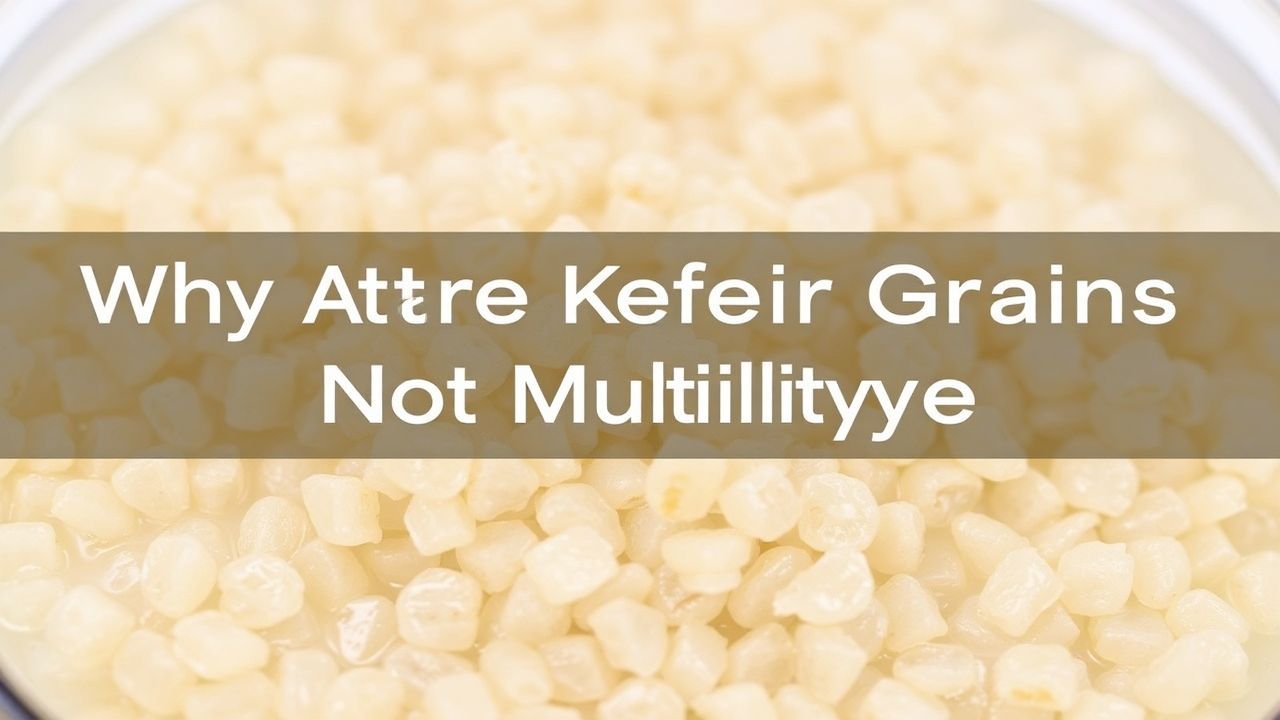
Why are your water kefir grains not multiplying? Small, slow, or dormant grains frustrate many home fermenters. With focused adjustments you can usually restore steady growth and active ferments.

Contents
  • How Water Kefir Grains Grow
  • Common Reasons Grains Fail to Multiply
  • Recipe Snapshot
  • Ingredients
  • Step-by-Step Instructions
  • Chef’s Notes: Optimization and Troubleshooting
  • Revival Protocol for Sluggish Grains
  • Serving Suggestions
  • Nutrition (Per 1 cup)
  • Further Reading and Resources
  • FAQ
    • How fast should healthy grains multiply?
    • Can I use tap water?
    • Is sugar type important?
    • When should I replace grains?
    • Where can I get reliable help?
  • Key takeaways: Temperature, minerals, and regular feeding drive grain multiplication.
  • Use filtered or spring water and mineral-rich salt to support microbial balance.
  • Short, consistent ferment cycles prevent grain stress and over-fermentation.
  • Revival steps often work: fresh sugar water, correct temp, and patient feeding.

How Water Kefir Grains Grow

Water kefir grains are a symbiotic community of bacteria and yeast that metabolize sugars into acids, CO2, and ethanol. Their structure and growth dynamics differ from milk kefir and are documented for reference on water kefir.

Growth depends on nutrient availability, mineral content, temperature stability, and microbial balance. For background on the underlying biological processes see fermentation.

- Advertisement -

Common Reasons Grains Fail to Multiply

Temperature outside the optimal range slows metabolism or damages cells. Consistent swings between cold nights and warm days often produce sluggish grains rather than active, multiplying ones.

Poor water mineral content and the wrong sugar type starve the culture of trace elements they need. Chlorinated or fluoridated tap water, and artificial sweeteners, also impair microbial activity.

Recipe Snapshot

Preparation: 10 minutes. Fermentation: 24–48 hours. These timeframes give grains regular, predictable feeding to encourage growth.

- Advertisement -

Yield: About 1 quart (4 cups) of water kefir, typically 4 servings. Split larger grain masses into multiple jars so each portion gets enough food and room to grow.

Ingredients

3–4 tablespoons active water kefir grains. Use translucent, firm grains whenever possible; soft, discolored grains signal stress or contamination.

1 quart filtered or spring water, 1/4 cup organic cane sugar (or evaporated coconut sugar), and 1 tablespoon mineral-rich sea salt or Himalayan salt. Optionally add a dried fig or 2 tablespoons raisins to supply trace minerals.

- Advertisement -

Step-by-Step Instructions

1. Dissolve sugar and salt in room-temperature filtered water. Stir until fully dissolved to avoid undissolved particles that stress the culture.

2. Add optional dried fruit for minerals, then gently introduce the grains. Avoid prolonged contact with metal; use a glass jar and plastic or wooden utensils when possible.

3. Cover with a breathable cloth secured with a band and place in a stable warm spot at 68–78°F (20–26°C). Ferment for 24–48 hours and monitor grain appearance and fizz.

4. Strain grains using a plastic mesh strainer, then transfer the liquid for secondary fermentation or chill for immediate drinking. Return grains to fresh sugar water promptly to keep them fed.

Chef’s Notes: Optimization and Troubleshooting

Mineral balance matters: Grains need trace minerals (calcium, magnesium, potassium) to rebuild cell walls and reproduce. If you use very soft water, add a pinch of mineral salt or a small piece of dried fruit to each batch.

Water quality: Chlorine and high fluoride can harm cultures. If your municipal water has additives, dechlorinate by leaving it uncovered 24 hours, or use filtered/spring water to avoid inhibition.

Feeding cadence: Regular refreshes—every 24–48 hours—prevent starvation and keep the community reproducing. Long, single ferments exhaust sugars and create acidic conditions that shrink grains.

💡 Expert Insight
Expert Insight: If grains shrink but remain translucent, try three consecutive fresh 24-hour ferments at 72°F (22°C) with a teaspoon of molasses added to one batch for extra micronutrients. Monitor smell and texture; improved plumpness and bubbling indicate recovery.

Over-fermentation signs include mushiness, odd colors, or sour off-odors. If you see these, reduce the cycle length and perform frequent swaps to dilute harmful byproducts.

⚠️ Pro-Caution
Pro-Caution: Discard grains that show black, green, or foul-smelling characteristics. These indicate contamination. Do not attempt to salvage visibly moldy or putrid cultures.

If contamination is likely, sanitize jars and start with a fresh, healthy grain source. For persistent issues, send images to a fermentation community or consult a trusted supplier.

Revival Protocol for Sluggish Grains

Start a recovery series: three to five sequential 24-hour ferments at a stable 72°F (22°C) in fresh sugar water with a pinch of mineral salt. Keep jars away from strong sunlight and drafts.

If grains remain inactive after multiple recovery attempts, give one cycle with a teaspoon of unsulphured molasses to supply complex minerals and micronutrients. Watch for improved texture and CO2 production.

Serving Suggestions

Chill the finished water kefir and serve over ice with citrus slices or fresh mint for a refreshing probiotic beverage. For flavor variety, add ginger, berries, or hibiscus during secondary fermenting to infuse aroma and color.

Remember that added fruits will change sugar content and fermentation speed; bottle carefully and refrigerate to control carbonation and avoid over-pressurization.

Nutrition (Per 1 cup)

Nutrient Per 1 cup Serving
Calories 40 kcal
Protein 0.5 g
Carbohydrates 10 g
Fat 0 g

Further Reading and Resources

For practical care tips, see our internal guides: Fermentation Basics Guide and Kefir Grain Care. These pages cover routine maintenance, storage, and sanitation protocols that support multiplication.

For microbiology context, review pages on probiotics and the role of yeasts in mixed cultures. These references explain why diverse microbes help maintain grain stability and growth.

FAQ

How fast should healthy grains multiply?

Healthy grains can increase noticeably within a few weeks under optimal conditions. Expect gradual mass gains; doubling time varies with temperature, food, and mineral availability.

Can I use tap water?

Use filtered or dechlorinated water whenever possible. If tap water is your only option, let it sit uncovered 24 hours to off-gas chlorine or use a basic carbon filter to protect the culture.

Is sugar type important?

Yes. Sucrose from organic cane sugar supports typical water kefir communities. Molasses or unrefined sugars add minerals but use in moderation. Avoid artificial sweeteners and honey for long-term grain health.

When should I replace grains?

Replace grains if they remain inactive after repeated recovery attempts, or if they develop bad odors, off colors, or slime. Healthy grains are firm, translucent, and mildly yeasty-smelling.

Where can I get reliable help?

Start with our internal troubleshooting pages and community forums dedicated to fermented beverages. If needed, consult experienced suppliers or fermentation experts who can review photos and advise on next steps.

See also: kefir grains

Salt Fermentation Mastery: 7 Rules to Perfectly Balance Your Ferments
7 Culinary Secrets: How Fat Preserves and Tenderizes Food
7 Scientific Secrets: How Dehydration Intensifies Flavor
7-Step Turkey Skillet Mastery: Mushroom Skillet Delight
Tailgate Triumph: 11 Science-Backed Tailgate Safety Tips
TAGGED:arefermentation temperaturefermentation tipsfermentation troubleshootinggrainshome fermentationkefir grainsmineral waterrevive grainsthewaterwater kefirwhy
Share This Article
Facebook Pinterest Whatsapp Whatsapp LinkedIn Telegram Threads
What do you think?
Love0
Sad0
Happy0
Sleepy0
Angry0
Dead0
Wink0
Previous Article - Unlocking Flavor: The Chemistry Behind Perfect Carnitas 10 Expert Tips to Unlock Flavor: Chemistry Behind Perfect Carnitas
Next Article - Unlocking Flavor: How Marinating Time Transforms Taste Unlocking Flavor: 7 Proven Ways Marinating Time Transforms Taste
Creamy Garlic Chicken with melted Parmesan and fresh herbs on a rustic white plate
Garlic Chicken: 7 Ultimate Brilliant Recipes to Make the Best-Ever Creamy Garlic Chicken with Parmesan & Fresh Herbs
Extra Picks
Colorful bowls of Leftover Couscous transformed into salads, fritters, and stuffed peppers.
12 Amazing Practical Leftover Couscous Ideas: Brilliant Ways to Reuse and Remix
Uncategorized
Colorful jars of spice blends beside steaming couscous with herbs and lemon
7 Ultimate spice blends That Transform Your Couscous — Amazing Best Flavor Boosts
Uncategorized
Bowls of gluten-free couscous alternatives: quinoa, millet, cauliflower, and rice
10 Amazing couscous alternatives: Best Gluten-Free Swaps for Incredible Flavor
Uncategorized

Tags

and art baked baking science baking techniques Baking tips batch cooking beef behind browning techniques butternut squash caramelization cast iron skillet chemistry chicken comfort food Cooking science cooking technique Cooking techniques Cooking tips crafting creamy creamy soup crispy culinary science fish flavor flavor chemistry food food safety Food science for garlic golden Ground turkey hearty heat high-heat cooking high protein meals how instant read thermometer Lean protein magic Maillard reaction make ahead meals make ahead soup mastering meal prep Meal prep recipes meat thermometer microwave microwave cooking moisture control one pot meals Pan searing perfect perfectly Plant based protein Probe thermometer protein denaturation Quick dinners roasted roasted squash roasted tomato soup Roasted vegetables Roasting techniques savor savory science Searing technique Searing techniques secrets slow cooking squash steak steak cooking sweet temperature control the top turkey turkey soup turkey stew ultimate umami cooking umami flavor unlock unlocking unveiling vegetable velvety weeknight dinner Weeknight dinners weeknight meals what when why with your zesty
April 2026
M T W T F S S
 12345
6789101112
13141516171819
20212223242526
27282930  
« Mar    

You Might Also Like

- Unlocking Flavor: Why Your Vegetarian Meal Feels Incomplete
MSG Myths

Unlocking Flavor: 10 Expert Ways to Make Vegetarian Meals Feel Complete

William J. Kroll
William J. Kroll
November 7, 2025
قطعة سمك مغمورة بعصير ليمون تتماسك كأنها مطبوخة دون حرارة
Protein Chemistry

7 Revealing Facts: How Acid Cure with Lemon Chemically ‘Cooks’ Fish Without Heat

William J. Kroll
William J. Kroll
September 5, 2025
Timeless Taste: Crafting the Perfect Classic Veggie Lasagna
Extra Picks

Timeless Taste: 7 Proven Steps to Craft the Perfect Classic Veggie Lasagna

William J. Kroll
William J. Kroll
December 25, 2025
- Unlocking Flavor: How Deglazing Captures Searing's Essence
Extra Picks

Unlock Flavor: 7 Practical Ways Deglazing Captures Searing’s Essence

William J. Kroll
William J. Kroll
November 1, 2025
Golden Delight: Mastering Perfectly Baked Cod Fillets
Extra Picks

Golden Delight: 7 Expert Steps to Perfectly Baked Cod Fillets

William J. Kroll
William J. Kroll
February 16, 2026
Savor the Flavor: Baked Spinach Mushroom Quesadillas Delight
Extra Picks

7 Pro Tips for Spinach Quesadilla Perfection

William J. Kroll
William J. Kroll
December 24, 2025
Follow US
By Fimaw.com © All Rights Reserved.
  • Advertising Policy: 10 Practical Rules for Safe, Compliant Ads
  • Contact Us
  • Cookie Policy: Clear Guide for Site Owners
  • Copyright Notice Guide: 7 Essential Rules for Website Owners
  • Disclaimer
  • Privacy Policy
  • Terms of Service
Welcome Back!

Sign in to your account

Username or Email Address
Password

Lost your password?