
By using this site, you agree to the Privacy Policy and Terms of Use.
Accept
CookOrBitCookOrBitCookOrBit
  • Home
  • About Us
  • Ingredient Science
    • Flavor & Aroma
    • Protein Chemistry
    • Sugar & Starch
    • Fats & Emulsions
  • Cooking Techniques
    • Searing & Grilling
    • Baking & Roasting
    • Boiling & Steaming
    • Low & Slow
  • Kitchen Experiments
    • DIY Ferments
    • Flavor Tests
    • Gadget Testing
    • Molecular Gastronomy
  • Food Myths
    • Searing Myth
    • 5-Second Rule
    • MSG Myths
    • Microwave Myths
  • Tools
  • More
    • Extra Picks
    • Quick & Easy
      • Breakfast Ideas
      • Desserts
      • Snacks
      • Soups
    • Global Flavors
      • Asian Street Eats
      • Latin Comforts
      • Mexican Flavors
      • Modern Mediterranean
CookOrBitCookOrBit
  • Home
  • About Us
  • Ingredient Science
  • Cooking Techniques
  • Kitchen Experiments
  • Food Myths
  • Tools
  • More
Search
  • Home
  • About Us
  • Ingredient Science
    • Flavor & Aroma
    • Protein Chemistry
    • Sugar & Starch
    • Fats & Emulsions
  • Cooking Techniques
    • Searing & Grilling
    • Baking & Roasting
    • Boiling & Steaming
    • Low & Slow
  • Kitchen Experiments
    • DIY Ferments
    • Flavor Tests
    • Gadget Testing
    • Molecular Gastronomy
  • Food Myths
    • Searing Myth
    • 5-Second Rule
    • MSG Myths
    • Microwave Myths
  • Tools
  • More
    • Extra Picks
    • Quick & Easy
    • Global Flavors
Follow US
  • Advertising Policy: 10 Practical Rules for Safe, Compliant Ads
  • Contact Us
  • Cookie Policy: Clear Guide for Site Owners
  • Copyright Notice Guide: 7 Essential Rules for Website Owners
  • Disclaimer
  • Privacy Policy
  • Terms of Service
By Fimaw.com
The Art & Science of Sourdough: Young vs Mature Starters Explained
CookOrBit > Blog > Kitchen Experiments > Flavor Tests > Sourdough Starter Mastery: 7 Key Differences
Flavor Tests

Sourdough Starter Mastery: 7 Key Differences

William J. Kroll
By William J. Kroll
Published: February 17, 2026
Share
SHARE

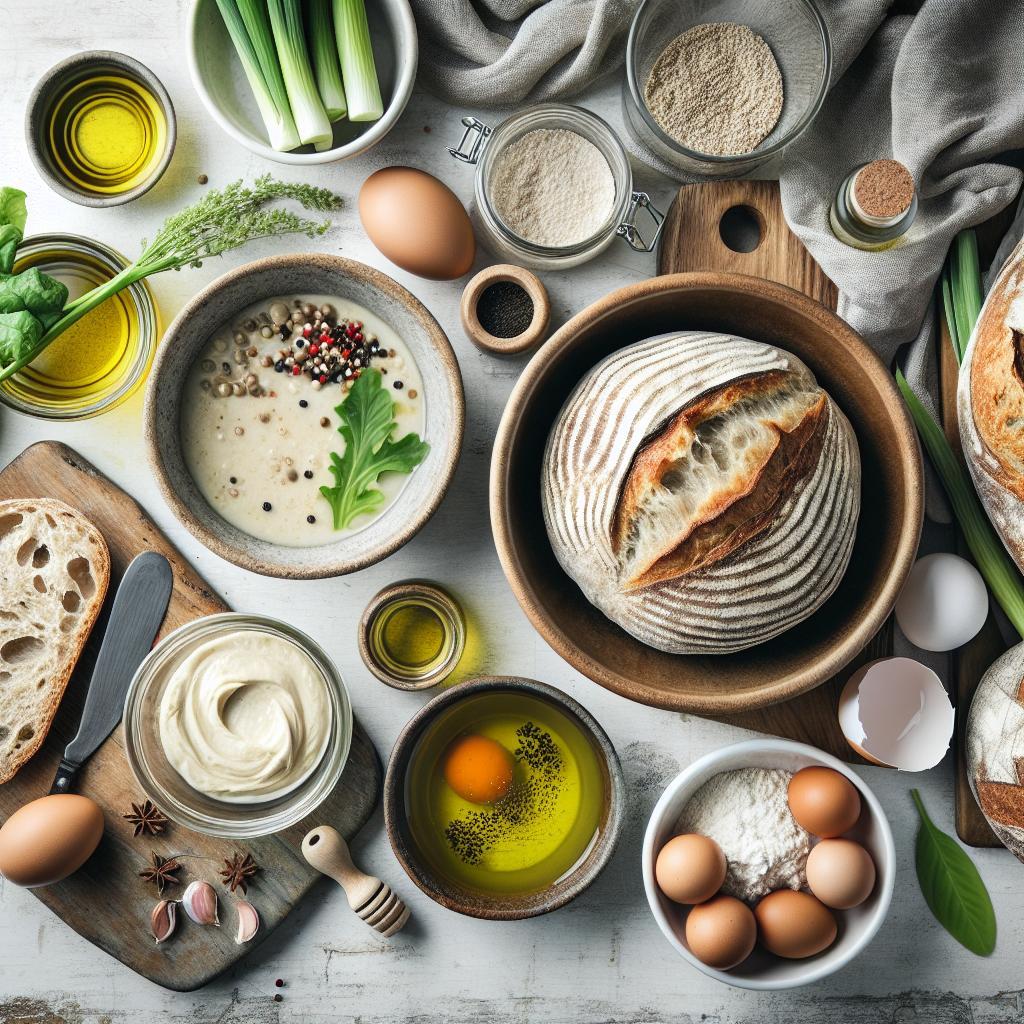
The sourdough starter is a live culture of wild yeasts and lactic acid bacteria that powers flavor, rise, and texture in naturally leavened bread. Mastering how a young starter behaves versus a mature one gives you predictable results and better loaves.

Contents
  • The starter: young vs mature
  • How microbes shape flavor and rise
    • Microbial succession and stability
  • Practical baking timeline
    • Adjusting bake timing by starter age
  • Feeding routines and measurements
    • Hydration and flour choice
  • Measuring maturity and performance
    • Float test and peak timing
  • Care, storage, and troubleshooting
  • Using mature vs young starter in recipes
    • Shaping, scoring, and oven spring
  • Internal resources and further learning
  • FAQ
    • How long before my young starter is ready to bake with?
    • Can I speed up maturation?
    • What are reliable signs of a mature starter?
    • How should I store a starter if I bake weekly?
    • Does flour type change maturation?
  • Young starters act fast but produce milder flavor and can be inconsistent.
  • Mature starters deliver steady rise, deeper acidity, and complex aroma.
  • Feeding and temperature shape activity and flavor—control these to control results.
  • Storage differs: room-temp care for young cultures, refrigeration for mature ones.

The starter: young vs mature

Young starters are newly established ecosystems. They typically take 7–14 days to stabilize and often show rapid, erratic activity during that period.

Mature starters sustain a balanced mix of microbes and predictable gas production. They give more consistent oven spring and richer flavor when fed and maintained correctly.

- Advertisement -

How microbes shape flavor and rise

Wild yeast provides CO2 for leavening while lactic acid bacteria produce organic acids that shape taste and dough strength. Together they determine crumb openness and crust character.

For technical context, read about sourdough, the general process of fermentation, and the biology of yeast and lactic acid bacteria to understand underlying mechanisms.

Microbial succession and stability

During early days, facultative microbes dominate and lower pH gradually. Over time, acid-tolerant lactobacilli and stable yeast strains establish a resilient community.

- Advertisement -

This succession explains why mature starters behave more predictably: the community has selected members adapted to your flour, water, and environment.

Practical baking timeline

Starter preparation varies: a young starter may need 4–12 hours to peak after feeding, while a mature culture often peaks reliably in 4–6 hours at room temperature.

Dough handling depends on starter vigor. Bulk ferment commonly runs 4–6 hours with periodic stretch-and-folds; final proof ranges from 2–24 hours depending on temperature and desired flavor.

- Advertisement -
  • Dough mix & autolyse: 30 minutes
  • Bulk fermentation: 4–6 hours typical
  • Final proof: 2–24 hours (retardation yields more acidity)
  • Bake: 40–50 minutes total

Adjusting bake timing by starter age

Use slightly warmer temps (≈24°C / 75°F) to speed a young starter and slightly cooler (≈20°C / 68°F) to coax flavor from a mature starter. Temperature control gives you predictable windows for shaping and scoring.

Also, reduce dough hydration by 3–8% when a young starter makes the dough feel slack. This improves handling without changing the recipe dramatically.

Feeding routines and measurements

Feeding frequency determines stability. Young starters benefit from twice-daily small feedings to build population; mature starters succeed with once-daily or weekly refrigerated feedings.

Measure by weight. A typical maintenance feed is 1:1:1 (starter:water:flour) or 1:2:2 for a slower, more controlled peak. Consistency yields reproducible results.

Hydration and flour choice

Higher-protein bread flours strengthen gluten and pair well with mature starters that produce strong gas retention. Whole-grain flours speed activity due to extra enzymes and nutrients.

Adjust hydration carefully: whole-grain absorbs more water, so increase by 5–10g per 100g of flour when using rye or whole-wheat components.

💡 Expert Insight
Expert Insight: For a reliable test, feed a starter at a fixed ratio, note the time to double, and record ambient temperature. Over several days, these observations let you predict peak times and schedule mixing with confidence.

Score and bake when the starter and dough behave consistently. Track those variables—temperature, flour brand, and hydration—to replicate success across bakes.

Measuring maturity and performance

Recognize maturity by consistent doubling time, steady aroma, and reliable float-test results. These behaviors show a balanced microbial community and robust activity.

Use practical checks: measure rise in a clear jar, perform the float test, and check aroma for a pleasant acidity without off-smells. If the starter smells sharply solvent-like, adjust feedings and discard ratio.

Float test and peak timing

Drop a spoonful in room-temperature water; a buoyant piece often indicates sufficient gas for leavening. However, some active starters sink due to hydration differences—use this as one of several indicators.

Time your mix to align with the starter’s predictable peak window. With a record of past bakes, you can plan mixes to match your daily schedule reliably.

Care, storage, and troubleshooting

Mature starters store well in the refrigerator with weekly feeds. For active daily baking, keep starters at room temperature and feed more frequently to maintain vigor.

If mold, unusual colors, or persistent foul odors appear, discard the starter and begin anew. Never try to rescue visibly contaminated cultures.

⚠️ Pro-Caution
Pro-Caution: Use non-chlorinated water and clean tools. Chlorine can inhibit microbial activity, and unsanitary utensils invite unwanted microbes. When in doubt, sterilize bowls and use fresh flour.

For longer-term backup, dry a portion of mature starter on parchment and store it in an airtight container in a cool place. This gives a fail-safe if your active culture fails.

Using mature vs young starter in recipes

A mature starter suits long ferment or refrigerated proofs for deeper sour notes and better crust caramelization. Use it when you want complex flavor without sacrificing rise.

Use a young starter for quick breads, pancakes, or when you want milder acidity. Young starters excel when you need speed over depth of flavor.

Shaping, scoring, and oven spring

Mature starters often yield stronger oven spring due to structured gluten and consistent gas retention. Score decisively to guide expansion and avoid random ruptures.

For best crust, bake with steam for the first 20–25 minutes. The quick gelatinization of crust locks in moisture and supports a crisp, blistered exterior.

Internal resources and further learning

For advanced fermentation techniques, consult our internal guide on sourdough fermentation techniques. This expands on temperature control and feeding math with practical charts.

For starter maintenance and troubleshooting, see starter care and storage. That page includes drying, freezing, and reactivation protocols I use professionally.

FAQ

How long before my young starter is ready to bake with?

Expect 7–14 days for a new starter to stabilize under regular feedings. Look for consistent doubling and a pleasant tang before baking for best results.

Can I speed up maturation?

Increase feeding frequency and keep the starter slightly warmer to accelerate microbial selection. However, avoid shortcuts that force imbalance—patience yields stability.

What are reliable signs of a mature starter?

A mature starter peaks predictably after feeding, is bubbly throughout, produces a clean acidic aroma, and gives reliable rise in dough. These metrics signal readiness.

How should I store a starter if I bake weekly?

Refrigerate a mature starter and feed it weekly. Before a planned bake, refresh it twice at room temperature to ensure full vigor on bake day.

Does flour type change maturation?

Yes. Whole grains and rye speed activity thanks to higher nutrient and enzyme content. White flours produce milder flavors and often require longer stabilization for complex taste.

Final note: Track variables, use consistent feeds, and respect microbial timelines. With methodical care, both young and mature starters become reliable partners that reflect your technique and local environment.

See also: sourdough starter

Cake vs. Yeast Donuts: 7 Powerful Differences Every Baker Should Know
7 Proven Fat Flavor Techniques That Work
Brew On: 7 Expert Steps to Build a Continuous Kombucha System
Cassoulet Revealed: 7 Time-Tested Techniques for Perfect Results
7 Proven Strategies to Master Single-Variable Experiments
TAGGED:andartfeeding schedulefermentation temperaturesciencesourdough bakingsourdough fermentationsourdough starterstarterstarter maintenancestarter maturitythe
Share This Article
Facebook Pinterest Whatsapp Whatsapp LinkedIn Telegram Threads
What do you think?
Love0
Sad0
Happy0
Sleepy0
Angry0
Dead0
Wink0
Previous Article Crafting Creamy Magic: A Guide to Milk Kefir with Grains Crafting Creamy Magic: 9 Expert Steps to Make Milk Kefir
Next Article Unlocking the Magic of a Food Mill: Your Kitchen’s Secret Tool Unlock the Magic of a Food Mill: 7 Pro Uses to Transform Your Sauce Game
Creamy Garlic Chicken with melted Parmesan and fresh herbs on a rustic white plate
Garlic Chicken: 7 Ultimate Brilliant Recipes to Make the Best-Ever Creamy Garlic Chicken with Parmesan & Fresh Herbs
Extra Picks
Colorful bowls of Leftover Couscous transformed into salads, fritters, and stuffed peppers.
12 Amazing Practical Leftover Couscous Ideas: Brilliant Ways to Reuse and Remix
Uncategorized
Colorful jars of spice blends beside steaming couscous with herbs and lemon
7 Ultimate spice blends That Transform Your Couscous — Amazing Best Flavor Boosts
Uncategorized
Bowls of gluten-free couscous alternatives: quinoa, millet, cauliflower, and rice
10 Amazing couscous alternatives: Best Gluten-Free Swaps for Incredible Flavor
Uncategorized

Tags

and art baked baking science baking techniques Baking tips batch cooking beef behind browning techniques butternut squash caramelization cast iron skillet chemistry chicken comfort food Cooking science cooking technique Cooking techniques Cooking tips crafting creamy creamy soup crispy culinary science fish flavor flavor chemistry food food safety Food science for garlic golden Ground turkey hearty heat high-heat cooking high protein meals how instant read thermometer Lean protein magic Maillard reaction make ahead meals make ahead soup mastering meal prep Meal prep recipes meat thermometer microwave microwave cooking moisture control one pot meals Pan searing perfect perfectly Plant based protein Probe thermometer protein denaturation Quick dinners roasted roasted squash roasted tomato soup Roasted vegetables Roasting techniques savor savory science Searing technique Searing techniques secrets slow cooking squash steak steak cooking sweet temperature control the top turkey turkey soup turkey stew ultimate umami cooking umami flavor unlock unlocking unveiling vegetable velvety weeknight dinner Weeknight dinners weeknight meals what when why with your zesty
April 2026
M T W T F S S
 12345
6789101112
13141516171819
20212223242526
27282930  
« Mar    

You Might Also Like

A Colorful Twist: Mastering the Perfect Roasted Veggie Medley
Extra Picks

7 Expert Tips to Master Perfect Roasted Vegetables

William J. Kroll
William J. Kroll
January 21, 2026
Nose Plugged: How Apples and Onions Transform Your Tastebuds
Flavor & Aroma

Nose Plugged: 7 Practical Ways Apples & Onions Reawaken Your Tastebuds

William J. Kroll
William J. Kroll
February 12, 2026
Hearty Turkey and Mushroom Stew: A Flavorful Comfort Classic
Extra Picks

7 Essential Steps to Hearty Turkey Stew — Mushroom Comfort Classic

William J. Kroll
William J. Kroll
February 14, 2026
Unlocking Flavor: The Science Behind Searing Vegetables
Searing Myth

Unlocking Flavor: 7 Expert Secrets to Searing Vegetables

William J. Kroll
William J. Kroll
November 16, 2025
Roasted Vegetable Chili: A Hearty Twist on Classic Comfort
Extra Picks

7 Secrets for Smoky Roasted Vegetable Chili

William J. Kroll
William J. Kroll
January 27, 2026
Salted Caramel Gelato: The Science Behind Creamy Bliss
Extra Picks

Salted Caramel Gelato: 7 Science-Backed Secrets for Creamy Bliss

William J. Kroll
William J. Kroll
December 25, 2025
Follow US
By Fimaw.com © All Rights Reserved.
  • Advertising Policy: 10 Practical Rules for Safe, Compliant Ads
  • Contact Us
  • Cookie Policy: Clear Guide for Site Owners
  • Copyright Notice Guide: 7 Essential Rules for Website Owners
  • Disclaimer
  • Privacy Policy
  • Terms of Service
Welcome Back!

Sign in to your account

Username or Email Address
Password

Lost your password?