
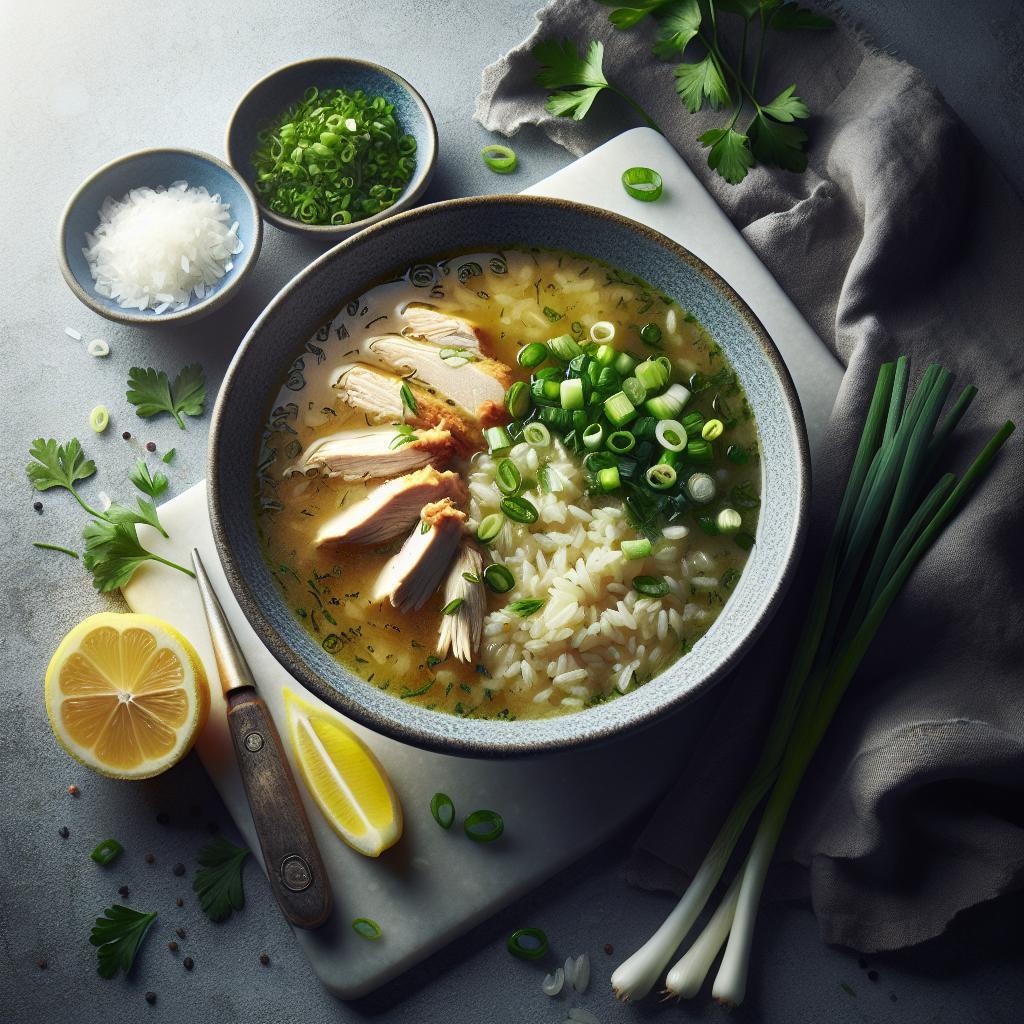

When cold air settles in, a warm bowl of chicken soup makes an immediate difference. This hearty chicken soup blends tender meat, aromatic vegetables, and fluffy rice for steady, nourishing comfort that holds up for reheating and family meals.
- Overview of Hearty Chicken Soup
- Prep and Cook Time for Chicken Soup
- Yield and Servings for Chicken Soup
- Difficulty Level for Chicken Soup
- Ingredients for Chicken Soup
- Instructions: How to Make Chicken Soup
- Tips for Success: Mastering the Perfect Hearty Chicken Soup
- Serving Suggestions for Chicken Soup
- Make-Ahead and Storage for Chicken Soup
- Nutrition and Diet Notes for Chicken Soup
- The Way Forward with Chicken Soup
- FAQ
- Simple method: Brown chicken, simmer gently, shred meat, and finish with rice for six servings.
- Texture control: Add rice late or cook it separately to avoid mushy grains.
- Flavor depth: Use bone-in chicken and low-sodium broth, then adjust seasoning at the end.
- Storage tip: Store broth and rice separately for the best reheated texture.
Overview of Hearty Chicken Soup
This overview explains why the technique matters for substantial chicken soup. Clear stock, balanced seasoning, and rice cooked for texture create a reliable, comforting bowl.
The method relies on fundamentals used across traditional kitchens: gentle simmering to extract flavor, aromatics to lift taste, and quality ingredients to support mouthfeel. For ingredient background, see chicken and rice for provenance and basic properties.
Prep and Cook Time for Chicken Soup
Preparation: 15 minutes. Cooking: 1 hour. These times assume bone-in thighs to develop broth richness and texture.
Plan roughly 75 minutes total for browning, simmering, shredding, and rice finishing. Timing shifts by rice variety; adjust liquid and cook time as needed when using brown rice.
Yield and Servings for Chicken Soup
This batch yields about six hearty servings—ideal for a family meal or a few lunches during the week. Portion size varies with side dishes and appetite.
Leftovers reheat well when handled correctly. For meal prep, keep broth and rice separate to maintain grain integrity and avoid a mushy result when you reheat chicken soup later.
Difficulty Level for Chicken Soup
Easy. The recipe uses straightforward stove-top techniques accessible to most home cooks. No special equipment is required beyond a heavy-bottomed pot and a fine mesh strainer if you choose to clarify the stock.
Simmer control and rice timing are the small levers that move a good soup into great territory. Use a low, steady simmer to keep broth clear and chicken tender while managing the rice finish for texture.
Ingredients for Chicken Soup
Use quality components. Bone-in poultry gives depth and natural gelatin; aromatics and herbs layer savory notes. Choose low-sodium broth so you can season precisely.
Core ingredient list (serves 6):
- 1 ½ lbs bone-in, skinless chicken thighs, trimmed
- 1 cup long-grain white rice, rinsed
- 2 tablespoons extra-virgin olive oil
- 1 large onion, finely diced
- 3 cloves garlic, minced
- 3 medium carrots, peeled and sliced
- 2 celery stalks, sliced thin
- 8 cups low-sodium chicken broth
- 2 bay leaves
- 1 teaspoon dried thyme
- Salt and freshly ground black pepper, to taste
- Handful fresh parsley, chopped (for garnish)
- Juice of ½ lemon (optional)
Substitutions: Brown rice gives nuttier flavor but needs longer cooking; adjust liquid and time. Fresh herbs replace dried at the end for brighter notes. For herb context see thyme.
Instructions: How to Make Chicken Soup
Follow the ordered steps below and treat each paragraph as a technique checkpoint. Start by building flavor through browning and aromatics, then extract steadily with a gentle simmer.
1. Brown the chicken: Heat oil in a heavy pot over medium heat. Sear thighs 4 minutes per side until golden, then remove and set aside.
2. Sauté vegetables: Add onion, carrots, and celery to the same pot and cook 5–6 minutes until softened. Stir to deglaze the fond and pick up browned bits for flavor.
3. Add aromatics and herbs: Stir in garlic, thyme, and bay leaves one minute to release aroma without burning. Return chicken to the pot and pour in broth.
4. Simmer and shred: Bring to a gentle boil, then reduce to a steady simmer and cover for 35 minutes. Remove chicken, shred meat with forks, and discard bones.
5. Cook the rice: Add rinsed rice to the simmering broth and cook uncovered 15 minutes, or until tender but still distinct. Alternatively, cook rice separately to control reheating texture.
6. Finish and serve: Return shredded chicken to the pot, season with salt, pepper, and lemon if desired. Warm through 2–3 minutes, ladle into bowls, and garnish with parsley.
Step-by-step Method Notes
Rinse long-grain rice to remove surface starch; that prevents clumping in the pot. If you rinse under cold running water, drain well before adding to the broth.
When cooking rice directly in the soup, monitor toward the end of cooking; shut heat when grains are tender but still hold their shape. For clearer stock, skim foam early in the simmer.
Tips for Success: Mastering the Perfect Hearty Chicken Soup
Small technique choices make big differences. A gentle simmer preserves both broth clarity and chicken tenderness, while rice timing ensures each spoonful remains pleasant.
Choose bone-in pieces for gelatin and mouthfeel, and use low-sodium broth to control final seasoning. If you need a quick shortcut, use rotisserie meat but keep broth quality high for better depth.
For batch cooking, cool quickly in shallow containers and divide into portions. Freeze broth separately from rice; this prevents texture breakdown and extends freezer life without sacrificing quality.
Serving Suggestions for Chicken Soup
Serve piping hot with a crusty loaf or a simple green salad. A light drizzle of olive oil or a small dollop of yogurt adds richness without overwhelming the bowl.
Garnish with fresh parsley or a thyme sprig. For context on soup categories and cultural role, see soup.
See also: chicken soup recipes and storing leftovers for related techniques and storage best practices.
Make-Ahead and Storage for Chicken Soup
Store soup in airtight containers in the refrigerator up to 4 days. For freezing, separate rice from broth and freeze portions of broth and chicken separately for up to 3 months.
Reheat gently over low heat; add cooked rice at the end or heat separately and combine at service. This approach preserves grain integrity and restores a fresh mouthfeel after reheating.
Nutrition and Diet Notes for Chicken Soup
This recipe balances protein, moderate carbohydrates, and low fat when using skinless thighs. It provides a nutrient-dense meal suitable for recovery or light lunches.
Approximate per-serving nutrition helps with meal planning. Adjust salt and fat levels to meet specific dietary needs or to fit an elimination plan.
| Nutrition Per Serving | Value |
|---|---|
| Calories | 320 kcal |
| Protein | 28 g |
| Carbohydrates | 30 g |
| Fat | 8 g |
The Way Forward with Chicken Soup
Use this recipe as a solid base for seasonal variations. Swap vegetables, try different herbs, or use leaner proteins while maintaining simmer control and rice timing.
The technique translates well to batch cooking and meal prep. Keep components separate for storage and reheat gently to retain the bowl’s intended texture and clarity.
FAQ
What makes this chicken soup a comfort food?
The warm broth, tender chicken, and soft rice provide familiar textures and aromas that register as comforting. Those sensory cues often connect to memories of home-cooked meals and care.
How can I boost flavor without adding more salt?
Layer flavors with browned chicken, sautéed aromatics, and herbs. A squeeze of lemon or fresh parsley brightens the bowl and enhances perceived saltiness without raising sodium.
Is this chicken soup good for meal prep?
Yes. Prepare broth and chicken ahead and store rice separately to avoid sogginess. Reheat components gently and combine at serving for the best texture.
Can I make a vegetarian version?
Substitute hearty mushrooms, white beans, or a combination for chicken and use vegetable stock. Retain the same vegetable base and rice timing to preserve the dish’s comforting structure.
Which rice type gives the best texture in chicken soup?
Long-grain white rice such as jasmine or basmati stays separate and fluffy when rinsed. Brown rice yields a firmer bite and needs longer cooking; adjust liquid and time as required.

See also: chicken soup