

Heat and water shape food in predictable ways. When you choose boiling or steaming, you select a specific heat-transfer regime that determines texture, flavor, and nutrient retention.
- Understanding the physics: boiling versus steaming
- Prep and Cook Time
- Yield
- Difficulty Level
- Ingredients
- Instructions
- Tips for Success
- Serving Suggestions
- Nutrition
- Energy use and sustainability
- Combining methods for optimal results
- FAQ
- Is steaming always healthier than boiling?
- Can I steam frozen vegetables without thawing?
- Does steaming destroy bacteria as effectively as boiling?
- Will steaming take longer than boiling?
- How do I prevent overcooking when boiling?
- Final notes
- Steaming preserves more water-soluble nutrients and texture.
- Boiling transfers heat quickly but can leach vitamins into cooking water.
- Use parboiling plus steaming to control tenderness without losing structure.
- Energy and water use differ; steaming often needs less water and can be more efficient.
Understanding the physics: boiling versus steaming
Boiling cooks by submerging food in vigorously circulating liquid at its boiling point. The process relies on convective heat transfer where hot water contacts the surface directly, moving heat quickly into the food.
Steaming cooks with phase-change energy: hot vapor condenses on the cooler food surface, releasing latent heat. This method wraps items in humid heat and reduces liquid contact, which slows solute loss and protects delicate structure.
For an authoritative primer on the underlying phenomena, consider the physics of boiling and heat transfer described in basic thermodynamics resources such as Boiling. For culinary steaming techniques and history, see Steaming (cooking).
Prep and Cook Time
Preparation time usually ranges from five to ten minutes for vegetables once they are cleaned and cut. Equipment choice—large pot, steamer basket, or bamboo steamer—affects setup time but not much else.
Cooking time varies by ingredient: thin vegetable slices steam or boil in three to six minutes; denser roots may need 10–20 minutes. Volume matters: a crowded steamer slows steam flow, while a large pot of water maintains boil temperature better.
Yield
A standard recipe with 1 lb of mixed vegetables yields four side servings when plated alongside protein or grains. Steaming and boiling deliver similar mass yield, but steaming often preserves a firmer mouthfeel.
Portion control depends on how you finish the vegetables. Tossing with a pat of butter or a bright vinaigrette changes caloric density and satiety per serving.
Difficulty Level
Both methods rate from easy to moderate for cooks learning timing and doneness cues. Boiling requires attention to prevent over-softening; steaming needs a tight cover and correct water height to maintain steady steam.
Once you master timing charts and fork-tender checks, both become routine. For structured technique drills, consult internal guides like guide to healthy steaming techniques and vegetable prep guide.
Ingredients
This example list focuses on a mixed vegetable side that highlights method differences. Use fresh, uniformly sized pieces for even heat penetration and consistent results.
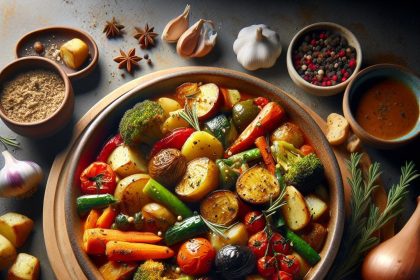
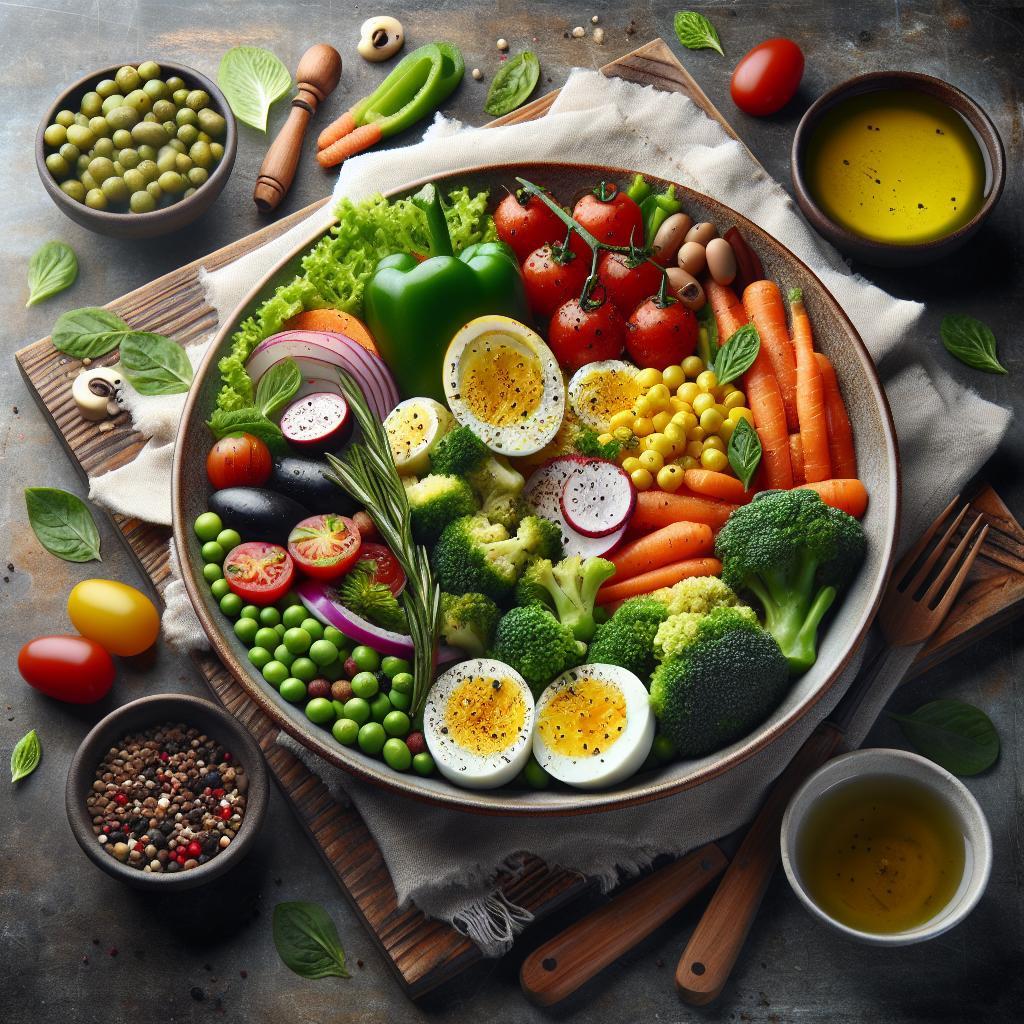
- 1 lb fresh broccoli florets, washed and trimmed
- 1 large carrot, peeled and sliced thin
- 1 cup baby green peas, fresh or frozen
- 1 lemon, zested and juiced
- 2 tbsp unsalted butter (optional)
- Salt and freshly ground black pepper, to taste
- 2 cups water (for boiling or to create steam)
- Fresh herbs (tarragon, parsley, or dill) for garnish
Instructions
Follow method-specific steps to achieve ideal texture. Read both approaches before you start so you can prepare the correct equipment and water volumes.
Boiling method
Bring about two cups of water to a rapid boil in a deep pot, add a pinch of salt, and drop in carrots first for three minutes. Add broccoli and peas, then boil for another three to five minutes until vegetables are tender yet still vibrant.
Immediately drain into a colander and plunge the vegetables into an ice bath to stop carryover cooking and lock color. Drain well before finishing with butter, lemon, and herbs.
Steaming method
Fill a saucepan with two inches of water and bring to a gentle simmer. Place vegetables in a single layer in a basket or tray above the water and cover tightly to trap steam.
Steam for six to eight minutes, checking for tenderness with a fork. Remove the basket, pat vegetables dry if needed, then toss with butter, lemon juice, and seasonings immediately while warm.
Note on steam equipment: a bamboo steamer concentrates steam and is excellent for delicate items; a metal basket sits higher above water and speeds up condensation. For nutrient-sparing cookwork, steaming often performs best—see discussion of water-soluble vitamins at Water-soluble vitamins.
Tips for Success
Timing is precise: small changes in minutes alter texture dramatically, so use a timer and test frequently. An ice bath after boiling preserves color and halts further cooking.
Choose steaming for fragile foods such as leafy greens and many seafood items because it reduces mechanical agitation and minimizes nutrient leaching. When you need to infuse flavor, boil with aromatics to create a flavored cooking medium that also doubles as stock.
For repeated practice, maintain a small chart of times for common vegetables. That institutional memory increases consistency and shortens prep time across recipes.
Serving Suggestions
Serve steamed or boiled vegetables alongside roasted proteins, poached fish, or grain bowls. A quick drizzle of herbed yogurt or vinaigrette elevates a simple vegetable side into a composed plate.
Garnish with fresh herbs and lemon wedges to add aromatic lift and acidity. For plating tips and pairing ideas, see the general Vegetable overview for common culinary uses.
Nutrition
Cooking changes the bioavailability of some nutrients and reduces others. Water-soluble vitamins (like vitamin C and some B vitamins) are most vulnerable to dissolution in cooking liquid.
Steaming limits water contact and therefore typically preserves more of these nutrients. Boiling can retain nutrients if you reuse the cooking liquid as a broth or sauce.
| Nutrition | Per Serving |
|---|---|
| Calories | 70 |
| Protein | 4g |
| Carbohydrates | 12g |
| Fat | 2g |
Energy use and sustainability
Steaming frequently requires less water and maintains heat inside a covered vessel, which can reduce energy consumption for short cooks. Boiling larger volumes of water to a rolling boil takes more energy.
For efficient practice, use a fitted lid, minimize headspace, and match pot size to ingredient volume. When possible, reuse boiling liquid as a broth to capture leached nutrients and reduce waste.
Combining methods for optimal results
Hybrid approaches often yield the best texture: parboil dense vegetables briefly, then steam to finish. This strategy accelerates internal cooking while protecting outer tissues from over-softening.
Use boiling where hydration or flavor infusion matters—pasta and pulses benefit from full immersion. Reserve steaming for items where crispness and nutrient retention take priority.
FAQ
Is steaming always healthier than boiling?
Steaming generally preserves more water-soluble nutrients because it minimizes direct water contact. However, if you consume the cooking liquid as a broth, boiling can retain those nutrients in the meal.
Choose the method that matches your goals: texture preservation and nutrient retention favor steaming; infusion and stock-making favor boiling.
Can I steam frozen vegetables without thawing?
Yes. Place frozen vegetables in a single layer if possible and extend steaming time by a few minutes. Avoid crowding to ensure uniform steam flow and consistent doneness.
Do not rinse thawed vegetables before steaming; excess surface water increases steaming time and can dilute seasonings.
Does steaming destroy bacteria as effectively as boiling?
Proper steaming reaches temperatures that inactivate most foodborne pathogens, provided the internal temperature gets sufficiently high. A tight lid and adequate time ensure even heat penetration.
For high-risk foods, verify internal temperatures or favor boiling/poaching until you reach recommended safe temperatures for that ingredient.
Will steaming take longer than boiling?
Steaming can be equal to or faster than boiling for small pieces because steam envelops and transfers heat efficiently. For large batches or dense roots, boiling sometimes appears faster due to direct convective contact.
Monitor doneness rather than relying solely on time charts; fork tests and color cues deliver better results than clock-watching alone.
How do I prevent overcooking when boiling?
Follow the shock-cooling method: drain quickly and plunge vegetables into ice water to stop residual heat from continuing to cook the cells. This preserves texture and color effectively.
Maintain high heat only when necessary and reduce to a simmer to finish if you need gentler heat for delicate items.
Final notes
Boiling and steaming both serve clear culinary purposes. Choose boiling when you need rapid heat transfer, infusion, or hydration; choose steaming when you prioritize texture and nutrient retention.
Experiment with hybrid workflows and record times for your pantry staples. Over a few sessions you will refine times, equipment choices, and finishing techniques that produce reliably excellent results.
Explore internal references such as guide to healthy steaming techniques and vegetable prep guide for step-by-step schedules and timing charts that boost consistency in the kitchen.
See also: Steaming