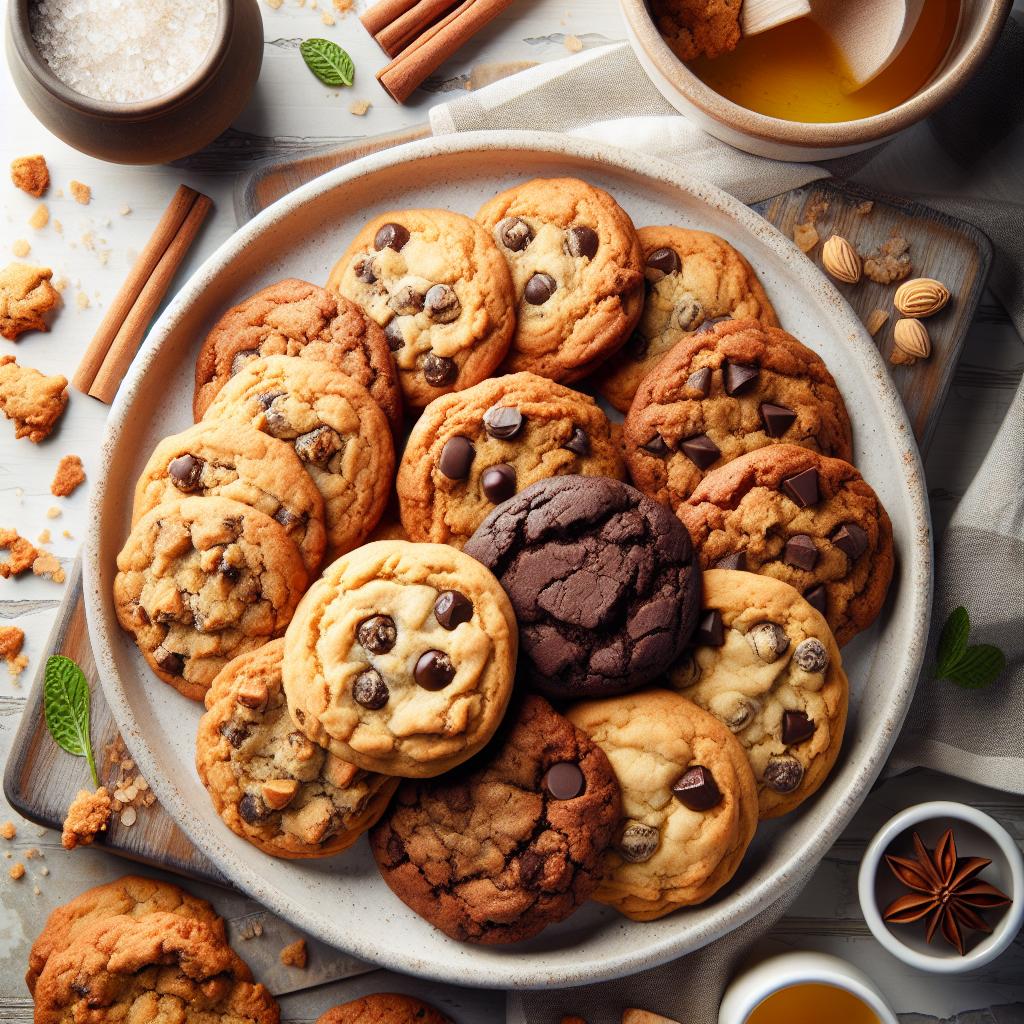

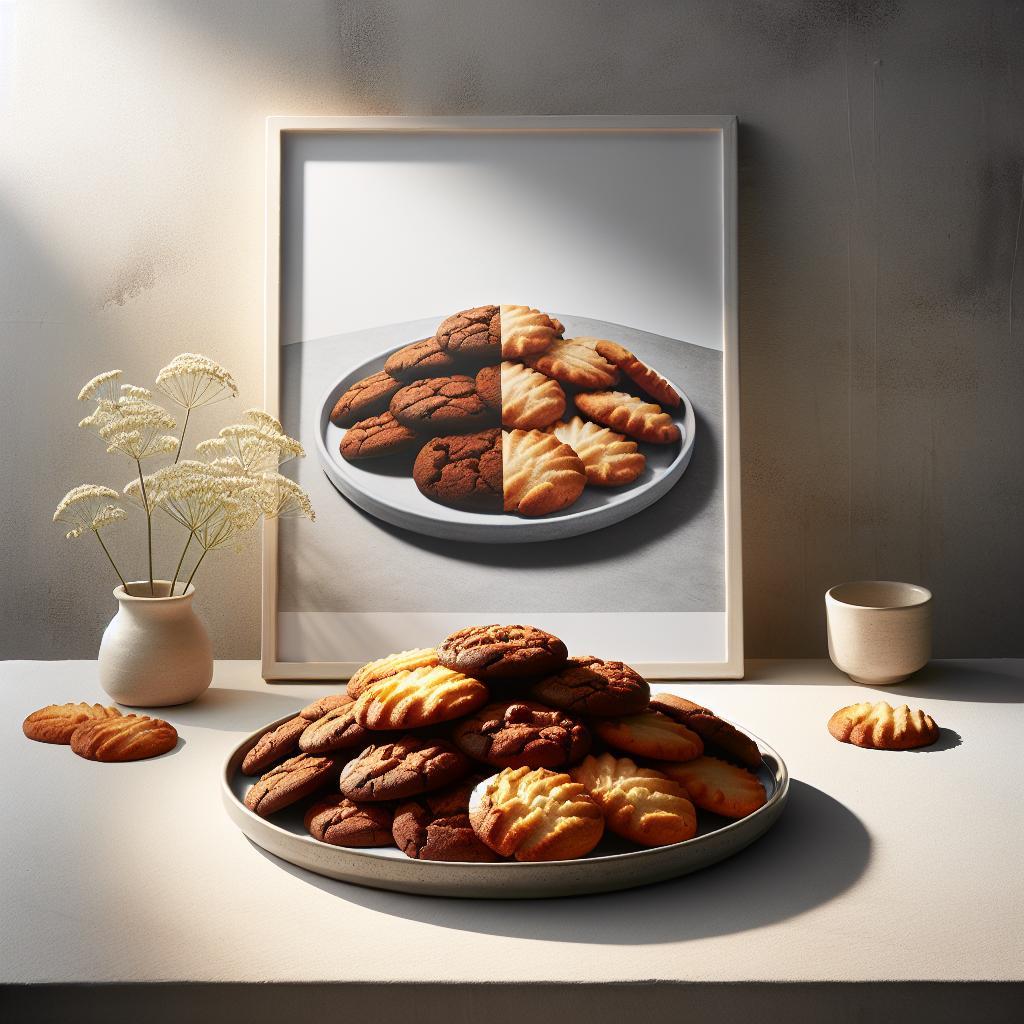

There’s a timeless debate that divides snack lovers everywhere: chewy or crispy cookies? That satisfying snap of a crispy edge versus the tender, melt-in-your-mouth chewiness-each bite tells a different story. But what exactly happens inside the oven to create these contrasting textures? Beyond personal preference, the secret lies in the science of ingredients, baking techniques, and chemistry. In this article, we’ll unravel the mysteries behind chewy and crispy cookies, exploring how flour types, fat content, moisture levels, and even baking time work together to shape every delightful bite. Whether you crave a soft, gooey treat or a crunchy classic, understanding the science will help you master your perfect cookie texture.
Chewy vs. Crispy Cookies: The Science Behind Each Bite
Understanding the chemistry of texture unlocks the secret to creating the perfect cookie that delivers either a satisfyingly chewy bite or an irresistibly crispy snap. Combining key ingredients and mastering baking techniques are essential for achieving that ideal balance, while precise adjustments in baking time and temperature refine your cookie’s final texture. Whether you crave melt-in-your-mouth chewiness or a delightful crunch, this guide helps you explore how ingredient interactions and heat influence every bite in the world of cookies.
Prep and Cook Time
- Preparation: 15 minutes
- Chilling dough (optional): 30 minutes – 1 hour
- Baking: 8-12 minutes
- Total Time: Approx. 40 minutes-1 hour 30 minutes
Yield
Approximately 24 medium-sized cookies
Difficulty Level
Medium – perfect for bakers ready to experiment with texture and technique
Ingredients
- 2 ¼ cups all-purpose flour, sifted
- 1 teaspoon baking soda
- ½ teaspoon fine sea salt
- ¾ cup unsalted butter, softened
- 1 cup packed light brown sugar
- ½ cup granulated sugar
- 1 large egg + 1 egg yolk (for extra chewiness)
- 2 teaspoons pure vanilla extract
- 1 ½ cups semisweet chocolate chips
- Optional: ½ cup chopped walnuts or pecans
Instructions
- Preheat your oven to 350°F (175°C). Line baking sheets with parchment paper to prevent sticking and promote even browning.
- In a medium bowl, whisk together flour, baking soda, and salt. This combination is crucial for texture – baking soda encourages spread and a tender crumb.
- Cream the butter, brown sugar, and granulated sugar in a large bowl using an electric mixer on medium speed. Beat for 3-4 minutes until fluffy and lighter in color-the air incorporated here influences softness.
- Add egg and egg yolk one at a time, mixing well after each addition. The extra yolk adds moisture and richness, key for chewy cookies.
- Mix in vanilla extract for warmth and enhanced flavor depth.
- Gradually fold in the dry ingredients using a spatula or mixer on low speed. Do not overmix-overworking gluten will make cookies tough rather than chewy or crispy.
- Stir in chocolate chips and optional nuts, distributing evenly.
- For chewier cookies: chill the dough in the refrigerator for 30-60 minutes to solidify the fat, which slows spreading and enhances texture depth.
- Scoop dough by rounded tablespoons onto prepared baking sheets spaced about 2 inches apart.
- Bake:
- Chewy cookies: 9-11 minutes. Remove as soon as edges set and centers look slightly underbaked.
- Crispy cookies: 11-13 minutes. Bake until golden brown and edges are crisp, but not burnt.
- Cool on the sheet for 5 minutes, then transfer to wire racks to finish cooling. This step allows carryover heat to perfect the texture.
Tips for Success
- Butter temperature: Use softened butter, not melted; melting releases too much moisture, which affects chewiness and structure.
- Sugar choices: More brown sugar promotes chewiness, while more granulated sugar encourages crispiness due to caramelization.
- Egg yolks: Incorporating an extra yolk increases fat and moisture, enhancing chewiness without heaviness.
- Chilling the dough: A critical step, especially for chewy cookies, chilling solidifies fats that slow spread and deepen flavor.
- Oven variability: Always test-bake a small batch to dial in your oven’s ideal bake time and temperature for your preferred texture.
- Experiment with baking sheets: Dark, non-stick pans can brown cookies faster and create crispier bottoms.
Serving Suggestions
Serve fresh from the oven with a glass of cold milk or a scoop of vanilla ice cream for a timeless treat. For an extra touch, sprinkle a pinch of flaky sea salt over the tops of your warm cookies to highlight the sweet-savory contrast. Plate on a rustic wooden board garnished with fresh berries or a drizzle of melted chocolate for an inviting presentation perfect for gatherings or cozy afternoons.

| Nutrient | Per Cookie (approx.) |
|---|---|
| Calories | 150 kcal |
| Protein | 2 g |
| Carbohydrates | 20 g |
| Fat | 7 g |
Ready to dive deeper into cookie science? Check out our complete guide to flour types and their impact, or explore expert insights from King Arthur Baking’s cookie chemistry resource to enhance your baking mastery.
Q&A
Q&A: Chewy vs. Crispy Cookies – The Science Behind Each Bite
Q1: What makes a cookie chewy rather than crispy?
A1: The chewiness in cookies primarily comes down to moisture and texture. Higher moisture content keeps the cookie soft and pliable, often achieved by using ingredients like brown sugar, which contains molasses, or adding extra eggs and butter. These ingredients hold onto water, preventing the cookie from drying out. Additionally, shorter baking times help retain moisture, resulting in that satisfying, chewy bite.
Q2: Why do crispy cookies have a crunchier texture?
A2: Crispy cookies lose more moisture during baking, leading to a brittle texture. White sugar, which dissolves and caramelizes more thoroughly, promotes crispness. Longer baking times at slightly lower temperatures allow the cookie to dry out evenly without burning, creating that iconic snap when you break into it. A thinner cookie shape also aids in crispness.
Q3: How does the type of flour affect chewiness or crispiness?
A3: Flour affects the gluten structure, which influences texture. All-purpose flour, with a balanced protein content, works well for both textures. For chewier cookies, using bread flour with higher protein content can promote more gluten development, making the cookie denser and chewier. For crispy cookies, using a bit less flour or incorporating cake flour (which is low protein) can create a more tender, less elastic crumb.
Q4: Does fat type impact cookie texture?
A4: Absolutely! Butter, which contains water and milk solids, helps create flavor and can contribute to both texture types but tends to give a tender chewiness. Using shortening or margarine, which have higher melting points and less water, generally leads to crispier cookies because they produce less steam and spread less during baking.
Q5: What role does baking temperature play?
A5: Temperature controls how quickly the cookie sets and spreads. Higher temperatures cause cookies to set faster, trapping moisture inside for a chewier result. Lower temperatures bake the cookie more gently, allowing moisture to evaporate, producing crispness. However, balancing time and temp is key-too high or too low can ruin the cookie’s texture.
Q6: Can you get a cookie that’s both chewy and crispy?
A6: Yes! The secret lies in the edges versus the center. Baking cookies slightly longer tends to crisp up the edges while the middle remains soft and chewy. Adjustments in dough thickness, sugar ratio, and chilling the dough before baking all contribute to achieving this delightful contrast in texture.
Q7: Do chilling the dough or resting affect texture?
A7: Chilling dough solidifies fats and allows flour to hydrate, leading to less spread during baking. This can enhance chewiness by creating a denser crumb and richer flavor. It also helps develop gluten, which increases structure. For crispier cookies, less chilling or using the dough right away promotes more spread and a thinner, crisper edge.
Q8: How does sugar ratio influence chewiness and crispiness?
A8: Brown sugar’s moisture-rich molasses keeps cookies chewy, while white sugar encourages crispness by promoting caramelization and drying out the dough. Recipes with higher brown-to-white sugar ratios tend to be chewier, and vice versa for crisp cookies.
Q9: Is the type of leavening agent important?
A9: Yes! Baking soda helps cookies spread and creates a tender, chewy texture by reacting with acidic components like brown sugar. Baking powder, which contains both acid and base, can make cookies rise more and act fluffier, often found in crispier cookie recipes.
Q10: In the war of chewy vs. crispy, can your personal preference be scientifically explained?
A10: Definitely! Humans perceive texture through sensory receptors linked to enjoyment. Chewy textures provide a prolonged bite experience that may feel indulgent and comforting, while crispy textures trigger satisfying sound cues and crunchiness that many associate with freshness and crisp appeal. Your preference might also be influenced by nostalgia, psychology, and even genetics!
Enjoy your perfect cookie, now armed with the science behind each heavenly bite. Whether you’re a chewy loyalist or a crispy connoisseur, understanding these elements can elevate your baking – or your choosing – to a delicious new level.
Closing Remarks
Whether you find yourself reaching for a soft, chewy cookie that melts like a sweet hug or a crisp, crunchy bite that snaps with every crunch, science reveals the delicious secrets behind each texture. From the ratios of butter to sugar, the magic of baking time, to the role of temperature and moisture, every element dances together to craft that perfect cookie experience. So next time you bite into your favorite treat, remember-it’s not just a cookie, it’s a carefully orchestrated symphony of chemistry and craftsmanship. Whether chewy or crispy, each cookie tells a tasty story of science in every bite. Happy baking, and may your cookie cravings always be scientifically satisfied!