
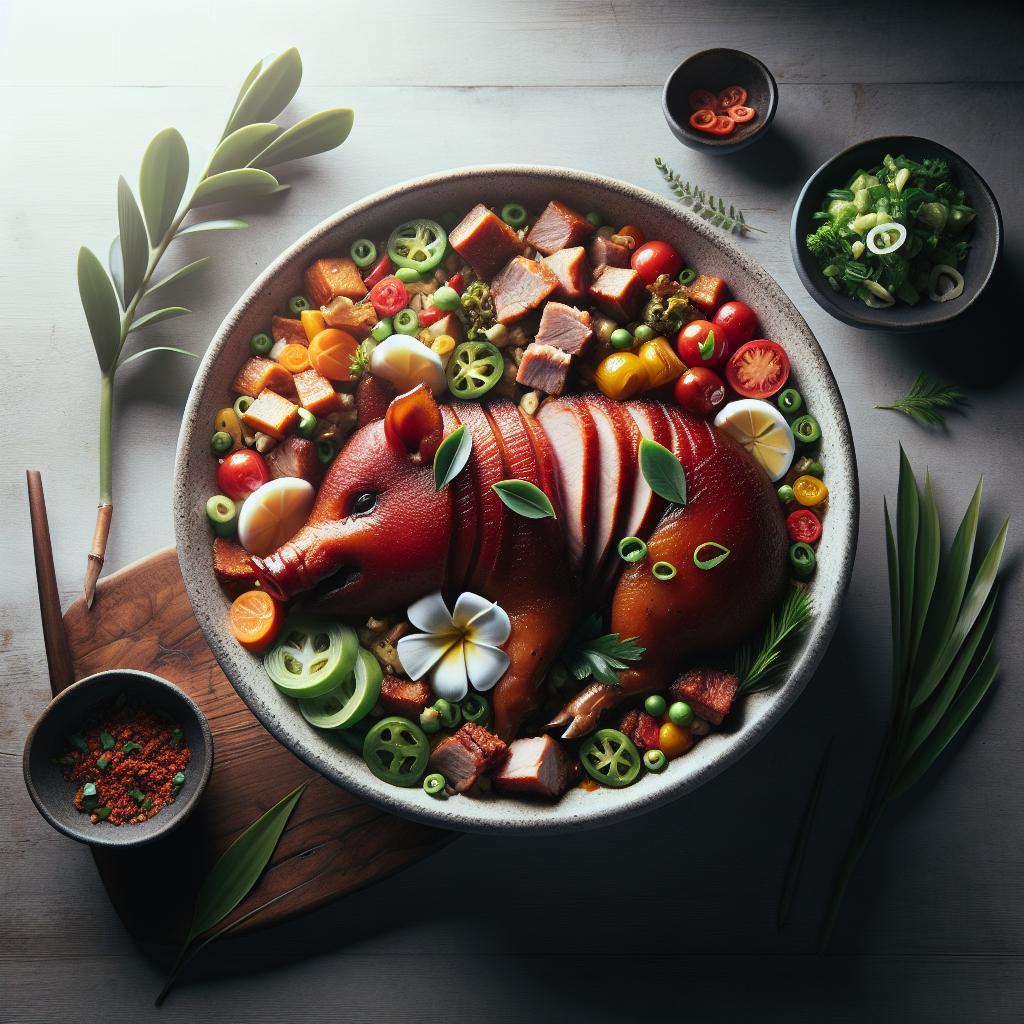

The savory science behind perfect Kalua pig chemistry explains how salt, smoke, and low, extended heat transform pork into a tender, aromatic dish. I write as a food scientist and professional pitmaster; I describe the measurable reactions that create classic Kalua texture and flavor.
- Prep and Cook Time
- Yield
- Difficulty Level
- Ingredients
- Instructions
- Why the Chemistry Works
- Tips for Success
- Serving Suggestions
- Nutrition and Practical Notes
- Internal Resources
- FAQ
- What makes Kalua pig uniquely tender from a chemical standpoint?
- How does wrapping in banana leaves affect chemistry?
- Can I reproduce imu results in an oven or smoker?
- What are the key smoke compounds that influence flavor?
- How important is fat for mouthfeel?
- Final Notes
- At a Glance: Low temperature and long time convert collagen to gelatin for silkier mouthfeel.
- Key chemistry: The Maillard reaction and smoke phenols build aroma and brown crust.
- Salt control: Salt modifies protein structure and water retention for juicy results.
- Replicable method: Modern ovens and smokers can mimic an imu environment when you control humidity and airflow.
Prep and Cook Time
Preparation: 20 minutes of active prep sets up the brine and scoring for deep penetration of seasoning. The hands-on part is brief; most time is passive.
Marinating & Cooking: Plan for an overnight rest and 8–10 hours of low roast at 225°F (107°C) for complete collagen breakdown. Resting for 20 minutes after cooking equalizes juices and improves shreddability.
Yield
This recipe yields 8–10 servings depending on portion size and bone-in weight. Expect about 60–70% edible yield from a bone-in picnic shoulder after trimming and shredding.
Leftovers reheat well and often taste better after flavors meld overnight in the refrigerator. Store in a shallow container to cool quickly and keep texture intact.
Difficulty Level
Medium. The technique requires time and temperature management rather than technical skill. Any competent home cook or pitmaster can execute this reliably with a probe thermometer.
Primary variables to monitor are internal temperature, humidity inside the wrap, and salt balance. Control these and the chemistry takes care of tenderization and flavor development.
Ingredients
5 lbs pork shoulder (picnic roast), bone-in is ideal because the connective tissue yields gelatin during low-temperature roasting. The bone also conducts heat and adds depth of flavor.
2 tbsp Hawaiian sea salt (or kosher salt) helps modify protein solubility and water-holding capacity, improving juiciness. Add 1 tbsp liquid smoke sparingly for consistent smoke phenols when banana or ti leaves are unavailable.
3 cloves garlic, minced and 1 tbsp brown sugar balance savory and sweet, and the sugar assists surface browning via caramelization and Maillard pathways. Optional banana or ti leaves add aroma and a semi-permeable steam barrier.
Keep wood chips or a smoker box handy if you plan to add real smoke. Real smoke produces phenolic compounds like guaiacol that simple liquid smoke cannot fully replicate; these compounds enhance aroma and perceived savoriness.
Instructions
1. Prepare the seasoning. Dissolve salt and brown sugar with liquid smoke and garlic. Make a uniform paste to ensure consistent salt distribution across the surface and inside score marks.
2. Score and season the shoulder. Make shallow, 1-inch incisions to expose interior tissue for faster diffusion of the seasoning. Rub the paste into the scores and all over the surface, then refrigerate overnight to allow ionic diffusion into muscle fibers.
Temperature and wrapping
3. Control roast temperature. Preheat your oven or smoker to 225°F (107°C). Low, stable heat lets enzymes and collagen convert gradually without drying the muscle proteins.
4. Wrap to retain humidity. If you have banana or ti leaves, wrap the shoulder to mimic the traditional environment; otherwise, double-wrap tightly in foil. The wrap traps steam, maintaining a moist, anaerobic pocket that favors gelatin formation.
Finishing
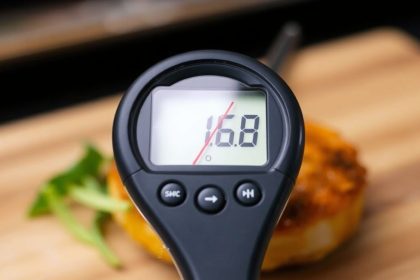
5. Slow roast until tender. Roast for 8–10 hours until internal temperature reaches about 195–205°F (90–96°C); this range indicates collagen conversion to gelatin. Begin checking at 8 hours and monitor tenderness with forks.
6. Rest and shred. Rest for 15–30 minutes after removing from heat, then shred with forks. Optional: sear the shredded pork briefly to intensify Maillard browning on exposed edges and boost aroma.
After a short rest, the meat will hold juices and the gelatin will give a silky mouthfeel rather than a syrupy or dry texture. Use a probe thermometer and a modest salt profile to control final quality.
Why the Chemistry Works
Slow heat denatures structural proteins and permits proteolytic enzymes to act before they themselves denature. That staged action breaks long protein chains into shorter peptides and amino acids that contribute umami and tenderness.
The Maillard reaction occurs on exposed surfaces where sugars and amino acids interact under heat to form complex aroma molecules. These pathways explain the deep, roasted notes on the crust and crisped edges.
Collagen, a structural protein, hydrolyzes to gelatin during extended heating. This process increases juiciness and creates a lubricating mouthfeel when properly executed. See the chemistry of collagen for molecular context.
Smoke introduces phenolic compounds that bind to surface lipids and proteins, changing perceived flavor and aroma. For a primer on smoking and culinary smoke compounds, consult the smoking (cooking) overview.
Tips for Success
Control moisture. Maintain a moist microenvironment inside the wrap to prevent surface drying while allowing interior collagen to convert. Use a drip pan with water if needed to stabilize humidity in the smoker or oven.
Salt strategically. Use measured salt and prefer coarse Hawaiian sea salt for authentic mineral notes; too much salt will over-denature and firm the proteins undesirably. Taste and texture improve if you test a small portion before committing to the full cure time.
When replicating an imu, focus on anaerobic conditions and gentle radiant heat rather than aggressive smoke. Banana or ti leaves replicate both flavor and steam retention; they act as a mild, aromatic steam barrier and slow convective losses.
Serving Suggestions
Serve shredded Kalua pig with sticky rice and poi for a traditional profile. Add finely sliced green onions and a light scatter of toasted sesame for crunchy contrast and aromatic lift.
For modern presentations, use Kalua pork in tacos with mango salsa or in sliders with a tangy slaw. The rendered fat carries flavor compounds, so combine pork with acidic elements to balance richness.
Nutrition and Practical Notes
Expect roughly 300–400 kcal per serving depending on trimming; protein content remains high while carbs stay minimal. Fat content varies with trimming and serving portion; trimmed pork shoulder will yield leaner plates.
Keep cooked Kalua pig refrigerated within two hours and use within 3–4 days for best safety and texture. Reheat gently to preserve gelatinous mouthfeel and avoid drying the meat.
Internal Resources
Explore related guides on our site for technique refinements. Check our Hawaiian recipes collection for complementary side dishes: Island Flavors — Hawaiian Recipes.
Read the companion guide on controlled smoke and temperature management for home setups here: Smoking Techniques and Temperature Control. These two internal resources deepen practical skill and help maintain consistent outcomes.
FAQ
What makes Kalua pig uniquely tender from a chemical standpoint?
Extended low heat converts collagen to gelatin and denatures muscle proteins gradually, improving water retention. The result is a tender, silky texture rather than a tight, chewy bite.
How does wrapping in banana leaves affect chemistry?
Banana leaves create a semi-permeable barrier that traps steam and volatile aroma compounds, limiting direct air contact. This keeps the meat hydrated and allows smoke phenols to infuse without aggressive oxidation.
Can I reproduce imu results in an oven or smoker?
Yes. Mimic the imu by controlling low, steady heat and preserving humidity around the roast. Achieve an anaerobic, steam-rich pocket with tight wrapping and modest smoke to emulate traditional conditions.
What are the key smoke compounds that influence flavor?
Phenols such as guaiacol and syringol form during wood combustion and adhere to surface lipids, adding warm, smoky, and slightly sweet notes. These compounds significantly shape perceived savoriness and aroma.
How important is fat for mouthfeel?
Fat renders during slow cooking and acts as a solvent for volatile flavor molecules, enhancing delivery across taste receptors. The rendered fat also lubricates the meat, creating that satisfying mouth-coating richness.
Final Notes
Understanding the interplay of heat, salt, and smoke gives you repeatable control over Kalua pig quality. Precise temperature management and measured seasoning let traditional chemistry unfold predictably.
Follow measured steps and monitor internal temperatures to replicate the classic Kalua profile at home. Apply the science, and the dish will reward you with consistent tenderness and deep, smoky flavor.

| Nutrient | Amount per Serving |
|---|---|
| Calories | 350 kcal |
| Protein | 35 g |
| Carbohydrates | 2 g |
| Fat | 23 g |
See also: Kalua pig