
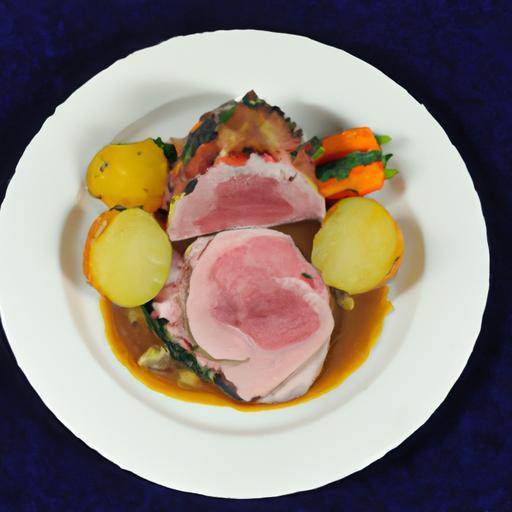

In the kitchen, cooking can often feel like both an art and a mystery-recipes passed down through generations, a pinch of this, a dash of that, hope, and a little luck. But what if we approached cooking not just as a craft of intuition and tradition, but as a precise science? Welcome to the world of “Cooking by the Book: The Scientific Method for Recipes,” where culinary creativity meets empirical rigor. Here, the sizzling sound of a skillet and the aroma of fresh herbs intertwine with hypotheses, experiments, and observations. By applying the scientific method to our favorite recipes, we unlock consistent results, understand why ingredients behave the way they do, and embrace cooking not only as an act of passion but as a reproducible experiment. Join us on this flavorful journey to discover how science can transform your kitchen from a place of guesswork into a laboratory of delicious certainty.
Cooking by the Book: The Scientific Method for Recipes
Cooking by the book offers an empowering approach to kitchen creativity, turning each dish into a delightful experiment where precision and curiosity meld flawlessly. With the scientific method as your guide, every ingredient measured and every flavor tweaked becomes a stepping stone toward mastering your culinary craft.
Prep and Cook Time
Preparation: 15 minutes | Cooking: 30 minutes | Total Time: 45 minutes
Yield
Serves 4 generous portions
Difficulty Level
Medium – perfect for cooks eager to elevate their technique with a scientific mindset
Ingredients
- 1 cup all-purpose flour, sifted
- 2 tsp baking powder, fresh and active
- 1/2 tsp fine sea salt
- 2 tbsp unsalted butter, melted and cooled
- 3/4 cup whole milk, room temperature
- 1 large egg, lightly beaten
- 1 tbsp honey or pure maple syrup (optional, for subtle sweetness)
- 1 tsp vanilla extract (optional)
Instructions
- Combine dry ingredients: In a large bowl, whisk together the all-purpose flour, baking powder, and fine sea salt until evenly mixed. Precision here ensures your leavening activates perfectly.
- Blend wet ingredients: In a separate bowl, mix the melted butter, milk, egg, honey, and vanilla extract. Use room temperature milk and egg to prevent shocks to the batter’s chemistry.
- Incorporate wet into dry: Pour the liquid mixture into the dry ingredients, folding gently with a spatula until just combined. Overmixing can develop gluten and create a dense texture – stop when no large lumps remain.
- Rest the batter: Let the batter sit for 5 minutes to hydrate the flour, allowing better texture development and tenderness in the final dish.
- Heat and prepare pan: Warm a non-stick skillet over medium heat. Lightly grease with butter or oil to prevent sticking and encourage a golden crust.
- Cook pancakes: Pour 1/4 cup portions of batter onto the skillet. Sauté until golden brown, about 2-3 minutes per side, flipping when bubbles appear on the surface and edges set. Keep a steady flame to avoid burning or undercooking.
- Serve immediately: Stack the pancakes on a warm plate or keep in a 200°F (93°C) oven while finishing the batch to maintain temperature and texture.
Tips for Success
- Exact measurements matter: Use a kitchen scale when possible, especially for flour and butter, to ensure consistent results each time you cook by the book.
- Experiment confidently: Adjust sweetness by varying honey or maple syrup. Swap vanilla for almond extract for a creative twist.
- Test tweaks: Keep notes on ingredient changes and cooking temperature to craft your perfect pancake formula – it’s science in action!
- Make ahead tip: Prepare the dry ingredients mix in bulk and store airtight for quick cooking on busy mornings.
- Common issue alert: Pancakes turning out flat? Double-check your baking powder expiry; fresh rising agents are vital for fluffiness.
Serving Suggestions
Present your golden pancakes stacked tall, adorned with a pat of creamy butter melting gently on top. Drizzle with fresh maple syrup or a tart berry compote to balance the sweetness. Finish with a sprinkle of toasted nuts or a dusting of powdered sugar for visual and textural appeal. A side of crisp bacon or a dollop of Greek yogurt complements the dish beautifully, creating a perfect balance of flavors and textures on the plate.
| Nutrient | Per Serving |
|---|---|
| Calories | 220 |
| Protein | 6g |
| Carbohydrates | 28g |
| Fat | 8g |

For a deeper dive on ingredient interactions, visit Science Daily on Baking Chemistry. Also, explore our related article on Precision Cooking Essentials to enhance your culinary technique further. Embracing cooking by the book transforms every meal into a delicious experiment with repeatable success.
Q&A
Q&A: Cooking by the Book – The Scientific Method for Recipes
Q1: What does “Cooking by the Book” mean in the context of the scientific method?
A1: “Cooking by the Book” refers to applying the structured approach of the scientific method to cooking-treating recipes like experiments. Instead of random tweaking, you observe, hypothesize, test, analyze, and refine your dishes systematically. It’s about transforming the kitchen into a delicious laboratory where every ingredient and technique is deliberate and measurable.
Q2: How can the scientific method improve my everyday cooking?
A2: The scientific method encourages curiosity and precision, helping you understand why certain ingredients react a certain way. By testing variations and noting results, you improve your intuition and achieve consistent results. No more guesswork-just purposeful improvements that turn “that was good” into “this is perfect.”
Q3: What are the steps of the scientific method in recipe development?
A3: The steps include:
- Observation: Taste, texture, or presentation triggers a question-why does my cake sink?
- Hypothesis: A thoughtful guess like “maybe my oven temperature is off.”
- Experiment: Adjust baking time or temperature and test the change.
- Analysis: Evaluate the outcome-is the cake fluffier?
- Conclusion: Decide if your hypothesis was correct; refine and repeat if needed.
Q4: Can this method help with creative cooking or is it only for replicating recipes?
A4: It’s perfect for both! While it ensures replication with precision, it also fuels creativity. When you understand the science behind cooking, you can confidently experiment-like swapping ingredients or trying new techniques-while still predicting and controlling outcomes.
Q5: What role does documentation play in scientific cooking?
A5: Documentation is your experiment log and culinary journal. Writing down measurements, techniques, timing, and results helps track what works and what flops. Over time, this record becomes a personalized cookbook of successful dishes and mistakes turned lessons.
Q6: Are there any tools or apps that support scientific cooking?
A6: Absolutely! Digital recipe managers, kitchen scales, thermometers, and timers bring precision. Apps like lab notebooks for recipes or even AI-powered flavor analyzers take experimentation to the next level, making it easy to track data and tweak your process.
Q7: How does understanding food chemistry relate to this method?
A7: Food chemistry is the backbone of scientific cooking. Knowing how proteins coagulate, sugars caramelize, or acids tenderize arms you with the logic behind transformations-helping you predict reactions and troubleshoot issues scientifically instead of relying on chance.
Q8: Can beginners use the scientific method in their cooking?
A8: Definitely! The beauty of this method is its simplicity and adaptability. Beginners start with small experiments-like adjusting salt amount or cooking time-and grow confidence as they see cause and effect in action. Cooking becomes less intimidating and more rewarding.
Q9: How does this method change the way professional chefs approach recipe creation?
A9: Many top chefs use scientific principles to innovate. They experiment with textures, molecular gastronomy, and alternative techniques while carefully observing results. It’s about pushing culinary boundaries with rigor-creating dishes that surprise the palate yet hold up to consistency.
Q10: In summary, why should every cook adopt the scientific method in their kitchen?
A10: Because cooking isn’t just an art-it’s a science waiting to be explored. Applying the scientific method turns cooking from a hit-or-miss guesswork into a deliberate, joyful journey of discovery that makes every meal better, more consistent, and a reflection of your growing skill and creativity.
Concluding Remarks
In the grand kitchen of life, where flavors meld and aromas dance, applying the scientific method to cooking transforms each recipe into an experiment filled with discovery. By hypothesizing, testing, observing, and refining, you unlock not only consistent results but also the joy of culinary creativity grounded in knowledge. So next time you stand before a stovetop or an oven, remember: cooking by the book isn’t just following instructions-it’s embracing a methodical adventure where science and artistry blend to create delicious innovation. Happy experimenting, and may every dish tell a story of thoughtful exploration!