

Imagine savoring a perfectly ripe strawberry or the rich, smoky notes of freshly brewed coffee. Behind these everyday moments lies a remarkable mystery: how does our brain unravel the complex symphony of flavors swirling on our tongues? “Cracking the Code: How Our Brains Decode Flavor Signals” invites you on a fascinating journey into the neural labyrinth where chemistry meets cognition. In this exploration, we’ll uncover the intricate dance between taste buds, scent receptors, and brain circuits-revealing how our minds transform simple molecules into vivid sensory experiences that shape what we crave, remember, and enjoy. Step inside the secret world of flavor decoding, where science and sensation intertwine in the most delicious way.
Cracking the Code: How Our Brains Decode Flavor Signals
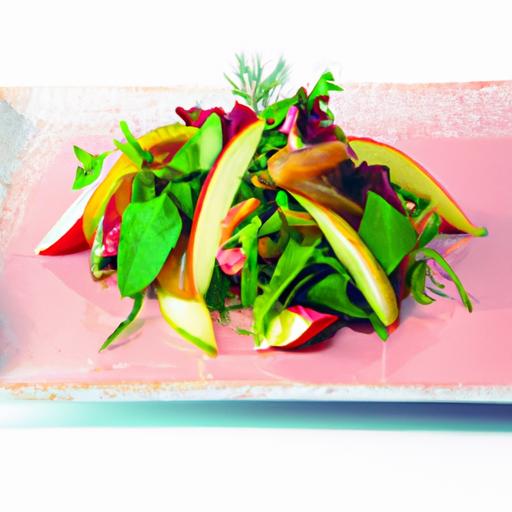
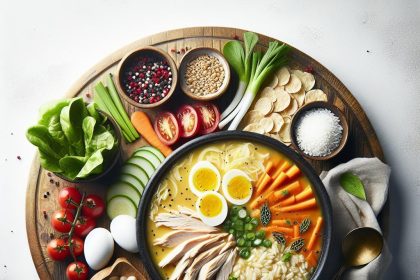
Cracking the Code: How Our Brains Decode Flavor Signals is not only a fascinating adventure into science but also a culinary journey that encourages us to deepen our sensory appreciation and creativity in the kitchen. Imagine enhancing your flavor detection skills with a recipe that stimulates your palate and brain, blending neuroscience with gastronomy. This dish, inspired by the intricate neural pathways behind taste perception, showcases how memory and emotion elevate flavor recognition, inviting you to savor every bite with heightened awareness.
Prep and Cook Time
Prep Time: 20 minutes | Cook Time: 15 minutes | Total Time: 35 minutes
Yield
Serves 4
Difficulty Level
Medium
Ingredients
- 2 cups cooked jasmine rice, cooled
- 1 tbsp coconut oil
- 1 small shallot, finely minced
- 2 cloves garlic, minced
- 1 tsp grated fresh ginger
- 1/2 cup diced pineapple, fresh or canned
- 1/2 cup chopped cashews, toasted
- 1 small red chili, thinly sliced (optional, for heat)
- 2 tbsp tamari or soy sauce
- 1 tbsp lime juice, freshly squeezed
- 1 tsp honey or agave nectar
- Fresh cilantro, chopped, for garnish
- Toasted sesame seeds, for garnish
Instructions
- Heat coconut oil in a large skillet over medium heat. Add the minced shallot, garlic, and ginger. Sauté until fragrant and golden, about 2-3 minutes, stirring frequently to prevent burning.
- Stir in diced pineapple and cook for another 3 minutes, allowing the natural sugars to caramelize lightly, enhancing the sweet notes to stimulate your flavor perception.
- Add the cooked jasmine rice to the skillet, breaking up any clumps. Sauté for 5 minutes, stirring regularly so each grain is coated and heated evenly. This step invites your brain to engage with the texture and aroma.
- Toss in chopped toasted cashews and sliced red chili if using. These introduce a crunchy contrast and a touch of heat that boosts sensory excitement.
- Mix tamari or soy sauce, lime juice, and honey in a small bowl. Pour over the rice mixture, stirring thoroughly to balance the salty, sour, and sweet taste dimensions. Simmer for 2 minutes to allow flavors to meld.
- Remove from heat and garnish with fresh cilantro and toasted sesame seeds before serving. The fresh herbs and nutty seed crunch add layers of complexity that your taste memory will latch onto with joy.
Tips for Success
- For a deeper umami flavor, replace coconut oil with toasted sesame oil but use it sparingly due to its strong aroma.
- If you prefer a vegan option, substitute honey with agave nectar or maple syrup to maintain natural sweetness.
- Use freshly cooked and cooled rice for the best texture; day-old rice works perfectly as it prevents mushiness and helps highlight the individual grains.
- Feel free to adapt the heat by adjusting or removing the chili, tuning the recipe to your personal spice sensitivity for optimal flavor detection.
- Make this a weeknight quick meal by preparing the aromatics and dressing ahead and keeping rice ready in the fridge.
Serving Suggestions
This vibrant dish pairs beautifully with a light cucumber salad to refresh the palate or a side of steamed greens seasoned with lemon zest. Serve in shallow bowls to maximize aroma diffusion as you indulge. For added indulgence, a drizzle of coconut cream or a sprinkle of crushed dried chili flakes invigorates the senses further. Enjoy it while deliberately savoring each mouthful, engaging your neural pathways to fully appreciate the nuanced harmony of flavors.
| Nutrient | Per Serving |
|---|---|
| Calories | 320 kcal |
| Protein | 7 g |
| Carbohydrates | 45 g |
| Fat | 9 g |

For a deeper dive into how the brain shapes taste, check out our related article The Neuroscience of Flavor and Food Enjoyment. To learn more about the fascinating science of taste perception, visit National Institute on Deafness and Other Communication Disorders.
Q&A
Q&A: Cracking the Code – How Our Brains Decode Flavor Signals
Q1: What does it mean when we say our brains “decode” flavor signals?
A1: Imagine your brain as a master codebreaker. When you eat, your taste buds send encrypted messages-flavor signals-up to your brain. Decoding these signals means your brain translates this complex sensory data into recognizable tastes like sweet, sour, salty, bitter, and umami, creating the vivid experience of flavor.
Q2: How do these flavor signals begin their journey?
A2: It all starts at the tongue’s surface, where specialized taste receptor cells detect molecules from food. Each receptor is like a lock that fits certain flavor “keys.” Once activated, these cells send electrical impulses as language to the brain’s taste centers, kicking off the delicious decoding process.
Q3: Is taste alone responsible for the flavor we perceive?
A3: Not at all! Flavor is a symphony of senses. While taste receptors handle the basic notes, smell, texture, temperature, and even sight contribute layers of nuance. Our brain skillfully blends these inputs, crafting a multi-dimensional flavor portrait far richer than taste alone.
Q4: What role does the brain play beyond simply receiving signals?
A4: The brain is both translator and storyteller. It doesn’t just receive signals-it contextualizes them based on past experiences, expectations, and emotions. This is why your favorite childhood dish tastes better or why nervousness might dull your flavor perception. The brain weaves flavor with memory and mood.
Q5: Are there differences in how individuals decode flavor?
A5: Absolutely. Genetic variations alter taste receptor sensitivity-some people are “supertasters,” experiencing flavors intensely, while others may find the same flavors muted. Cultural exposure and neural plasticity further shape how our brains interpret flavor signals over time.
Q6: How is this understanding of flavor decoding useful beyond curiosity?
A6: Unlocking the brain’s flavor code opens doors in health and technology. It aids in developing appetizing, nutritious foods or creating better flavor enhancers. It also supports therapies for taste disorders or appetite loss, improving quality of life through the power of flavor.
Q7: What’s the future of research in flavor decoding?
A7: The frontier is thrilling. Scientists are exploring how to map flavor perception at the neural level in real time, harnessing AI to predict flavor preferences, and even crafting virtual flavor experiences. Decoding flavor’s secrets not only feeds the mind but promises to transform how we taste the world.
Cracking the code of flavor is a journey into the brain’s remarkable capacity to transform molecules into memories, emotions, and joy-all within a single bite. Understanding this vibrant dance enlightens our appreciation for food and the incredible organ that flavors our lives.
In Retrospect
As we peel back the layers of how our brains decode flavor signals, we uncover a symphony of neural conversations that transform mere molecules into vivid sensory experiences. This intricate dance between taste buds and brain circuits not only shapes what delights our palate but also influences memory, emotion, and even decision-making. Understanding this complex code opens doors to innovations in food science, nutrition, and health, reminding us that flavor is far more than a simple sensation-it’s a fascinating dialogue written in biology and chemistry. So, next time you savor a bite, take a moment to appreciate the astonishing brainwork behind every flavor note, the true mastermind of our gustatory world.