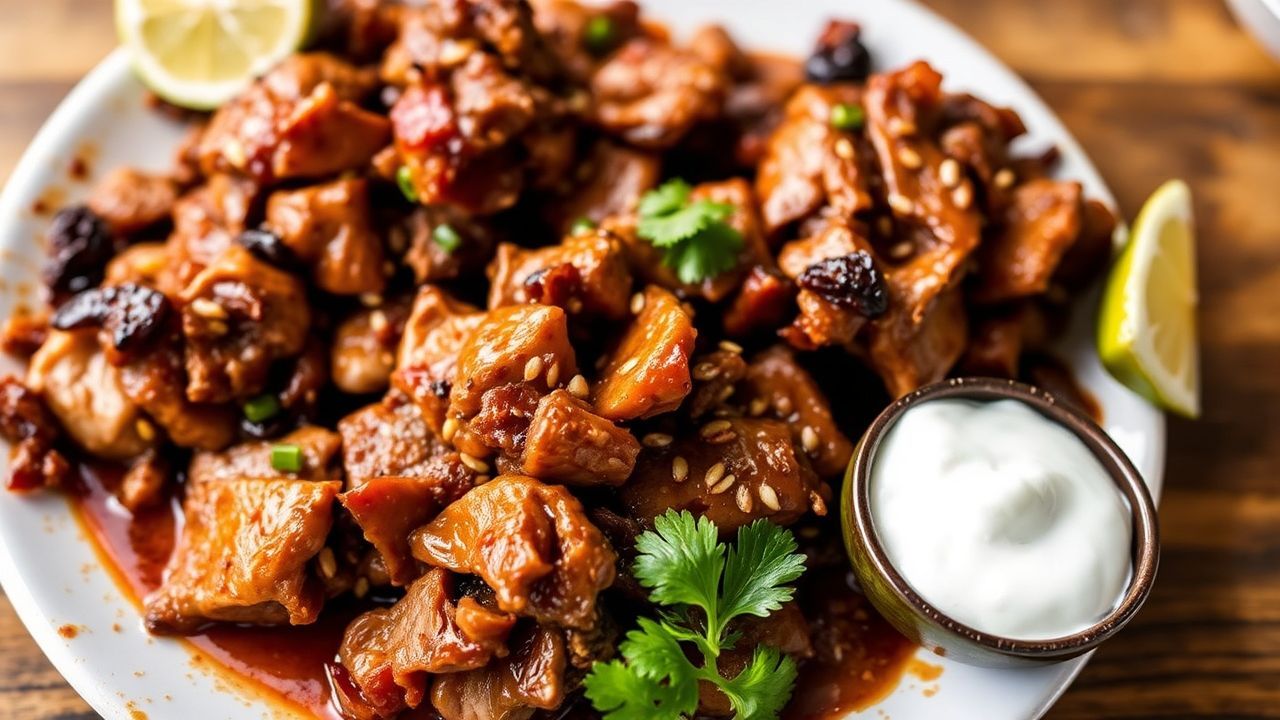

Carnitas deliver a precise union of tender interior and crisp, caramelized edges. Understanding the chemistry behind each step lets you control texture and flavor, rather than chase luck.
- Slow heat plus time converts collagen to gelatin for juicy strands.
- Maillard browning creates complex savory and roasted notes on exposed surfaces.
- Fat balance and finishing heat determine crispness without drying the meat.
- Acid and salt tune texture and flavor penetration during marinating.
These fundamentals guide ingredient choice, cut selection, and the finish technique. Apply them deliberately to replicate professional results in a home kitchen.
The chemistry of carnitas
Carnitas rely on two core chemical processes: the breakdown of structural proteins and surface browning. First, connective tissue converts to gelatin during prolonged moist heat, which creates the luscious mouthfeel that defines good carnitas.
Second, surface browning via the Maillard reaction yields aromatic compounds that register as roasted, nutty, and savory. Control of temperature and moisture shifts the balance between these two processes.
Maillard reaction and flavor formation
The Maillard reaction occurs when amino acids and reducing sugars react under elevated heat to form hundreds of flavor molecules. These compounds add depth and the visual cue of golden-brown edges that people expect from carnitas.
To maximize Maillard products without overcooking, concentrate browning at the finish: dry surfaces and apply direct, high heat briefly. This preserves the gelatin-rich interior while producing crisp, flavorful crusts.
Collagen to gelatin: texture explained
Collagen, the connective protein in shoulder cuts, denatures and hydrolyzes to gelatin under moist heat and moderate temperature. This process requires time: the collagen solubilizes slowly between roughly 160–185°F (71–85°C).
As collagen converts, the meat becomes unctuous rather than stringy. For more technical context see collagen and how it behaves under heat.
Ingredients and why they matter
Every ingredient plays a chemical or physical role. Salt seasons and alters water retention; citrus provides mild acid to loosen muscle fibers; spices contribute aroma compounds that complement Maillard-derived flavors.
Use the following ingredient list to reproduce consistent results. Adjust quantities for taste and weight, but retain the functional roles of acid, fat, salt, and aromatics.
- 3 lbs pork shoulder, trimmed and cut into large chunks
- 2 tbsp lard or neutral oil
- 1 orange, juiced (reserve the spent halves)
- 4 garlic cloves, minced
- 1 tbsp ground cumin
- 1 tbsp dried oregano
- 1 tsp smoked paprika
- 1 tsp ground black pepper
- 1 tbsp kosher salt
- 1/2 tsp cayenne pepper (adjust to taste)
- 1 onion, quartered
- 2 bay leaves
- 1 cup chicken broth
- 1/4 cup orange juice (additional for marinade)
Use coarse salt for predictable extraction and seasoning. Orange juice adds acidity and sugar, which aid both tenderization and Maillard browning when concentrated at the finish.
Choosing cut and fat
Choose a pork shoulder (also called Boston butt) for its marbling and connective tissue. The intermuscular fat renders slowly and bastes the meat internally during braising.
For background on pork anatomy and culinary uses, consult the general pork overview. Fat contributes flavor and mouthfeel, and a small amount of lard helps with authentic crisping.
Equipment and vessel impact
Use a heavy-bottomed Dutch oven or a covered braising pan to stabilize temperature and reduce hot spots. Even heat distribution prevents early surface drying and uneven collagen conversion.
For the braising technique fundamentals see braising. A tight lid traps steam and creates the moist environment that converts collagen without forcing a boil.
Step-by-step technique
Follow a clear sequence: season, sear if desired, braise low and slow, shred, then finish with high heat. Each stage targets a different chemical transformation, so respect timing and temperature.
Below is a practical method that balances tenderness and crispness. Short notes explain why each step matters so you can adapt without losing control.
- Marinate: Combine garlic, cumin, oregano, paprika, pepper, cayenne, salt, orange juice, and zest. Massage into pork, refrigerate 4 hours or overnight to allow salt and acid to penetrate.
- Sear (optional): Brown meat in batches over medium-high heat to jump-start Maillard reactions and add initial flavor depth. Searing is optional if you prefer a cleaner braise, but it accelerates flavor development.
- Braise: Place pork, onion, bay leaves, orange halves, and broth in a heavy pot. Cover and cook at low heat or 275°F (135°C) oven for 3–4 hours until fork-tender and collagen has melted into gelatin.
- Shred: Remove pork and shred with forks. Reserve some cooking liquid to adjust moisture without making the meat soggy; the gelatin-rich liquid improves mouthfeel.
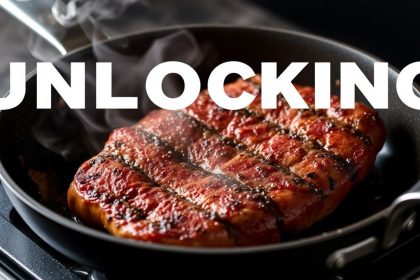
- Finish: Crisp shredded pork in a hot skillet with lard or oil in batches. Allow edges to brown without stirring to produce crispy, caramelized surfaces.
Control moisture when finishing: too wet and the meat steams; too dry and it becomes tough. Work in small batches and press shredded clumps gently to maximize contact with the hot pan.
Finishing for crisp edges
The crisp exterior is a concentrated Maillard outcome that requires dry, high heat. Use a preheated skillet and a thin layer of fat to generate strong surface temperatures quickly.
Alternatively, spread shredded pork on a sheet tray and briefly broil to create even browning. Either method isolates browning from the moist braise and preserves gelatin in the interior.
After you implement the tip above, rest the meat briefly so juices redistribute. Resting reduces loss of moisture during the final sear and gives more consistent texture.
If smoke point is a concern, use lard or a high-smoke-point oil and regulate heat. Adjust ventilation and watch fat carefully to avoid burning aromatic compounds that can taste bitter.
Seasoning strategy
Salt early to improve moisture retention and flavor penetration. Acidic components like orange juice can tenderize superficially and add bright counternotes to the rich pork.
Layer aromatic spices at three points: in the marinade, during braising, and a final seasoning after crisping. This preserves volatile aromatics and maintains sensory contrast between interior and exterior.
Serving and storage
Serve carnitas hot with warm tortillas, fresh cilantro, diced onion, and lime. The acidity and freshness cut through richness and balance the palate.
Store cooled carnitas in an airtight container in the refrigerator for up to 3 days, or freeze for longer keeping. Re-crisp refrigerated or thawed carnitas briefly in a hot skillet before serving to restore texture.
Nutritional information
Portion size and fat content determine calories and macronutrients. A typical serving from a shoulder cut contains substantial protein and fat due to marbling and rendered fat retained in the dish.
Approximate per-serving values for a 1/6 portion: 420 kcal, 35 g protein, 3 g carbs, 27 g fat. Adjust these numbers by trimming fat or draining rendered oil before finishing.
FAQ
How long should I braise pork shoulder for ideal tenderness?
Braise until the pork pulls apart easily with a fork, typically 3–4 hours at 275°F (135°C) or until internal temperature reaches the gelatinization window. Time varies by piece size and oven consistency.
Can I skip the finish step and still have good carnitas?
Yes, the braise produces tender, flavorful pork, but you lose the characteristic crispy edges without a high-heat finish. For the best contrast, crisp briefly before serving.
Why use lard for crisping?
Lard adds authentic pork flavor and tolerates high heat while encouraging even browning. Use a neutral oil if lard is unavailable, but adjust heat to avoid burning.
Does marinating with citrus make the pork mushy?
Short marination (a few hours or overnight) with citrus brightens flavor and aids slight tenderization without producing a mushy texture. Strong acids for long periods can over-tenderize, so follow recommended times.
What vessel gives the most consistent results?
A heavy, tight-lidded Dutch oven gives predictable heat and moisture control, making it the preferred choice for consistent braises. It stabilizes temperature and reduces the risk of localized overcooking.
Apply these chemical principles and practical steps to make repeatable, restaurant-quality carnitas at home. With deliberate control of time, temperature, and finishing, you will consistently achieve that sought-after balance of tender interior and crispy, flavorful edges.
See also: carnitas