
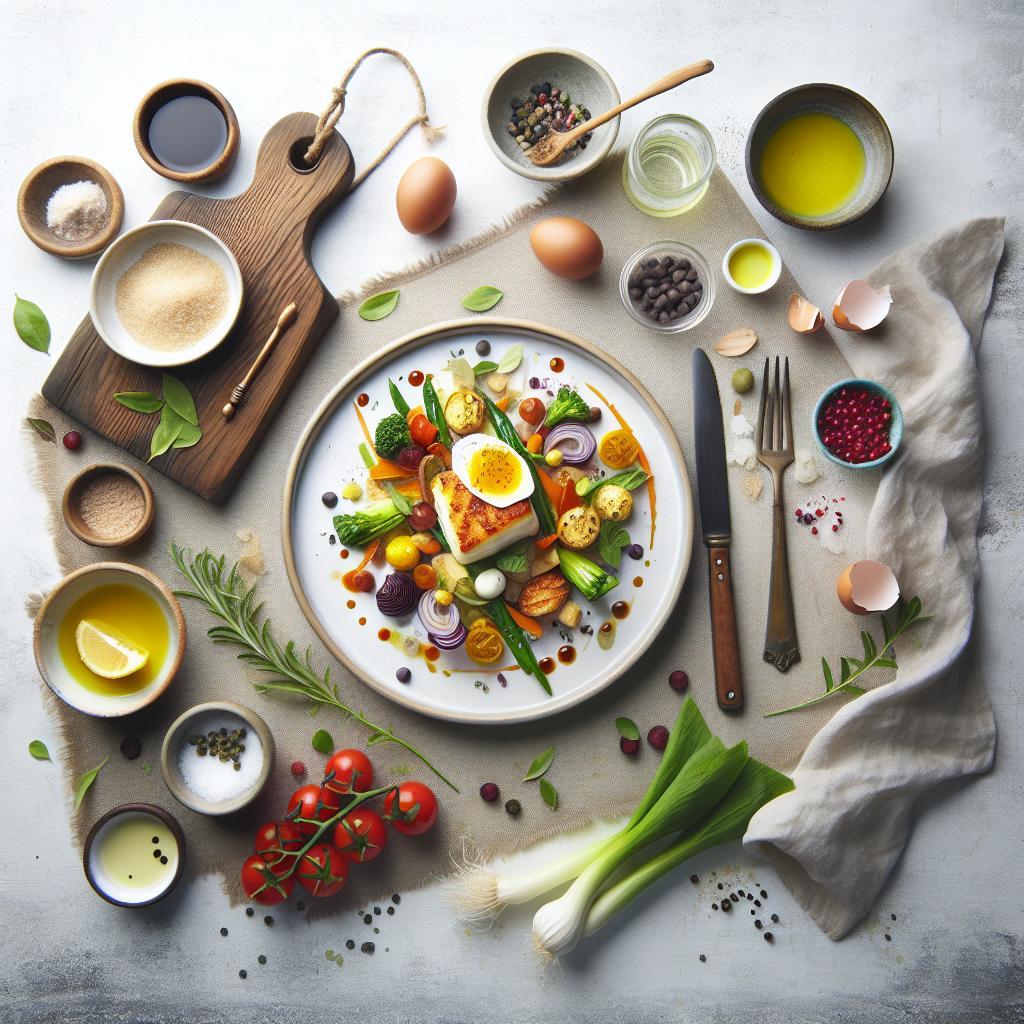

Glutamate sits at the heart of savory taste and explains why broths, aged cheeses, and fermented foods deliver satisfying depth. This piece compares free and bound glutamate, clarifies how cooking and microbes release umami, and gives chef-tested methods to boost savory impact while controlling sodium.
- Exploring the Chemical Nature of Free and Bound Glutamate in Foods
- Practical Prep and Cook Time
- Yield
- Difficulty Level
- Ingredients
- Instructions
- Chef’s Notes: Tips for Success
- Serving Suggestions
- Pro-Caution
- Nutrition
- FAQ
- What exactly is glutamate?
- How do free and bound glutamate differ in taste impact?
- Where can I find free glutamate in common foods?
- Can I add free glutamate to dishes safely?
- How does fermentation change glutamate availability?
- To Wrap It Up
- Free glutamate activates taste receptors immediately for instant umami.
- Bound glutamate requires enzymatic or thermal cleavage to become taste-active.
- Choose technique—slow simmering, fermentation, roasting—to control timing of glutamate release.
- Small substitutions and pairing deliver large umami gains with less added salt.
Exploring the Chemical Nature of Free and Bound Glutamate in Foods
At the molecular level, glutamate exists as the amino acid glutamic acid and appears in two main forms: free (dissolved or unbound) and bound (linked inside proteins). The free pool drives immediate taste perception, while the bound pool acts as stored potential.
Free glutamate binds to taste receptors on the tongue and produces a clear umami signal. Bound glutamate requires proteolysis or hydrolysis to release the active amino acid back into the food matrix.
Free glutamate: immediate umami signal
Free glutamate is present in fermented condiments, ripe tomatoes, dried mushrooms, and aged items where proteases or microbes have already cleaved proteins. That pool interacts directly with T1R1/T1R3 and metabotropic receptors to give an immediate savory note.
Because it is already dissolved or accessible, free glutamate enhances perceived saltiness and fullness in a single bite. Use it when you want fast, reliable umami without long cooking.
Bound glutamate: latent and cumulative
Bound glutamate sits inside peptide chains and protein structures until enzymes or heat break those bonds. Slow cooking, fermentation, and aging gradually increase free glutamate as the matrix breaks down.
This latent pool gives depth over time: stocks taste better after resting, and aged proteins develop richer flavor as proteolysis proceeds. Plan technique and time when you want background umami that unfolds.
Practical Prep and Cook Time
Technique dictates how much bound glutamate converts to free form. Quick sears highlight existing free glutamate; long, gentle simmers and fermentations extract bound pools progressively.
Typical practical timing: short preparations (under 30 minutes) rely on free glutamate sources. Reserve long extractions—hours for stocks or days to months for fermentation—when you want slow-developing savoriness.
Yield
This recipe framework yields about four portions as a starter or light main. The goal is a balanced umami profile so other ingredients remain distinct.
Scale by increasing broth volume or adding proteins like tofu or shredded chicken. Keep proportions of concentrated umami ingredients steady to maintain flavor balance.
Difficulty Level
Skill level: medium. The techniques require controlled heat, timing, and awareness of fermentation or aging principles rather than advanced knife work.
Even cooks with basic skills can get consistent results by following order and temperature instructions. Attention and patience reward with measurable gains in depth.
Ingredients
Choose a mix of immediate and slow-release glutamate sources. Dried mushrooms and kombu supply free and slowly extractable compounds; fermented elements like miso and soy sauce contribute ready-made free glutamate.
- 1 cup dried shiitake mushrooms, soaked until tender
- 2 tablespoons naturally fermented soy sauce
- 1 cup chicken or vegetable broth (homemade preferred)
- 1 teaspoon dried seaweed flakes (kombu or wakame)
- 2 cloves garlic, minced
- 1 small onion, finely chopped
- 1 tablespoon neutral oil
- 1 teaspoon miso paste
- Salt and black pepper, to taste
- Fresh chives or scallions for garnish
Note the emphasis on dried mushrooms and fermented elements; both deliver different glutamate pools that combine synergistically. Use concentrated stocks when you want more bound-glutamate extraction.
Instructions
Order and temperature matter. Start by capturing dissolved free compounds, then use gentle heat to liberate bound glutamate without creating bitterness or reducing volatile savory molecules.
- Rehydrate mushrooms: Soak dried shiitake in warm water for 20 minutes. Reserve the soaking liquid; it contains dissolved free glutamate and soluble umami molecules.
- Sauté aromatics: Heat oil over medium and cook garlic and onion until translucent, about four minutes, to build Maillard-derived savory precursors.
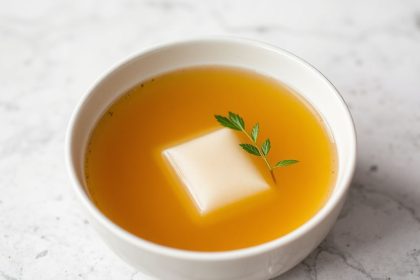
- Infuse umami: Add mushrooms with reserved liquid, kombu, soy sauce, and broth. Simmer gently for 15–30 minutes to allow bound glutamate to release gradually.
- Finish with miso: Remove from heat and whisk in miso off the heat to preserve its free amino acids. Adjust salt and pepper after tasting.
- Serve: Ladle hot and garnish with chives or scallions to add aroma and a fresh contrast to the savory base.
Maintain low simmering temperatures to avoid breaking fats and amino acids into bitter degradation products. Gentle extraction yields a clean and layered umami profile.
Chef’s Notes: Tips for Success
Concentrated dried shiitake supply both free and bound glutamate and also contribute a stable, long-lasting savoriness. Preserve every flavorful liquid during prep; that liquid is often richest in free compounds.
When adding miso, dissolve it off heat to protect its free amino acids. High heat can denature those compounds and blunt the final umami lift.
Serving Suggestions
Serve this broth with steamed rice, hand-pulled noodles, or a soft protein to create textural contrast. A few drops of toasted sesame oil and a sprinkle of seeds add aromatic lift without masking glutamate-driven savoriness.
For a heartier bowl, add silken tofu or shredded chicken; warming those proteins in the hot broth releases additional bound glutamate and deepens flavor over time.
Pro-Caution
If you follow a low-sodium diet, taste iteratively when using fermented condiments. Miso and soy sauce increase sodium even as they amplify perceived saltiness, so start low and adjust.
Nutrition
Per-serving nutrition depends on ingredient choices and portion size. A vegetable-based version will be lower in calories and saturated fat than a bone-based stock.
Typical per-serving estimate: ~120 kcal, ~8 g protein, ~10 g carbohydrates, and ~5 g fat. Use homemade broths and controlled salt to manage mineral and sodium levels.
| Nutrient | Per Serving |
|---|---|
| Calories | 120 kcal |
| Protein | 8 g |
| Carbohydrates | 10 g |
| Fat | 5 g |
Slow-cooked broths concentrate minerals and amino acids, so adjust portions and seasoning to match dietary needs and taste goals.
FAQ
What exactly is glutamate?
Glutamate is an amino acid that triggers the savory taste known as umami. For molecular context, see glutamic acid.
How do free and bound glutamate differ in taste impact?
Free glutamate produces an immediate umami perception when it contacts taste receptors. Bound glutamate becomes active only after enzymes or heat release it from proteins.
Where can I find free glutamate in common foods?
Free glutamate appears in fermented or aged products, ripe tomatoes, mushrooms, and long-aged cheeses. Fermentation and proteolysis increase the free pool; see umami for sensory context.
Can I add free glutamate to dishes safely?
Monosodium glutamate (MSG) supplies free glutamate and is recognized as safe by major food authorities when used in normal culinary amounts. For background, consult monosodium glutamate.
How does fermentation change glutamate availability?
Fermentation uses microbes and enzymes to cleave proteins and increase free glutamate levels. Fermentation also produces peptides and organic acids that interact with umami perception; see fermentation for processes and examples.
To Wrap It Up
Free and bound glutamate work together: free glutamate gives instant umami while bound glutamate supplies slow-building depth. Control technique and timing to shape when those pools activate in a dish.
Use the right combination—dried mushrooms, kombu, fermented condiments, and gentle extraction—to get richer flavor with less added salt. For related recipes and tags, see glutamate and try this approach in our umami broth recipe.

See also: glutamate