
In the realm of cooking, searing a steak straight from the freezer might seem like culinary heresy – a reckless gamble that threatens texture, flavor, and the very essence of a perfectly cooked cut. Yet, beyond the heat and steam lies a fascinating intersection of science and taste, where frozen steak searing challenges traditional wisdom and invites both amateur cooks and seasoned chefs to rethink the rules. This article delves into the intriguing risks and surprising results of searing a steak without thawing, uncovering what really happens beneath the sizzling surface and how this unconventional technique might just redefine your next steak night.
Frozen Steak Searing: Culinary Risks and Surprising Results
Frozen steak searing unlocks an intriguing culinary challenge that transforms a simple frozen slab of beef into a juicy, flavorful masterpiece. Rooted in traditional cooking wisdom yet propelled by modern techniques, this method requires understanding the science behind heat transfer, the Maillard reaction, and the safety concerns that come with cooking steak from frozen. Whether pressed for time or seeking a novel kitchen experiment, mastering frozen steak searing offers surprisingly delicious results that defy myths and elevate your cooking game.
Prep and Cook Time
- Preparation: 5 minutes
- Cooking: 20-25 minutes (depending on thickness)
- Total Time: 30 minutes
Yield
Serves 2 hungry steak lovers
Difficulty Level
Medium – requires attentive temperature control and timing.
Ingredients
- 1 frozen ribeye steak (about 10 oz, 1 to 1.5 inches thick)
- 1 tablespoon high smoke point oil (grapeseed, avocado, or refined canola oil)
- 1 teaspoon kosher salt
- ½ teaspoon freshly ground black pepper
- 2 tablespoons unsalted butter
- 2 cloves garlic, smashed
- 2 sprigs fresh thyme or rosemary
Instructions
- Preheat your oven to 375°F (190°C) while you begin searing on the stovetop. This balance of heat sources will ensure even cooking without overcooking the surface.
- Heat a heavy cast-iron skillet over medium-high heat until shimmering-hot. Add the high smoke point oil, allowing it to reach the flash point, crucial for rapid Maillard crust formation despite the icy steak surface.
- Place the frozen steak directly into the hot skillet. Do not thaw or partially thaw to avoid moisture dampening the sear. Sear without moving for 3-4 minutes on one side to develop a deep, golden-brown crust.
- Flip the steak carefully using tongs. Add butter, garlic, and herbs to the pan, spooning the melted butter continuously over the steak to enhance flavor and encourage even browning.
- Sear the second side for another 3-4 minutes. Keep the pan hot but monitor to avoid burning the butter or crust.
- Transfer the skillet to the preheated oven to finish cooking. This indirect heat gently penetrates the core, eliminating cold zones while preserving juiciness. Roast for 10-15 minutes or until desired doneness (125°F / 52°C for medium-rare).
- Remove the steak from the oven, tent loosely with foil, and let it rest for 5-7 minutes to allow juices to redistribute.
- Slice against the grain, garnish with fresh herbs, and serve.
Tips for Success
- Heat management: Achieving the perfect sear on frozen steak hinges on mastering your stovetop’s heat output. Too low, and the meat steams; too high, and you risk burning the exterior.
- Patience is key: The frozen surface inhibits direct heat transfer at first, so resist the temptation to flip too soon. Allow a firm crust to form before handling.
- Use a meat thermometer: Avoid overcooking by tracking internal temperature precisely. This safeguards tenderness and juiciness.
- Resting: Never skip resting after cooking, especially with frozen steaks, to prevent precious juices from escaping.
- Optional brine: For enhanced moisture retention, consider brining the steak before freezing.
- Variations: Swap thyme for rosemary or sage to tailor aromatic profiles.
Serving Suggestions
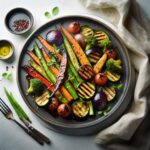
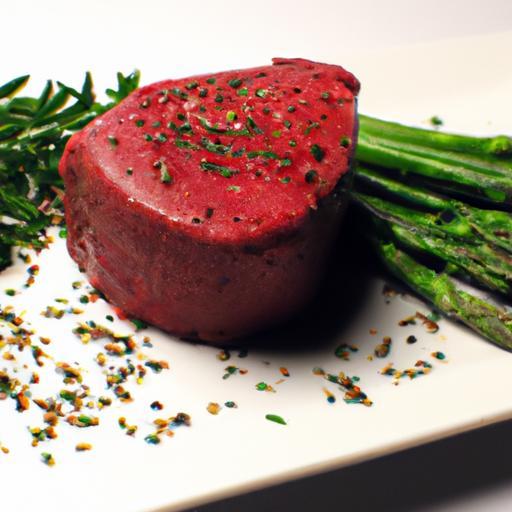
Serve your perfectly seared frozen steak alongside rosemary-garlic roasted potatoes, a crisp arugula salad dressed with lemon vinaigrette, and a dollop of herb butter melting atop the steak’s crust. For a colorful contrast, grilled asparagus or charred cherry tomatoes provide vibrancy and freshness.
Garnish with microgreens or a sprinkle of flaky sea salt to elevate every bite visually and texturally.
| Nutrient | Amount per Serving |
|---|---|
| Calories | 450 kcal |
| Protein | 42 g |
| Carbohydrates | 1 g |
| Fat | 32 g |
Internal Link: Discover more about perfect sear steak techniques to expand your skills beyond frozen steak searing.
External Link: For an expert primer on the Maillard reaction’s scientific magic, check out Harvard’s detailed explanation.

Q&A
Q&A: Frozen Steak Searing – Culinary Risks and Surprising Results
Q1: Can you really sear a steak straight from the freezer?
A1: Yes, you can! Though it sounds counterintuitive, many adventurous cooks skip the thawing stage and slap that steak directly onto a hot pan. The idea is to create a beautiful crust quickly while keeping the interior juicy. But beware-doing this requires precision to avoid uneven cooking.
Q2: What are the main risks of searing a frozen steak?
A2: The biggest risk is an uneven cook. The outside can char before the inside reaches a safe temperature, leaving you with a cold or undercooked center. There’s also the danger of excess moisture releasing from the frozen meat, which can steam the steak instead of searing it, robbing you of that coveted crust.
Q3: How do chefs overcome these challenges?
A3: Many chefs use a two-step method: first, a quick sear on a scorching hot pan to lock in flavor and color, then finishing the steak in a low oven or by sous vide to cook it evenly through. Others opt for a cast iron skillet and strong airflow to vaporize moisture fast and produce a caramelized crust despite the chill.
Q4: Are there surprising flavor benefits to searing frozen steak?
A4: Absolutely! The rapid crust formation can trap juices differently than a thawed steak, sometimes resulting in a uniquely tender interior with a smoky, deeply browned exterior. The shock of heat also intensifies the Maillard reaction pigments, enhancing savory notes in unexpected ways.
Q5: What’s a pro tip for anyone daring to sear frozen steak at home?
A5: Pat the steak dry as best you can to reduce surface ice and moisture. Use a heavy skillet preheated to smoking point, and don’t overcrowd the pan. Finish with butter and aromatics to add richness and mask any subtle unevenness from the quick cook. And remember: patience and practice turn risk into reward.
Q6: So, should I try frozen steak searing or stick to thawing?
A6: If you love culinary experiments and enjoy the thrill of the unexpected, give frozen searing a try-it’s a game changer. But if consistency and foolproof results are your priorities, traditional thaw-then-sear methods remain a safe, delicious bet. Either way, great steak is always worth the effort!
Insights and Conclusions
In the end, searing a frozen steak is a culinary gamble-a dance between risk and revelation. While conventional wisdom warns of uneven cooking and lost flavor, adventurous cooks might discover unexpected textures and juiciness hidden beneath that icy exterior. Whether you embrace the frozen steak sear as a time-saving hack or approach it with caution, understanding the science and surprises behind the technique empowers you to make informed-and delicious-decisions. So next time dinner calls and your steak is still in the freezer, maybe it’s time to dare the sizzle and see what the unexpected can bring to your plate.