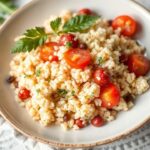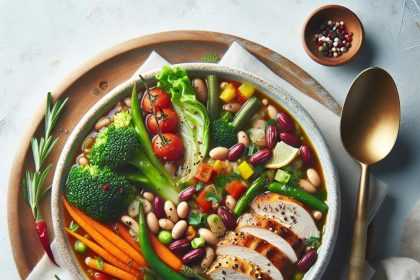

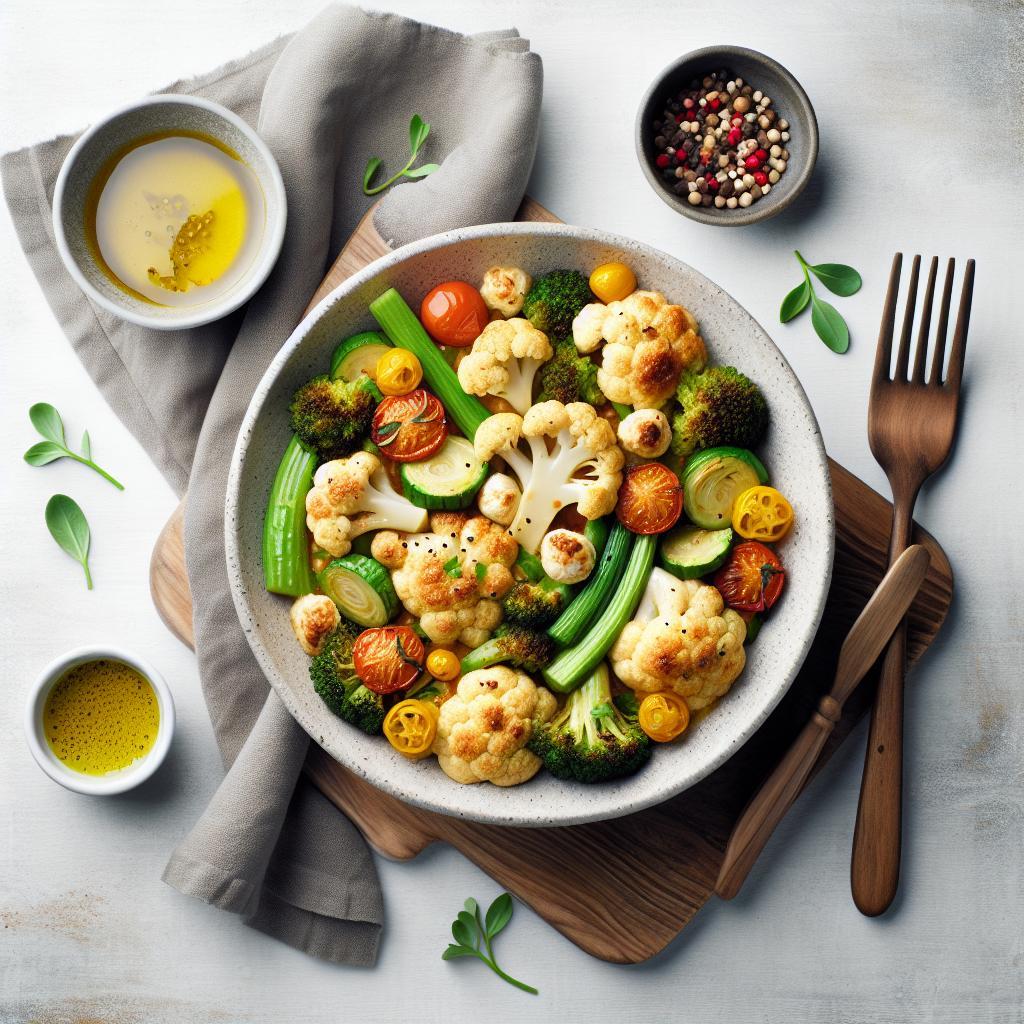

When the air cools and appetite calls for warmth, a robust bowl of roasted cauliflower stew answers the need. This recipe turns simple produce into a layered, savory dish that feeds the body and calms the mind.
- Roast for depth: Caramelized cauliflower adds nutty complexity.
- Build the broth: A long-simmered, seasoned stock creates body.
- Make-ahead friendly: Flavors intensify overnight for better taste.
Hearty Roasted Cauliflower Stew Overview
This stew emphasizes texture and savory balance by combining roasted florets with a seasoned vegetable broth. I recommend using a sturdy pot to maintain a steady simmer and concentrate flavors.
The recipe draws on classic vegetable-stew techniques and controlled roasting to extract sweetness and color from cauliflower. For background on the ingredient, see cauliflower.
Prep and Cook Time
Preparation: 20 minutes. Cooking: 50 minutes. Total Time: 1 hour 10 minutes.
These times assume moderate knife skills and a preheated oven. Roasting takes the largest block of time but requires minimal hands-on attention.
Yield
This recipe yields 4 hearty portions suitable for lunch or dinner service. Portions provide balance of vegetables, starch, and olive oil for satiety.
Scale the recipe by batch-roasting cauliflower and storing cooled stew in airtight containers. It reheats well on the stove or in the oven.
Difficulty Level
Medium difficulty, ideal for cooks who want to practice roast timing and broth seasoning. You will exercise fundamental techniques such as caramelization and deglazing.
With clear steps and organized mise en place, the process remains manageable for most home cooks. The reward is a complex-tasting dish built from simple ingredients.
Ingredients
Gather produce, pantry spices, and a good vegetable stock. Use a firm head of cauliflower, fresh herbs, and low-sodium broth to control seasoning.
Key items: cauliflower florets, extra-virgin olive oil, smoked paprika, ground cumin, onion, carrots, celery, potato, tomato paste, fresh rosemary and thyme, and vegetable broth. For stock techniques, consult vegetable stock.
- 1 large head of cauliflower, cut into florets
- 3 tablespoons extra-virgin olive oil, divided
- 1 teaspoon smoked paprika
- 1 teaspoon ground cumin
- Salt and freshly ground black pepper, to taste
- 1 large onion, finely chopped
- 3 cloves garlic, minced
- 2 medium carrots, peeled and diced
- 2 celery stalks, diced
- 1 medium potato, peeled and cubed
- 6 cups vegetable broth (prefer homemade or low-sodium)
- 1 tablespoon tomato paste
- 2 sprigs fresh rosemary
- 3 sprigs fresh thyme
- 1 bay leaf
- 1 teaspoon lemon zest (optional)
- Fresh parsley, chopped for garnish
- Red pepper flakes (optional)
Instructions
Follow a two-stage approach: roast the cauliflower separately, then build a seasoned stew base. Roasting gives the florets browning and concentrated flavor that boiling cannot produce.
Keep an eye on oven color and use steady medium heat on the stovetop to extract aromatics without burning. For technique references on high-heat surface reactions, review Maillard reaction.
- Preheat oven to 425°F (220°C). Toss cauliflower with 2 tbsp oil, smoked paprika, cumin, salt, and pepper. Arrange florets in a single layer on a rimmed sheet to avoid steaming.
- Roast until golden and tender, about 30 minutes, flipping once. Aim for deep caramelization to maximize savory notes.
- Heat remaining 1 tbsp oil in a heavy-bottomed pot over medium heat. Add onion, carrots, and celery. Sauté until the onion is translucent and vegetables soften, about 7 minutes.
- Add minced garlic and cook 1 minute until fragrant. Stir constantly to prevent garlic from browning too quickly.
- Mix in tomato paste and cook 2 minutes to mellow acidity and deepen color. This step amplifies savory depth in the broth.
- Pour in vegetable broth. Add potato cubes, rosemary, thyme, and bay leaf. Bring to a boil, then reduce to a gentle simmer.
- Simmer uncovered for 15 minutes or until potatoes are tender and the broth tastes seasoned. Skim foam if necessary to clarify the liquid.
- Remove herb sprigs and bay leaf. Fold in roasted cauliflower and cook 3-5 minutes to blend flavors and heat through.
- Finish with lemon zest, adjust salt and pepper, and add red pepper flakes if desired. Serve hot with parsley garnish and bread for dunking.
Tips for Success
Space the cauliflower on the sheet pan. Crowding causes steam and prevents proper browning, which reduces the stew’s flavor complexity.
Use low-sodium broth so you can control final seasoning. Taste during simmering and adjust incrementally for balance.
Toast additions like pine nuts separately to preserve crunch and avoid sogginess when served. A small final drizzle of quality olive oil adds aroma and mouthfeel.
Serving Suggestions
Serve in wide, shallow bowls to expose surface area and encourage immediate aroma release. Garnish with fresh parsley and a spoon of yogurt or labneh for richness.
Accompany with thick slices of crusty bread or warm flatbread for texture contrast and broth absorption. For oil background, see olive oil.
Nutritional Information (per serving)
The table below gives an approximate macronutrient breakdown based on standard ingredient amounts. Use a nutrition calculator for precise values if you need exact tracking.
| Calories | Protein | Carbohydrates | Fat |
|---|---|---|---|
| 250 kcal | 7 g | 35 g | 9 g |
This profile suits a balanced, plant-forward meal. Add legumes like chickpeas for extra protein and fiber without changing method.
Storage and Make-Ahead
Refrigerate cooled stew in airtight containers for up to 4 days. Reheat gently on the stove to preserve texture; avoid rapid high heat that can break down roasted pieces.
Freeze portions for up to 3 months. Thaw overnight in the refrigerator before reheating and adjust seasoning after reheating, since freezing can mute flavors.
Q&A
This section answers common practical questions about technique, substitutions, and timing. It targets immediate cooking decisions and troubleshooting.
If you need an alternative ingredient or want to increase protein, read the answers below for quick adaptations. The guidance stays focused on maintaining the stew’s integrity.
FAQ
What makes this roasted cauliflower stew hearty compared with regular vegetable soup?
The stew uses roasted cauliflower and starchy vegetables to create a thicker mouthfeel and richer flavor profile. Roasting concentrates sugars and adds umami through caramelization, giving a fuller taste than simple simmered soups.
Why roast the cauliflower before adding it to the stew?
Roasting produces Maillard browning on the florets, which yields a nutty, smoky note that simmering alone cannot replicate. It elevates the overall savory character and prevents the cauliflower from becoming limp and flavorless in the broth.
How can I adapt the stew for different diets?
Keep it vegan by using vegetable broth and plant-based toppings. Add canned beans or cooked lentils for extra protein, or swap potato for sweet potato for a different carbohydrate profile.
How far ahead can I prepare this stew?
Prepare up to two days in advance for best flavor; the stew often tastes better after flavors meld in the fridge. Freeze individual portions if you need longer storage; thaw and reheat gently on the stove.
Can I blend part of the stew for a creamier texture?
Yes. Remove a cup or two of the cooked stew and puree it, then return it to the pot to thicken the broth without adding dairy. This preserves the plant-based profile while increasing body and mouthfeel.
Expand your technique repertoire by mastering roasting and controlled simmering; these two methods transform simple vegetables into deeply satisfying dishes. The combination of roasted cauliflower and a refined broth provides a dependable, repeatable route to a nourishing comfort bowl.

See also: Cauliflower Stew