
By using this site, you agree to the Privacy Policy and Terms of Use.
Accept
CookOrBitCookOrBitCookOrBit
  • Home
  • About Us
  • Ingredient Science
    • Flavor & Aroma
    • Protein Chemistry
    • Sugar & Starch
    • Fats & Emulsions
  • Cooking Techniques
    • Searing & Grilling
    • Baking & Roasting
    • Boiling & Steaming
    • Low & Slow
  • Kitchen Experiments
    • DIY Ferments
    • Flavor Tests
    • Gadget Testing
    • Molecular Gastronomy
  • Food Myths
    • Searing Myth
    • 5-Second Rule
    • MSG Myths
    • Microwave Myths
  • Tools
  • More
    • Extra Picks
    • Quick & Easy
      • Breakfast Ideas
      • Desserts
      • Snacks
      • Soups
    • Global Flavors
      • Asian Street Eats
      • Latin Comforts
      • Mexican Flavors
      • Modern Mediterranean
CookOrBitCookOrBit
  • Home
  • About Us
  • Ingredient Science
  • Cooking Techniques
  • Kitchen Experiments
  • Food Myths
  • Tools
  • More
Search
  • Home
  • About Us
  • Ingredient Science
    • Flavor & Aroma
    • Protein Chemistry
    • Sugar & Starch
    • Fats & Emulsions
  • Cooking Techniques
    • Searing & Grilling
    • Baking & Roasting
    • Boiling & Steaming
    • Low & Slow
  • Kitchen Experiments
    • DIY Ferments
    • Flavor Tests
    • Gadget Testing
    • Molecular Gastronomy
  • Food Myths
    • Searing Myth
    • 5-Second Rule
    • MSG Myths
    • Microwave Myths
  • Tools
  • More
    • Extra Picks
    • Quick & Easy
    • Global Flavors
Follow US
  • Advertising Policy: 10 Practical Rules for Safe, Compliant Ads
  • Contact Us
  • Cookie Policy: Clear Guide for Site Owners
  • Copyright Notice Guide: 7 Essential Rules for Website Owners
  • Disclaimer
  • Privacy Policy
  • Terms of Service
By Fimaw.com
Mastering Kitchen Control: The Ultimate Guide to Variables
CookOrBit > Blog > Kitchen Experiments > Flavor Tests > 10 Essential Kitchen Control Strategies for Consistent Results
Flavor Tests

10 Essential Kitchen Control Strategies for Consistent Results

William J. Kroll
By William J. Kroll
Published: January 17, 2026
Share
SHARE

Mastering kitchen control hinges on deliberate adjustments to heat, time, and ingredients. Treat variables as tools: adjust one at a time, measure the result, and repeat until the outcome is reliable.

Contents
  • Optimizing Temperature and Timing for Consistent Culinary Results
    • Surface Heat vs. Internal Temperature
  • Practical Recipe: Controlled Chicken Skillet
    • Recipe Snapshot
    • Ingredients
    • Instructions
  • Tips for Success
  • Serving and Storage
  • Nutrition and Further Reading
  • Q&A
  • Final Thoughts
  • FAQ
    • How do I calibrate my pan and stove?
    • What probe temperature should I use for chicken breasts?
    • How do I scale a skillet recipe without losing browning?
    • How important is ingredient weight versus volume?
    • Where can I learn more about the science behind these techniques?
  • Focus on one variable: change temperature, not temperature and time together.
  • Measure precisely: use a thermometer and digital scale for repeatable results.
  • Document outcomes: keep a short log to track meaningful pattern changes.

Optimizing Temperature and Timing for Consistent Culinary Results

Heat and time dictate texture and flavor. Proper searing, controlled simmering, and timed rests transform proteins and vegetables into predictable outcomes.

When searing meat, target the correct surface temperature to trigger browning without overcooking. The Maillard reaction is the chemical process that creates the browned flavor and aroma; learn its basics on Maillard reaction.

- Advertisement -

Surface Heat vs. Internal Temperature

Surface temperature controls browning; internal temperature controls doneness. Use a probe or instant-read thermometer to monitor internal values during and after cooking.

A calibrated thermometer reduces guesswork. For instrument basics, see the entry for thermometer and choose one rated for culinary use.

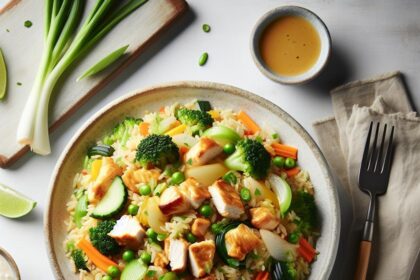
Practical Recipe: Controlled Chicken Skillet

This recipe demonstrates how small variable changes yield consistent results across cooks. Follow the sequence and measure key points.

- Advertisement -

Keep one variable steady per test: heat level, pan type, or batch size. Record the results and adjust in future runs.

Recipe Snapshot

Prep Time: 20 minutes. Cook Time: 30 minutes. The timing here reflects a single-skillet workflow that scales if you keep pan crowding in check.

Yield: Serves 4. Difficulty: Medium. If you change protein size or pan type, expect at least a 10% time variance.

- Advertisement -

Ingredients

  • 2 tbsp olive oil, extra virgin
  • 1 medium onion, finely diced
  • 3 garlic cloves, minced
  • 1 lb chicken breasts, cut into 1-inch cubes
  • 1 tsp smoked paprika
  • ½ tsp sea salt
  • ¼ tsp freshly ground black pepper
  • 1 cup cherry tomatoes, halved
  • ½ cup chicken broth, low sodium
  • 1 tbsp fresh thyme, chopped
  • 1 tbsp lemon juice, freshly squeezed

Instructions

  1. Heat the oil in a heavy skillet over medium heat until it shimmers. Add diced onion and sauté until translucent, about 4 minutes.
  2. Add garlic and cook 30 seconds until aromatic; avoid browning so flavor remains bright.
  3. Raise heat to medium-high and add seasoned chicken. Sear until golden and cooked through, roughly 8 minutes, turning pieces for even color.
  4. Cook tomatoes until they soften, about 3 minutes, releasing juices that form the pan sauce base.
  5. Deglaze with chicken broth and simmer uncovered for 5 minutes to concentrate flavor and thicken the sauce slightly.
  6. Finish off heat with thyme and lemon juice to balance richness with acidity.

Tips for Success

Control one variable at a time to build reliable technique. Small, repeatable changes teach you how each factor affects the final plate.

Use tools that quantify variables: a probe thermometer, a digital scale, and timers. For a technical view of ingredient interactions, review food chemistry.

  • Temperature control: Aim for pan surface ranges that support browning without burning.
  • Timing: Avoid crowding the pan; work in batches for stable sear and consistent internal temps.
  • Measuring: Use scales for spices and weight-sensitive elements to cut variance.
  • Cookware: Match pan size to volume; large surface area increases evaporation and browning speed.
💡 Expert Insight
Expert Insight: Keep a short log next to the stove. Note pan model, heat setting, and internal temps. After three runs you’ll see consistent patterns and know when to alter a single variable.

Adjust recipes for equipment differences. Induction heats faster; gas gives quick response. Adapt heat down 1–2 notches on fast-reacting surfaces.

Serving and Storage

Serve this chicken over neutral grains like couscous or mashed potatoes to showcase texture and sauce. Garnish with fresh thyme and a light oil drizzle to boost aroma.

Cool leftovers quickly and store in airtight containers in the refrigerator. Reheat gently over low heat to preserve moisture and avoid protein tightening.

⚠️ Pro-Caution
Pro-Caution: Never rely on visual cues alone for doneness on dense proteins. Always confirm internal temperature with a calibrated probe to avoid undercooking or overcooking.

Nutrition and Further Reading

Per serving estimates: approximately 320 kcal, 35 g protein, 6 g carbohydrates, and 15 g fat. Use these as planning targets if you adjust portion sizes or ingredients.

For broader technique references, consult the general topic of cooking and the discipline of culinary arts to place method decisions in context.

Nutrient Amount per Serving
Calories 320 kcal
Protein 35 g
Carbohydrates 6 g
Fat 15 g

Want more precision techniques? Visit our internal resources for step-by-step calibration and advanced control strategies: Precision in Kitchen Techniques and Temperature and Timing Guide. These guides offer checklists you can print and use during tests.

Q&A

Q1: What are “variables” in the kitchen?

A: Variables are measurable factors that change a dish’s outcome: temperature, time, ingredient mass, equipment, and moisture. Treat them as parameters to control, test, and log.

Q2: Which variable gives the biggest payoff for home cooks?

A: Temperature control gives the most immediate improvement. Learning to manage surface heat and internal probe readings reduces many common errors.

Q3: Can tools remove all variability?

A: Tools reduce guesswork but cannot eliminate ingredient variance. Freshness, seasonality, and produce size still affect outcome; calibrate for those differences rather than chasing perfection.

Q4: How should a beginner start experimenting?

A: Change one variable per attempt and keep a two-line log: what you changed and the result. After a few repeats, patterns emerge and you gain predictable control.

Final Thoughts

Variables are the operational knobs of cooking. Learn to adjust heat, time, and quantities deliberately, and you convert recipes into reproducible results.

Approach the kitchen as a small lab: measure, test, record, and iterate. That approach yields consistent meals and builds real culinary skill.

FAQ

How do I calibrate my pan and stove?

Heat an empty pan for defined intervals and time how long water droplets sizzle. Use those observations to map stove settings to pan surface behavior under load.

Document the pan material and thickness. A thin pan heats faster and requires lower settings than a heavy, thick-bottomed skillet.

What probe temperature should I use for chicken breasts?

Target 160–165°F (71–74°C) for fully cooked, juicy chicken breast. Pull meat slightly under final target and rest; residual heat raises internal temperature a few degrees.

Always measure in the thickest part for a reliable reading.

How do I scale a skillet recipe without losing browning?

Scale by batch, not by pan size beyond its effective surface area. Cook in multiple batches to maintain high surface temperatures and consistent browning.

If you must increase volume, use a larger, heavier pan and increase heat in measured increments while monitoring with a thermometer.

How important is ingredient weight versus volume?

Weight gives repeatability. Spices and chopped produce vary by packing and size. Use a digital scale for repeatable seasoning and portion control.

For liquids, measuring cups suffice, but for dry ingredients, prefer grams for consistency.

Where can I learn more about the science behind these techniques?

Start with the food chemistry overview and practical technique guides in culinary curricula. Practice with short experiments and keep results brief and focused.

Visit our internal pages for printable checklists and experiment logs: Precision in Kitchen Techniques.

See also: Kitchen Control
7-Step Fresh Hummus Wraps Guide: Flavorful, Fast, Homemade
Unlocking Gluten: 10 Pro Techniques for Perfect Bread Dough
Master the Perfect Cassoulet: 7 Science‑Backed Steps to Unlock Flavor
7 Expert Tips: Chill Thrills — Safely Crafting Liquid Nitrogen Ice Cream
8 Savory Turkey Meatloaf Muffins: Protein-Packed Comfort for Meal Prep
TAGGED:andinstant read thermometerkitchenkitchen measurementMaillard reactionmasteringrecipe testingSearing meattemperature controlthetiming control
Share This Article
Facebook Pinterest Whatsapp Whatsapp LinkedIn Telegram Threads
What do you think?
Love0
Sad0
Happy0
Sleepy0
Angry0
Dead0
Wink0
Previous Article Kahm Yeast Uncovered: Harmless Film or Hidden Threat? Kahm Yeast Exposed: 9 Practical Ways to Identify and Manage It
Next Article Cookie Scoops Unwrapped: Scoop, Shape, and Bake Perfect Treats 7 Pro Tips: Cookie Scoops Unwrapped for Perfect Cookies
Creamy Garlic Chicken with melted Parmesan and fresh herbs on a rustic white plate
Garlic Chicken: 7 Ultimate Brilliant Recipes to Make the Best-Ever Creamy Garlic Chicken with Parmesan & Fresh Herbs
Extra Picks
Colorful bowls of Leftover Couscous transformed into salads, fritters, and stuffed peppers.
12 Amazing Practical Leftover Couscous Ideas: Brilliant Ways to Reuse and Remix
Uncategorized
Colorful jars of spice blends beside steaming couscous with herbs and lemon
7 Ultimate spice blends That Transform Your Couscous — Amazing Best Flavor Boosts
Uncategorized
Bowls of gluten-free couscous alternatives: quinoa, millet, cauliflower, and rice
10 Amazing couscous alternatives: Best Gluten-Free Swaps for Incredible Flavor
Uncategorized

Tags

and art baked baking science baking techniques Baking tips batch cooking beef behind browning techniques butternut squash caramelization cast iron skillet chemistry chicken comfort food Cooking science cooking technique Cooking techniques Cooking tips crafting creamy creamy soup crispy culinary science fish flavor flavor chemistry food food safety Food science for garlic golden Ground turkey hearty heat high-heat cooking high protein meals how instant read thermometer Lean protein magic Maillard reaction make ahead meals make ahead soup mastering meal prep Meal prep recipes meat thermometer microwave microwave cooking moisture control one pot meals Pan searing perfect perfectly Plant based protein Probe thermometer protein denaturation Quick dinners roasted roasted squash roasted tomato soup Roasted vegetables Roasting techniques savor savory science Searing technique Searing techniques secrets slow cooking squash steak steak cooking sweet temperature control the top turkey turkey soup turkey stew ultimate umami cooking umami flavor unlock unlocking unveiling vegetable velvety weeknight dinner Weeknight dinners weeknight meals what when why with your zesty
April 2026
M T W T F S S
 12345
6789101112
13141516171819
20212223242526
27282930  
« Mar    

You Might Also Like

- The Science Behind the Crispiest Fried Chicken Coating
Sugar & Starch

7 Science-Backed Secrets for the Crispiest Fried Chicken Coating

William J. Kroll
William J. Kroll
November 13, 2025
Irresistible Creamy Garlic Butter Shrimp: A Flavorful Delight
Extra Picks

5-Step Irresistible Creamy Garlic Shrimp Recipe — Quick Gourmet

William J. Kroll
William J. Kroll
January 29, 2026
Hearty Chicken and Corn Chowder: Comfort in Every Spoonful
Extra Picks

7 Expert Chicken Chowder Tips: Hearty Chicken and Corn Comfort

William J. Kroll
William J. Kroll
January 24, 2026
The Alchemy Behind the Perfect Savory Galette Crust
MSG Myths

11 Expert Secrets Behind the Perfect Savory Galette Crust

William J. Kroll
William J. Kroll
February 12, 2026
- Mastering Thick Meat: Secrets to Even Roasting Perfection
Baking & Roasting

Mastering Thick Meat: 7 Pro Techniques for Even Roasting Perfection

William J. Kroll
William J. Kroll
October 3, 2025
- Unlocking Flavor: What Exactly Is a Food Mill?
Gadget Testing

Unlock Flavor: 7 Expert Uses for a Food Mill

William J. Kroll
William J. Kroll
November 4, 2025
Follow US
By Fimaw.com © All Rights Reserved.
  • Advertising Policy: 10 Practical Rules for Safe, Compliant Ads
  • Contact Us
  • Cookie Policy: Clear Guide for Site Owners
  • Copyright Notice Guide: 7 Essential Rules for Website Owners
  • Disclaimer
  • Privacy Policy
  • Terms of Service
Welcome Back!

Sign in to your account

Username or Email Address
Password

Lost your password?