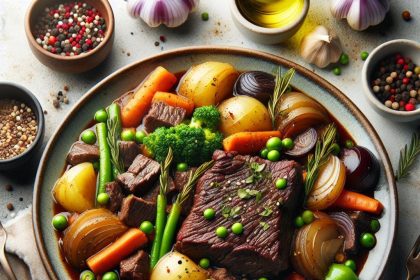

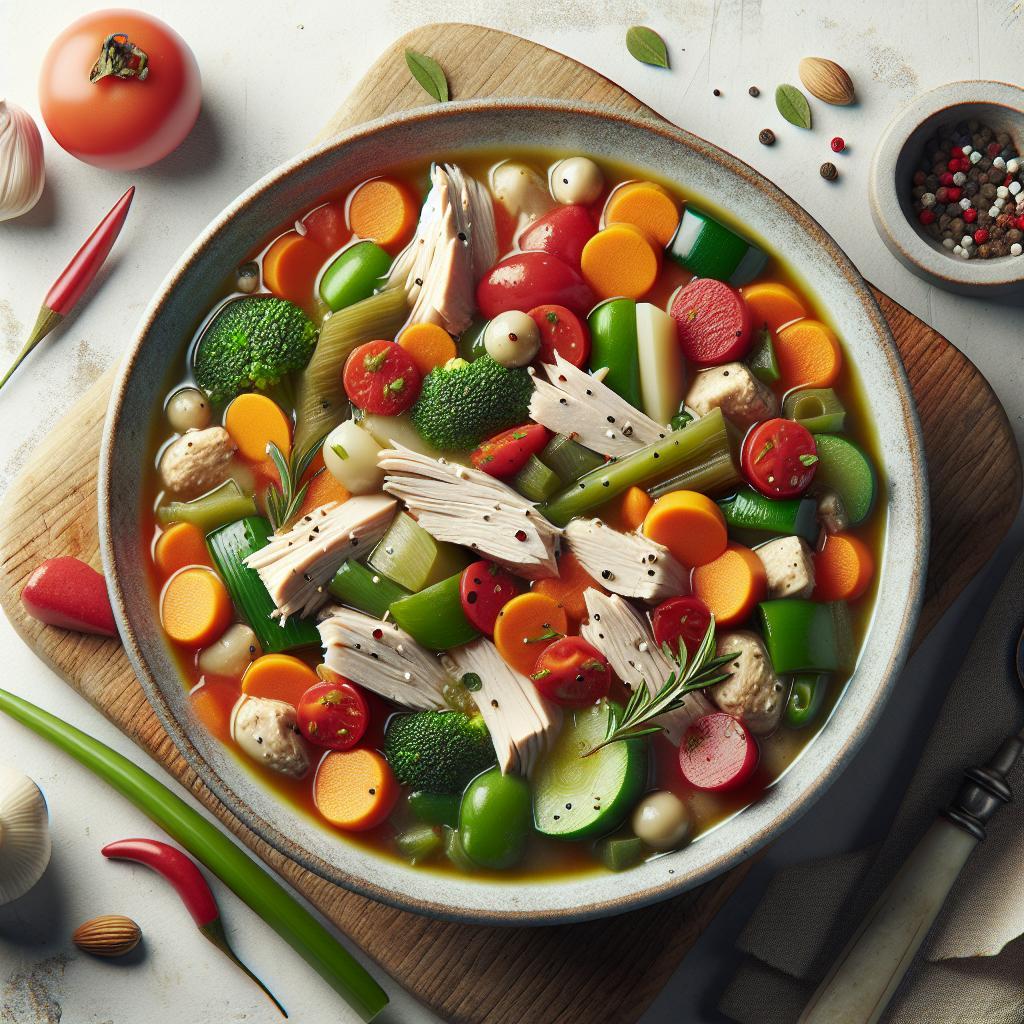

Hearty turkey and vegetable stew delivers balanced nutrition and layered flavor in one pot. Lean turkey, seasonal vegetables, and a savory broth create a sustaining meal that works for weeknight dinners and batch cooking alike.
- High-protein, low-fat: Lean ground turkey supplies muscle-building protein with less saturated fat than many red meats.
- Seasonal vegetables: Root vegetables and winter squash add fiber, vitamins, and natural sweetness.
- Meal-prep friendly: The stew freezes and reheats well, improving flavors over 24–48 hours.
Prep and Cook Time
Preparation: 20 minutes. The mise en place approach—chopping and seasoning before heating—speeds the cook and ensures even results. Prepare all ingredients before you heat the pot to keep the cook time predictable.
Cooking: 1 hour 15 minutes. After browning and deglazing, a long simmer lets flavors meld and root vegetables tenderize. For faster meals, use a pressure cooker to reduce simmer time safely.
- Total Time: 1 hour 35 minutes
Yield
This recipe yields 6 hearty portions. Portion size balances protein and carbohydrates for an adult main course, with about 310 kcal per serving as noted in the nutrition panel.
Scale easily by doubling ingredients for batch cooking or halving for two servings. Store leftovers in shallow, airtight containers to cool rapidly and preserve quality.
Difficulty Level
Medium: The method requires basic techniques: sautéing, browning, and simmering. These steps are accessible to an experienced home cook and teach transferable skills for other braises and stews.
If you master the sequence—sauté aromatics, brown the turkey, and simmer gently—you can vary vegetables and herbs without losing the stew’s structure. Use a heavy-bottomed pot for even heat distribution.
Ingredients
Gather quality ingredients for consistent results. Note that lean ground turkey absorbs seasonings quickly, so taste and adjust as the stew reduces.
Key ingredients include ground turkey, a variety of root vegetables, winter squash, tomatoes, and low-sodium broth. For background on turkey as a poultry source, see turkey.
- 1.5 lbs ground turkey, lean
- 2 tbsp extra virgin olive oil
- 1 large yellow onion, finely diced
- 3 cloves garlic, minced
- 3 medium carrots, peeled and chopped into 1/2-inch pieces
- 2 stalks celery, chopped
- 1 medium butternut squash, peeled and cubed (about 3 cups) — see butternut squash
- 2 cups peeled and chopped parsnips — reference: parsnip
- 1 cup green beans, trimmed and cut in half
- 1 can (14 oz) diced tomatoes, no salt added
- 6 cups low-sodium chicken broth (or stock)
- 2 tsp dried thyme
- 1 tsp smoked paprika
- 1 bay leaf
- Salt and freshly cracked black pepper to taste
- Fresh parsley, chopped for garnish
Use a quality low-sodium broth or make homemade stock for controlled sodium and deeper flavor. For fundamentals on culinary stocks and broths, consult stock (food).
Step by Step Guide to Crafting a Rich and Satisfying Turkey Stew
Follow a clear sequence: aromatic base, protein browning, vegetable incorporation, and a low simmer. This sequence creates both texture and depth without added complexity.
Maintain medium-high heat for browning and reduce to a gentle simmer for the meld phase. Stir occasionally and skim fat or foam if necessary to keep the broth clear and bright.
- Heat the olive oil in a large heavy-bottomed pot over medium heat. Add the diced onion and sauté until translucent and fragrant, about 5 minutes.
- Add the minced garlic and cook for an additional 1 minute, stirring constantly to avoid burning.
- Increase the heat to medium-high and add the ground turkey. Use a wooden spoon to break it apart, cooking until browned evenly, approximately 7–10 minutes. Season lightly with salt and pepper.
- Stir in the carrots, celery, butternut squash, and parsnips. Cook for 5 minutes, stirring occasionally to soften the vegetables just slightly.
- Add the smoked paprika, dried thyme, bay leaf, and canned diced tomatoes with their juices. Stir to combine all ingredients thoroughly.
- Pour in the chicken broth, scraping up any browned bits from the bottom of the pot for depth of flavor. Bring to a gentle boil.
- Reduce heat to low and cover. Let simmer for 45 minutes to 1 hour until vegetables are fork-tender and the flavors have melded beautifully.
- About 10 minutes before finishing, add the green beans so they stay crisp-tender and vibrant in color. This preserves texture and color.
- Remove the bay leaf, taste, and adjust seasoning with additional salt and freshly cracked pepper if needed.
- Ladle the stew into bowls, sprinkle generously with fresh parsley, and serve warm.
For texture contrast, consider adding a final acid like a splash of lemon juice or a teaspoon of red wine vinegar just before serving. Acid brightens the broth and balances sweetness from the squash.
Tips for Enhancing and Storing Your Comfort Bowl for Busy Weeknights
Small technique changes yield big flavor gains. For example, searing the turkey well and deglazing the pan with a little broth concentrates savory notes.
Also, adjust vegetable sizes for uniform cooking. Dice root vegetables into consistent cubes so they finish at the same time and create a pleasing mouthfeel.
- Boost the flavor: Stir in a teaspoon of tomato paste with the canned tomatoes for extra umami and color.
- Vegetable swaps: Swap in sweet potatoes, kale, or cauliflower depending on seasonal availability and carb goals.
- Batch cooking: Cool completely before transferring to airtight containers. Freeze in portioned containers for 2–3 months.
- Make-ahead: Prepare the stew base a day ahead and reheat, adding fresh green beans right before serving for best texture.
- Serving add-ons: Serve with crusty whole-grain bread or a dollop of Greek yogurt for extra creaminess and protein.
Allow the recipe to cool slightly before refrigerating. Rapid cooling and shallow containers reduce food-safety risk and maintain texture when reheating.
Nutritional Information per Serving
The following panel provides a practical estimate per serving based on the listed ingredients and yields. Values vary by brand and specific cuts of turkey.
The stew is moderate in calories, high in lean protein, and offers fiber from vegetables. It supplies micronutrients such as vitamin A from squash and vitamin C from green beans and tomatoes.
| Calories | Protein (g) | Carbs (g) | Fat (g) |
|---|---|---|---|
| 310 | 28 | 22 | 12 |
For broader reading on dietary patterns and nutrient roles, see the general overview at nutrition.

Q&A
This short Q&A clarifies common questions cooks ask about turkey stew composition and performance. It focuses on practical, evidence-based answers you can apply immediately.
Each answer cites culinary logic and established cooking practice to guide adjustments for dietary needs, textures, and storage. Use these responses to tailor the stew to your routine.
Q1: What makes turkey a great choice for a hearty stew?
A1: Turkey offers lean protein with a mild flavor that takes on herbs and spices well. It reduces saturated fat compared with fattier meats while still providing structure in stews.
Q2: Which vegetables are ideal for enhancing both nutrition and flavor in this stew?
A2: Root vegetables like carrots, parsnips, and winter squash provide fiber and natural sweetness. Dark leafy greens can be added near the end for vitamins without overcooking.
Q3: How does slow cooking benefit this turkey and vegetable stew?
A3: Gentle simmering breaks down connective tissue and allows flavors to integrate without toughening the meat. It also promotes collagen extraction from any bone-in additions, enriching the mouthfeel.
Final Thoughts
A well-constructed turkey stew balances flavor, nutrition, and convenience. With modest prep, you can produce a bowl that supports recovery, satiety, and weeknight simplicity.
Adapt the recipe to seasonal produce or dietary needs while retaining core technique: aromatic base, proper browning, and patient simmer. The result is a reliable comfort bowl that stores and reheats well.
FAQ
Is ground turkey the best option for this stew?
Ground turkey is convenient and cooks quickly, making it practical for a weeknight stew. If you prefer, substitute diced dark turkey meat or shredded roasted turkey for a different texture and slightly higher fat content.
How can I thicken the stew without adding heavy cream?
Reduce the broth uncovered for several minutes, or mash a portion of the cooked root vegetables into the broth. Potato or sweet potato also add natural starch for thickening without dairy.
Can I make this in a slow cooker or pressure cooker?
Yes. For a slow cooker, brown aromatics and turkey first, then transfer and cook on low for 6–8 hours. For a pressure cooker, follow the same initial steps and reduce simmer time; check vegetables early to avoid overcooking.
What side dishes pair well with this stew?
Serve with whole-grain bread, brown rice, or a light salad to round out the plate. A spoonful of plain Greek yogurt adds creaminess and extra protein without overpowering the stew.
How long will cooked stew keep in the freezer?
Portioned and sealed, the stew maintains quality for 2–3 months. Thaw in the refrigerator overnight and reheat gently on the stove, adding a splash of broth to restore consistency.
See also: turkey stew