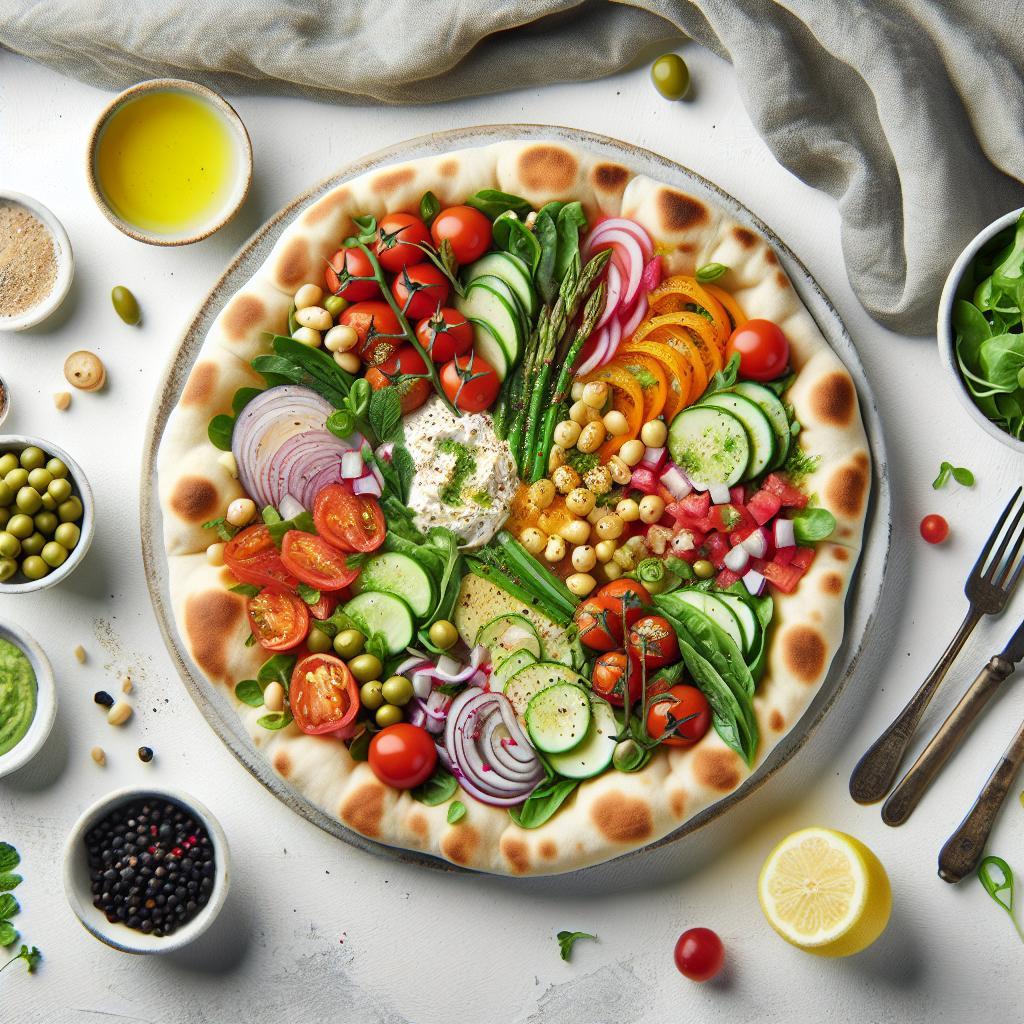

There’s something almost magical about the moment when dough meets a fiery oven, transforming from a humble flat circle into a perfectly puffed pita pocket. This puff, that invisible pocket of air that makes pita bread so uniquely delightful, isn’t just a culinary accident-it’s the result of a calculated dance with high heat. In this article, we’ll pull back the curtain on “High Heat’s Secret,” revealing the science and artistry behind how intense temperature shapes pita into its iconic, airy form. Join us as we explore the sizzling journey that turns simple ingredients into fluffy, golden pockets of pita perfection.
High Heat’s Secret: How It Makes Pita Puffs Perfectly Puffy
High Heat’s Secret: How It Makes Pita Puffs Perfectly Puffy lies not just in the oven’s warmth, but in the beautiful chemistry of flour, hydration, and temperature dancing together to create that iconic puff. Originating from the bustling bazaars of the Middle East, pita bread captivates food lovers worldwide with its ethereal pocket, perfect for stuffing and dipping. Through years of culinary exploration, I discovered how controlling flame and dough intricacies transforms simple ingredients into those irresistibly fluffy, golden rounds.
Prep and Cook Time
- Preparation: 15 minutes
- Resting (Dough Rise): 1 hour
- Cooking: 5-7 minutes
- Total Time: Approximately 1 hour 25 minutes
Yield
Makes 8 perfectly puffed pita breads, ideal for 4-6 servings
Difficulty Level
Medium: Requires some attention to dough texture and oven temperature control
Ingredients
- 3 cups all-purpose flour, sifted (preferably high-protein for best puff)
- 1 1/4 cups warm water (about 110°F/43°C)
- 1 tsp active dry yeast
- 1 1/2 tsp salt
- 1 tbsp olive oil
- 1 tsp sugar (optional, to activate yeast)
Instructions
- Activate the yeast: Combine warm water, sugar, and yeast in a small bowl. Let sit for 5-10 minutes until frothy. This signals your yeast is alive and ready for action.
- Mix the dough: In a large bowl, whisk together flour and salt. Make a well in the center and pour in the yeast mixture and olive oil. Stir gradually to form a shaggy dough.
- Knead: Transfer dough to a lightly floured surface. Knead vigorously for 8-10 minutes until smooth, elastic, and slightly tacky. This gluten development is crucial for pita’s signature flexibility and rise.
- First rise: Place dough in an oiled bowl, cover with a damp cloth, and let it rise for 1 hour in a warm spot until doubled in size.
- Shape the pitas: Punch down the dough gently and divide into 8 equal pieces. Roll each piece into a ball. On a floured surface, roll each ball into a 7-inch diameter circle, keeping them evenly thick – about 1/8 inch.
- Preheat the oven and stone: Place a baking stone or inverted baking sheet on the middle rack and preheat the oven to 500°F (260°C) for at least 45 minutes-high heat is the magic behind the puff.
- Bake the pitas: Carefully transfer 2-3 pitas at a time onto the hot stone using a pizza peel or flat tray. Bake for 3-4 minutes until balloons puff fully and edges golden. Flip if necessary, but the puff usually happens on the bottom surface.
- Cool and store: Remove pitas and cover with a clean towel to keep them soft. Repeat with remaining dough. Enjoy warm or store in airtight bags for up to 3 days.
Tips for Success: Unlocking the Puff
- Choose high-protein flour or bread flour to develop strong gluten strands that trap steam, creating the perfect pocket.
- Don’t skip the resting step. Adequate fermentation deeply impacts flavor and dough elasticity.
- Dough hydration around 75-80%-meaning slightly sticky but manageable-helps maximize steam generation.
- Use a baking stone or steel preheated to blistering heat; this intense surface temperature is essential for that instant puff.
- Roll dough evenly; thin spots can overcook and prevent puffing.
- If your oven can’t reach 500°F, try broiling pitas directly on the top rack for a quick burst of heat-but watch closely to avoid burning.
- To freeze, place completely cooled pitas in a zippered bag. Reheat wrapped in foil at 350°F for 5-7 minutes or warm on a skillet.
Serving Suggestions
Perfectly puffed pitas are like edible pockets of joy waiting to be filled. Serve them warm alongside:
- Hummus, baba ganoush, or tzatziki for classic Mediterranean dips
- Stuffed with grilled meats, falafel, fresh veggies, and a drizzle of tahini or garlic sauce
- Split and toasted lightly with butter and za’atar for a flavorful breakfast treat
- Use as mini pita pizzas topped with tomato, mozzarella, and fresh basil
Garnish each serving with sprigs of fresh parsley, a sprinkle of sumac, or sesame seeds for an inviting finish.

Nutritional Information per Pita
| Calories | Protein (g) | Carbs (g) | Fat (g) |
|---|---|---|---|
| 160 | 5 | 32 | 1 |
For more inspiration on baking breads that celebrate tradition and taste, explore our Artisan Flatbread Recipes collection. To understand more about the science behind gluten and baking temperatures, see the detailed guide at King Arthur Baking’s Bread Baking Guide.
Q&A
Q&A: High Heat’s Secret – How It Makes Pita Puffs Perfectly Puffy
Q1: What exactly causes pita bread to puff up when baked?
A1: The magic lies in temperature. When pita dough hits an environment of intense heat-typically around 450°F to 500°F-the moisture inside instantly turns to steam. This rapid steam expansion inflates the dough like a balloon, separating the layers and creating that iconic pocket. Without this blistering heat, the pita wouldn’t puff, staying flat and doughy instead.
Q2: Why is high heat so crucial for achieving the perfect pita puff?
A2: High heat is the secret catalyst that transforms simple dough into airy pockets. It activates a sudden steam burst that inflates the pita before the crust has a chance to set. If the oven is too cool, steam escapes slowly, causing the dough to dry out or flatten. The sudden, intense heat traps steam inside, crafting the perfect puff.
Q3: How does the baking environment affect the pita puffing process?
A3: The baking surface and oven design play starring roles. Traditional pita bread is often baked on a hot stone or steel surface, which radiates heat evenly and keeps the bottom sizzling. This, paired with a super-hot oven, creates a quick heat surge from all angles, encouraging the dough to rapidly steam and expand evenly.
Q4: Can you replicate this effect at home without a commercial oven?
A4: Absolutely! While commercial pizza ovens reach extreme temperatures effortlessly, you can mimic this at home by preheating your oven to its highest setting and using a baking stone or inverted heavy baking sheet. The key is to ensure the surface is scorching hot before laying down the dough, giving that fast, intense heat blast needed for puffing.
Q5: Does dough composition influence how well the pita puffs?
A5: Yes, though temperature is king, the dough’s hydration and gluten development matter too. A moderately hydrated dough with good gluten elasticity traps steam effectively, allowing the pita to balloon. Overly dense or dry doughs lack the flexibility to puff properly, even at high temperatures.
Q6: What’s a common misconception about pita puffing?
A6: Many assume puffing is due solely to yeast gas bubbles rising during baking. In reality, the visible pocket forms primarily from steam lifting the dough layers. Yeast fermentation is important for flavor and texture, but the puff is a quick, hot-steam phenomenon-not a slow yeast expansion.
Q7: How does the high heat affect the flavor and texture of pita bread?
A7: The intense heat doesn’t just puff the bread; it also crisps and chars the outer surface, creating subtle caramelization and that slightly smoky, toasted aroma characteristic of fresh pita. This contrast between a tender, airy interior and a crisp, flavorful exterior is what makes high-heat-baked pitas so irresistibly delightful.
Unlocking the secret of high heat is like finding the heartbeat of perfect pita puffing-a fiery dance of steam and dough that turns simple ingredients into pockets of edible magic!
In Summary
As we unwrap the science behind high heat’s magical role in crafting the perfect pita puff, it becomes clear that this culinary secret is more than just a technique-it’s an art form powered by precise temperature mastery. That blistering heat doesn’t just bake the dough; it transforms it, coaxing out that airy pocket that defines pita’s unique charm. So next time you bite into a warm, fluffy pita, you’ll know it’s the high heat behind the scenes, puffing life into every soft, golden layer. In the world of bread-making, sometimes the hottest secrets yield the coolest results.