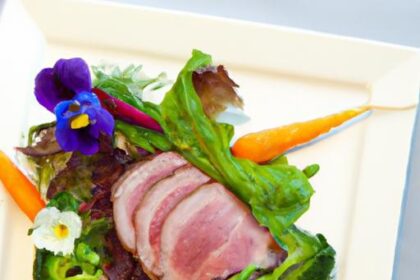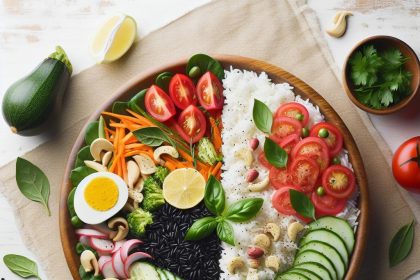


In a world that’s constantly on the move, keeping your meals fresh and safe during transport can feel like a magic trick – but it’s one anyone can master. Whether you’re packing a lunch for a busy workday, prepping dishes for a potluck, or delivering homemade goodies to loved ones, maintaining the perfect balance between freshness and safety is key. In this article, we’ll unveil expert tips and clever hacks to ensure your food arrives as vibrant and delicious as the moment it was prepared. Get ready to become a traveling-meal pro, turning everyday food transport into an art form that nourishes both body and soul.
Keep Food Fresh: Expert Tips for Safe Transporting Meals
When planning to transport meals, choosing the right containers can be the difference between tasting fresh, vibrant dishes or disappointing soggy leftovers. Mastering how to keep your food’s integrity intact involves understanding the perfect containers, temperature control, smart packing techniques, and the use of insulated bags and cooling accessories. These elements come together to elevate your food transporting game, ensuring every bite tastes as delightful as when first made.
Prep and Cook Time
Prep Time: 10 minutes
Cook Time: Not applicable (focus on packing techniques)
Yield
Yields expert-level freshness every time you transport meals-ideal for family luncheons, picnics, and meal-prep enthusiasts alike.
Difficulty Level
Easy to Medium – Suitable for anyone who wants to elevate their meal transporting skills.
Ingredients
- Air-tight glass containers with snap-lock lids (preferably borosilicate)
- BPA-free plastic containers with secure seals
- Silicone food storage bags for flexible packing
- Reusable ice packs or gel cooling packs
- Insulated thermal bags or backpacks designed for food transport
- Cooled washcloths or gel-filled cooling accessories to maintain chill temperature
- Food-safe parchment paper or wax paper sheets
- Separate small containers for dressings, sauces, or toppings
Instructions
- Select containers tailored to your meal type. For liquids and sauces, use glass jars with airtight lids. For salads and dry goods, stackable plastic containers work well to maintain structure.
- Optimize temperature control. Place perishable items into containers and chill them fully in the fridge before packing. Add reusable ice packs to your insulated bags to maintain a cold environment for at least 4-6 hours.
- Employ smart packing techniques. Wrap moist ingredients separately in parchment paper or store in silicone bags to prevent moisture from migrating and causing sogginess. Use small containers for dressings or toppings, ensuring they do not come in direct contact with other foods.
- Prevent cross-contamination. Pack raw and cooked foods separately, preferably in different containers, and keep allergens isolated. Use silicone dividers or compartments inside insulated bags.
- Utilize insulated bags and cooling accessories. Line the bottom and sides of your insulated bag with cold packs. Place the coldest items at the bottom where it’s coolest, layering lighter or room-temperature foods on top with breathable barriers to avoid condensation buildup.
- Seal and secure. Double-check lid seals and zippers on bags before transportation to avoid spills and temperature loss.
- Transport with care. Keep your bag upright and avoid direct heat or sun exposure. Upon arrival, unpack immediately and refrigerate if not serving right away.
Chef’s Notes
- Glass containers preserve flavor better and are microwave-friendly, but be mindful of weight and breakage if traveling far.
- Silicone food bags are perfect for flat items like sandwiches and snacks as they mold well and save space.
- For hot meals, consider pre-heated thermal containers and insulated bags designed specifically for heat retention.
- To prevent leaks, line containers with food-safe plastic wrap before sealing, especially for soups or stews.
- Make-ahead tip: Pack meals the night before and store in the fridge overnight to maximize freshness and ease morning prep.
Serving Suggestions
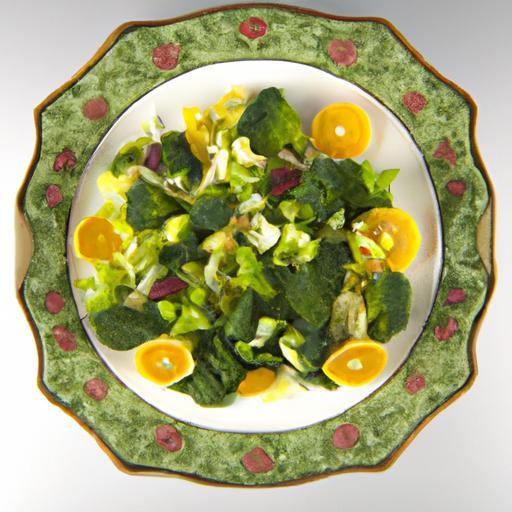
Present your transported meals on beautiful bamboo plates or colorful ceramic dishes to uplift your dining experience. Garnish sandwiches with fresh herbs like basil or cilantro wrapped separately to add just before eating, preserving crispness. Use vibrant, edible flowers or microgreens for salads to create a feast for the eyes as well as the palate.
| Nutrient | Average Values per Serving |
|---|---|
| Calories | N/A (dependent on packed meal) |
| Protein | N/A |
| Carbohydrates | N/A |
| Fat | N/A |
For more tips on meal prep and transport, explore our detailed guide on Meal Prep Essentials. For food safety standards, visit the FoodSafety.gov website.

Q&A
Q&A: Keep Food Fresh – Expert Tips for Safe Transporting Meals
Q1: Why is it important to keep food fresh during transport?
A: Keeping food fresh during transport isn’t just about taste-it’s a matter of safety. When food isn’t kept at the right temperature or exposed to contaminants, harmful bacteria can multiply, leading to foodborne illness. Freshness also preserves flavor, texture, and nutritional value, ensuring your meal is as delightful as when you made it.
Q2: What’s the single most effective way to keep meals fresh on the go?
A: Temperature control is king! Cold foods should stay below 40°F (4°C) and hot foods above 140°F (60°C). Using insulated coolers, thermal bags, or portable food warmers can maintain these safe temps, preventing spoilage and keeping your meals delicious.
Q3: Can I reuse containers to transport food safely?
A: Yes, but only if they’re thoroughly cleaned and food-grade. Avoid cracked or stained containers, as bacteria can hide in crevices. BPA-free plastic, glass, or stainless steel containers with secure lids are your best bet for safety and freshness.
Q4: Are there any tricks to packing meals that help maintain freshness?
A: Absolutely! Keep hot and cold foods separate using different containers or compartments. Layer foods thoughtfully-think moisture barriers like lettuce or wax paper to prevent sogginess. Also, pack smaller portions rather than one giant container to cool or reheat evenly.
Q5: How soon should meals be consumed after transport?
A: The “2-hour rule” is your friend: perishable foods shouldn’t sit out at room temperature for more than two hours. If you’re transporting in hot weather (above 90°F/32°C), reduce that time to one hour. Plan accordingly to keep your feast fresh and safe!
Q6: What are some handy tools to ensure safe food transport?
A: Invest in insulated lunch bags, coolers with ice packs, reusable gel packs, and thermal containers. Food thermometers are also invaluable for double-checking your food’s temperature before eating.
Q7: How can I safely transport liquids or soups without spills?
A: Use leak-proof, airtight containers designed specifically for liquids. Packing these containers upright and cushioned inside your bag minimizes spillage and keeps your other foods intact.
Q8: Any expert hacks for preserving freshness on long trips?
A: Freeze components like sauces or certain fruits beforehand-they’ll thaw gradually, acting as natural ice packs. Also, pack dry ice or invest in specialized coolers for extended freshness. Planning your route and meal timing reduces the risk of food sitting out too long.
Q9: Can I transport homemade salads safely?
A: Yes, but keep dressings separate until mealtime to prevent wilting. Use airtight containers and ice packs to keep your salad crisp and fresh. Wash all veggies thoroughly before packing!
Q10: What should I avoid when transporting food?
A: Avoid using single-use plastic bags or loosely sealed containers that can leak or crush food. Never transport perishable foods without adequate cooling or warming methods. And don’t forget-cleanliness is key to preventing cross-contamination.
With these expert tips, your meals will arrive fresh, safe, and scrumptious, no matter where your journey takes you! Bon appétit!
In Conclusion
Transporting meals safely doesn’t have to be a daunting task. With the right tools, a bit of planning, and a sprinkle of know-how, you can keep your food fresh and flavorful no matter where the journey takes it. Whether you’re packing lunch for work, sending a homemade dish to a friend, or preparing for a picnic adventure, these expert tips ensure every bite stays safe and delicious. So go ahead-pack smart, travel smart, and enjoy your meals as if they were just made. After all, great food deserves a great journey.