By using this site, you agree to the Privacy Policy and Terms of Use.
Accept
CookOrBitCookOrBitCookOrBit
  • Home
  • About Us
  • Ingredient Science
    • Flavor & Aroma
    • Protein Chemistry
    • Sugar & Starch
    • Fats & Emulsions
  • Cooking Techniques
    • Searing & Grilling
    • Baking & Roasting
    • Boiling & Steaming
    • Low & Slow
  • Kitchen Experiments
    • DIY Ferments
    • Flavor Tests
    • Gadget Testing
    • Molecular Gastronomy
  • Food Myths
    • Searing Myth
    • 5-Second Rule
    • MSG Myths
    • Microwave Myths
  • Tools
  • More
    • Extra Picks
    • Quick & Easy
      • Breakfast Ideas
      • Desserts
      • Snacks
      • Soups
    • Global Flavors
      • Asian Street Eats
      • Latin Comforts
      • Mexican Flavors
      • Modern Mediterranean
CookOrBitCookOrBit
  • Home
  • About Us
  • Ingredient Science
  • Cooking Techniques
  • Kitchen Experiments
  • Food Myths
  • Tools
  • More
Search
  • Home
  • About Us
  • Ingredient Science
    • Flavor & Aroma
    • Protein Chemistry
    • Sugar & Starch
    • Fats & Emulsions
  • Cooking Techniques
    • Searing & Grilling
    • Baking & Roasting
    • Boiling & Steaming
    • Low & Slow
  • Kitchen Experiments
    • DIY Ferments
    • Flavor Tests
    • Gadget Testing
    • Molecular Gastronomy
  • Food Myths
    • Searing Myth
    • 5-Second Rule
    • MSG Myths
    • Microwave Myths
  • Tools
  • More
    • Extra Picks
    • Quick & Easy
    • Global Flavors
Follow US
  • Advertising Policy: 10 Practical Rules for Safe, Compliant Ads
  • Contact Us
  • Cookie Policy: Clear Guide for Site Owners
  • Copyright Notice Guide: 7 Essential Rules for Website Owners
  • Disclaimer
  • Privacy Policy
  • Terms of Service
By Fimaw.com
- Tender & Juicy: Secrets to Perfectly Boiled Shrimp Every Tim
CookOrBit > Blog > Cooking Techniques > Boiling & Steaming > 7 Tender & Juicy Tips for Perfect Boiled Shrimp
Boiling & Steaming

7 Tender & Juicy Tips for Perfect Boiled Shrimp

William J. Kroll
By William J. Kroll
Published: October 5, 2025
Share
SHARE

There is nothing better than a perfectly tender, juicy shrimp that snaps just right and tastes of the sea. This guide gives precise, actionable steps to help you boil shrimp to the ideal texture every time.

Contents
  • Why proper technique matters
  • Prep and cook time
  • Ingredients at a glance
  • Step-by-step instructions
  • Tips for consistent results
    • Brining and timing
    • Seasoning the poach
  • Serving suggestions
  • Storage and make-ahead
  • Common troubleshooting
  • FAQ
    • How long should I boil shrimp?
    • Should I peel shrimp before boiling?
    • Does brining make a difference?
    • How do I avoid rubbery shrimp?
    • Can I reuse the poaching water?
  • Final notes
  • Timing is key: 2–3 minutes in boiling water for large shrimp.
  • Brine first: A short salt soak plumps flesh and locks moisture.
  • Shock in ice: An ice bath stops carryover cooking instantly.
  • Season the liquid: Poaching water builds flavor into the meat.

Why proper technique matters

Shrimp cook very quickly and their proteins tighten as they heat. Therefore, slight timing or temperature errors cause rubbery or underdone results.

Good technique focuses on even heat, the right salt level, and a fast chill after cooking. These three controls deliver consistent, tender meat.

- Advertisement -

Prep and cook time

Preparation: 15 minutes. Cooking: 2–3 minutes active boiling for large shrimp; 5–7 minutes total including warm-up and shock.

Adjust time for shrimp size: smaller shrimp need less time and jumbo shrimp may take up to 4 minutes. Always measure by visual cues and a timer.

Ingredients at a glance

Use a clean list of aromatics and salt to flavor the poaching liquid. Fresh lemon, crushed garlic, whole peppercorns, a bay leaf, and a full teaspoon of a seafood blend or Old Bay work well.

- Advertisement -

Buy firm, translucent shrimp with no ammonia smell and uniform size for even cooking. For background on shrimp biology and types, see Shrimp.

  • 1 lb large shrimp (16–20), peeled and deveined, tails on
  • 6 cups cold water
  • 1 lemon, halved, plus wedges
  • 3 garlic cloves, crushed
  • 1 tbsp kosher salt
  • 1 tsp whole peppercorns
  • 1 bay leaf
  • 1 tsp seafood seasoning
  • Fresh parsley for garnish

Step-by-step instructions

Rinse shrimp briefly under cold water and pat dry to remove excess moisture. Prepare a large pot with cold water and add the aromatics and salt to start the poaching liquid.

Bring the liquid to a steady rolling boil, then add the shrimp in a single layer. Set a timer for 2 minutes, check for opaque flesh and a bright pink color, then allow one extra minute only if shrimp are large.

- Advertisement -
  1. Build the broth: Combine cold water, salt, garlic, lemon halves, peppercorns, bay leaf, and seasoning. Bring to a rolling boil over high heat.
  2. Add shrimp: Spread shrimp evenly, then reduce slightly to maintain a gentle boil so water still moves but does not overflow.
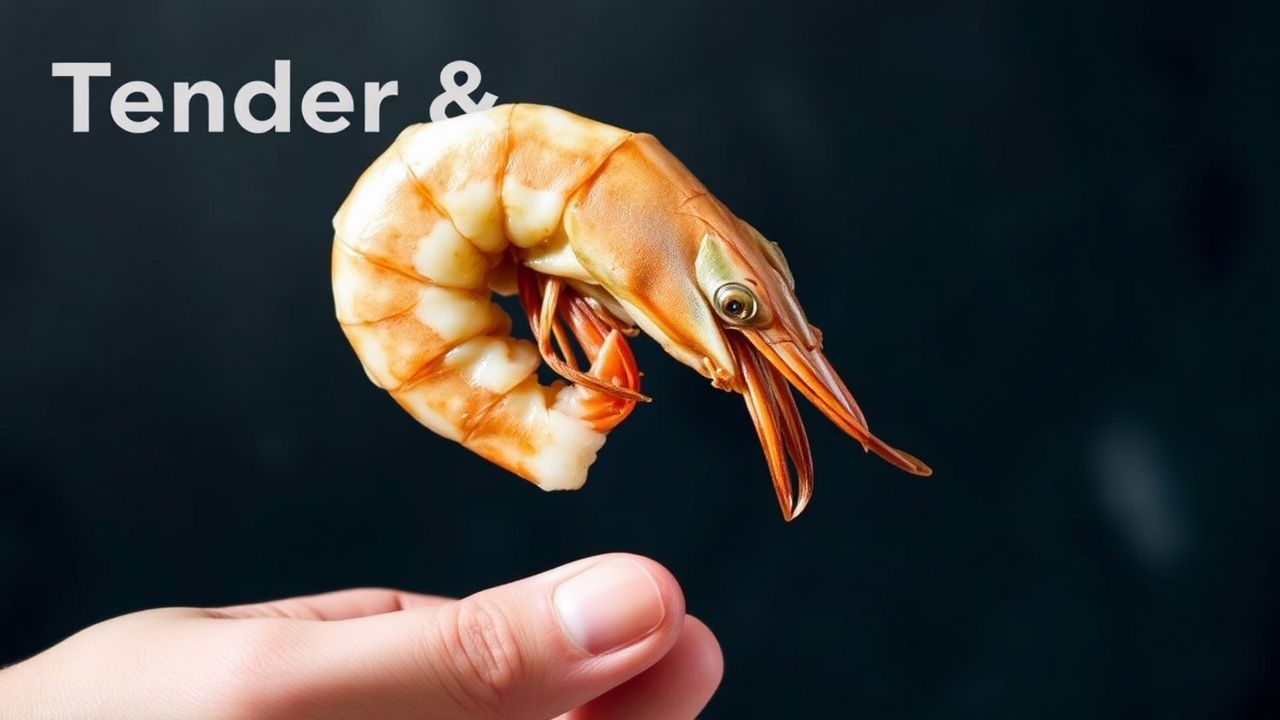
  3. Time precisely: Cook 2–3 minutes until shrimp turn opaque and form a loose “C”. Avoid tight curls.
  4. Ice shock: Transfer shrimp immediately to an ice bath to stop cooking and set texture.
  5. Peel and finish: Peel when cool, leaving tails if desired. Serve chilled or gently warmed with sauces.

Tips for consistent results

Selecting shrimp: Choose shrimp with firm flesh, a mild sea scent, and consistent size for even cooking. Ask your fishmonger about catch date and storage.

Starting cold: Begin with cold water to let shrimp heat through evenly; this prevents a cooked outside with a raw center. For technical context on heat transfer and boiling, reference Boiling.

Brining and timing

A short brine of about 1 tablespoon kosher salt per cup of water for 15–30 minutes firms and plumps the meat. Rinse briefly after brining to remove surface salt before poaching.

Use a reliable kitchen timer and check the first shrimp at 90 seconds to learn how your stove and pot behave. Then adjust for future batches.

💡 Expert Insight
Expert Insight: A 30-minute cold brine increases moisture retention and yields a fuller mouthfeel. Test one shrimp to dial timing for your preferred bite.

Also, use a wide pot so shrimp lay in a single layer; overcrowding lowers the water temperature and changes cook time. If you must cook large amounts, work in batches to preserve consistent results.

Seasoning the poach

Season the water boldly because shrimp absorb flavor during poaching. Add citrus, herbs, and whole spices rather than heavy salt alone for a balanced profile.

Reserve the strained poaching liquid as a stock for soups, risottos, or sauces; it concentrates shrimp flavor. For more on seafood types and handling, see Seafood.

⚠️ Pro-Caution
Pro-Caution: Do not rely solely on color; always use time and a quick texture check. Overcooking even by 30–60 seconds makes shrimp tough and dry.

Serving suggestions

Chilled boiled shrimp make an elegant appetizer with a classic cocktail sauce or aioli. Arrange on a platter with lemon wedges and fresh herbs for contrast and aroma.

Warm shrimp pair well with pasta, grain bowls, or tacos; toss briefly in melted garlic butter or a bright vinaigrette to enliven the flavor. Also, serve with crusty bread to soak up any juices.

Storage and make-ahead

Cool shrimp in the ice bath, drain well, and store in an airtight container for up to 48 hours in the refrigerator. Keep them chilled on ice when serving to maintain texture and safety.

For long-term storage, freeze cooled shrimp on a tray, then transfer to a sealed bag. Label with date and use within three months to preserve quality.

Common troubleshooting

If shrimp taste rubbery, you likely overcooked them or used water that was too hot before adding shrimp. Reheating cooked shrimp also dries them quickly, so rewarm gently or serve chilled.

If shrimp smell off or have a strong ammonia odor, discard them and choose a different batch. Freshness matters for both flavor and safety when cooking shellfish.

FAQ

How long should I boil shrimp?

Cook large shrimp for 2–3 minutes in gently boiling water, counting from the moment they enter the pot. Use visual cues: opaque flesh and a loose “C” shape signal doneness.

Should I peel shrimp before boiling?

Boiling with shells on preserves flavor and moisture, so many chefs leave the shells during cooking. Peel after chilling for easier handling and presentation.

Does brining make a difference?

Yes. A short brine firms the flesh and enhances juiciness by increasing water retention inside the meat. Rinse briefly after brining to balance surface salt.

How do I avoid rubbery shrimp?

Time precisely, use a rolling but not violent boil, and shock shrimp in ice immediately after cooking. Those three steps prevent overcooking and preserve tenderness.

Can I reuse the poaching water?

Absolutely. Strain and refrigerate the poaching liquid; use it as a flavorful stock for soups, chowders, or sauces. It concentrates shrimp essence and reduces waste.

Final notes

Mastering boiled shrimp relies on a few repeatable controls: uniform size, proper salt, precise timing, and an ice shock. Focus on these areas and you will produce tender, juicy shrimp consistently.

Keep experimenting with aromatics and seasoning levels to match your palate. With practice, you will learn how small adjustments affect texture and flavor for perfect results every time.

See also: boiled shrimp

7 Expert Tips for Beef Stew with Broccoli
7 Zesty Moroccan Carrot Salad Secrets for Vibrant Flavor
7 Key Differences: Free vs Bound Glutamate
Cheese Profiles: 7 Expert Secrets to Master Flavor
Unlock Flavor: 7 Pro Techniques for Cedar Plank Grilled Salmon
TAGGED:andBoiled shrimpBrining shrimpCooking tipsice bathperfectlyPoaching shrimpSeafood recipessecretsshrimpShrimp cookingtenderthe
Share This Article
Facebook Pinterest Whatsapp Whatsapp LinkedIn Telegram Threads
What do you think?
Love0
Sad0
Happy0
Sleepy0
Angry0
Dead0
Wink0
Previous Article - Unlocking Perfect Pizza: The Magic of Stones and Steels 7 Expert Secrets to Perfect Pizza Stones & Steels
Next Article - Unlocking Flavor: The Science Behind Perfect Carbonnade Flam Unlock Flavor: 7 Proven Steps to Perfect Carbonnade Flamande
Creamy Garlic Chicken with melted Parmesan and fresh herbs on a rustic white plate
Garlic Chicken: 7 Ultimate Brilliant Recipes to Make the Best-Ever Creamy Garlic Chicken with Parmesan & Fresh Herbs
Extra Picks
Colorful bowls of Leftover Couscous transformed into salads, fritters, and stuffed peppers.
12 Amazing Practical Leftover Couscous Ideas: Brilliant Ways to Reuse and Remix
Uncategorized
Colorful jars of spice blends beside steaming couscous with herbs and lemon
7 Ultimate spice blends That Transform Your Couscous — Amazing Best Flavor Boosts
Uncategorized
Bowls of gluten-free couscous alternatives: quinoa, millet, cauliflower, and rice
10 Amazing couscous alternatives: Best Gluten-Free Swaps for Incredible Flavor
Uncategorized

Tags

and art baked baking science baking techniques Baking tips batch cooking beef behind browning techniques butternut squash caramelization cast iron skillet chemistry chicken comfort food Cooking science cooking technique Cooking techniques Cooking tips crafting creamy creamy soup crispy culinary science fish flavor flavor chemistry food food safety Food science for garlic golden Ground turkey hearty heat high-heat cooking high protein meals how instant read thermometer Lean protein magic Maillard reaction make ahead meals make ahead soup mastering meal prep Meal prep recipes meat thermometer microwave microwave cooking moisture control one pot meals Pan searing perfect perfectly Plant based protein Probe thermometer protein denaturation Quick dinners roasted roasted squash roasted tomato soup Roasted vegetables Roasting techniques savor savory science Searing technique Searing techniques secrets slow cooking squash steak steak cooking sweet temperature control the top turkey turkey soup turkey stew ultimate umami cooking umami flavor unlock unlocking unveiling vegetable velvety weeknight dinner Weeknight dinners weeknight meals what when why with your zesty
April 2026
M T W T F S S
 12345
6789101112
13141516171819
20212223242526
27282930  
« Mar    

You Might Also Like

- Decoding Microwave Power Levels: What They Really Mean
Microwave Myths

Decode Microwave Power Levels: 7 Expert Facts That Make Cooking Easier

William J. Kroll
William J. Kroll
November 7, 2025
Whisking Woes: What Happens When Sugar Hits Egg Whites Early?
Sugar & Starch

Whisking Woes: 7 Expert Fixes When Sugar Hits Egg Whites Early

William J. Kroll
William J. Kroll
January 12, 2026
Fiery Flavors: Mastering the Art of Spicy Lentil Soup
Extra Picks

Fiery Flavors: 7 Expert Techniques to Master Spicy Lentil Soup

William J. Kroll
William J. Kroll
December 21, 2025
- The Ultimate Guide to Perfectly Clarifying Stock for Consomm
Molecular Gastronomy

7 Pro Techniques to Perfectly Clarify Stock for Consommé

William J. Kroll
William J. Kroll
November 1, 2025
- Mastering the Art of the Perfect Chewy-Crust Bagel
Boiling & Steaming

9 Proven Techniques to Master the Perfect Chewy Bagel

William J. Kroll
William J. Kroll
November 10, 2025
Velvety Creamy Carrot Soup: A Comforting, Nutritious Delight
Extra Picks

7 Pro Tips for Velvety Creamy Carrot Soup: Comforting, Nutritious Recipe

William J. Kroll
William J. Kroll
February 15, 2026
Follow US
By Fimaw.com © All Rights Reserved.
  • Advertising Policy: 10 Practical Rules for Safe, Compliant Ads
  • Contact Us
  • Cookie Policy: Clear Guide for Site Owners
  • Copyright Notice Guide: 7 Essential Rules for Website Owners
  • Disclaimer
  • Privacy Policy
  • Terms of Service
Welcome Back!

Sign in to your account

Username or Email Address
Password

Lost your password?