
By using this site, you agree to the Privacy Policy and Terms of Use.
Accept
CookOrBitCookOrBitCookOrBit
  • Home
  • About Us
  • Ingredient Science
    • Flavor & Aroma
    • Protein Chemistry
    • Sugar & Starch
    • Fats & Emulsions
  • Cooking Techniques
    • Searing & Grilling
    • Baking & Roasting
    • Boiling & Steaming
    • Low & Slow
  • Kitchen Experiments
    • DIY Ferments
    • Flavor Tests
    • Gadget Testing
    • Molecular Gastronomy
  • Food Myths
    • Searing Myth
    • 5-Second Rule
    • MSG Myths
    • Microwave Myths
  • Tools
  • More
    • Extra Picks
    • Quick & Easy
      • Breakfast Ideas
      • Desserts
      • Snacks
      • Soups
    • Global Flavors
      • Asian Street Eats
      • Latin Comforts
      • Mexican Flavors
      • Modern Mediterranean
CookOrBitCookOrBit
  • Home
  • About Us
  • Ingredient Science
  • Cooking Techniques
  • Kitchen Experiments
  • Food Myths
  • Tools
  • More
Search
  • Home
  • About Us
  • Ingredient Science
    • Flavor & Aroma
    • Protein Chemistry
    • Sugar & Starch
    • Fats & Emulsions
  • Cooking Techniques
    • Searing & Grilling
    • Baking & Roasting
    • Boiling & Steaming
    • Low & Slow
  • Kitchen Experiments
    • DIY Ferments
    • Flavor Tests
    • Gadget Testing
    • Molecular Gastronomy
  • Food Myths
    • Searing Myth
    • 5-Second Rule
    • MSG Myths
    • Microwave Myths
  • Tools
  • More
    • Extra Picks
    • Quick & Easy
    • Global Flavors
Follow US
  • Advertising Policy
  • Contact Us
  • Cookie Policy
  • Copyright Notice
  • Disclaimer
  • Privacy Policy
  • Terms of Service
By Fimaw.com
Mastering the Flake: Secrets to Perfect Puff Pastry Every Time
CookOrBit > Blog > Ingredient Science > Fats & Emulsions > Mastering the Flake: Secrets to Perfect Puff Pastry Every Time
Fats & Emulsions

Mastering the Flake: Secrets to Perfect Puff Pastry Every Time

William J. Kroll
By William J. Kroll
Published: February 12, 2026
Share
SHARE

There’s an almost magical allure to puff pastry-the way its golden layers rise, crisp and delicate, creating a symphony of flake and crunch in every bite. But behind that seemingly effortless elegance lies a precise dance of technique, patience, and know-how. Whether you’re a home baker longing to elevate your weekend treats or a curious culinary artist eager to unlock flaky perfection, mastering puff pastry is a rewarding journey worth every fold. In this article, we’ll unravel the secrets to perfect puff pastry every time, guiding you through the science and artistry that transforms simple dough into a masterpiece of buttery, flaky delight. Get ready to turn your kitchen into a bakery, one irresistible layer at a time.

Contents
  • Understanding the Science Behind Flakiness
  • Selecting the Ideal Ingredients for Ultimate Puff Pastry
  • Step by Step Techniques for Rolling and Folding
  • Troubleshooting Common Puff Pastry Pitfalls
    • Prep and Cook Time
    • Yield
    • Difficulty Level
    • Ingredients
    • Instructions
    • Tips for Success
    • Serving Suggestions
    • Nutritional Information (Per Serving)
  • Q&A
  • In Summary

Understanding the Science Behind Flakiness

Mastering the Flake: Secrets to Perfect Puff Pastry every time begins with appreciating the delicate interplay of temperature, fat, and gluten. Puff pastry’s signature flakiness emerges from countless thin layers of dough and butter, separated by skillful folding. When baked, the water in the butter evaporates, creating steam that puffs up these layers, resulting in the airy, crisp texture that defines a perfect puff.

It’s crucial to keep all ingredients cold and to avoid overworking the dough, as warmth activates gluten too early, causing toughness instead of tenderness. This scientific balance of chilling and layering transforms simple dough into a masterpiece of texture.

- Advertisement -

Selecting the Ideal Ingredients for Ultimate Puff Pastry

Every ingredient tells a story in your puff pastry dough. Opt for all-purpose flour with a moderate protein content for optimal structure, avoiding overly strong bread flours or low-gluten cake flours. The star, however, is unsalted butter-high-quality, European-style varieties with high fat content (82% or more) provide exceptional flavor and barrier properties between layers.

Water should be ice-cold to maintain dough chill, while a pinch of salt elevates all flavor notes. For enriched puff variants, a touch of lemon juice or vinegar can tenderize gluten while enhancing puff.

Step by Step Techniques for Rolling and Folding

  1. Prepare your base dough by mixing flour, salt, and cold water until just combined, keeping the dough shaggy but cohesive.
  2. Chill the dough wrapped for at least 30 minutes to relax gluten and ensure firm handling.
  3. Roll out your butter block into a thin, even square, chill well before incorporating.
  4. Encase the butter in the dough by rolling out your dough into a rectangle and folding it over the butter block like a letter envelope, sealing edges carefully to prevent butter leaks.
  5. Begin laminating by rolling the dough carefully to a long rectangle, then performing a classic book fold (fold in thirds). Each fold multiplies layers exponentially.
  6. Chill between folds for at least 30 minutes; repeat rolling and folding 4-6 times depending on your desired flakiness.
  7. Final roll-out should be gentle and even to maintain those precious layers for maximum rise and crispness in the oven.

Troubleshooting Common Puff Pastry Pitfalls

When puff pastry doesn’t rise or layer as expected, it’s often due to butter melting prematurely or gluten overdevelopment. If your dough feels sticky or sticky edges occur, chill more aggressively and dust with flour sparingly. Butter leaks can mean it wasn’t cold or well sealed.

- Advertisement -

To combat these, always work on a cool surface, chill tools when possible, and trust the resting times. Too thick or thin rolling affects the lift: aim for uniform thickness approximating 1/4 inch during folds. Flaky perfection lies in patience and precision.

Prep and Cook Time

  • Preparation: 1 hour (including chilling)
  • Folding and rolling: 1 hour
  • Baking: 15-20 minutes
  • Total Time: Approximately 2 hours 30 minutes

Yield

One batch yields enough puff pastry for approximately 12 medium-sized pastries or a 9-inch tart base.

Difficulty Level

Intermediate: Requires patience and attention to detail but accessible with practice.

- Advertisement -

Ingredients

  • 2 1/2 cups all-purpose flour, sifted and chilled
  • 1 tsp fine sea salt
  • 1 cup (227g) unsalted European-style butter, cold and cut into a block
  • 3/4 cup ice-cold water
  • 1 tsp lemon juice or white vinegar (optional, for gluten tenderness)

Instructions

  1. Mix dough: In a large bowl, combine flour and salt. Stir in lemon juice if using. Gradually add ice-cold water and mix gently with a fork until dough just comes together in a shaggy mass. Don’t overwork.
  2. Chill dough
  3. Shape butter block: Place cold butter between two sheets of parchment. Pound and roll into a 6-inch square, chill again until firm but pliable.
  4. Encase butter
  5. Laminate dough
  6. Final roll out and bake

Tips for Success

  • Keep all ingredients and tools cold; chill your rolling pin and board if needed.
  • Handle the dough minimally to prevent gluten overdevelopment;
  • Wrap dough well between folds to avoid drying and butter oxidation.
  • Freeze unused dough sections for up to one month.
  • For extra flavor, brush with egg wash before baking to deepen golden color.
  • Use this detailed Britannica article to explore puff pastry’s culinary heritage and science.
  • For complementary recipes, check our Classic French Pastries guide.

Serving Suggestions

Serve your golden puff pastries warm for the ultimate texture contrast between crisp layers and soft fillings. For savory pies, pair with fresh garden salad and herbed vinaigrette. Sweet versions shine with a dusting of powdered sugar or a drizzle of vanilla glaze, alongside seasonal berries.

Garnish with fresh thyme or rosemary sprigs for savory dishes or edible flowers for desserts to add elegant, visual appeal.

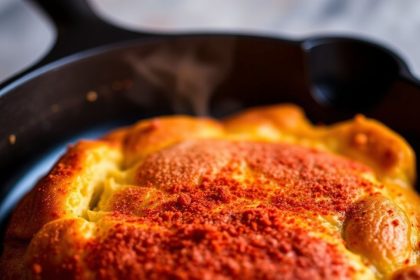
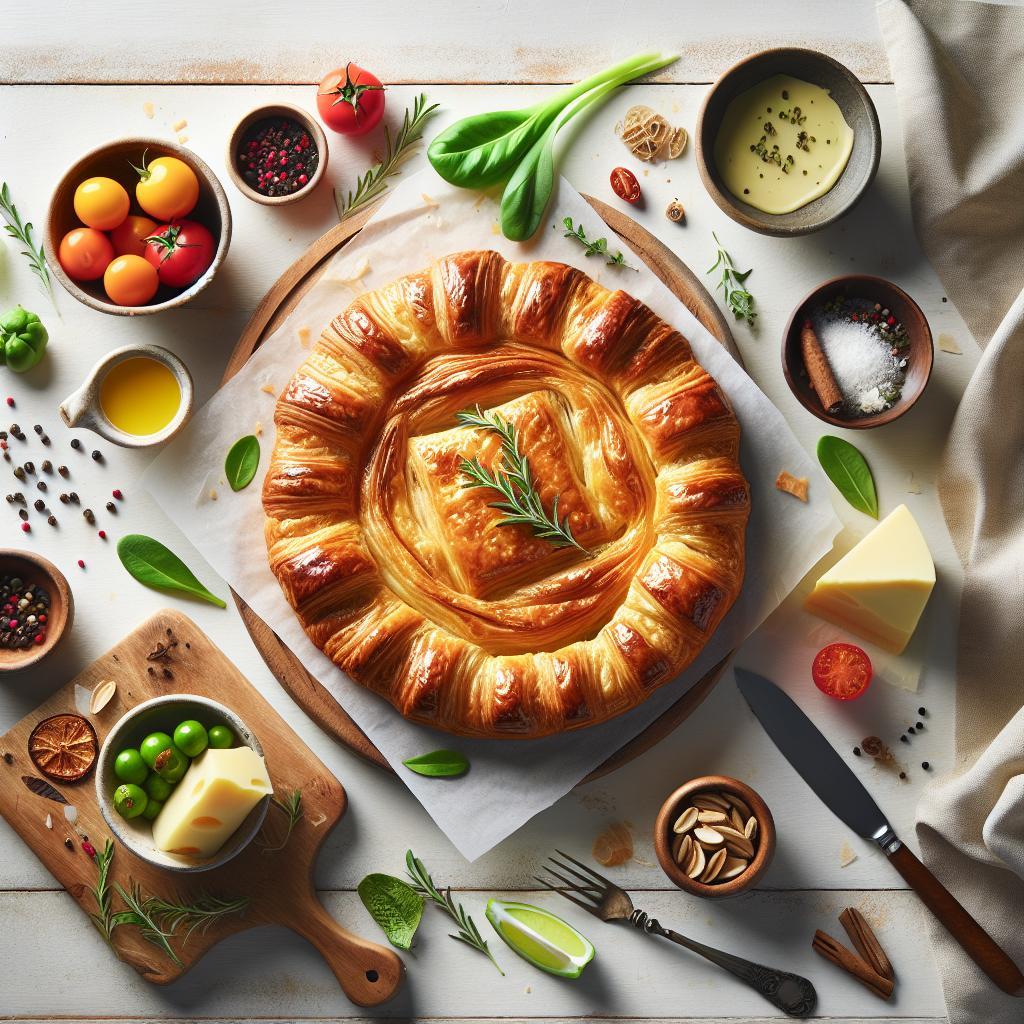
Mastering the Flake: Secrets to Perfect Puff Pastry puffed golden layers

Nutritional Information (Per Serving)

Calories Protein Carbs Fat
320 kcal 4 g 26 g 22 g

Q&A

Q&A: Mastering the Flake – Secrets to Perfect Puff Pastry Every Time

Q1: What is the key to achieving those signature flaky layers in puff pastry?
A1: The magic lies in the meticulous layering of butter and dough, known as lamination. Cold butter folded repeatedly into the dough creates hundreds of thin layers that puff up beautifully when baked, producing that irresistible flaky texture.

Q2: How important is temperature control in making puff pastry?
A2: Absolutely crucial! Keeping your ingredients-especially the butter-and dough cold ensures the butter remains solid, which traps steam during baking and creates those delicate air pockets. Warm butter melts too early, resulting in a dense, greasy mess instead of a flaky masterpiece.

Q3: Can I speed up the process or skip resting times?
A3: Patience is your best friend here. Resting the dough between folds relaxes gluten and chills the butter, which is essential for elasticity and flakiness. Rushing leads to tough, shrunk, or uneven pastries. So embrace the wait-it’s part of the craft!

Q4: What baking tips guarantee a golden, puffed crown every time?
A4: Bake puff pastry on a preheated baking sheet or stone to give it an instant burst of heat from below. Also, egg wash before baking adds shiny, golden allure. Resist opening the oven door too often-fluctuations can cause your puff to deflate.

Q5: Any advice for home bakers afraid of lamination?
A5: Start simple! Use butter sticks that are easy to handle and keep your rolling surface lightly floured (but not too much). Visualize the process as a delicious folding ritual, and remember: every fold brings you closer to flaky paradise. Don’t be discouraged by a few imperfect tries-they taste just as good!

Q6: Are there common mistakes to avoid for puff pastry newbies?
A6: Yes-overworking the dough, letting the butter melt, skipping chill times, and rolling too thin can sabotage your pastry. Also, avoid using a dull rolling pin or uneven pressure; consistency helps layers puff uniformly.

Q7: What’s the best way to store puff pastry scraps?
A7: Never toss those precious trimmings! Stack and chill them for another batch, or freeze for a quick savory tart later. Puff pastry loves a second act as much as you do.

Q8: Can puff pastry be made vegan or gluten-free without losing flakiness?
A8: Vegan versions often swap butter for plant-based fats, which can work but may tweak texture slightly. Gluten-free puff pastry is trickier-without gluten, dough elasticity suffers, but experimenting with xanthan gum or other binders can help you get flaky close enough to satisfy.

Q9: How can I make my puff pastry stand out beyond the classic?
A9: Infuse your butter with herbs, citrus zest, or spices before layering, or add a sprinkle of sugar for sweet twists. Experiment with shapes and fillings-savory or sweet-and watch your ordinary puff turn extraordinary.

Q10: What mindset should I bring to mastering puff pastry?
A10: Think of puff pastry as an art form marrying science and patience. Each fold is a step toward flaky glory. Embrace mistakes as lessons and approach your dough with curiosity-mastery is flaky, layered, and oh-so-delicious.

In Summary

As you close the oven door and catch that first golden, flaky glimpse of your puff pastry masterpiece, remember that perfection is a journey layered with patience, precision, and practice. Mastering the flake isn’t just about following a recipe-it’s about embracing the delicate dance between butter and dough, temperature and timing. With these secrets under your belt, every bite will be a symphony of light, crisp layers that melt effortlessly on the tongue. So keep rolling, folding, and baking-because the perfect puff pastry isn’t just a treat, it’s an art form waiting to be mastered, time and time again.
Mastering the Flake: Secrets to Perfect Puff Pastry Every Time

Unlocking Flavor: The Vital Role of Scoring Chestnuts
Creamy Mushroom Sauce Meets Savory Turkey Sausage Pasta
The Science Behind Yogurt’s Tangy Fermentation Flavor
Savor Simplicity: One-Pan Garlic Butter Salmon Bliss
Crisp Rescue: How to Fix Soggy, Oily Fried Foods Fast
TAGGED:anddoughmasteringsecretsthe
Share This Article
Facebook Pinterest Whatsapp Whatsapp LinkedIn Telegram Threads
What do you think?
Love0
Sad0
Happy0
Sleepy0
Angry0
Dead0
Wink0
Previous Article Roux Run Short: What Happens When Cooking Time Falls Flat? Roux Run Short: What Happens When Cooking Time Falls Flat?
Next Article Grill Press Uncovered: The Secret to Perfectly Seared Meals Grill Press Uncovered: The Secret to Perfectly Seared Meals
Hearty Turkey and Mushroom Soup: A Cozy Comfort Recipe
Extra Picks
Carrageenan Uncovered: Nature’s Seaweed Thickening Secret
Molecular Gastronomy
Unlocking Creamy Magic: What Is a Yogurt Maker?
Gadget Testing
Rice Rivalry: Jasmine vs Basmati Showdown Tested and Explained
Flavor Tests

Tags

and are art baked beef behind brighten broccoli butter carrot cauliflower cheese chemistry chicken chickpea chili classic coconut cracking crafting creamy crisp crispy crust delicious dough easy egg exploring fat fish flavor flavorful food for garlic golden grill guide happens healthy hearty heat how inside irresistible keto lemon magic make master mastering meat microwave pasta perfect perfectly power protein rice roasted Salad salmon salt savor savory science searing secret secrets sizzling slow sourdough squash steak sugar sweet testing that the tips top turkey ultimate umami unlock unlocking unraveling unveiling vegetable velvety water what when whipping wholesome why with your zesty
February 2026
M T W T F S S
 1
2345678
9101112131415
16171819202122
232425262728  
« Jan    

You Might Also Like

Is Your Meal Safe? Spot Signs Before You Take a Bite
5-Second Rule

Is Your Meal Safe? Spot Signs Before You Take a Bite

William J. Kroll
William J. Kroll
November 16, 2025
Hearty Beef and Bean Burrito Bowls: Flavorful Fiesta Bowls
Extra Picks

Hearty Beef and Bean Burrito Bowls: Flavorful Fiesta Bowls

William J. Kroll
William J. Kroll
February 6, 2026
Potato Starch Unveiled: Nature’s Pure, Versatile Powder
Sugar & Starch

Potato Starch Unveiled: Nature’s Pure, Versatile Powder

William J. Kroll
William J. Kroll
November 10, 2025
Unlocking Flavor: The Science Behind Perfectly Seared Meat
Extra Picks

Unlocking Flavor: The Science Behind Perfectly Seared Meat

William J. Kroll
William J. Kroll
September 30, 2025
Hearty Beef and Rice Stew: A Comforting Classic Recipe
Extra Picks

Hearty Beef and Rice Stew: A Comforting Classic Recipe

William J. Kroll
William J. Kroll
February 1, 2026
Hearty Beef and Potato Hash: A Savory Classic to Savor
Extra Picks

Hearty Beef and Potato Hash: A Savory Classic to Savor

William J. Kroll
William J. Kroll
January 14, 2026
Follow US
By Fimaw.com © All Rights Reserved.
  • Advertising Policy
  • Contact Us
  • Cookie Policy
  • Copyright Notice
  • Disclaimer
  • Privacy Policy
  • Terms of Service
Welcome Back!

Sign in to your account

Username or Email Address
Password

Lost your password?