
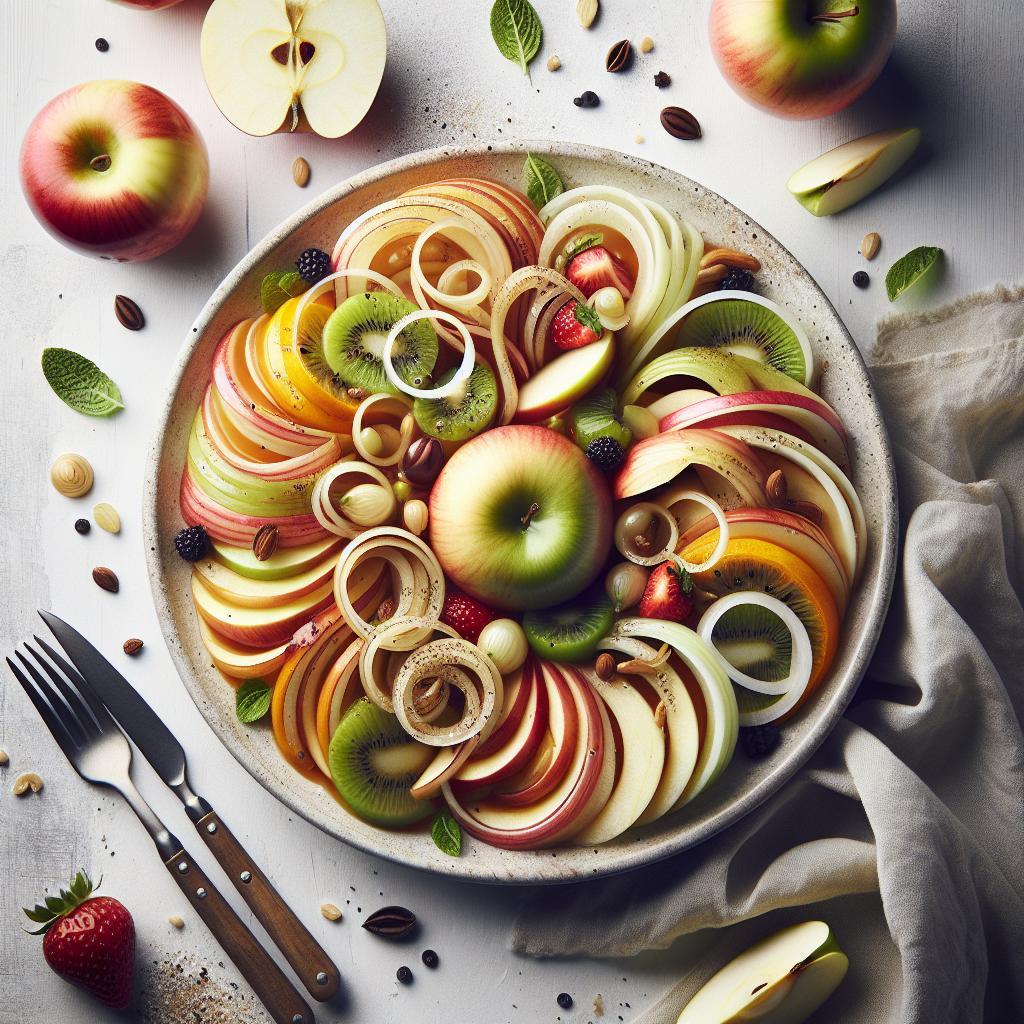

When your nose plugged, food often loses its personality. Apples and onions can restore sensory contrast through texture, acidity, and volatile compounds that the tongue still detects.
- Nose Plugged: How Smell Shapes What You Taste
- Why a Nose Plugged State Silences Flavor
- Why Apples Work When Your Nose Plugged
- Why Onions Break Through a Nose Plugged Fog
- Recipe: Sautéed Apples and Onions — Designed for a Nose Plugged Palate
- Chef’s Notes: Tips for Success
- Serving Suggestions
- How to Maximize Flavor When Nose Plugged
- Enhance Your Experience with Science
- FAQ
- Q1: Why does my food taste bland when my nose plugged?
- Q2: Can apples really help if my nose plugged?
- Q3: Are onions safe to eat when my nose plugged?
- Q4: What other foods help restore flavor when my nose plugged?
- Q5: How quickly can I expect to taste improvements?
- In Summary
- Key insight: Aroma loss reduces perceived flavor more than taste loss.
- Practical fix: Use apples for acidity and crunch; onions for pungency and mouthfeel.
- Cooking tip: Gentle heat releases aroma without destroying texture.
Nose Plugged: How Smell Shapes What You Taste
When your nose plugged, the link between smell and taste weakens rapidly. Much of what we call “flavor” comes from retronasal olfaction rather than the tongue’s basic taste receptors.
Olfaction creates layered perception by combining volatile molecules with taste signals. See the science behind smell and taste at olfaction and taste (sensation) for background on those pathways.
Why a Nose Plugged State Silences Flavor
Nasal congestion limits airflow through the olfactory cleft, cutting off many volatile compounds. That reduction flattens complex aromas into simple sweetness, saltiness, sourness, bitterness, and umami.
Understanding nasal physiology helps explain why certain food elements still reach you. Read about the typical causes and mechanics of congestion at nasal congestion.
Why Apples Work When Your Nose Plugged
Apples supply multiple rescue mechanisms for a nose plugged palate: crisp texture, elevated acidity, and volatile esters that can still register retronasally in small amounts. The fruit’s cell structure gives a satisfying snap that the tongue perceives independently.
Different cultivars deliver different profiles. Explore the common cultivated apple species at Malus domestica for cultivar notes and flavor expectations.
Why Onions Break Through a Nose Plugged Fog
Onions contain sulfurous compounds that stimulate trigeminal nerve endings and taste receptors. These compounds produce pungency and a lingering aftertaste that the tongue and nasal chemosensors can still detect when airflow is limited.
Using onions strategically can restore perceived complexity for a nose plugged eater. For botanical context, review the onion species information at Allium cepa.
Recipe: Sautéed Apples and Onions — Designed for a Nose Plugged Palate
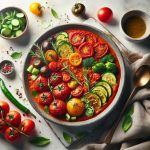
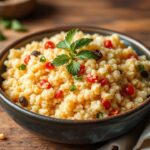
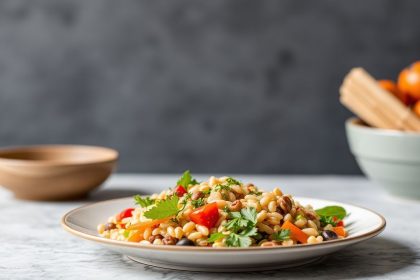
This recipe emphasizes texture, contrast, and released aromatics to deliver identifiable flavor even with a nose plugged condition. It keeps apple pieces slightly firm and coaxing onion aromatics slowly into a balanced glaze.
Prep time: 15 minutes
Cook time: 25 minutes
Total time: 40 minutes
Yield: 4 servings
Difficulty: Medium
Ingredients
- 2 medium Granny Smith apples, peeled, cored, and thinly sliced
- 1 large yellow onion, finely sliced
- 2 tablespoons olive oil
- 1 tablespoon honey
- 1 teaspoon apple cider vinegar
- 1 teaspoon freshly grated ginger
- Salt and freshly ground black pepper, to taste
- 2 tablespoons fresh parsley, chopped
- Optional: 1 teaspoon crushed red pepper flakes for a mild kick
Instructions
- Prepare apples and onions: Peel and core apples. Slice thin to increase surface area and preserve bite.
- Sauté onions: Heat oil over medium heat. Cook onions until soft and translucent, about 7 minutes, stirring often.
- Add apples and ginger: Stir in apples and grated ginger. Cook gently 5–6 minutes so apples soften but keep slight crunch.
- Sweeten and balance: Add honey and apple cider vinegar. Stir to form a light glaze, 3–4 minutes.
- Season: Finish with salt, pepper, and red pepper flakes if using. Adjust seasoning to taste.
- Finish and serve: Remove from heat, sprinkle parsley, and serve warm to preserve aroma for a nose plugged diner.
Chef’s Notes: Tips for Success
Apple choice: Use tart varieties for contrast when your nose plugged dulls flavor perception. For softer sweetness, swap to Honeycrisp or Fuji.
Onion alternatives: Yellow onions give caramel sweetness; red onions add floral sharpness that can heighten perceived flavor even with congestion.
Keep apple pieces slightly undercooked. That preserves textural cues the tongue uses to detect freshness and contrast.
Serving Suggestions
This apple-onion medley pairs well with roasted meats, creamy staples, or tangy cheeses. The tart-sweet balance helps cut through rich sauces and fatty textures.
Try spooning the warm mixture over mashed potatoes or grilled pork. For a vegetarian plate, serve on toasted bread with a smear of soft cheese; see related recipes at Aromatic Herbs: Enhance Flavor and Serving Ideas with Goat Cheese.
How to Maximize Flavor When Nose Plugged
Focus on contrast: acidity, crunch, heat, and fat deliver clear signals to taste receptors. Combine textures and temperatures to produce distinct mouthfeel cues.
Gently warming foods releases volatiles without destroying structure. That balance is crucial for people with a nose plugged condition who rely more on non-olfactory cues to define flavor.
Enhance Your Experience with Science
Esters in apples and sulfur compounds in onions act on different sensory channels. Those channels include taste buds and the trigeminal nerve, which registers irritation and coolness as part of flavor.
Recognizing these mechanisms helps you design dishes that work even when the olfactory route is limited. Use crisp textures, bright acids, and bold pungent notes as a practical toolkit.
FAQ
Q1: Why does my food taste bland when my nose plugged?
Your perception of flavor depends heavily on aroma molecules reaching the olfactory epithelium. When airflow is restricted, complex aromas do not reach those receptors, so food appears bland.
Q2: Can apples really help if my nose plugged?
Yes. Apples provide acidity and crunch that the tongue perceives independently of smell. Their esters can also reach olfactory receptors in reduced amounts, adding detectable complexity.
Q3: Are onions safe to eat when my nose plugged?
Generally yes, but sulfur compounds can be intense. Start with cooked onions or small raw amounts to gauge comfort, since pungency can stimulate trigeminal nerves even without full smell.
Q4: What other foods help restore flavor when my nose plugged?
Use citrus, spicy peppers, aged cheeses, and crunchy raw vegetables. These items emphasize acidity, heat, and texture to compensate for reduced olfactory input.
Q5: How quickly can I expect to taste improvements?
Changes can be immediate when you use contrasting textures and acids. For sustained improvement, address the underlying cause of congestion and use these cooking tactics while you recover.
In Summary
A nose plugged condition reduces aroma-driven flavor, but strategic cooking with apples and onions restores sensory contrast. Use texture, acid, and pungency to reawaken tastebuds while the nose clears.
These techniques are practical and evidence-aligned: choose firm apples, use gentle heat, and balance pungency with sweetness to maximize perceived flavor. Keep this toolkit handy the next time your nose takes a break.

| Nutrient | Per Serving |
|---|---|
| Calories | 110 kcal |
| Protein | 0.5 g |
| Carbohydrates | 28 g |
| Fat | 5 g |
See also: nose plugged