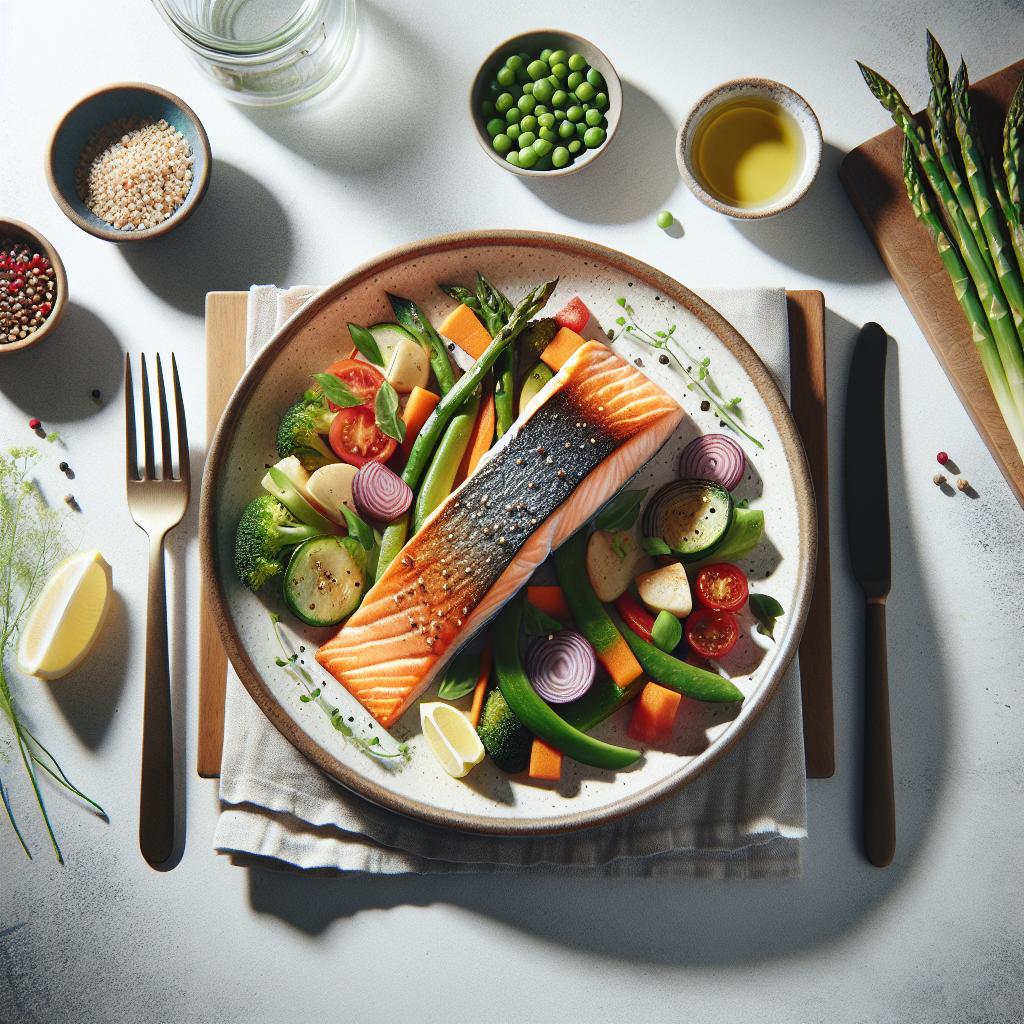

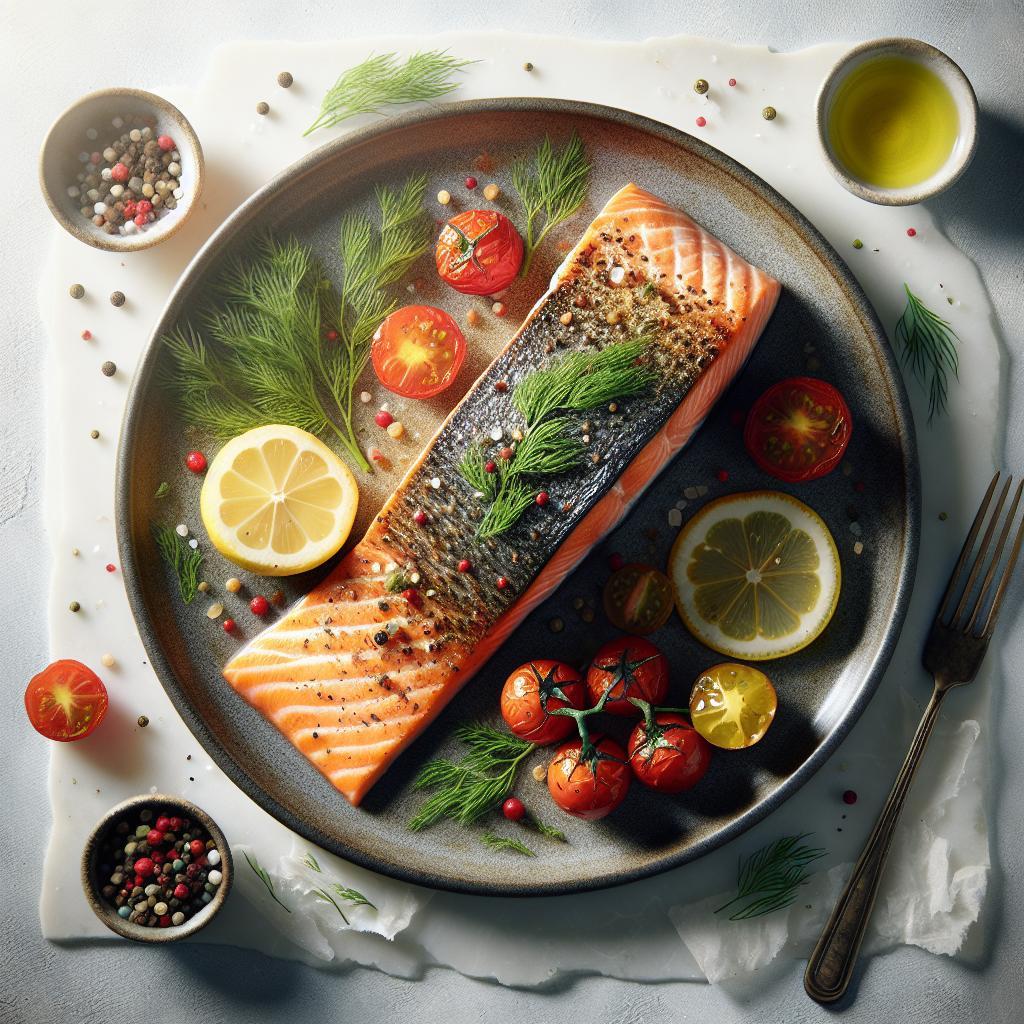

There’s something truly magical about a perfectly baked salmon fillet – its tender, flaky texture paired with a subtle, buttery richness creates a culinary experience that’s both satisfying and nourishing. As one of nature’s most wholesome and versatile proteins, salmon offers not only a feast for the palate but a boost for your well-being, brimming with heart-healthy omega-3 fatty acids and essential nutrients. In this article, we will dive into the art and science of baking salmon to perfection, revealing tips and tricks to transform a simple fillet into a delicious, healthy delight that’s as vibrant on your plate as it is on your health chart. Whether you’re a seasoned foodie or a kitchen novice, prepare to unlock the secrets to salmon that’s juicy, flavorful, and effortlessly elegant.
Perfectly Baked Salmon Fillets: A Delicious Healthy Delight
Perfectly baked salmon fillets offer a sublime blend of rich, delicate flavor and wholesome nutrition, making them a timeless favorite in kitchens worldwide. Whether inspired by coastal culinary traditions or a simple desire for vibrant, healthful meals, this dish transforms everyday cooking into an exquisite experience. I vividly recall my first attempt at mastering salmon’s tender, flaky texture-once I discovered the nuances of selecting the finest fillets and elevating them with complementary seasoning, my appreciation for this humble yet luxurious fish grew exponentially.
Prep and Cook Time
- Preparation: 10 minutes
- Marinating: 15 minutes (optional but recommended)
- Cooking: 12-15 minutes
- Total Time: Approximately 37-40 minutes
Yield
Serves 4 elegantly portioned salmon fillets.
Difficulty Level
Easy – Ideal for cooks of any skill level seeking a nutritious and impressive main course.
Ingredients
- 4 salmon fillets (6 oz. each, skin-on, preferably wild-caught)
- 2 tbsp extra virgin olive oil
- 1 tbsp fresh lemon juice
- 2 cloves garlic, minced
- 1 tsp sea salt
- ½ tsp freshly cracked black pepper
- 1 tsp smoked paprika
- 1 tbsp chopped fresh dill (or 1 tsp dried dill)
- Optional: 1 tsp honey or maple syrup for a subtle glaze
Instructions
- Select your salmon fillets with vibrant pink flesh and moist, firm texture; the skin should be shiny and free from discoloration. Freshness is key to flavor and nutrition.
- Prepare the marinade by whisking together olive oil, lemon juice, garlic, sea salt, black pepper, smoked paprika, and dill. Add honey or maple syrup if you prefer a hint of sweetness.
- Place the salmon fillets in a shallow dish and coat each generously with the marinade. Cover and refrigerate for 15 minutes to let flavors infuse without overpowering the salmon’s natural essence.
- Preheat your oven to 400°F (200°C). Line a baking sheet with parchment paper or lightly grease a non-stick pan to prevent sticking.
- Arrange the fillets skin-side down on the baking sheet, leaving space between each to ensure even heat circulation.
- Bake the salmon for 12 to 15 minutes-depending on thickness. Look for an opaque, flaky texture and an internal temperature of 145°F (63°C) for perfect doneness.
- Remove from oven and let rest for a couple of minutes. This allows the juices to redistribute, resulting in moist, tender fillets.
- Finish with a squeeze of fresh lemon and garnish with additional dill or thinly sliced scallions for visual appeal and extra aroma.
Tips for Success
- Choose fresh, wild-caught salmon when possible, as it generally offers richer omega-3 content and more complex flavors than farmed varieties.
- Don’t over-marinate; 15 minutes is sufficient to enhance flavor without making the fish mushy.
- Use a reliable instant-read thermometer to avoid overcooking; salmon dries out quickly but is perfectly moist when it flakes gently under a fork.
- For an added touch, try mixing fresh herbs like parsley or tarragon into the marinade for varied flavor profiles.
- Make-ahead friendly: Prep the marinade and fillets a few hours before baking; just keep refrigerated until ready to cook.
Creative Serving Suggestions to Elevate Your Healthy Meal Experience
Present your perfectly baked salmon fillets atop a bed of vibrant quinoa salad, tossed with diced cucumbers, cherry tomatoes, and fresh herbs. Alternatively, serve alongside roasted asparagus drizzled with lemon zest and a sprinkle of toasted almonds for delightful crunch.
For a colorful plate, garnish the fillets with edible flowers or microgreens and accompany with a dollop of creamy avocado puree or a tangy cucumber-dill yogurt sauce. A subtle drizzle of balsamic glaze can add an unexpected, elegant sweetness.
| Nutrient | Per Serving (6 oz) |
|---|---|
| Calories | 350 kcal |
| Protein | 34 g |
| Carbohydrates | 2 g |
| Fat | 22 g |

For more inspiration on wholesome seafood dishes, explore our Healthy Seafood Recipes collection. To deepen your knowledge of salmon’s nutritional benefits, the Healthline Salmon Benefits Guide offers excellent insights.
Q&A
Q&A: Perfectly Baked Salmon Fillets – A Delicious Healthy Delight
Q1: Why is salmon considered a healthy choice for meals?
A1: Salmon is a nutritional powerhouse packed with omega-3 fatty acids, high-quality protein, vitamins like B12 and D, and essential minerals such as selenium. These nutrients support heart health, brain function, and overall vitality, making salmon not just delicious but a smart choice for wellbeing.
Q2: What makes baking salmon fillets the ideal cooking method?
A2: Baking gently cooks salmon with even heat, preserving its tender texture and delicate flavor. Unlike frying, it requires minimal oil, reducing unnecessary fats while keeping the fish moist and flaky. Plus, it’s hands-off-just set it in the oven and let the magic happen.
Q3: How do I know when salmon fillets are perfectly baked?
A3: Perfectly baked salmon flakes easily with a fork and has a slightly translucent center that turns opaque once fully cooked. The internal temperature should reach 125°F to 130°F (52°C to 54°C) for a moist, medium-rare texture, or up to 145°F (63°C) if you prefer a firmer, fully cooked fish.
Q4: Can I bake salmon with herbs and spices to boost flavor?
A4: Absolutely! Salmon’s rich flavor pairs beautifully with fresh herbs like dill, rosemary, and thyme, as well as zesty lemon, garlic, and a pinch of chili flakes. These natural seasonings elevate the dish without overpowering the fish’s delicate taste.
Q5: What side dishes complement perfectly baked salmon fillets?
A5: For a balanced, vibrant plate, serve your salmon with roasted vegetables, quinoa, wild rice, or a crisp green salad. The hearty, nutritious sides harmonize with the fish, creating a colorful and satisfying meal that nourishes both body and soul.
Q6: Can I prepare baked salmon fillets ahead of time?
A6: You can! Bake your salmon fillets and store them in an airtight container in the fridge for up to two days. Reheat gently in the oven or enjoy cold in salads and sandwiches for a quick, healthy meal on busy days.
Q7: What tips help prevent overcooking salmon?
A7: Keep a close eye on the cooking time and use a food thermometer if possible. Remove the salmon from the oven as soon as it reaches your desired doneness-remember, it continues to cook slightly after coming out of the heat. This trick keeps the fish tender and velvety every time.
Q8: Is there a difference between wild and farmed salmon when baking?
A8: Wild salmon often has a firmer texture and slightly more intense flavor due to its natural diet, while farmed salmon tends to be fattier and milder. Both bake beautifully, but wild salmon may need a bit less cooking time because it’s leaner.
Baking salmon fillets to perfection transforms a simple ingredient into a culinary delight that’s as healthy as it is scrumptious. With these tips and insights, you’re ready to impress yourself and your loved ones with the ultimate salmon feast!
To Wrap It Up
In the quest for a meal that’s as nourishing as it is delectable, perfectly baked salmon fillets stand out as a true champion. Their tender, flaky texture and rich, buttery flavor make every bite a celebration of healthy indulgence. By mastering the art of baking salmon just right, you unlock a world where wellness meets taste, proving that nutritious eating need never be dull. So, whether you’re a seasoned chef or a kitchen novice, let this simple yet exquisite dish inspire you to bring more vibrant, wholesome meals to your table-because healthy can always be delicious.