
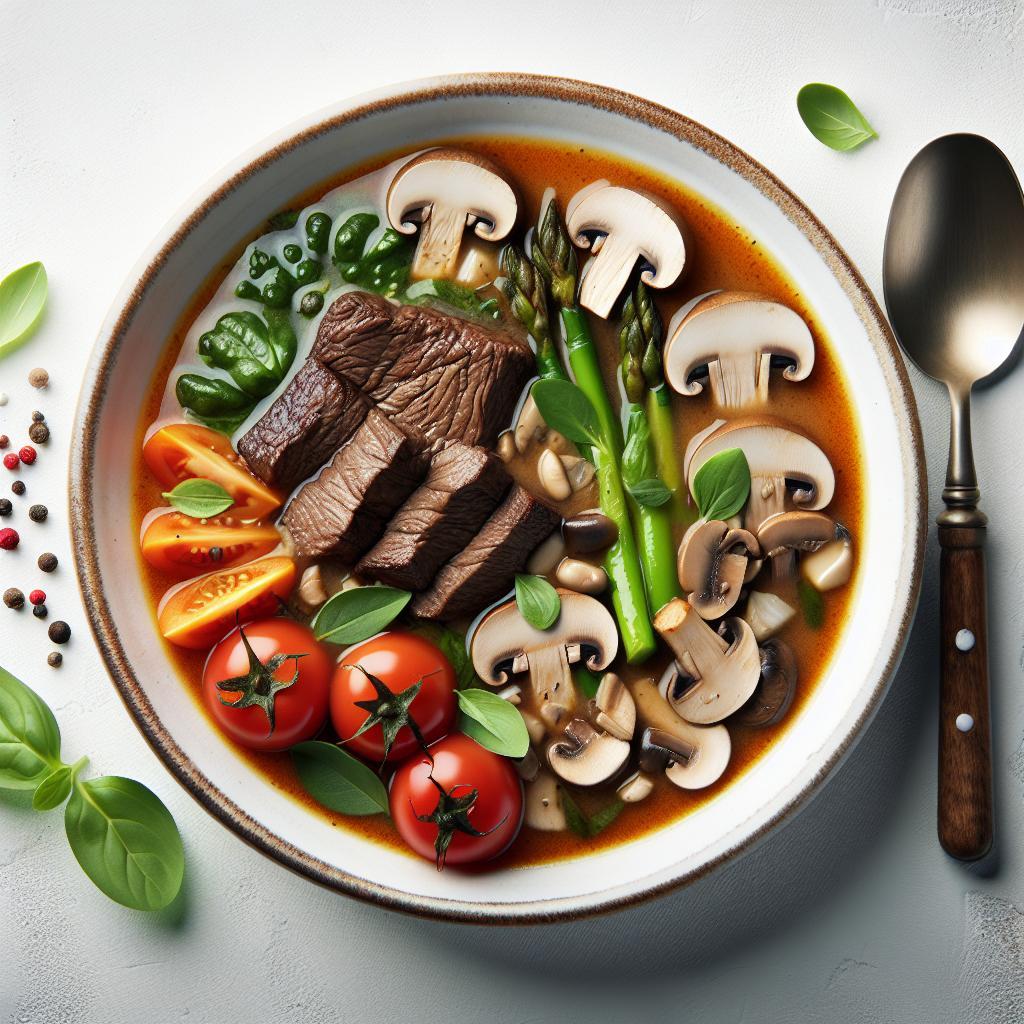

7 Expert Secrets for Hearty Beef Soup distills practical, technique-driven steps to produce a rich bowl of beef soup with concentrated umami and a silky mouthfeel. The focus is on controlled searing, mushroom caramelization, and a long, low simmer that converts collagen into body.
- Slow-sear for depth: Browning beef creates Maillard compounds that lift the broth.
- Mixed mushrooms add umami: Varieties build savory complexity and texture contrast.
- Use collagen-rich cuts: Collagen converts to gelatin during a low simmer for body.
- Rest overnight: Chilling clarifies the broth and concentrates flavor.
Prep and Cook Time for Beef Soup
Preparation: Allow 20 minutes to trim, cube, and mise en place ingredients. Efficient prep maintains consistent searing temperature and reduces lost heat between steps.
Cooking: Plan roughly 2 hours 30 minutes for a gentle simmer that converts connective tissue to gelatin. Total elapsed time including resting is about 2 hours 50 minutes, depending on oven or stovetop variables.
Yield and Difficulty for Beef Soup
This beef soup yields about six generous bowls and scales predictably for larger batches. When increasing volume, adjust simmering time modestly but keep the heat low to protect texture and clarity.
Difficulty: Medium. Key techniques include high-heat searing, effective deglazing, and steady simmer control. These skills reward repetition and will become routine after a few preparations.
Ingredients for Beef Soup
Use quality core items: well-marbled beef, a mix of mushrooms, aromatics, and a neutral beef stock. Each component contributes technically: collagen from beef, glutamates from mushrooms, and aromatic lift from herbs.
For reference on raw materials, consult background on beef, the role of the collagen molecule, and the flavor concept of umami when you select mushrooms and stock.
- 2 lbs beef chuck roast, cut into 1-inch cubes
- 1 tablespoon olive oil
- 1 large yellow onion, finely diced
- 3 cloves garlic, minced
- 12 oz mixed mushrooms (cremini, shiitake, oyster), cleaned and sliced
- 4 cups beef broth
- 2 cups water
- 2 sprigs fresh thyme
- 1 bay leaf
- 2 medium carrots, peeled and diced
- 2 stalks celery, diced
- 1 teaspoon smoked paprika
- Salt and freshly ground black pepper, to taste
- 2 tablespoons all-purpose flour, sifted (or cornstarch for gluten-free)
- 2 tablespoons unsalted butter
- Fresh parsley for garnish
Instructions for Beef Soup
1. Prepare and Sear the Beef
Pat beef cubes dry to maximize surface browning; moisture inhibits the Maillard reaction. Lightly toss in seasoned sifted flour to aid browning and provide subtle thickening.
Heat oil in a heavy-bottomed pot over medium-high heat. Sear in batches until all sides are well-browned, about 4–5 minutes per batch, and set the seared beef aside. Avoid overcrowding to maintain high surface temperature and consistent color.
2. Build the Base
Reduce heat to medium and add butter. Sweat diced onion, carrots, and celery until softened and translucent; this mirepoix provides the aromatic backbone of the beef soup.
Stir in garlic and smoked paprika briefly, then add mushrooms and cook until they release moisture and brown. Browning mushrooms concentrates their natural glutamates and prevents watering down the broth.
3. Deglaze, Simmer, and Finish
Return beef to the pot and deglaze with a splash of beef broth, scraping browned fond into the liquid. Add remaining broth, water, thyme, and bay leaf, then bring to a gentle boil.
Lower heat and simmer partially covered for about 2 hours, stirring occasionally. Remove herb stems and bay leaf before final seasoning adjustments with salt and pepper. A low, steady simmer converts collagen to gelatin without breaking the meat down into fibers.
Tips for Beef Soup Success
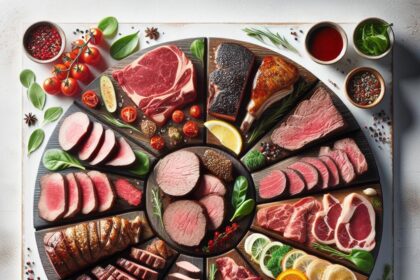
Choose cuts with connective tissue—chuck, brisket, or shank—to obtain a gelatinous mouthfeel without excess fat. Collagen-rich cuts reliably produce the body associated with classic beef soup.
Use a variety of mushrooms to layer texture and savory notes. Brown them in the pan to deepen flavor rather than adding them raw at the end, which risks a flatter profile.
Make-ahead and Storage for Beef Soup
Refrigerate the soup overnight to let flavors meld and to allow fat to congeal for easy removal. This step improves clarity and yields a more balanced bowl when reheated.
For freezing, cool quickly and store in airtight containers. Proper rapid cooling and airtight storage preserve texture; follow recommended safe food times for refrigeration and freezing.
Serving Suggestions for Beef Soup
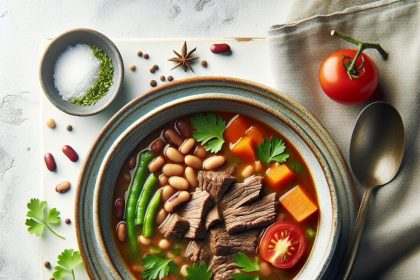
Serve ladled into wide bowls and garnish with chopped parsley or a small sprig of thyme for aromatic lift. Offer crusty bread or a buttered baguette for dipping to balance the broth’s concentrated flavors.
For contrast, pair the beef soup with a bright green salad dressed in a light vinaigrette. A spoonful of crème fraîche adds a creamy counterpoint without masking savory notes.
Nutritional Snapshot
This beef soup delivers a protein-forward profile with moderate fat and low carbohydrate content when served without bread. Use leaner cuts or trim surface fat to reduce calories while preserving collagen-driven body.
Per serving estimates depend on cut and portion size; approximate values for a standard serving are about 350 kcal, 32 g protein, 12 g carbohydrates, and 18 g fat when prepared as described.
FAQ
What cut of beef gives the best texture for beef soup?
Choose chuck, brisket, or shank for their collagen content and balanced marbling. Slow cooking converts collagen into gelatin, producing tender meat and a silky mouthfeel in the beef soup.
Can I make this beef soup vegetarian without losing depth?
Yes. Replace beef with hearty plant proteins such as roasted lentils or seitan and use a concentrated vegetable stock. Increase mushroom variety and roast the mushrooms to enhance umami and body.
How should I reheat leftovers to preserve texture?
Reheat gently over low heat with occasional stirring. Add a splash of stock if the soup seems thick after refrigeration to restore the original consistency.
Is it better to brown mushrooms or add them raw to beef soup?
Brown mushrooms first to concentrate their natural glutamates and reduce released water. This produces a more pronounced umami profile in the finished beef soup.
How long can I store beef soup safely?
Refrigerate in airtight containers for up to three days or freeze for up to three months. Cool the soup rapidly before storage to limit bacterial growth and protect texture.

See also: Overview of mushrooms and flavor sources in cooking at mushroom selection.
See also: beef soup