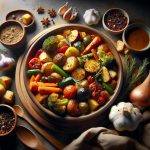

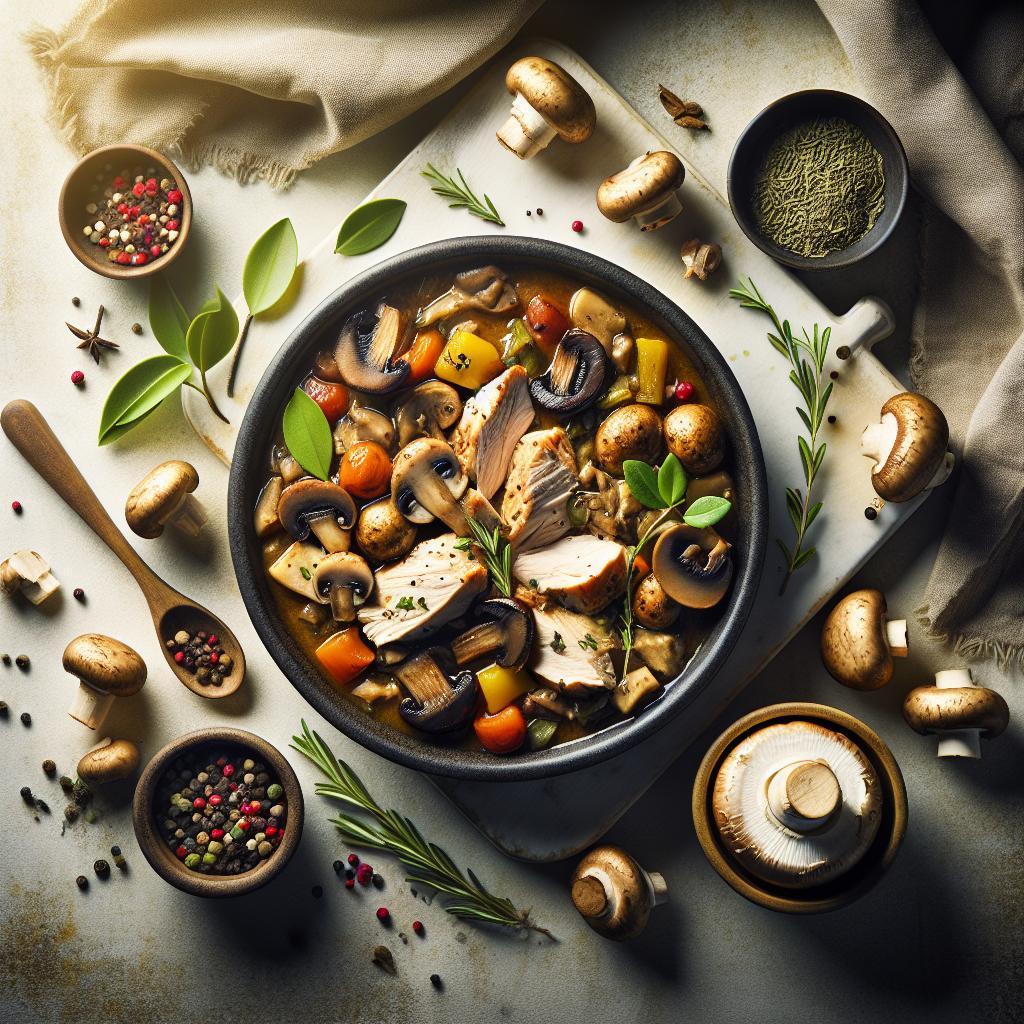

Savory Turkey Stew delivers classic comfort: tender turkey, deeply caramelized mushrooms, and a broth layered for richness. This recipe emphasizes technique—browning, controlled simmering, and umami layering—so you get a velvety, memorable turkey stew every time.
- Prep and Cook Time for Turkey Stew
- Yield and Portions for Turkey Stew
- Difficulty Level and Equipment for Turkey Stew
- Ingredients for Turkey Stew
- Step-by-Step Instructions for Turkey Stew
- Tips for Success with Turkey Stew
- Serving Suggestions for Turkey Stew
- Nutrition & Portions for Turkey Stew
- Common Questions About Turkey Stew
- Q1: What makes this turkey stew a perfect comfort dish?
- Q2: Can I use leftover turkey for this turkey stew?
- Q3: What types of mushrooms work best in turkey stew?
- Q4: How do I adapt this turkey stew for gluten-free diets?
- Q5: Can I make turkey stew in a slow cooker?
- Technical Notes and Sources
- Final Notes
- FAQ
- Key takeaway: Browning turkey and mushrooms creates concentrated savory flavor.
- Make-ahead: Flavors improve after chilling; freeze individual portions for quick meals.
- Versatility: Serve the turkey stew over mashed potatoes, noodles, or grains for different textures.
- Umami boost: Small additions like soy sauce or tomato paste deepen savory impact.
Prep and Cook Time for Turkey Stew
Preparation: 20 minutes. Trim and cut turkey into uniform pieces to ensure even browning and consistent cooking.
Cooking: 1 hour 15 minutes. Searing, sautéing, and a gentle simmer build layers of flavor; adjust heat to maintain a low, steady bubble.
Yield and Portions for Turkey Stew
This recipe yields 6 generous portions, suitable for a family meal or batch cooking. Scale quantities for larger groups or extra meal prep containers.
Leftovers often taste better after resting overnight because gelatin and starches marry. Freeze in single-portion containers for fast weekday reheats and reliable texture.
Difficulty Level and Equipment for Turkey Stew
Difficulty: Medium. The method focuses on heat control and sequencing rather than advanced skills, so cooks with modest experience will succeed.
Use a heavy-bottomed Dutch oven or wide pot for even heat. A reliable meat thermometer helps ensure safety when using larger turkey cuts and guarantees tender results.
Ingredients for Turkey Stew
Gather quality components: boneless turkey thighs, a mixed assortment of mushrooms, aromatics, and a flavorful low-sodium broth. Choosing compatible parts speeds the cook and balances the stew.
Use small umami enhancers like a spoon of tomato paste or soy sauce to deepen the broth. For background on mushrooms and their varieties, see mushroom.
- 2 lbs turkey thighs, boneless and skinless, cut into 1½-inch pieces
- 1 lb mixed mushrooms (cremini, shiitake, oyster), cleaned and sliced
- 3 tbsp olive oil, divided
- 1 large onion, finely chopped
- 3 cloves garlic, minced
- 2 medium carrots, peeled and diced
- 2 celery stalks, diced
- 3 tbsp all-purpose flour (or cornstarch for gluten-free)
- 4 cups low-sodium chicken broth
- 1 cup butternut puree (optional, for silkiness)
- 2 sprigs fresh thyme
- 1 bay leaf
- Salt and freshly ground black pepper, to taste
- Fresh parsley, chopped for garnish
- 1 tbsp soy sauce or tamari (for umami)
Step-by-Step Instructions for Turkey Stew
Follow this sequence to protect texture: sear, sauté, thicken, then simmer. This order concentrates savory flavor while preserving turkey tenderness and mushroom integrity.
Work in batches when searing to avoid overcrowding the pan; crowded meat steams instead of browns. Maintain medium-high heat and remove pieces once they develop a golden crust.
- Prep the turkey: Pat turkey pieces dry with paper towels to ensure strong browning. Season lightly with salt and pepper before searing.
- Sear the turkey: Heat 2 tablespoons olive oil in a heavy pot over medium-high heat. Add turkey in batches and brown on all sides, about 3–4 minutes per batch; set aside.
- Sauté the aromatics: Reduce heat to medium and add remaining oil. Cook onion, carrots, and celery until softened, about 5–6 minutes; then add garlic and cook 1 minute more.
- Cook the mushrooms: Add sliced mushrooms and a pinch of salt. Cook until they release moisture and begin to brown, about 8–10 minutes, to build the stew’s signature depth.
- Thicken the base: Sprinkle flour over the vegetable mixture and stir to coat. Cook 2 minutes to remove raw flour flavor and create a roux-like base.
- Deglaze and combine: Gradually pour in the chicken broth while scraping the pot bottom to lift browned bits. Add turkey back with thyme, bay leaf, and soy sauce, then bring to a gentle boil.
- Simmer gently: Reduce heat to low, cover, and simmer for 45–60 minutes so flavors meld and turkey becomes tender. Check once midway and skim excess fat if needed.
- Finish and adjust: Stir in butternut puree for silkiness if you like. Remove thyme sprigs and bay leaf, then taste and correct seasoning with salt and pepper.
- Serve: Ladle hot turkey stew into bowls and garnish with chopped parsley. Serve over mashed potatoes, noodles, or couscous for texture contrast.
Tips for Success with Turkey Stew
Small technique choices change the final dish: dry turkey sears better, and mushrooms brown rather than steam when you avoid overcrowding. Allow each stage time to develop flavor and texture.
Use low-sodium broth and add umami deliberately with soy sauce or tomato paste. For more on the savory taste known as umami, consult umami.
Serving Suggestions for Turkey Stew
Serve the turkey stew over creamy mashed potatoes for classic comfort, or choose buttered egg noodles for a homestyle presentation. Whole grains like farro or couscous give a nutty contrast and soak up the broth.
Add brightness with a crisp salad or sautéed greens to balance richness. Simple roasted root vegetables also pair well and increase meal variety.
Nutrition & Portions for Turkey Stew
The stew balances lean protein with moderate fat and controlled carbohydrates, so it fits many eating plans when portions stay sensible. Adjust oil and starchy sides to tune calorie density to your goals.
Estimated nutrition per serving depends on brands and exact portions. Use the table below as a baseline while tracking intake and making substitutions as needed.
| Nutrient | Per Serving |
|---|---|
| Calories | 350 kcal |
| Protein | 38 g |
| Carbohydrates | 14 g |
| Fat | 12 g |
Common Questions About Turkey Stew
The following Q&A clarifies common adjustments and troubleshooting tips for cooks at all levels. Each answer gives practical, testable steps to improve outcomes while cooking and reheating.
Use these points to refine technique or solve issues such as thin gravy, dry meat, or underseasoned broth.
Q1: What makes this turkey stew a perfect comfort dish?
Slow simmering and concentrated browning create layered savory notes and a velvety mouthfeel. Caramelized mushrooms and the turkey’s natural gelatin contribute to rich texture and sustained comfort.
Serving with a starchy base like mashed potatoes increases satiety and creates a classic comfort combination.
Q2: Can I use leftover turkey for this turkey stew?
Yes. Add leftover turkey near the end of cooking to warm through without drying. This approach preserves moisture and allows the meat to absorb the seasoned broth.
When using leftovers, shorten the simmer and focus on flavor integration rather than cooking the meat further.
Q3: What types of mushrooms work best in turkey stew?
A mix of cremini, shiitake, and oyster delivers complexity: cremini for earthiness, shiitake for smoky umami, and oyster for tender texture. Use fresh mushrooms and avoid washing them under running water; wipe or brush to clean.
For general reference on mushroom biology and edible varieties, see mushroom.
Q4: How do I adapt this turkey stew for gluten-free diets?
Substitute all-purpose flour with cornstarch or arrowroot mixed into a cold slurry before adding to hot broth. Verify your broth and soy sauce are certified gluten-free to avoid cross-contamination.
Cook time and technique remain the same; only the thickening agent changes to maintain texture and clarity.
Q5: Can I make turkey stew in a slow cooker?
Yes. Sear components first to build flavor, then transfer to the slow cooker and cook on low for 4–6 hours. Add delicate mushrooms later to avoid overcooking their texture.
Finish on the stovetop if you need to reduce or thicken the sauce rapidly for serving.
Technical Notes and Sources
For botanical and culinary context, turkey is a domesticated bird with distinct meat characteristics that influence cooking times. See the bird’s background at turkey (bird).
Stewing is a classic moist-heat method that extracts collagen and develops depth through long, gentle simmering. For technique context, reference stew.
Final Notes
This turkey stew rewards careful sequencing and attention to heat. Brown early, simmer gently, and adjust seasoning at the end to balance flavors.
Make extra and freeze portions for efficient future meals. Properly cooled and stored portions reheat reliably and retain a full, savory profile.
FAQ
Is leftover turkey ideal for this stew?
Yes. Add leftover turkey near the end to warm through without overcooking it. This preserves moisture and allows the meat to soak up the seasoned broth.
How should I store and reheat leftovers?
Cool completely, refrigerate in airtight containers for up to 3 days, or freeze for up to 3 months. Reheat gently on the stovetop, adding a splash of broth if the stew thickens while reheating.
What side dishes pair best with turkey stew?
Mashed potatoes, buttered egg noodles, and couscous all soak up the broth effectively. Add a crisp green salad or sautéed greens for brightness and contrast.
How can I increase umami without alcohol?
Add a teaspoon of tomato paste, a splash of soy sauce, or a few drops of balsamic vinegar during the sauté phase to boost savory notes. Small, concentrated ingredients yield large flavor gains.
Which herbs complement turkey stew?
Fresh thyme and bay leaf work well for a subtle, aromatic base. For herb background, see thyme.

See also: turkey stew tag and related ragouts for more recipes.
See also: turkey stew